Maybe you’ve spotted it in old photos or in a harsh bathroom mirror: your teeth look shorter, flatter, or uneven, and your smile doesn’t match how young you still feel. These can be signs of worn-down teeth.
Daily life, years of tooth grinding or clenching, acidic drinks, stress, old fillings, or an uneven bite, can quietly wear teeth down until the change is hard to ignore.
For some people, that wear is mostly a cosmetic frustration. For others, it’s starting to show up as jaw aches, fatigue, headaches, tooth sensitivity, or avoidance of certain foods. Worn teeth are common, and modern dentistry can do a lot to help, but it’s important to understand what kind of wear you have and how far it has gone before deciding on the correct dental treatment.
This article is general information only, not a diagnosis or treatment plan, but it can help you walk into a consultation with clearer questions and more confidence. By the end, you’ll know why teeth wear down, when it becomes a real health issue, and what today’s dentistry can do to rebuild a natural-looking, long-lasting smile.
Why Your Teeth Look Shorter or Uneven: Is It Just Aging?
When your teeth look shorter or uneven, it usually means real tooth structure has been lost, not just normal aging.
Tooth enamel (the hard outer shell) may be worn through in spots, and the underlying dentin, which is much more yellow, can start to show. That’s why one person in their 50s can still have long, crisp edges while someone the same age has flat, “stubby” teeth and a different-looking smile.
Dentists don’t just look at one front tooth that seems too short. We look for patterns across your whole mouth. If only a few teeth are shorter, often where you chew hardest or have older dental work, that hints at local overload or chipping.
If many teeth are flattened, it often suggests long-term tooth grinding or clenching. Gum changes can exaggerate the effect. Swollen gums hide length, while gum recession can make some teeth look long and others look short. Photos and digital scans taken over time make it easier to see how your bite and smile are changing, not just how they look on the day you visit.
Schedule Your Free Consultation
What Types of Tooth Wear Are Shortening Your Teeth?
Dentists commonly describe tooth wear or ground-down teeth as attrition, erosion, abrasion, and wear near the gum line. Most people have a mix of these, but understanding the main drivers helps you see why your teeth look the way they do and how to protect them.
- Attrition is tooth-against-tooth wear commonly from tooth grinding, clenching, or biting too hard or a bite imbalance. It flattens biting edges and chewing surfaces and can literally shorten teeth over time.
- Erosion is chemical wear from acidic beverages or foods, or even from stomach acid due to constant acid reflux, weakening the surface and making tooth enamel loss more likely.
- Abrasion comes from outside forces like aggressive brushing, nail biting, or opening packages with your teeth.
- Gum line wear in the form of wedge-shaped or scooped-out areas near the gum line. These areas can have more than one contributing cause, including brushing habits, chemical wear, and forces placed on the teeth.
A dentist can look at the pattern to help determine what may be contributing.
Here’s a quick way to see how they differ:
| Type or Pattern | Main Cause or Contributor | What You Might Notice |
| Attrition | Grinding, clenching, heavy biting | Flat edges, shorter teeth, shiny flat spots |
| Erosion | Acidic beverages, foods, or stomach acid | Smooth, cupped-out areas, more yellow showing |
| Abrasion | Brushing too hard, using teeth as tools | Grooves where the brush or object rubs |
| Gum line wear | Often, several contributing factors | Wedge-shaped or scooped areas near the gum line |
In real life, these often overlap.
Someone who sips acidic drinks, grinds at night, and scrubs with a stiff brush is affecting tooth enamel from three directions at once. That’s why a careful exam looks at your bite, any oral health issues, oral hygiene habits, and medical history before deciding how to rebuild and protect your teeth.
Everyday Habits and Health Conditions That Speed Up Tooth Wear
Most noticeable, worn, shorter-looking teeth develop gradually rather than from one single event.
Over time, repeated bite forces, enamel erosion, and everyday wear can change the shape and length of the teeth, sometimes exposing more of the underlying dentin or making the edges look flatter and less defined. Understanding what is driving that tooth wear matters because worn-down teeth are easier to protect when the underlying cause is identified early.
- Tooth grinding, or clenching: Often during sleep or while concentrating, this can place repeated heavy forces on teeth and gradually flatten or chip them over the years.
- TMJ disorders: The temporomandibular joint is a frequent victim of constant stress or can suffer from disorders caused by other medical conditions, leading to bite imbalances, grinding, or clenching that can also cause enamel loss.
- Acid erosion: Frequent exposure to acids from sodas, energy drinks, citrus, reflux, or repeated vomiting softens enamel and makes it much easier to wear away.
- Mechanical abuse: Habits like nail biting, pen chewing, tearing open packages, or very hard brushing with a stiff toothbrush and abrasive toothpaste can wear certain teeth down over time.
Health Conditions That Can Contribute to Tooth Wear
Your overall health can also influence how quickly enamel loss or tooth wear progresses.
Conditions that affect stomach acid, saliva production, sleep, or muscle activity can change the environment around your teeth or increase the forces placed on them. That matters because enamel depends on saliva and a balanced oral environment for protection, while ongoing bruxism or acid exposure can make already worn teeth more vulnerable to additional damage.
- GERD (acid reflux) or eating disorders: The constant contact of stomach acids with the esophagus and mouth will severely damage several aspects of oral health, including the teeth’s surfaces.
- Dry mouth from medications, smoking, or certain health conditions: These can raise the risk of enamel erosion, as reduced saliva can make teeth more vulnerable to acid-related wear.
- Shift work, chronic stress, and stimulants: These may also contribute to stress-related grinding or clenching in some people.
A good dentist will ask about your diet, sleep, stress, and medical history, not to judge you, but to design a worn-down teeth restoration plan that actually holds up in your real life.
The more of these show up in your life, the more important it is to get ahead of flattening and chipping before they turn into constant repairs or bigger problems.
Can Worn-Down Teeth Grow Back?
Once tooth enamel or other tooth structure has been physically worn away, it does not grow back.
Early enamel damage may sometimes be managed before significant tooth structure is lost.
But when teeth have already become shorter, chipped, or flattened, restoring their original shape and your smile line usually requires another approach.
Depending on how much wear has occurred, restorative treatment may include:
- Dental bonding
- Porcelain or ceramic veneers
- Dental crowns
- Orthodontic treatment
- A more comprehensive bite reconstruction
The important part is not simply rebuilding what was lost. Your dentist also needs to understand why the teeth became worn down, so the new result has a better chance of holding up over time.
When Do Worn Teeth Become a Real Oral Health Problem?
Worn teeth become a real health issue when they start breaking, hurting, or changing how your bite feels, not just how your smile looks. You can think of it in three rough stages: early cosmetic changes you don’t love, on-and-off symptoms, and then structural or bite breakdown that affects comfort and function every day.
Here are signs your dentist wants you to take seriously:
- The same teeth chipping or breaking again and again
- Sensitivity to hot, cold, or sweets that keeps coming back
- Feeling like your bite has shifted or won’t “sit” comfortably
- Avoiding harder foods or chewing mostly on one side
- Jaw soreness, headaches, or facial muscles that feel tired or tight
- A “shorter” or more collapsed look to the lower third of your face
At that point, patching one tooth at a time may not solve the problem because the underlying bite and wear pattern are still in charge.
It doesn’t always mean worn teeth are the only problem, but it is your cue not to wait.
That’s when a dentist starts talking about a coordinated plan instead of one-off fixes, so changes in length, shape, and bite all work together.
What Are Your Options to Rebuild Worn Down, Short, or Uneven Teeth?
The encouraging news is that most worn teeth with healthy roots can be rebuilt instead of removed. The right choice depends on how much tooth has been lost, how stable your bite is, and what you want your smile to look and feel like.
Your options may include:
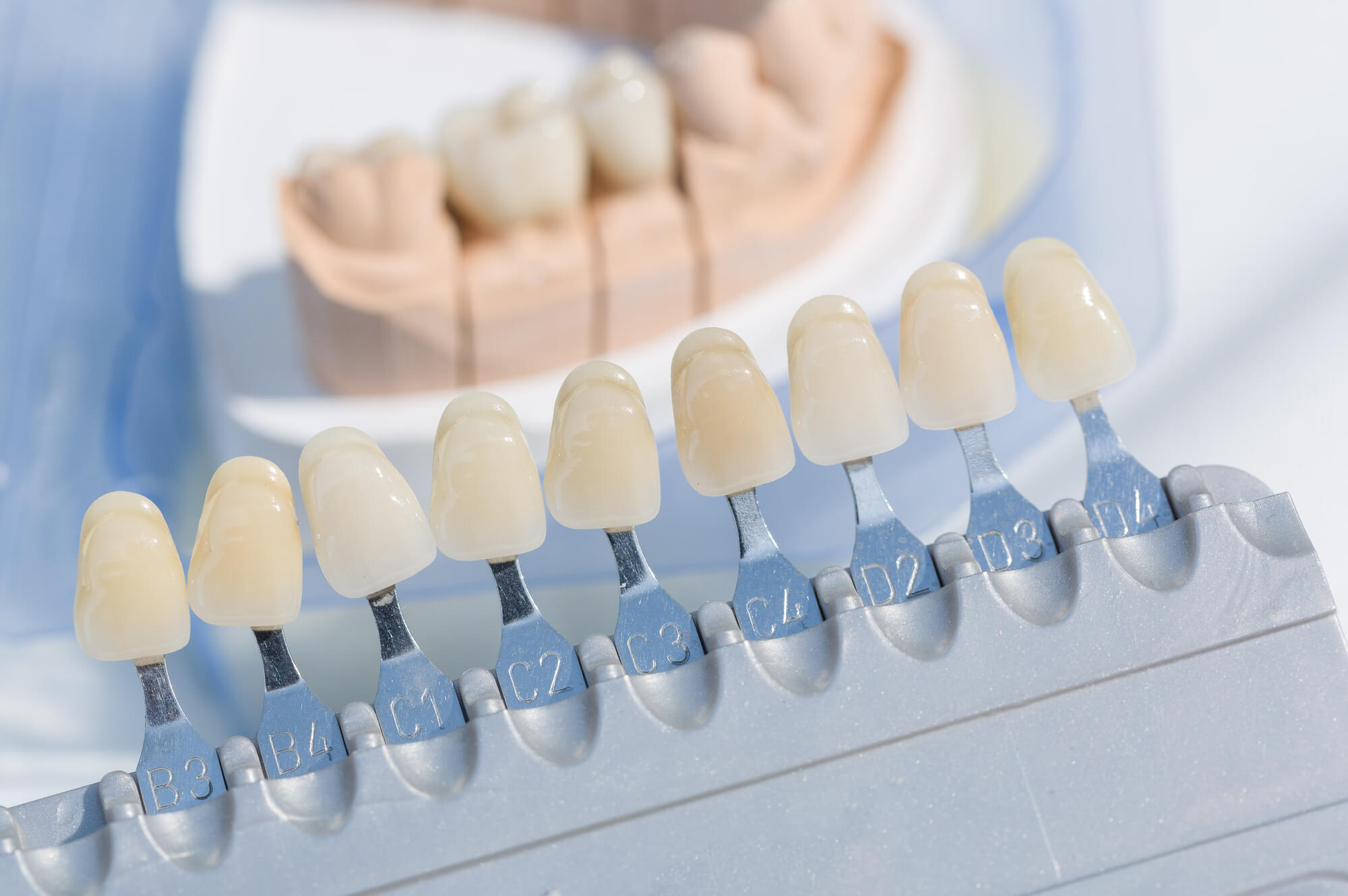
- Composite or resin bonding: For mild to moderate wear, conservative bonding with tooth-colored resin or composite materials can lengthen edges, smooth chips, and even out the smile, often in one or two visits. It’s kind to natural tooth structure and repairable, but may need touch-ups over time, especially if grinding continues.
- Porcelain veneers or ceramic onlays: For more dramatic changes in length, shape, and color, porcelain veneers or partial-coverage ceramic onlays can provide stronger, more stain-resistant results while still preserving much of the underlying tooth.
- Crowns: Crowns (caps) are reserved for teeth that are already heavily filled, cracked, or weak and need full coverage.
- Orthodontic treatment: In some cases, orthodontic treatment with braces or clear aligners comes first to straighten and level teeth so the dentist can use smaller, more conservative restorations.
Someone whose main concern is shorter-looking front teeth but who still has a stable bite may do very well with targeted bonding or veneers. Someone whose teeth keep fracturing and are already patched in many places may be better served by a more comprehensive bite rebuild rather than another round of spot repairs.
At 4M Dental Implant Center, the focus is on finding the right level of treatment for the condition of your teeth, not forcing every smile into the same solution. That can mean preserving and rebuilding natural teeth when they are still strong enough, or considering more comprehensive options when the damage is more advanced.
When Fixing Worn-Down Teeth Means Rebuilding Your Bite on Implants
In some cases, worn-down teeth can be accompanied by multiple issues, such as cracked, loose, severely damaged teeth, or enamel loss due to acid erosion or bruxism. Rebuilding on these compromised tooth structures may not provide the stable, long-term health or smile you desire.
In such scenarios, your dentist may discuss whether it is more beneficial to continue with traditional dental treatments, such as crowns, veneers, or dental bonding, or to explore a full-arch implant solution if the tooth wear and damage are extensive.
This decision process doesn’t rely on photographs alone. It involves a complete examination, which may include dental X-rays and CBCT evaluation, combined with an assessment of factors like enamel erosion, attrition, the extent of tooth surface loss, and the overall bite structure. Your dentist will also have an honest conversation with you about your long-term oral health, treatment timeline, and self-confidence goals.
Full-arch implants often involve state-of-the-art facilities and expertise in implant dentistry, which 4M Dental Implant Center offers in all of its locations.
They are usually recommended as a comprehensive and long-lasting solution, particularly in complex cases where worn-down teeth are heavily restored and breaking down further would cause additional stress rather than be helpful.
Most patients with worn teeth do not start with implants, but may consider this option for extensive erosion or in the context of a full mouth reconstruction plan, which can significantly improve both dental health and the aesthetic smile line.
Schedule Your Free Consultation
Designing a Balanced Bite and Natural-Looking Tooth Length
Rebuilding worn teeth is about how they work together as much as how they look. The new length has to match your face, lip position, and the way your jaws meet, or even beautiful teeth can feel “off.”
- Advanced imaging for a mock-up: Many modern practices use digital photos, 3D scans, and smile-design software to preview how longer or more even teeth could look before anything permanent is done. You may try a temporary “mock-up” so you can talk, smile, and chew with it for a short period.
- Deeper look at how your mouth works: Behind the scenes, your dentist is checking how forces will be shared when you bite and slide your teeth. The goal is to spread the load across the teeth while keeping the bite, jaw joints, and muscles comfortable. Changing bite height or tooth shape without carefully planning how the teeth work together may contribute to soreness, muscle fatigue, or problems with the restorations.
- Don’t let perfect be the enemy of good: good planning balances appearance, function, and biology, sometimes accepting slight, natural-looking asymmetry rather than chasing perfectly identical teeth that look artificial or putting the bite under unnecessary strain.
At 4M Dental Implant Center, that kind of planning is especially important because worn teeth do not always have one solution. Digital imaging, smile design, and a comprehensive bite evaluation help the team look at the whole system, so the plan may involve protecting natural teeth, rebuilding them, repositioning them, or replacing teeth only when that truly makes sense.
How to Protect Rebuilt Teeth From Future Wear and Damage
Once you’ve invested in rebuilding worn teeth, the next job is to protect that work from the same forces that damaged things in the first place.
Big picture, protection usually comes down to:
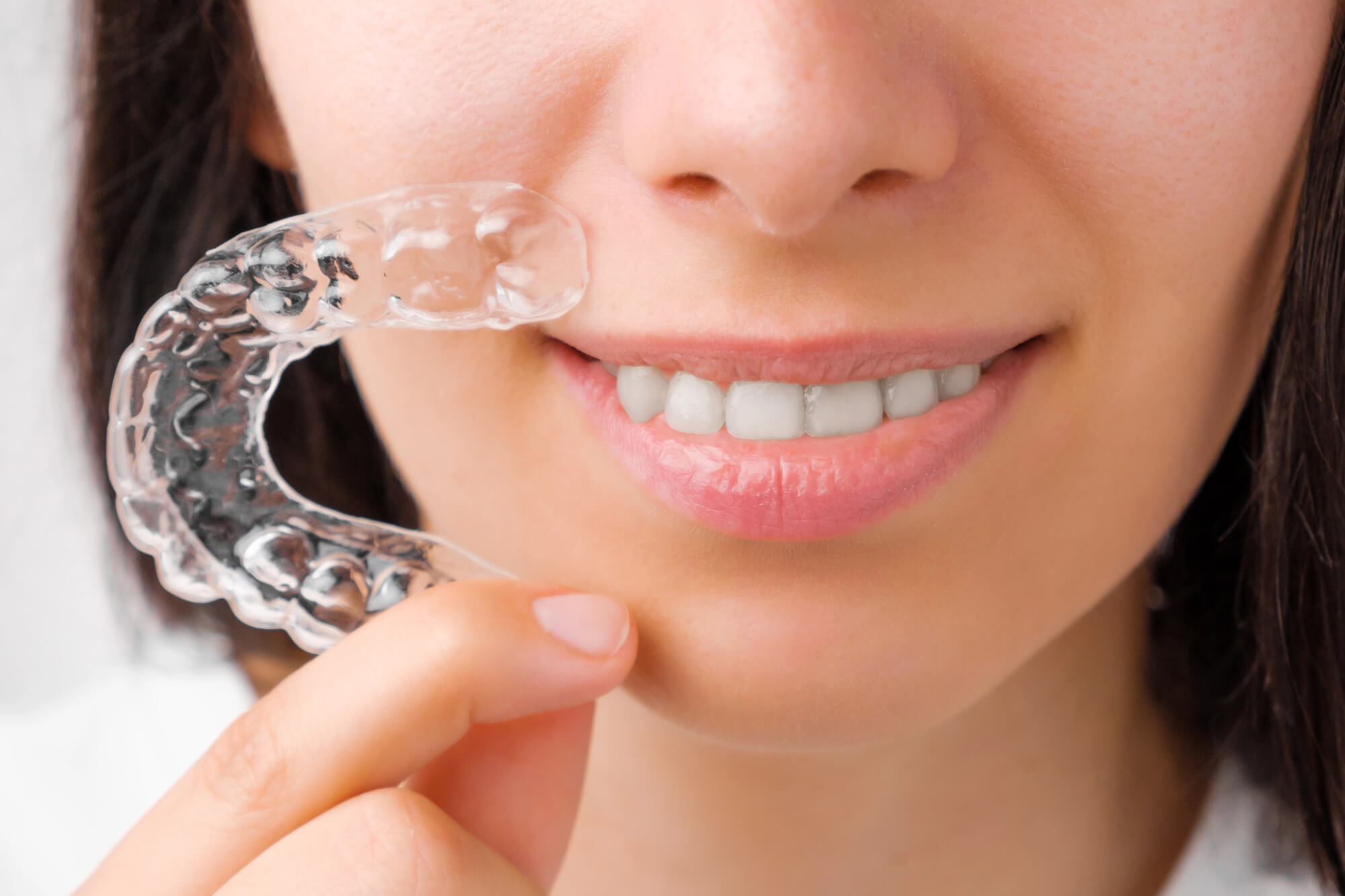
- Wearing a custom night guard if you grind or clench
- Limiting frequent acidic drinks and managing reflux with your doctor
- Using a soft toothbrush and non-abrasive toothpaste with gentle pressure
- Keeping regular checkups for bite checks, cleanings, and photos over time
Most long-lasting cases lean on some version of that simple checklist. It also helps to remember that no restoration is truly “set and forget.” Composite may need small repairs; veneers and crowns can chip under extreme load. Regular visits, including appropriate X-rays and photos when needed, help catch early signs of new wear before they turn into another big project.
Ready to Restore Worn-Down Teeth? Start With a 4M Smile Evaluation
If you’re starting to see a different smile in the mirror, or feel it when you chew or clench, the next step doesn’t have to be a huge decision. Excessive wear often happens slowly, and the gradual loss of enamel is easy to miss until uneven wear or a chip makes it obvious.
A comprehensive wear and bite evaluation can give you photos, scans, and a straightforward explanation of what’s happening, how it may be changing, and which options realistically fit your health, budget, and timeline. A thorough dental examination helps identify the cause of tooth wear, whether it’s grinding, acid, or simply years of physical wear, so our dental team can judge treatment suitability based on what’s actually going on. From there, you can decide whether to start with small protective steps, targeted cosmetic improvements, or a bigger bite rebuild if it’s truly needed, and our dental team can walk you through the common treatment options so you understand the tradeoffs.
The most important thing is that you don’t have to figure this out alone or wait until a small chip turns into a bigger problem, since waiting can lead to further damage and, in some cases, significant damage. At 4M Dental Implant Center, the goal is to understand the whole picture before recommending treatment. That can mean protecting or rebuilding natural teeth when appropriate, or discussing full-arch implant solutions when teeth are failing as well as worn.
When you’re ready, scheduling that first evaluation can turn “something feels off” into a clearer understanding of what’s happening and what your treatment options are.
Ready to understand what’s possible for your smile? Book a free consultation with 4M Dental Implant Center and get a personalized look at your options for restoring worn-down teeth.