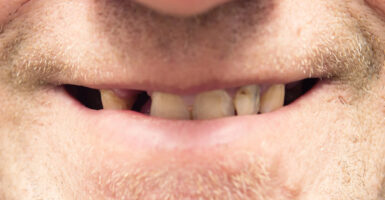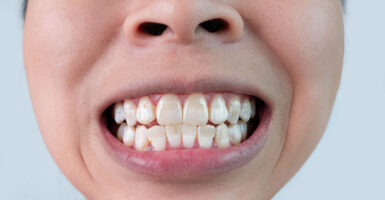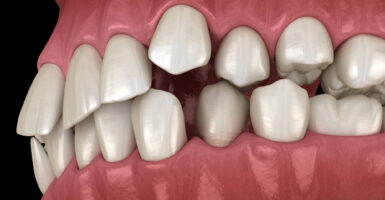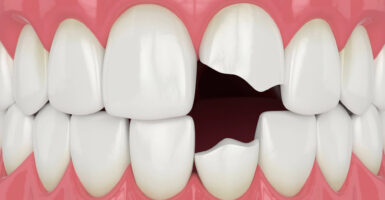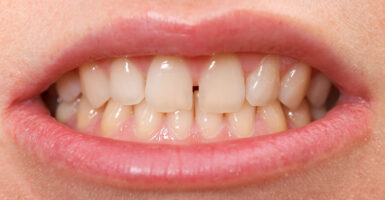
Maybe you’ve spent years hiding a chipped tooth in photos, or perhaps there’s a small gap or uneven edge that feels significant to you, even though it seems minor to others. You might be hesitant about undergoing major dental work or permanently reshaping your teeth.
Cosmetic tooth bonding offers a middle-ground solution.
In a dental bonding procedure, your dentist applies a tooth-colored resin material directly to the tooth to smooth chips and cracks, close minor gaps, and even out shape and color, often in just one visit, with minimal or no use of a dental drill. At 4M Dental Implant Center, bonding is viewed as a thoughtful, conservative technique that can be a stand-alone treatment or a precursor to more extensive cosmetic dentistry work, such as veneers, crowns, or implants.
This guide will explore what cosmetic bonding is, what you can expect during the appointment, what issues bonding can and cannot fix, how long it typically lasts, and how to decide if it’s the right choice for improving your smile. Note that this information is for general knowledge; your dentist will tailor recommendations to your specific needs based on a thorough exam, imaging, and your dental history.
What Cosmetic Tooth Bonding Actually Is
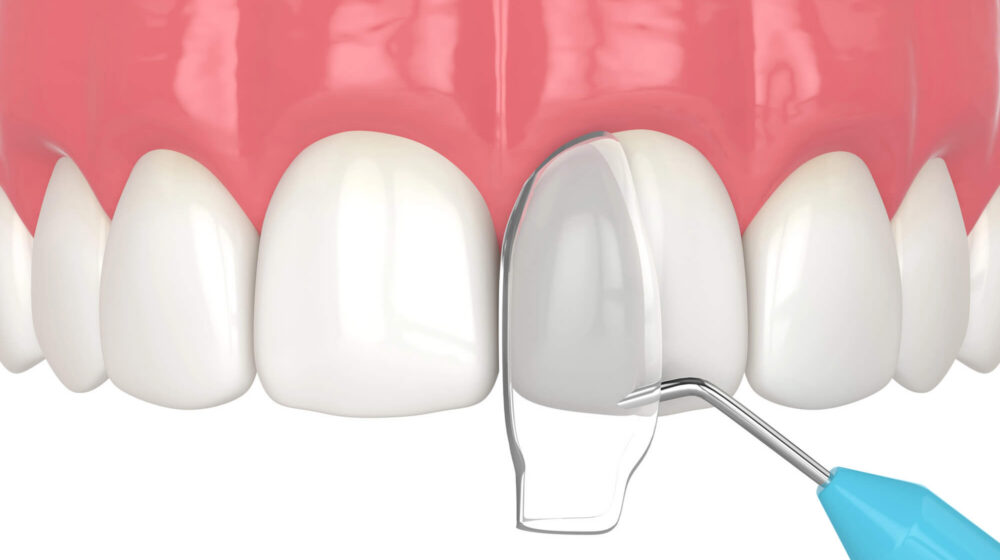
Cosmetic dental bonding is a minimally invasive dental procedure where your dentist uses a tooth-colored resin to enhance the appearance of a tooth. This resin material starts out soft so it can be meticulously shaped on your tooth; then, it is hardened using a blue curing light and polished to seamlessly blend into your natural smile.
In essence, bonding adds a custom “shell” or extension to targeted areas of a tooth rather than covering or replacing the entire tooth.
Here’s what it can achieve:
- Repair small chips or worn edges
- Close minor gaps between teeth
- Lengthen short or slightly misshapen teeth
- Conceal stubborn stains and discoloration that whitening treatments haven’t addressed
The bonding material is a mix of plastic resin and fine glass particles. The glass helps to add strength and natural sparkle, while the composite resin allows the dentist to shape and securely bond it to the tooth structure.
The bonding process involves:
- Cleaning the tooth
- Gently roughening and conditioning the enamel surface
- Using an etching gel to prepare it
- Applying a liquid dental adhesive
- Followed by the composite resin in thin layers, which are hardened with a curing light.
Modern composite resin materials are designed to mimic the look of natural teeth, not only in color but also in their ability to reflect light.
Many dental professionals use multiple shades and layers to create a lifelike appearance rather than a flat look.
Bonding is typically applied to healthy teeth after addressing any cavities or gum disease. When executed with care and maintained with proper oral hygiene practices, dental bonding can be a comfortable and conservative way to enhance your smile.
Schedule Your Free Consultation
What to Expect During a Cosmetic Bonding Visit
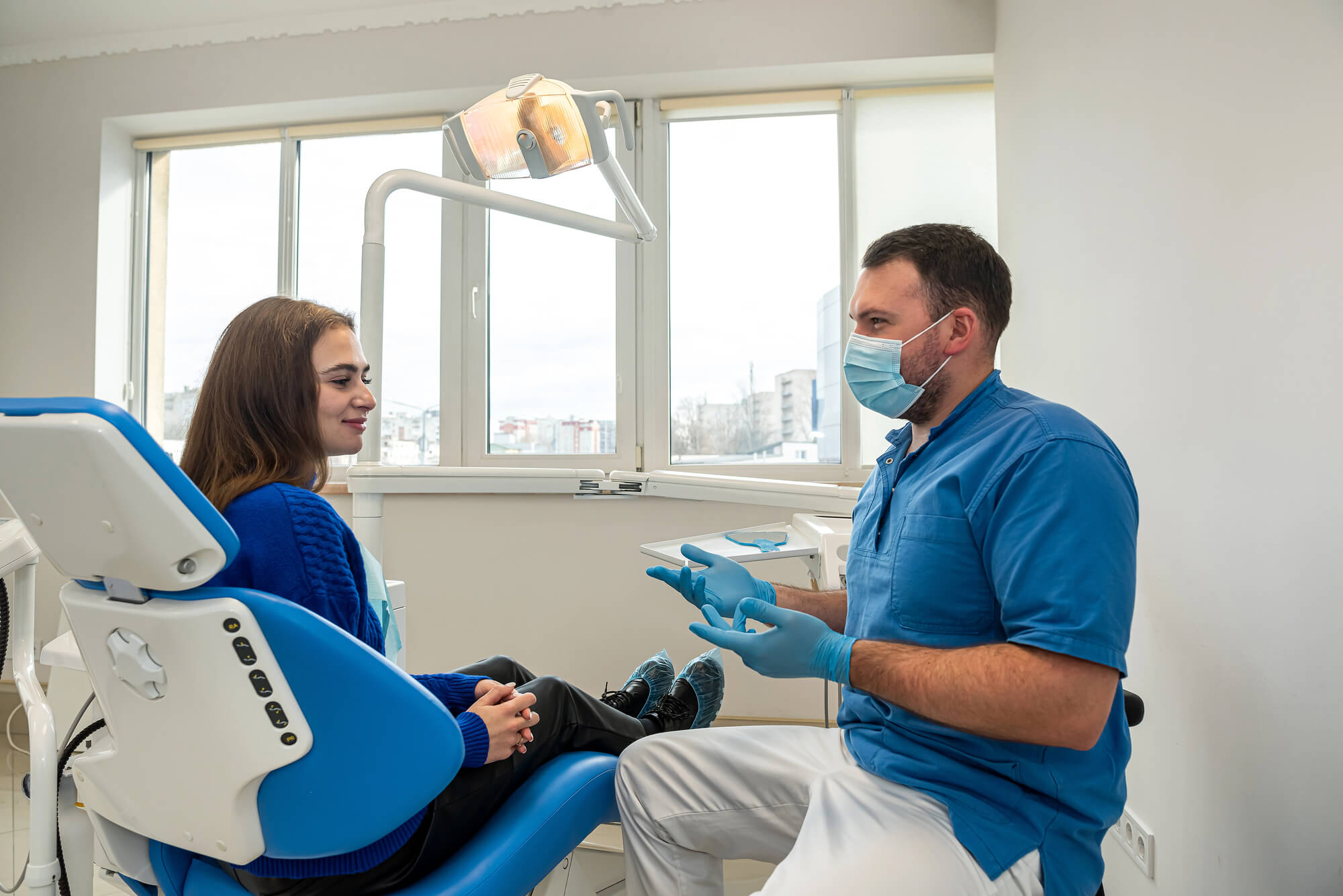
A cosmetic dental bonding visit is usually straightforward. For one or two front teeth, you can often expect about 30–60 minutes in the chair. Many people are surprised by how calm the appointment feels; there’s no need for anesthesia in many cases.
Consult and Exam
Your dentist checks your teeth and gums, listens to what bothers you, and may take photos and dental imaging (X-rays, 3D scans, etc). Any active problems like cavities or gum disease need to be handled first, as the bonding resin only goes on healthy teeth.
Matching and Planning Tooth Shades
Together, you choose a shade (or mix of shades) of tooth-colored materials that blend with your other teeth. Your dentist may sketch, use photos, or show examples so you both agree on the planned shape and length.
Tooth Preparation
The dental bonding process itself starts with tooth preparation. For many small cosmetic cases, there’s little or no drilling. The tooth is cleaned, then gently roughened and conditioned so the dental bonding materials will stick. If the tooth is sensitive or the repair is deeper, you may be numbed with local anesthesia first.
Applying and Shaping the Composite Resin
A bonding agent goes on first. Then the dentist adds the liquid composite resin in small amounts, shaping it with instruments and brushes as they go. A curing light hardens each layer in seconds. You can always ask to pause if you need a break or want to check the progress.
Finishing and Polishing
Your bite is checked so you don’t hit too hard on the newly bonded teeth. The surface is then smoothed and polished so it looks glossy and feels natural against your lip and tongue. You leave with the final result that same day, no temporary teeth and no lab wait. Most people resume normal activities immediately, with only mild temporary sensitivity, if any.
What Bonding Can and Can’t Fix Compared with Dental Veneers and Crowns
Bonding shines when the tooth underneath is mostly healthy, and you’re asking for small to moderate changes. Dental crowns and veneers are usually better choices for bigger makeovers or teeth that are already weak or heavily restored.
A good cosmetic dentistry professional will look at each tooth and match the treatment to what it really needs.
Where dental bonding struggles is with larger structural or color problems. If a tooth has a big old filling, a deep crack, very dark discoloration, or is missing a large piece, a dental veneer or crown is usually safer and more durable. Those dental procedures cover more of the tooth and are made from stronger ceramic (porcelain) materials.
Here’s a simple way dentists compare the three options:
| Option | Best for | Tooth change & durability |
| Bonding | Small chips, gaps, edge wear, spots | Little or no enamel removed; moderate life, may need touch‑ups |
| Veneers | Bigger cosmetic changes on several front teeth | A thin layer of enamel is usually shaped, long‑lasting, with good care |
| Crowns | Heavily damaged or weak teeth | More tooth reshaped; strongest coverage and protection |
Dental bonding is often the most budget‑friendly of the three, but it also tends to need more maintenance over time. If a tooth has major structural damage or deep cracks, your dentist may recommend going straight to a crown for safety and longevity instead of trying to stretch bonding beyond what it’s meant to do.
How Long Does Cosmetic Bonding Last and How to Look After It
Cosmetic dental bonding often lasts several years. Many people benefit from 3-10 years with a well-placed restoration, depending on the quality of the bonding resin and placement work, where it is in the mouth, and how they care for it.
The lifespan primarily depends on the extent of tooth bonding, how your teeth meet when you bite, and your daily habits.
Composite bonding resin is a bit softer and more susceptible to stains than porcelain veneers. Over time, it can dull, pick up color, and sometimes chip. Like any dental work, dental bonding can wear out or fail and may need to be repaired or replaced. Your dentist is the best person to estimate how long your cosmetic dental bonding might last after examining your bite, grinding patterns, and lifestyle.
You can help extend the life of your bonded teeth by:
- Brushing twice a day with a soft brush and non-abrasive toothpaste
- Flossing once a day around bonded areas to maintain oral hygiene
- Avoid using your teeth as tools (e.g., opening packages, biting pens, chewing ice or fingernails)
- Wearing a nightguard if you grind or clench your teeth
- Ask your dentist at regular cleanings whether any bonded areas need a quick polish or small repair
These are the same oral hygiene practices that protect natural teeth. Always follow the specific instructions your dentist gives you, especially in the first few days after the dental bonding procedure.
If a bonded area chips or loses its shine, it’s often possible to lightly roughen the surface and add more composite resin material or re-polish it rather than starting over.
Who is a Good Candidate and Who Should Be Cautious
Dental bonding tends to work best when your teeth and gums are generally healthy, your concerns are focused on a few small flaws, and you’re comfortable with a natural-looking result that may need touch-ups in the future. It’s a simple, chairside way to make visible changes without committing to more permanent options right away.
Good Candidates for Cosmetic Bonding
You’re likely a good candidate if:
- Your teeth and gums are in good health
- You want to fix one or two specific issues (like a chip, minor gap, or uneven edge)
- Your bite doesn’t put extreme pressure on the teeth you want to treat
- You’re okay with the idea that bonding may eventually need repair or replacement
Who Should Be Cautious with Dental Bonding
Your dentist may suggest a different approach, or use bonding only as a temporary step, if you:
- Have large fractures, big old metal fillings, or a front tooth that has had a root canal
- Grind or clench heavily and aren’t willing to wear a nightguard
- Want a major, long-term color change across many teeth
- Have bigger functional problems like difficulty chewing, jaw pain, or major wear that may call for a more complete treatment plan.
- Have oral health issues or lifestyle factors that make your tooth enamel or existing fillings unstable
For some people, bonding is a perfect standalone solution. For others, it’s more of a “test drive” to see how a new shape or length feels before considering porcelain veneers.
If bonding isn’t the best fit, your dentist can walk you through safer, more predictable alternatives so you can still move toward the smile you want.
How to Decide if Bonding Fits Your Smile Plan
The best dental restoration choices start with clear goals, not with a procedure already picked out. Cosmetic dental bonding or dental fillings are just one tool in a larger kit that also includes teeth whitening, veneers, crowns, orthodontics, and implants. Information like this is meant to help you ask better questions, not to replace an exam or diagnosis.
Before you meet with a dentist, it can help to ask yourself:
- Am I trying to fix one or two specific teeth with dental bonding, or am I hoping for a broader smile change?
- Is my main concern color, shape, alignment, or obvious damage like small chips or stains and discoloration?
- How long do I want this solution to last before I’m likely to change or upgrade it with possibly more durable options like porcelain veneers?
- What does my budget look like over the next few years, not just this month?
At centers that handle full‑mouth work regularly, like 4M Dental Implant Center, dental bonding can be used as a gentle first step or as a finishing touch on a larger dental procedure. Whatever you choose, ask for a written, phased plan that separates health‑critical work from purely cosmetic options and lays out likely maintenance over time.
This way, you can see how dental bonding fits into your bigger picture instead of making a one-off decision.
When to Talk with a Dentist About Bonding
Deciding whether to move forward with composite dental bonding is much easier when someone walks through their own teeth and goals with you, not just a list of pros and cons on a screen. A face-to-face visit lets a dental professional look at your smile, listen to what bothers you most, and explain in plain language what cosmetic bonding can and can’t do in your situation, and how it might pair with veneers, crowns, or implants later if you ever decide to go further.
If you’ve been hiding your smile over one or two stubborn flaws, a free consultation at a dental clinic like 4M Dental Implant Center is a simple, low‑pressure way to see your options clearly.
You can bring photos, ask about timelines and costs, including any potential dental insurance coverage, and leave with notes and a written plan to think about at your own pace. Use guides like this to shape your questions, then base your final decision on a real exam and conversation with a qualified dentist, not on guesswork or marketing promises.