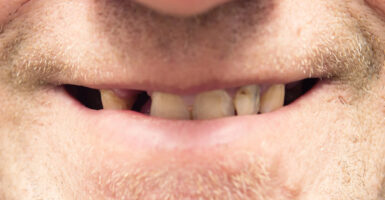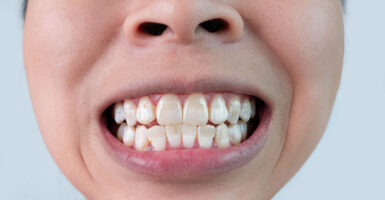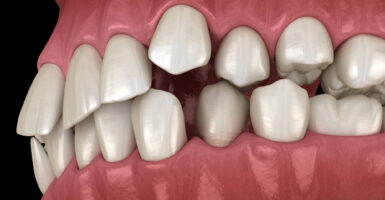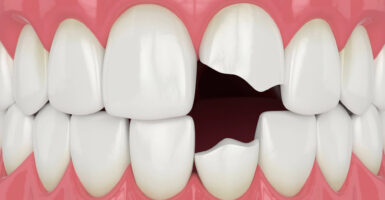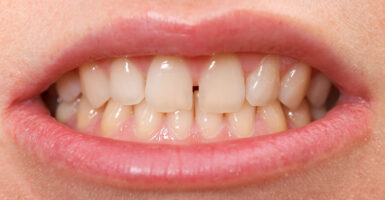
You know your smile isn’t quite where you want it, but the choices feel muddy. One dental practice talks about dental veneers and teeth whitening. Another focuses on braces or clear aligners.
Social media shows dramatic before-and-after photos with almost no explanation of what was done or how it might affect the health of your teeth years from now.
Under all of that, your real questions are simpler: what exactly is going on, how much change you’re hoping for, and which option will protect your teeth and oral health for the long haul, not just for the next photo.
This guide is general education, not a diagnosis. Only an in-person exam with X-rays or 3D imaging can confirm what’s safe and realistic for you.
However, by the end, you’ll hopefully have a clearer sense of what cosmetic dentistry and orthodontics each do, how time and cost compare, and why some of the best results come from combining both in a thoughtful plan.
Cosmetic Dentistry vs Orthodontics: What’s the Difference?
Cosmetic dentistry vs orthodontics comes down to what needs to change.
- Cosmetic dentistry improves the visible appearance of your teeth, including color, shape, size, chips, worn edges, and small gaps.
- Orthodontics focuses on moving your teeth into healthier positions and improving how your upper and lower teeth meet when you bite.
In simple terms, a cosmetic dentist changes how your smile looks; an orthodontist changes where your teeth sit and how your bite works.
Here’s a quick side-by-side view before we go deeper. It shows how the two options differ by goal, treatment type, timeline, and trade-offs.
| Question | Cosmetic Dentistry | Orthodontics |
| What does it change? | Tooth color, shape, size, surface appearance, and minor cosmetic imperfections | Tooth position, spacing, crowding, and bite alignment |
| Common treatments | Teeth whitening, dental bonding, veneers, crowns, and gum reshaping | Braces, clear aligners, expanders, space maintainers, and retainers |
| Best for | Stains, chips, worn edges, uneven tooth shape, and small cosmetic gaps | Crowding, rotated teeth, bite issues, spacing, overbite, underbite, crossbite, or open bite |
| Typical timeline | One visit or a few months of treatment | Several months to 2 years or more, depending on complexity |
How to Decide Which Option Fits Your Smile
The most important decision is identifying what problem you’re actually solving and not just picking a treatment first.
If you start by choosing dental veneers, braces, tooth whitening, or clear aligners before anyone has looked at your teeth, bite, gums, or bone support, you may box yourself into the wrong solution and pay unnecessary treatment costs.
A better starting point is to describe what bothers you in everyday language, then let your dentist map that concern to the right tools.
A simple way to sort your concerns is to place them into three buckets:
- How it looks: color, shape, spacing, chips, worn edges, and how your smile shows up in photos.
- How it works: chewing comfort, jaw tension, chipping, bite balance, or teeth that feel uneven.
- How long it lasts: whether a fix will still feel good, look natural, and stay healthy years from now.
In a 2022 American Academy of Cosmetic Dentistry survey, practices reported high use of crown and bridge work, anterior bonding, whitening, veneers, implants, tray aligners, and orthodontics among cosmetic-focused services.
In other words, cosmetic dentistry often overlaps with restorative care and alignment work, which is why your general dentist should look at the full picture before recommending a path.
At a good consult, your dentist or orthodontist will check for decay, gum health, bone support, tooth wear, jaw comfort, and how your upper and lower teeth fit together. Once everyone is clear on whether your main issue is cosmetic, functional, or both, the treatment decision gets much easier — and much safer.
Where Cosmetic Dentistry Fits in a Smile Treatment Plan
Cosmetic dentistry focuses on refining the visible parts of your smile on top of a healthy bite.
It’s especially helpful when your teeth work reasonably well, but you’re unhappy with color, small chips, worn edges, tooth shape, gum line, or the way the front teeth line up in photos. It can often deliver noticeable changes quickly, but some cosmetic treatments trade speed for removing a small amount of natural tooth structure.
A Healthy Bite is Needed First
A careful cosmetic dentist will still rule out disease first.
Before recommending any tooth whitening, composite bonding, porcelain veneers, crowns, or gum contouring, your dental professional should check for decay, gum disease, bite problems, tooth wear, and weak enamel. The goal is not just to make the smile look better for photos, but to make sure the result is healthy, stable, and maintainable.
Cosmetic Treatments That May Be Part of Your Plan
Cosmetic dentistry is not one single treatment. It includes several options that can improve the color, shape, size, balance, or visible condition of your teeth.
Common cosmetic dental procedures may include:
- Teeth whitening: brightens natural teeth when stains or discoloration are the main concern.
- Dental bonding: uses tooth-colored resin to repair small chips, close tiny gaps, or smooth uneven edges.
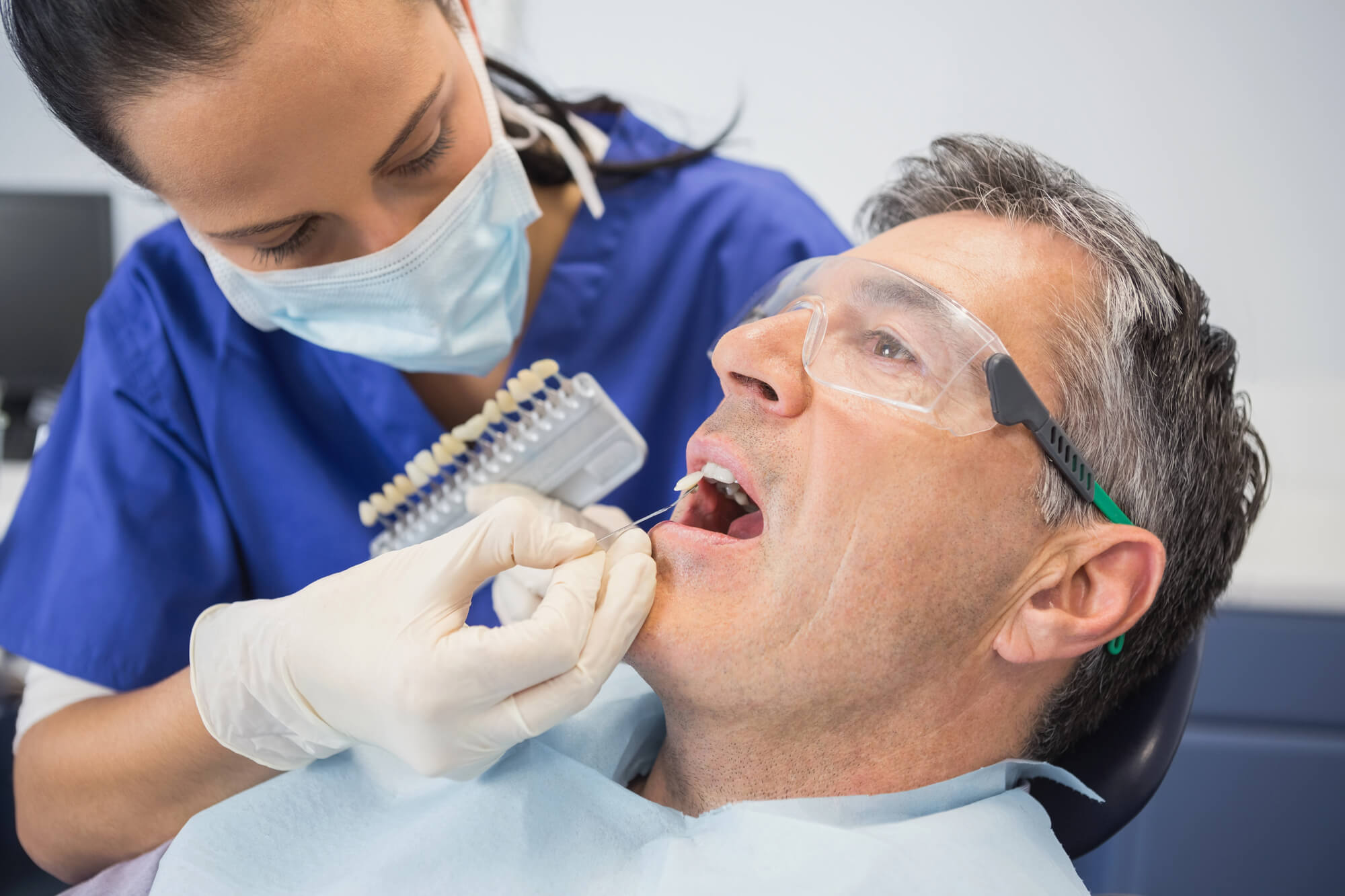
- Porcelain veneers: cover the front surface of teeth to change color, shape, size, or apparent alignment.
- Dental crowns: cover and protect teeth that are damaged, heavily restored, cracked, or cosmetically compromised.
- Gum reshaping: adjusts uneven gum tissue lines so teeth look more balanced.
- Smile makeover planning: combines cosmetic and restorative treatments to improve the overall look, function, and balance of the smile.
The right cosmetic option depends on how much change you want, how healthy your teeth are, and whether the concern is mainly appearance, structure, or both. For a deeper breakdown of treatment options, see our guide to common cosmetic dentistry procedures.
Where Orthodontic Treatment Fits in a Smile Treatment Plan
Orthodontics changes how your teeth and jaws fit together so your bite is healthier, more comfortable, and easier to keep clean.
A straighter smile is a welcome benefit, but the primary goal is a bite that shares forces well and supports long-term tooth and gum health.
Orthodontic treatment is usually recommended when tooth position or bite alignment is part of the problem. That may include issues like:
- Crowding or spacing
- Rotated teeth
- Bite issues (overbite, deep bite, underbite, crossbite, open bite)
- Food traps
- Uneven wear
- Chewing discomfort.
Correcting these issues can make chewing more comfortable, protect teeth from uneven wear, and make brushing and flossing easier.
In children and teens, orthodontics can sometimes guide jaw growth; in adults, it focuses on moving teeth safely within the existing jaw structure.
Common Types of Orthodontic Treatment
Orthodontic treatment is also not one-size-fits-all. Different tools can be used depending on your age, bite, crowding, spacing, jaw development, and treatment goals.
Common types of orthodontic dental procedures include:
- Traditional braces: use brackets and wires to move teeth into better positions over time. While
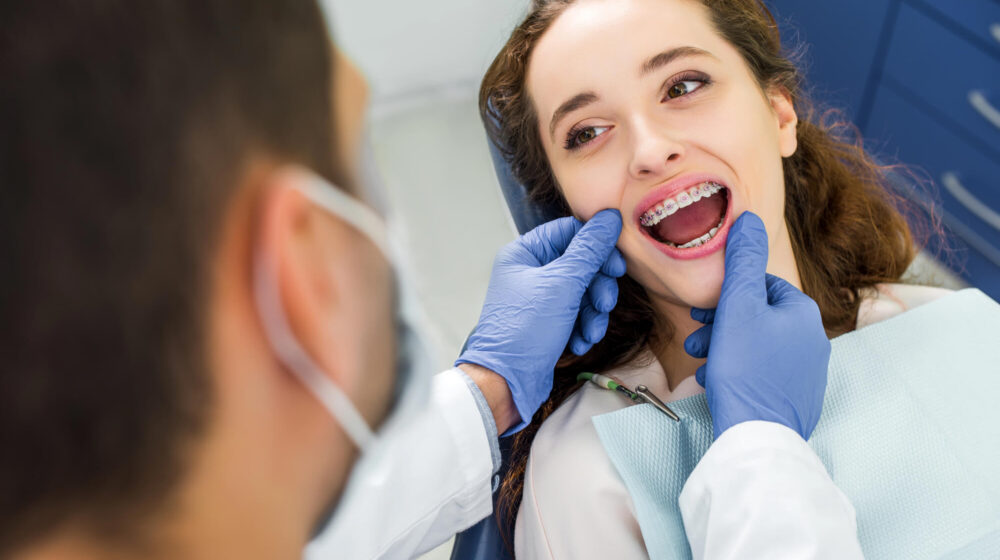
- Clear aligners: use removable trays to gradually move teeth, often with a more discreet appearance than braces.
- Palatal expanders or growth-guidance appliances may be used in younger patients when jaw development or arch width needs guidance.
- Retainers: help maintain tooth position after orthodontic treatment.
- Limited orthodontics: focuses on smaller alignment concerns, often involving the front teeth.
- Comprehensive orthodontics: addresses broader tooth movement, bite alignment, spacing, crowding, or jawbone issues.
Most full orthodontic cases run somewhere around 12–24 months, depending on complexity, with regular check-ins. Retainers are not optional; some form of retention is a lifelong habit, even if you eventually only wear them a few nights a week.
Some patients only need minor tooth movement. Others may need a broader orthodontic plan before cosmetic dentistry, implants, crowns, or other restorative work can be done predictably.
How Your Bite and Oral Health Shape the Right Cosmetic or Orthodontic Treatment Plan
Before anyone talks seriously about veneers, braces, or clear aligners, your dentist needs a clear picture of your dental health: teeth, gums, and bone.
Even the best cosmetic or orthodontic plan can fail if it sits on top of active decay, gum disease, or weak support. That’s why a careful office will always begin with a full exam and imaging, then build treatment choices on your true dental needs.
In a thorough dental and bite evaluation, your dentist will typically review:
- Cavities or failing fillings that need treatment before cosmetics or movement.
- Gum health and bone support around each tooth.
- Existing crowns, bridges, or implants and how they’re holding up.
- How your jaw joints and bite feel when you open and close.
Sometimes the safest first step is treating gum disease or repairing teeth. In other cases, your bite is stable and healthy, so you genuinely can choose between cosmetic and orthodontic approaches.
Advanced digital imaging helps the dental team see exactly how much bone supports each tooth and how much room there is to move teeth safely if orthodontics is on the table.
Digital smile design, 3D imaging, prosthodontic planning, occlusion analysis, and 3D printed orthodontic applications can give each provider a clearer view of the same goal: a smile that looks natural, functions comfortably, and is built around the patient’s actual anatomy.
Schedule Your Free Consultation
Crooked or Crowded Teeth: Veneers, Braces, or Clear Aligners?
When your main concern is crooked or crowded teeth, it’s tempting to jump straight to “veneers or braces.” The better question is how severe the crowding is and whether your bite and enamel are still in good shape.
Mild crowding sometimes gives you more than one safe option; moderate or severe crowding almost always points toward orthodontics as the base layer.
For mild crowding in an otherwise healthy bite, you may be able to choose between:
- Short-term orthodontics with braces or clear aligners.
- Conservative bonding to reshape edges and close tiny gaps.
- Minimal-prep veneers to visually straighten a small number of teeth.
When there is moderate or severe crowding, obvious bite problems, jaw discomfort, or heavy wear, orthodontics stops being optional.
Covering badly positioned teeth with veneers or crowns alone can make them look straighter while leaving chewing forces unchanged, or even worse.
For example, using veneers to hide a deep overbite may look great at first, but those veneers can chip or loosen because the bite still lands too hard in the same spots. If the position of your teeth is part of the problem, orthodontics needs to be part of the solution.
Cosmetic Dentistry vs Orthodontics: Timeline, Results, and Maintenance
Cosmetic dentistry and orthodontics sit at different points on the “speed versus invasiveness” spectrum.
Teeth whitening can brighten your smile in one visit. Veneers and crowns can change color, shape, and apparent alignment in weeks. Braces and aligners take months or years, but they usually keep far more of your natural tooth structure intact and support the way your bite works.
In broad strokes, here’s how they compare:
- Main focus: Cosmetic work changes appearance; orthodontics changes tooth position and bite.
- Typical timeframe: Cosmetic dental care often takes one visit to a few months; orthodontics commonly takes 12–24 months.
- Tooth structure: Many cosmetic options remove some enamel; orthodontics generally preserves it.
- Maintenance: Cosmetic results may need repairs or color touch-ups; orthodontic results depend on retainers and checkups.
To picture the timeline, think about common choices:
- Whitening: Often finished in one visit, with touch-ups over time.
- Cosmetic bonding or minimal-prep veneers: Usually completed in one to a few appointments.
- Comprehensive braces or aligners: Commonly 12–24 months, with lifelong retainers afterward.
Seeing these side by side helps you decide whether fast surface change, slower structural change, or a planned combination fits your goals and your patience best.
Cosmetic Dentistry vs Orthodontics Cost: What to Consider Over Time
It’s easy to compare the price of “a few veneers” with the total cost of braces or aligners and assume one must be cheaper.
In reality, cosmetic and orthodontic care are priced very differently, and the long-term value can flip depending on your situation.
- Orthodontics is typically priced as one full course of care, including most visits and retainers.
- Cosmetic dentistry is usually priced per tooth or per procedure, so a full “smile makeover” can add up quickly.
Insurance usually treats these paths differently, too. Some plans, especially for children, will cover part of medically necessary orthodontics, up to a lifetime maximum.
Purely cosmetic enhancements, such as elective veneers or whitening, are often not covered. That doesn’t make them wrong, but it does mean more of the cost falls on you, often with financing playing a role.
To think about value over the next 10–20 years, ask yourself:
- Will this option lower my risk of fractures or failing dental work later on?
- Am I removing healthy tooth structure that I might wish I still had in the future?
- Is this plan addressing my bite and bone support, or just the surface appearance?
Looking at those questions with your dentist or treatment coordinator often changes which plan really seems “cheapest” over a decade or more.
When to Combine Orthodontics and Cosmetic Dentistry for a Smile Makeover
For many adults, the best and most conservative results come from combining orthodontics and cosmetic dentistry in a planned sequence.
Straightening teeth doesn’t change their color or repair worn edges, so whitening and bonding often still make sense afterward, and can usually be done with less drilling because the teeth are already in better positions.
A very common pattern is: short- or full-course orthodontics to align teeth and improve the bite, followed by targeted cosmetic work—such as whitening, small areas of bonding, or a few well-chosen veneers or crowns—to refine color, shape, and proportion.
Done this way, you protect more enamel and give that work from a cosmetic dentist a stronger, more stable foundation.
It’s especially worth asking about a combined plan if:
- You want to minimize how much natural enamel is permanently removed.
- You have missing or failing teeth and may need implants or full-arch treatment.
- Your bite is already causing chips, wear, or jaw pain or discomfort.
In more complex cases, your general or cosmetic dentist, orthodontist, and implant team will usually coordinate around one shared digital plan.
When everyone is planning from the same 3D models and photos, you’re far more likely to end up with a smile that looks great, feels comfortable, and holds up under everyday chewing.
Find Your Best Smile Treatment Path at 4M Dental Implant Center
If you have been stuck between just fixing what you see and committing to braces or aligners for correcting misaligned teeth or crooked teeth, that is a sign it is time for a proper evaluation instead of more guessing. Many patients feel self conscious about misaligned teeth or cosmetic concerns for years before seeking help, and understanding the full range of cosmetic dentistry treatments and cosmetic procedures available makes that first conversation far less overwhelming.
At 4M Dental Implant Center, that conversation starts with understanding your full smile: how your teeth look, how your bite works, what your gums and bone can support, and what kind of result would actually feel worth it to you. For patients dealing with crooked teeth, misaligned teeth, or more complex concerns, addressing alignment as part of a broader smile plan often produces a more attractive smile and more lasting results than any single cosmetic procedure applied in isolation.
For patients with missing, failing, worn, or heavily restored teeth, this planning step matters even more. 4M is built around comprehensive smile planning, with a team that includes cosmetic dentists, restorative dentists, dental implant specialists, and full-mouth reconstruction work with the specialized expertise and advanced training needed to evaluate every aspect of your smile. That broader view helps your team decide whether your best path is a conservative cosmetic update, addressing alignment and moving crooked teeth into their desired position first, implant treatment, or a phased plan that protects both appearance and function. Patients who choose cosmetic dentistry at 4M benefit from that full-team perspective, ensuring that cosmetic procedures are planned around long-term health and function rather than appearance alone.
The goal is not to push you toward one treatment. It is to help you understand your real options, see what is possible, and choose a path that fits your health, timeline, budget, and long-term confidence in your attractive smile.
If you are ready to understand which path fits your smile, schedule your free consultation with 4M Dental Implant Center.
Schedule Your Free Consultation