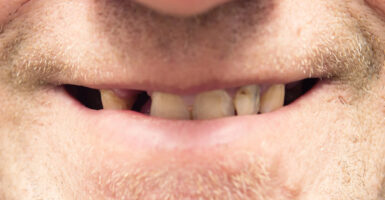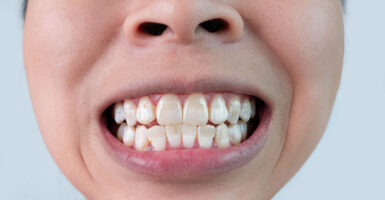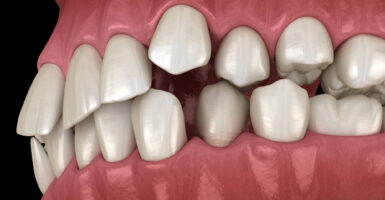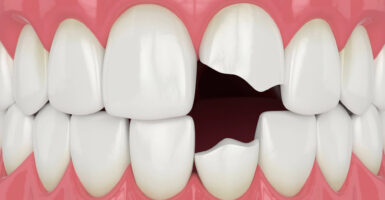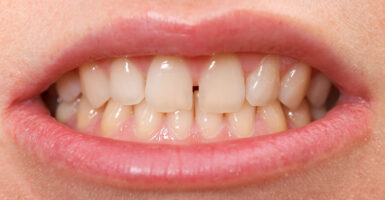
You notice your smile in every photo before you notice anyone else. Maybe there’s one front tooth that’s darker than the rest, a chip you’ve stared at for years, or gaps and crowding you try to hide when you laugh. You might even avoid certain situations, job interviews, dates, and family pictures, because you’re worried about what your teeth say before you ever speak.
Cosmetic dentistry exists to change that. It focuses on how your teeth and gums look without losing sight of how they work. If you’ve been searching for cosmetic dentistry options, understanding the different procedures, their costs, and how long results last can help you make a more confident decision.
This guide will help you understand what common cosmetic dentistry procedures and treatments can and can’t do, how long they last, and how dentists safely build a plan that fits your mouth, your health, and your goals.
What Is Cosmetic Dentistry and How Has It Changed?
A cosmetic dentist will focus on improving the appearance of your smile while preserving the health and function of your teeth and gums. In practice, there’s often an overlap between cosmetic and restorative care.
For example, a crown that protects a cracked tooth can also be shaped and shaded to look completely natural, and clear aligners can improve alignment while supporting a healthier bite.
However, despite the adjective “cosmetic”, in clinical settings, cosmetic dentists prioritize oral health before any cosmetic work, as any dental professional would.
Conditions like gum disease, decay, or infection are treated first because stable gums and bone are essential for long-term success. Oral health is just as much a priority in cosmetic dentistry as in general dentistry, because any cosmetic procedures, from gum contouring to dental veneers, placed on unhealthy foundations are far more likely to fail, leading to avoidable complications and additional cost.
Advances in materials and technology have significantly improved outcomes for cosmetic dental treatments. Modern ceramics, composite bonding agents, and digital planning tools allow for more precise, durable, and natural-looking results than were previously possible. These improvements also make it easier to tailor treatment to each patient’s facial features, bite, and long-term needs.
At its core, cosmetic dentistry improves the color, shape, and alignment of teeth, but the best results come from a comprehensive approach that balances aesthetics with function, durability, and overall oral health.
Most Common Cosmetic Dentistry Procedures and What They Fix
According to data from the American Academy of Cosmetic Dentistry (AACD), procedures like professional teeth whitening, dental veneers, dental bonding, and dental crowns are among the most commonly performed cosmetic dental treatments in modern practices.
When you strip away the marketing, most cosmetic plans rely on a small, proven toolbox of dental and orthodontic treatments. Each tool has a job it does best, and most cosmetic concerns can be grouped into a few main categories:
- Color
- Shape
- Spacing
- Alignment
- Missing teeth
Once you know which category your main concern falls into, it becomes much easier to understand your treatment plan options.
For example, whitening focuses on color. Dental veneers and bonding handle both color and shape.
Orthodontics changes alignment and spacing. Crowns rebuild damaged teeth, and implants, bridges, or partial dentures replace missing ones. Often, more than one procedure can help the same issue, and the right choice depends on how your teeth look and how healthy they are underneath.
Cosmetic Dentistry Procedures List: Your Dental Treatment Options
When considering a smile makeover, several procedures can help you achieve your desired look. Here’s a comprehensive list of cosmetic dental procedures, each offering unique benefits tailored to your individual needs, goals, and budget:
- Teeth Whitening: A popular choice for brightening yellow or stained teeth, teeth whitening can rejuvenate your smile by several shades.
- Dental Bonding: This procedure repairs small chips, closes gaps, and covers local discoloration using tooth-colored resin or composite bonding material, seamlessly blending with the natural tooth structure.
- Dental Porcelain Veneers: Thin porcelain shells placed on the front of teeth can alter color, shape, and apparent alignment, providing a dramatic transformation to your smile.
- Clear Aligners or Braces: These orthodontic solutions straighten crooked or crowded teeth, aligning your smile over time for a more harmonious appearance.
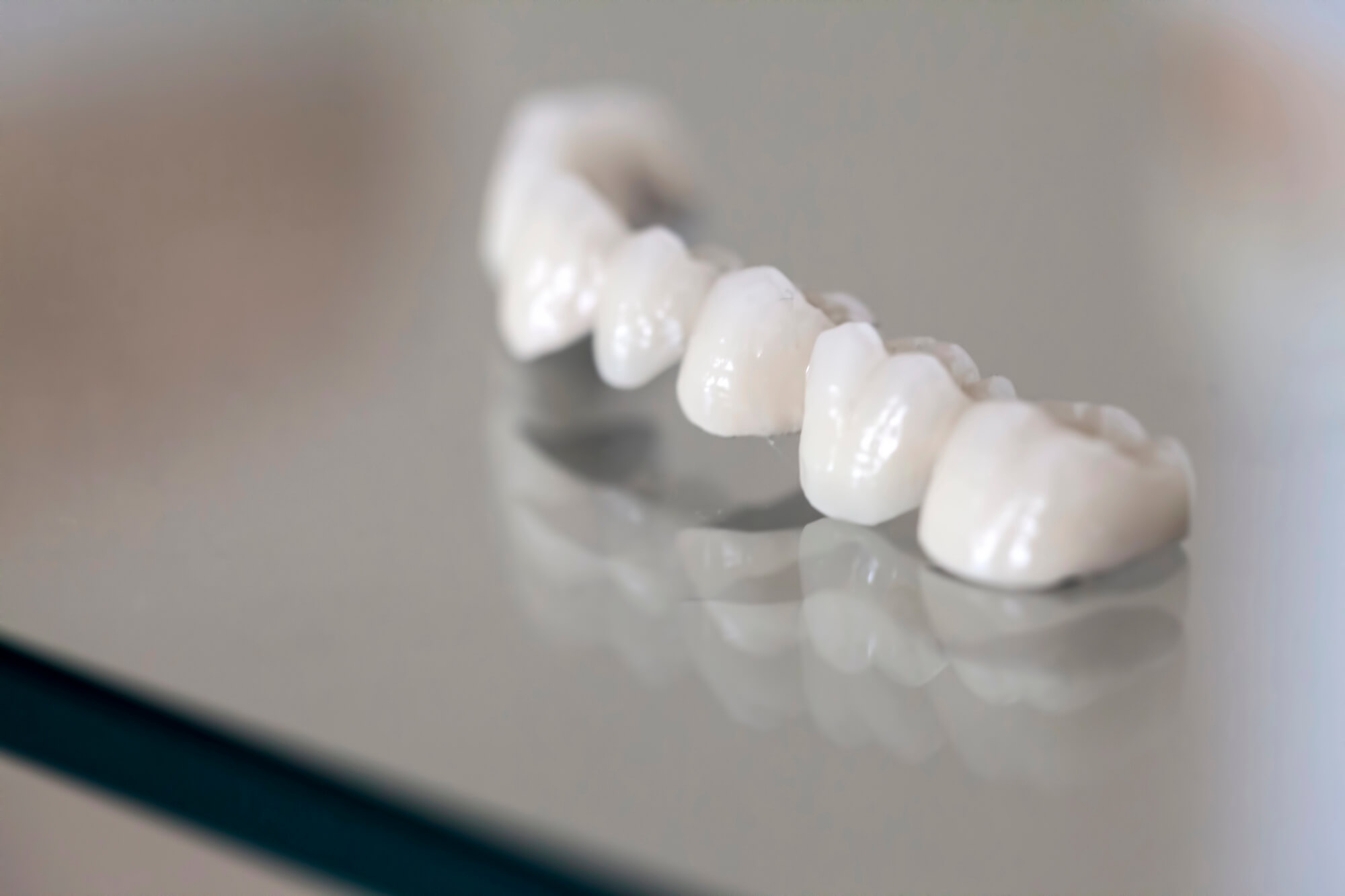
- Tooth-Colored Crowns: Ideal for teeth that are badly broken or heavily filled, crowns restore strength and aesthetics by completely covering the tooth.
- Dental Implants: These options replace missing teeth by using titanium posts with ultra-durable ceramic materials or zirconia crowns, improving function and aesthetics while preventing further oral health issues.
- Inlays and Onlays: Used for teeth with moderate decay or damage, inlays and onlays (formally called indirect dental fillings) fit into or onto the tooth (using a resin composite and dental cement), respectively, offering a strong, esthetically pleasing solution.
- Gum Contouring: Also known as gum reshaping, this procedure adjusts the gumline, addressing issues such as a gummy smile or uneven gum levels to enhance the overall appearance of teeth.
- Enamel Shaping: This involves contouring the enamel to smooth minor dental imperfections, improving the tooth’s shape and symmetry subtly without the need for more extensive procedures.
- Tooth Reduction: Often used prior to placing veneers or crowns, this procedure removes small amounts of tooth structure to ensure a proper fit and aesthetic integration.
Choosing the right combination of procedures depends largely on your main concerns, whether it’s whitening a dark tooth, straightening teeth, or closing gaps.
During a consultation, it’s beneficial to express your primary goals while remaining open to professional recommendations. At comprehensive practices like 4M Dental Implant Center, experts prioritize treatment planning to align procedures with your aspirations, overall dental health, and the longevity of results you desire.
Schedule Your Free Consultation
How Much Does Cosmetic Dentistry Cost?
One of the most common questions patients ask is how much cosmetic dentistry costs.
The answer depends on the dental issues and the procedure, complexity, and materials used by any cosmetic dentists or their practice.
A consultation is the best way to get an accurate estimate based on your specific needs.
If you’re considering cosmetic dental treatments, discussing your expectations, budget, and the potential outcomes with your dental professional is crucial. With the right information and guidance, you can make an informed decision that enhances both your smile and confidence.
Why Cosmetic Dentistry Costs Vary
Several factors influence the final cost of treatment:
- Number of teeth treated (single tooth vs full smile makeover)
- Material quality (composite vs porcelain vs zirconia)
- Complexity of your case (alignment, bite, or bone issues)
- Dentist experience and lab quality
- Geographic location (urban areas tend to be higher)
Cost vs Value: What Patients Should Know
Lower-cost treatments like whitening and bonding can deliver fast improvements and are sometimes offered by general dentists as well, but may require more maintenance and dental check-ups over time.
Higher-cost dental work, like ceramic veneers, crowns, tooth contouring, and dental implants, involves a larger upfront investment, but often provides longer-lasting and more stable results.
In many cases, cosmetic dentistry is not purely aesthetic. Procedures like crowns and orthodontic treatments like implants also restore function, protect remaining tooth structure, and support long-term oral health.
How Long Do Cosmetic Dentistry Results Last?
Another key question patients ask is: How long do cosmetic dental procedures last?
The answer varies depending on the treatment, your oral health, and how well you maintain your results over time.
Average Lifespan of Cosmetic Dental Procedures
How long your results last depends on the procedure, your habits, and how well your underlying dental health is maintained. As a general guide:
- Teeth whitening: Results can last several months to 2 years before needing a touch-up, depending on factors like diet and smoking habits.
- Dental bonding: Typically lasts 3 to 7 years; it’s more prone to staining and chipping compared to porcelain.
- Porcelain veneers: Can last 10 to 20+ years with proper oral care and maintenance.
- Dental crowns: Generally last 10 to 20 years, influenced by the material used and the bite force they endure.
- Clear aligners: Offer long-term results, provided that you consistently wear a retainer to prevent teeth from shifting back.
- Dental implants: The implant post can last for decades or even a lifetime if supported by healthy bone and gums. The crown on top usually needs replacement after 15 to 20 years.
- Inlays and Onlays: Can last between 5 and 30 years, depending largely on the material and how well you maintain them.
- Gum contouring: Considered permanent, although maintaining gum health is essential to prevent future issues.
These timelines reflect typical outcomes in healthy patients who adhere to recommended maintenance and hygiene routines. As you can see, cosmetic dentistry has the potential to enhance the appearance of your smile significantly, but the longevity of results depends greatly on your initial condition and the dental care you provide for your mouth afterward.
Setting clear expectations and committing to appropriate maintenance are crucial for long-lasting results.
What Affects How Long Results Last?
Several factors influence longevity:
- Oral hygiene habits (brushing, flossing, professional cleanings)
- Diet and lifestyle (coffee, smoking, grinding/clenching)
- Bite alignment and jaw forces
- Material quality and dental technique
Even the best cosmetic work can fail early if underlying issues, like gum disease or bite imbalance, are not addressed first.
How to Make Cosmetic Results Last Longer
To protect your investment:
- Maintain regular dental checkups and cleanings
- Use a night guard if you grind or clench
- Avoid chewing hard objects (ice, pens, etc.)
- Limit staining foods and drinks when possible
- Follow your dentist’s aftercare recommendations
How Cosmetic Dentistry Fixes Shape, Size, and Alignment
If you’re mostly bothered by how your teeth line up, look in length, or relate to each other, cosmetic dentistry can either move the teeth you have or gently mask them.
A good cosmetic plan explains trade‑offs between options, so you feel comfortable with how permanent each option is.
Moving Teeth vs Masking Them
Traditional or invisible braces can straighten crowded or rotated teeth, close spaces, and improve the way your upper and lower teeth meet.
Treatment often takes many months, sometimes longer for complex cases, and you’ll need to wear retainers afterward to keep things stable. The benefit is that you keep your own tooth structure and improve the function and appearance.
Veneers and contouring can change the apparent alignment, length, and width of teeth in a matter of weeks. Minimal‑prep veneers remove very little enamel; traditional veneers may require more reshaping.
Used thoughtfully, they can transform worn, misshapen, or slightly crooked teeth.
However, used too aggressively, they can remove more healthy tooth structure than needed, which is why any enamel‑removing treatment should be carefully planned, not rushed for a quick makeover.
Balancing Goals, Biology, And Time
A smart cosmetic plan looks at your bite, jaw joints, and enamel health as well as your desired look. Lengthening front teeth without respecting the way your teeth come together can lead to chipping or jaw discomfort. Skipping orthodontic movement and relying only on veneers to “fake” straight teeth can create teeth that look bulky and are harder to clean.
As a simple guide:
- If you want to keep as many natural teeth as possible, ask about clear aligners or braces first.
- If you need a faster change for a big event, limited veneers or bonding may be an option.
- If your teeth are already heavily worn or filled, veneers or crowns might protect them as well as improve appearance.
In many cases, the best answer is a combination: modest movement with aligners to get teeth into a healthier position, followed by small contouring or bonding to perfect edges and proportions.
Photos and 3D imaging software are what allow a dentist to judge which mix will be safest for your mouth.
This level of planning is especially important in cases that involve multiple concerns.
Practices experienced in full-mouth and cosmetic rehabilitation, like 4M Dental Implant Center, often use a combination of imaging and bite analysis to guide these decisions.
Schedule Your Free Consultation
How Cosmetic Dentistry Fixes Chips, Cracks, and Gaps
Small chips, cracks, and gaps can feel huge when they’re on a front tooth. Many people say, “It’s just a tiny chip, but it’s all I see in photos.”
Dental bonding is often the first option here, but for larger or more complex problems, veneers or crowns might give a stronger and more stable result.
Bonding vs Veneers For Small Flaws
Bonding shines when the flaw is limited: a chipped edge, a small triangular gap near the gum, or a local white or brown spot. It’s relatively quick, usually doesn’t require local anesthesia, and preserves almost all of the original tooth, achieving balance and symmetry in a single dental office visit.
The trade‑off is that composite resin can stain and wear faster than porcelain. It may need polishing or patching after a few years, depending on your bite and habits.
Veneers become more relevant when there are several chips, uneven shapes, or deeper discoloration affecting a group of teeth. They require more planning and, usually, more tooth preparation, but they resist staining better and can last significantly longer when cared for properly.
Looking Beyond The Surface
Not every chip is “just cosmetic.” A tooth that broke because of a large unseen crack, heavy grinding, or a deep cavity might need a crown or even root canal treatment, not just a bit of bonding. A small corner chip from bumping a fork on an otherwise healthy tooth often can be handled with simple dental composite material. A tooth that breaks while you chew something soft may signal a deeper crack and a higher‑risk situation.
A careful exam and imaging help your dentist decide what’s truly safe. Once a repair is in place, your habits matter:
- Wearing a night guard if you grind or clench
- Avoiding chewing ice or hard objects
- Using non‑abrasive toothpaste
All these help bonded or veneered edges last longer. If you like the character of a small gap and just want it softened, say that out loud. Small bonding changes can keep the look you love while making you feel more confident up close.
Cosmetic Options for Replacing Missing Teeth
Missing teeth affect more than appearance; they impact how you chew, speak, and how your face is supported over time.
The three main options are dental implants, bridges, and removable partial dentures. Each restores your smile differently, with trade-offs in comfort, longevity, and impact on surrounding teeth and bone.
H3: Implants, Bridges, and Dentures: What’s the Difference?
The three main options vary in how they’re placed, how they feel, and how they affect surrounding bone and teeth:
- Dental implants: Titanium posts placed in the jawbone that act like artificial roots. They support crowns or full-arch restorations, stay fixed in place, and help preserve bone over time.
- Dental bridges: Use the teeth next to a gap for support. Those teeth are reshaped and covered with crowns that hold an artificial tooth in between.
- Removable partial dentures: Sit on the gums or clip onto remaining teeth and can be removed for cleaning.
Why Replacing Missing Teeth Matters and How to Choose the Right Option
Missing teeth do more damage over time than most people realize. Gaps left untreated allow neighboring teeth to drift, alter your bite, and accelerate bone loss in the jaw, which can eventually cause the lower face to look more collapsed. The longer a gap goes unfilled, the more complex and costly treatment becomes.
Implants and well-designed bridges help counter this by maintaining bone structure and keeping surrounding teeth stable. Removable partial dentures improve appearance and chewing but don’t stimulate the jawbone in the same way, so some bone loss continues over time.
Choosing the right option isn’t purely a cosmetic decision. Bone quality, overall health, medications, and habits like smoking all influence whether implants are appropriate or whether a bridge or partial denture is the better fit. A proper evaluation, not just a consultation based on what looks good online, is the only reliable way to know which solution will be both safe and long-lasting for your specific situation.
Why Proper Treatment Planning Matters
In clinical practice, cosmetic dentists follow a structured sequence: treat disease first, stabilize the bite, and refine appearance only then. This approach protects both function and longevity; cosmetic work placed on an unstable foundation is far more likely to fail early.
This becomes even more important with procedures like veneers, crowns, or dental implants, where long-term success depends on what’s happening beneath the surface. The strongest results don’t come from rushing into cosmetic changes, but from careful planning that balances health, function, and aesthetics.
If you’re comparing options online, it’s worth looking beyond appearance alone. Durability, maintenance, and how a procedure fits your overall oral health often matter just as much as how it looks on day one.
Your Next Step: Building the Right Plan for Your Smile
At some point, online research can only take you so far. The best way to understand what’s truly possible for your smile is through a personalized consultation.
At 4M Dental Implant Center, that process is designed to be simple, clear, and pressure-free. You’ll meet with an experienced doctor, discuss what you want to change, and receive a comprehensive evaluation that looks at your teeth, gums, bite, and overall oral health.
Rather than a one-size-fits-all recommendation, the focus is on giving you options, so you understand the trade-offs between simpler cosmetic improvements and more comprehensive solutions. Every recommendation is built for long-term results, so your smile not only looks better, but functions well and lasts.
If you’re ready for clearer answers, you can book a free consultation at 4M Dental Implant Center and explore your options with a team that focuses on lasting results.