Maybe you’ve thought about improving your smile but hesitated because traditional dental veneer treatment can involve multiple appointments, temporary restorations, and weeks of waiting.
Same-day veneers offer a different approach. With chairside digital technology such as CEREC, certain ceramic veneers may be designed, created, and bonded during one extended visit. For suitable patients, that can mean fewer appointments and a more coordinated treatment experience without treating speed as a substitute for careful planning.
But the value of same-day veneers is not measured by speed alone. The condition of your teeth, your bite, the materials used, and the result you hope to achieve all help determine whether a same-day workflow or a traditional laboratory approach is the better fit.
While chairside technology can be appropriate in selected situations, 4M generally prefers laboratory-crafted veneers because they allow superior customization of shape, texture, translucency, and shade while also giving patients the opportunity to preview and approve their smile before the final restorations are completed.
This guide explains how same-day veneers work, what CEREC technology actually does, how same-day treatment compares with traditional dental lab ceramic or porcelain veneers, and what dentists evaluate before recommending one approach over another.
What Are Same-Day Veneers?
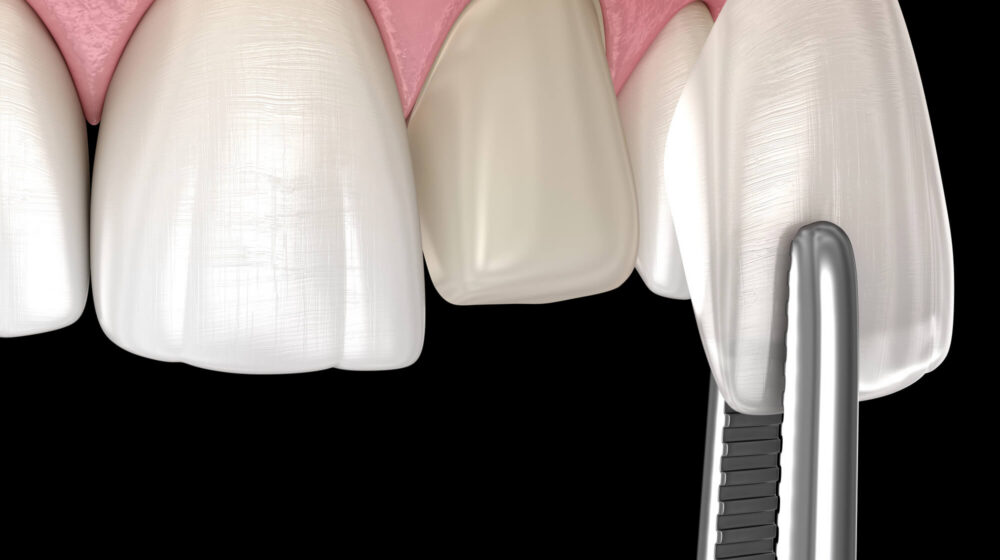
Same-day dental veneers are thin ceramic restorations that cover the visible front surface of a tooth and may be digitally designed, created, and bonded during one extended dental appointment.
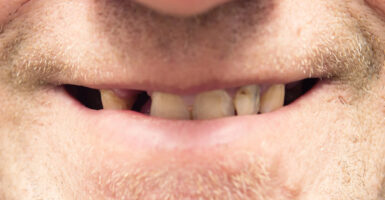
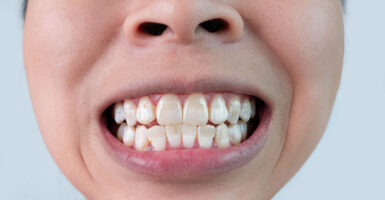
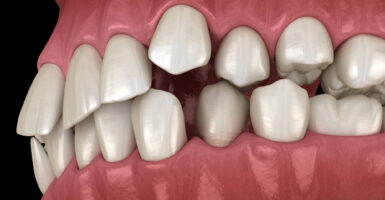
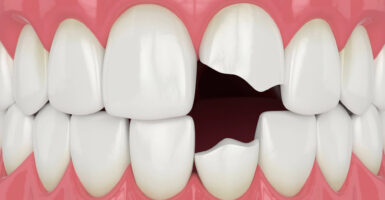
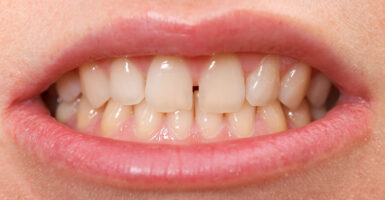
In cosmetic dentistry, they may be used to improve concerns such as:
- Tooth color
- Small chips
- Minor gaps
- Uneven edges
- Tooth shape
- Mild differences in size or symmetry
Traditional veneers are commonly created by an outside dental laboratory. That process often takes place across two or more appointments.
With a chairside CAD/CAM system, a cosmetic dentist can scan the teeth, design a dental veneer digitally, mill it from a block of ceramic material, check its fit and appearance, and bond it without waiting several weeks for an outside laboratory.
A CEREC milling machine is one of the best-known chairside CAD/CAM systems. However, not every dental office offers CEREC, and not every dental veneer case is suitable for a same-day workflow.
Difference Between a Dental Veneer and a Crown
Veneers and crowns serve different purposes.
A crown covers most of the top or all of the visible tooth and may be recommended when more tooth structure needs support, while a veneer is meant to improve smile aesthetics and should not be used for critical support.
The right option depends on the condition of the tooth, the amount of healthy structure remaining, the bite, and the changes the patient wants to make.
How Does CEREC Create Same-Day Veneers?
CEREC uses digital scanning, computer-aided design, and in-office milling to create certain ceramic restorations without sending physical impressions to an outside laboratory.
A CEREC veneer workflow may include:
- A small intraoral camera scans the teeth to create a digital 3D model.
- The dentist designs the veneer on a computer.
- A milling unit shapes the veneer from a solid ceramic block.
- The veneer being finished, tried in, adjusted, and permanently bonded.
The ceramics used with CEREC are tooth-colored materials designed for dental restorations and everyday function.
Note: “Chairside” does not necessarily mean “temporary.” It means the design and fabrication take place in the dental office rather than at an outside laboratory.
CEREC may also be used to create crowns, inlays, and onlays. Each restoration has a different purpose, and suitability depends on the health and structure of the tooth.
How the Same Day Veneer Process Works
For patients treated with chairside CAD/CAM technology, same-day veneers typically follow a streamlined digital workflow. While the exact process varies by practice, it generally includes the following steps.
Step 1: Review Your Smile and Goals
The dentist evaluates your teeth, gums, bite, and cosmetic goals to determine whether same-day veneers are an appropriate option.
Step 2: Prepare the Tooth
When needed, the tooth is numbed and shaped as conservatively as possible to support the veneer. The amount of preparation depends on the position and color of the tooth, the planned thickness of the veneer, and the desired cosmetic change.
Step 3: Scan the Teeth Digitally
A digital scan is used to create a 3D model, allowing the restoration to be designed on a computer.
Step 4: Design the Veneer
The veneer is designed on-screen so its shape, length, contours, contact points, and position within the bite can be reviewed before it is created.
Step 5: Mill and Finish the Veneer
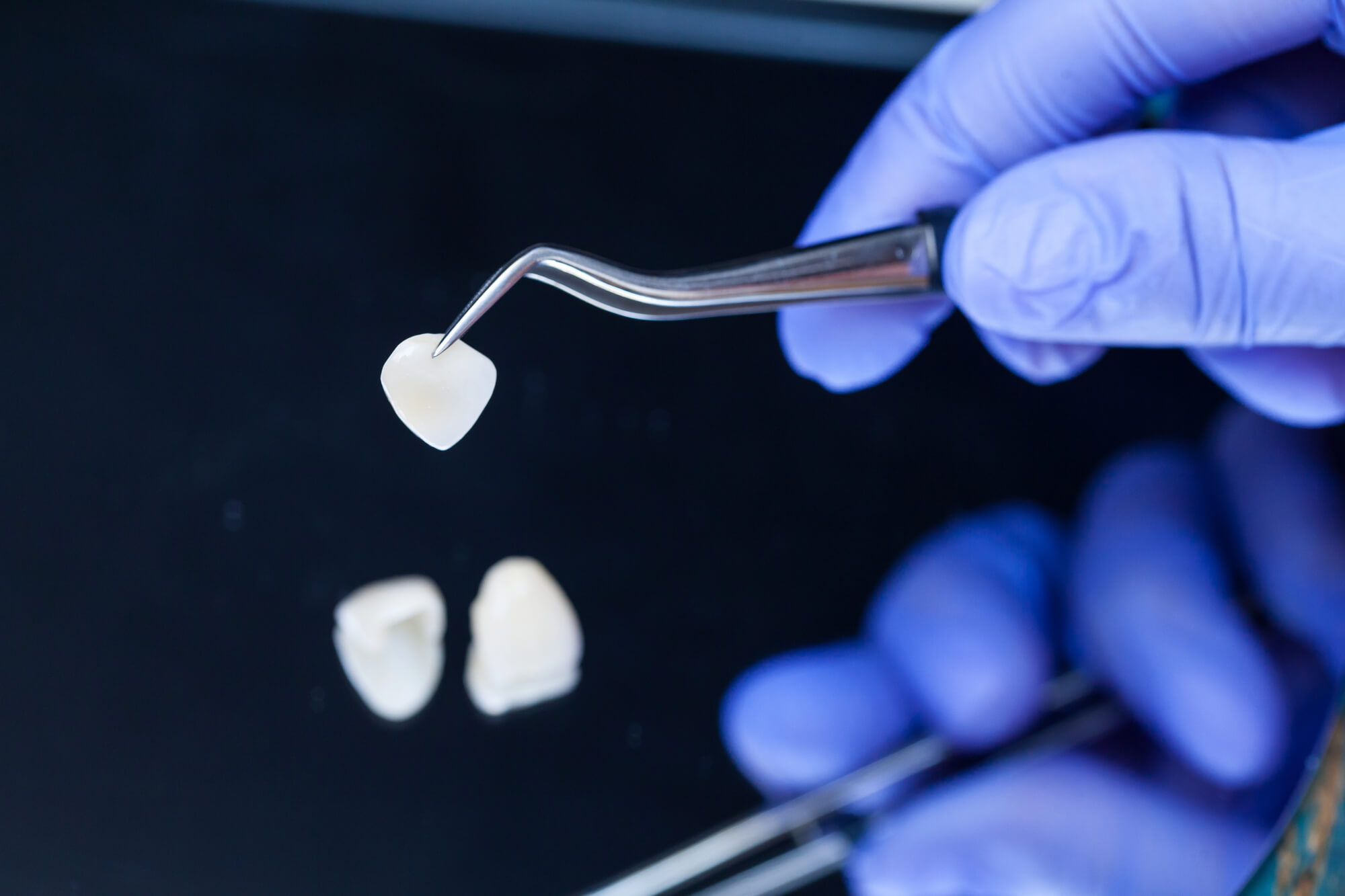
A milling unit shapes the chairside veneer from a ceramic block. The veneer is then refined and customized for shade, translucency, surface texture, and overall appearance.
Step 6: Check the Fit and Bite
The veneer is placed temporarily so the dentist can evaluate its fit, appearance, and relationship with the bite. Adjustments may be made before the veneer is permanently attached.
Step 7: Bond and Polish the Veneer
Once the veneer looks and feels appropriate, it is bonded and polished. The dentist checks the bite again and provides instructions for caring for the veneer after treatment.
Are Same-Day Veneers Strong and Long-Lasting?
It’s easy to hear “same day veneers” and picture something thin, plastic, or temporary. In reality, the “same day” part comes from the technology and workflow, not from skipping steps that help protect the teeth.
CEREC systems allow dentists to design and create certain restorations on-site using established dental ceramics and bonding techniques. Instead of waiting while impressions or digital files move between a dental office and laboratory, the veneer may be designed, adjusted, and finished in one location, which is why they are also referred to as “chairside” veneers, even if they’re not always “same day.”
When they are carefully planned, bonded, and maintained, same-day ceramic veneers may provide durable results for appropriately selected patients.
However, no dental restoration should be considered permanent. Longevity varies based on several factors.
- Material Choice: Dental ceramics are selected based on appearance, strength, available space, and the location of the restoration.
- Healthy Enamel: Preserving healthy enamel may support stronger and more predictable bonding. A tooth with extensive fillings, decay, cracks, or enamel loss may require a different type of restoration.
- Bite Forces: Grinding, clenching, an edge-to-edge bite, or uneven contact may increase the chance of wear, loosening, or chipping.
- Bonding Technique: Careful moisture control, surface preparation, bonding, and bite adjustment all affect the final result.
- Ongoing Care: Daily brushing, flossing, regular dental visits, and a night guard when recommended may help protect the veneers and the teeth beneath them.
Digital planning may support conservative treatment in appropriate cases, but technology does not replace careful diagnosis, case selection, and clinical technique.
Laboratory-crafted porcelain veneers remain the gold standard for many cosmetic dentists because experienced dental technicians can create highly individualized restorations with exceptional translucency, characterization, and esthetics.
Same-Day Veneers vs. Traditional Veneers
Traditional lab-made porcelain veneers can produce beautiful results, but they often involve multiple visits and a temporary phase while the final veneers are created.
While same-day workflows can be appropriate in selected situations, experienced doctors, like the 4M team, generally recommend laboratory-crafted veneers because they provide greater flexibility for smile design, characterization, fit, and final esthetic refinement.
In a traditional laboratory workflow, a patient may:
- Come in for preparation, impressions, or digital scans, and temporary veneers when needed.
- Wait while the dental laboratory creates the final veneers.
- Return for a try-in, bonding, and any necessary adjustments.
- Schedule an additional visit if further refinement is needed.
Each additional visit may mean arranging childcare, taking time off work, driving to the office, or managing temporary veneers between appointments. For some patients, a same-day workflow may reduce that disruption by concentrating treatment into one extended visit.
| Consideration | Traditional Lab-Made Veneers | Same Day CAD/CAM Veneers |
| Number of visits | Often two or more appointments | May be completed during one extended appointment |
| Temporary veneers | Required while the final veneers are created | Sometimes unnecessary in suitable cases |
| Design and fabrication | Completed with support from a dental laboratory | Completed in-office with digital design and milling |
| Adjustments | May involve coordination with the laboratory | Some adjustments can be made during the visit |
| Customization | May be preferred for complex layering, shade matching, or characterization | May work well for selected cases suited to chairside ceramics |
| Availability | Offered by many cosmetic dental practices | Depends on the technology and services available at the practice |
Traditional laboratory-crafted veneers remain the preferred choice for many cosmetic dentists, particularly for patients seeking the highest level of esthetics. Working with an experienced dental laboratory allows for greater customization of shade, translucency, texture, and overall smile design. It also provides the opportunity to evaluate and refine the proposed smile before the final restorations are completed.
Same-day or chairside veneers may be appropriate in selected situations when reducing the number of appointments is a priority.
Who Is a Good Candidate for Same-Day Veneers?
Same-day veneers may be a helpful option for patients whose natural teeth are healthy enough to support them.
Candidacy depends less on how quickly someone wants results and more on gum health, remaining tooth structure, bite, cosmetic goals, and habits such as grinding or clenching.
You May Be a Candidate If
Same-day veneers may be appropriate when:
- The gums are healthy, and oral hygiene is good.
- There is no untreated tooth decay.
- The concerns involve tooth color, small chips, minor gaps, uneven edges, or tooth shape.
- There is enough healthy tooth enamel to support bonding.
- The bite can support the planned veneers.
- Grinding or clenching is controlled or managed with a protective appliance.
- The desired result can be achieved with the available ceramic and chairside workflow.
Same-Day Veneers May Not Be the Right Option If
Another treatment or preliminary care may be more appropriate when there is:
- Untreated tooth decay
- Active gum disease
- Significant tooth enamel loss
- Severe or uncontrolled grinding
- Major bite problems
- Extremely worn, cracked, or heavily damaged teeth
- A need for extensive shade matching or a staged smile design
Veneer treatment may require a small amount of enamel removal, which can make the process irreversible.
Like other ceramic restorations, veneers can also chip, loosen, or eventually need replacement.
In some cases, underlying concerns can be treated first, so veneers or another ceramic restoration may become an option later.
When Missing or Failing Teeth Need a Different Solution
Veneers improve the appearance of natural teeth that are healthy enough to support them. They are not designed to replace teeth that are missing, failing, or too damaged to restore predictably.
When several teeth are affected, the better conversation may involve crowns, implant-supported teeth, or a more complete restorative plan.
For eligible patients, 4M Dental Implant Center’s 4M Smile in 24 treatment uses dental implants to support a new set of teeth after a single visit. Patients receive a customized healing set on the day of implant placement, allowing them to leave with teeth while the implants heal and integrate with the jawbone. After healing, the temporary set is replaced with the final teeth.
The 4M Smile in 24 serves a different purpose from veneers, but both approaches depend on careful planning, coordinated treatment, and choosing the right solution for the patient’s long-term needs.
A dental examination can help determine whether veneers, crowns, implant-supported teeth, or another option makes the most sense for your smile.
What Are the Benefits of Same-Day Veneers?
For suitable patients, the main benefits of same-day veneers are convenience, digital precision, and fewer treatment visits.
A thoughtful digital workflow may also support customized, natural-looking results by helping the dentist:
- Choose tooth shapes that suit the face and smile line.
- Adjust length, contour, and surface texture.
- Fine-tune shade and translucency.
- Use digital previews or mock-ups before permanent treatment.
Because design, fabrication, and placement may be coordinated in one location, patients may spend less time in temporary veneers and make fewer trips to the dental office.
Other potential benefits include:
- Digital impressions instead of traditional impression trays
- In-office design and fabrication
- The ability to make certain adjustments during the visit
- Greater coordination between planning, fabrication, and placement
- Less time away from work, family, or daily responsibilities
These benefits should still be weighed against expected longevity, maintenance needs, bite considerations, and the complexity of the cosmetic result.
Although convenience is one benefit, our doctors generally place greater value on achieving the most natural and long-lasting esthetic result than completing treatment in fewer visits.
For more complex cases, such as a full smile makeover or major bite changes, a staged plan may still be recommended. This can allow the patient and dentist to evaluate proposed changes before everything is finalized.
Common Questions About Same-Day Veneers
Before choosing cosmetic treatment, it is normal to have practical questions about comfort, appearance, maintenance, cost, and future care.
Will this hurt more than regular dental work?
The tooth is usually numbed before preparation. A patient may feel pressure or vibration during treatment, and temporary sensitivity can occur afterward. The dentist can explain what to expect based on the specific treatment plan.
Will my new teeth look fake?
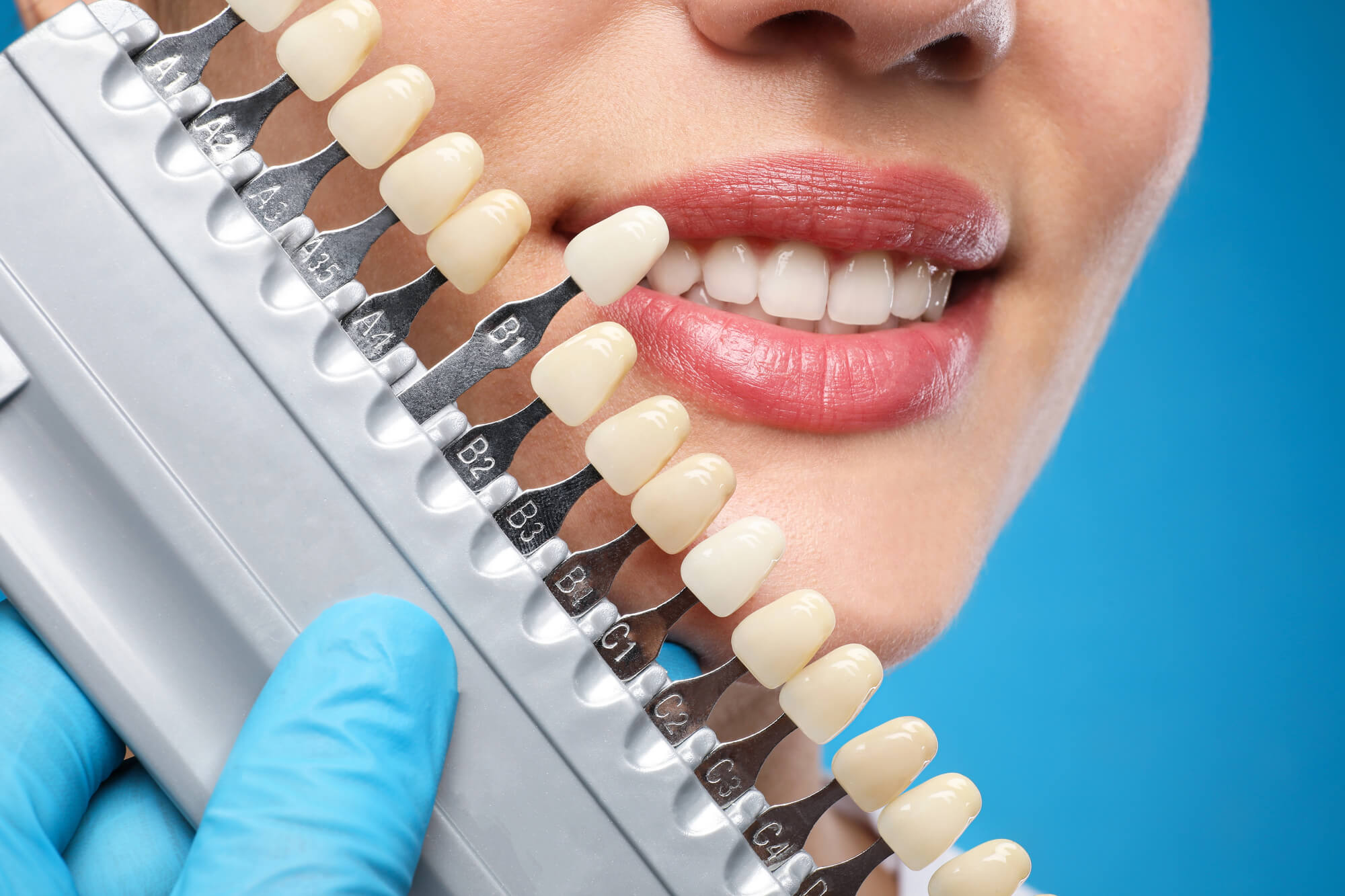
Careful planning of shape, color, translucency, and surface texture helps a restoration blend with the smile. The goal is usually to create a natural-looking improvement rather than an overly uniform appearance.
Can I whiten my teeth later?
Natural teeth may respond to whitening, but ceramic restorations do not change color in the same way. For that reason, whitening is often considered before the final veneer shade is selected.
How much do same-day veneers cost?
The cost depends on the number of veneers, the ceramic used, the complexity of treatment, and whether other dental care is needed first. Because veneers are often considered cosmetic dentistry work, insurance may provide limited coverage or no coverage.
A consultation can provide a personalized estimate and explain any payment or financing options that may be available.
What happens if I chip a veneer?
Minor surface issues may sometimes be polished or repaired, while more significant damage may require replacement. The appropriate solution depends on the location and extent of the damage.
Can I add more veneers later?
Digital records may make it easier to plan future restorations that coordinate with existing dental work. However, matching older ceramic restorations may still require careful shade and material selection.
Are same-day veneers better than traditional veneers?
Not necessarily. While same-day veneers may reduce the number of appointments, many cosmetic dentists, including the doctors at 4M Dental Implant Center, continue to prefer laboratory-crafted porcelain veneers because they offer greater customization, more precise shade matching, and the opportunity to evaluate the smile before the restorations are finalized.
Can veneers really be completed in one day?
In selected cases, a dentist with chairside CAD/CAM technology may be able to prepare, design, mill, and bond veneers during one extended appointment. A separate consultation, examination, imaging appointment, or planning visit may still be needed beforehand. At 4M Dental Implant Center, we generally recommend laboratory-crafted restorations rather than same-day veneers for patients seeking the highest level of cosmetic results.
Explore the Right Option for Your Smile With 4M Dental Implant Center
Choosing how to restore or improve your smile is a meaningful decision, especially when balancing appearance, comfort, time, and budget.
While reading about same-day veneers and CEREC provides a useful starting point, the right recommendation will always depend on your teeth, gums, bite, oral health, and personal goals. Same day veneers can be completed in 2-4 hours and require less tooth enamel removal than traditional options, with minimal enamel removal needed to prepare the tooth for placement. Traditional veneers, by comparison, require at least two appointments over 2 to 4 weeks.
During a consultation, the dental team can evaluate the condition of your teeth and gums, review your bite, discuss what you would like to change, and explain which available treatment options may be appropriate.
At 4M Dental Implant Center, you can discuss your concerns, review your smile goals, and receive a clear explanation of the treatment options currently available. Depending on your needs, those options may include veneers, crowns, implant-supported teeth, or a staged treatment plan. When researching any provider for a procedure like this, it helps to check for advanced training in cosmetic dentistry, request to see before and after photos of previous cases, and read patient reviews to gauge provider satisfaction before committing to a treatment plan.
If you are ready to stop wondering and receive a realistic, personalized plan for your smile, scheduling a consultation is a practical next step.
Dr. Sean Mohtashami is a leader in dental implantology with over two decades of experience in full-mouth restoration and cosmetic dentistry. A graduate of the USC School of Dentistry, he was among the first dentists in the Las Vegas Valley to offer the All-on-4 procedure and is recognized as a Top 100 Implant Surgeon worldwide.