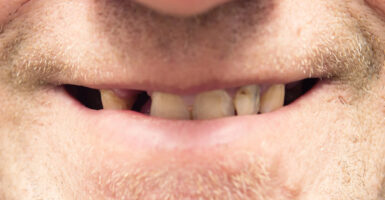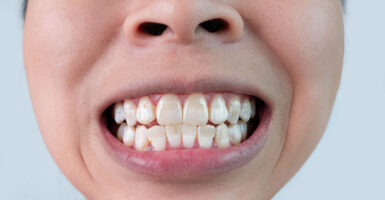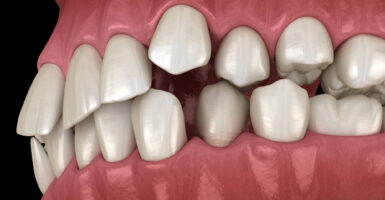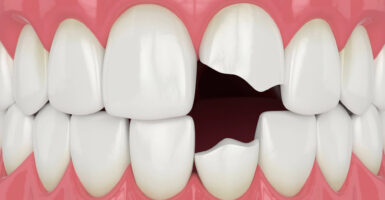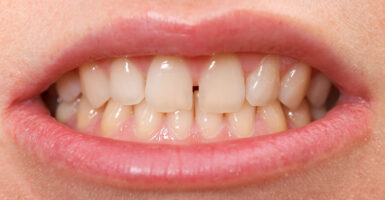
Maybe you have spent years noticing the same things in the mirror: worn edges, stains that whitening never fully improves, small chips, or gaps that make you second-guess your smile in photos.
Now you are researching porcelain veneers and encountering a different frustration: plenty of polished before-and-after pictures, but not many clear answers about what dental veneers actually are, what happens to your natural teeth, what treatment costs, and how long the results may last.
This guide explains what porcelain veneers are, who may be a good candidate, how the cosmetic procedure works, what affects the cost, how long porcelain veneers typically last, and the long-term expectations for your oral health and smile.
What Are Porcelain Veneers?
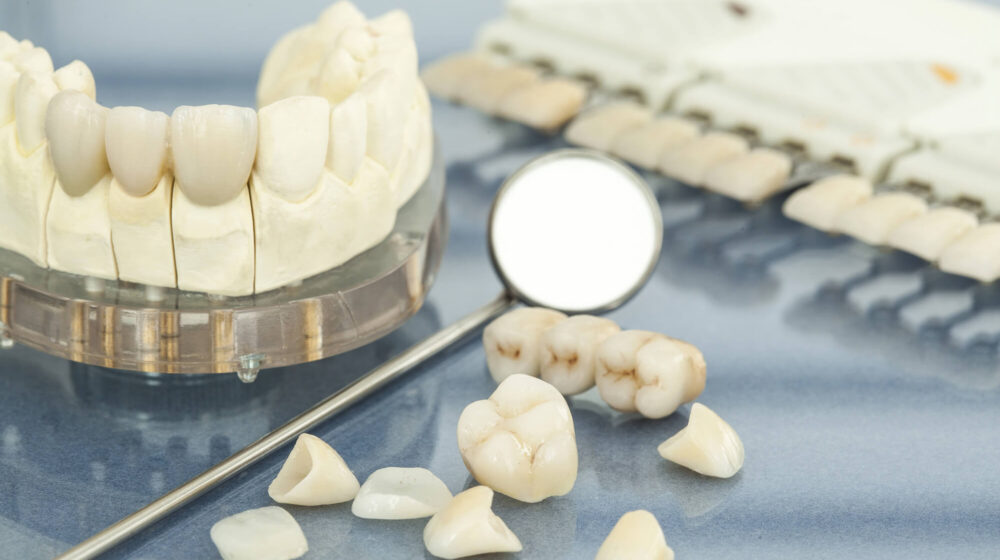
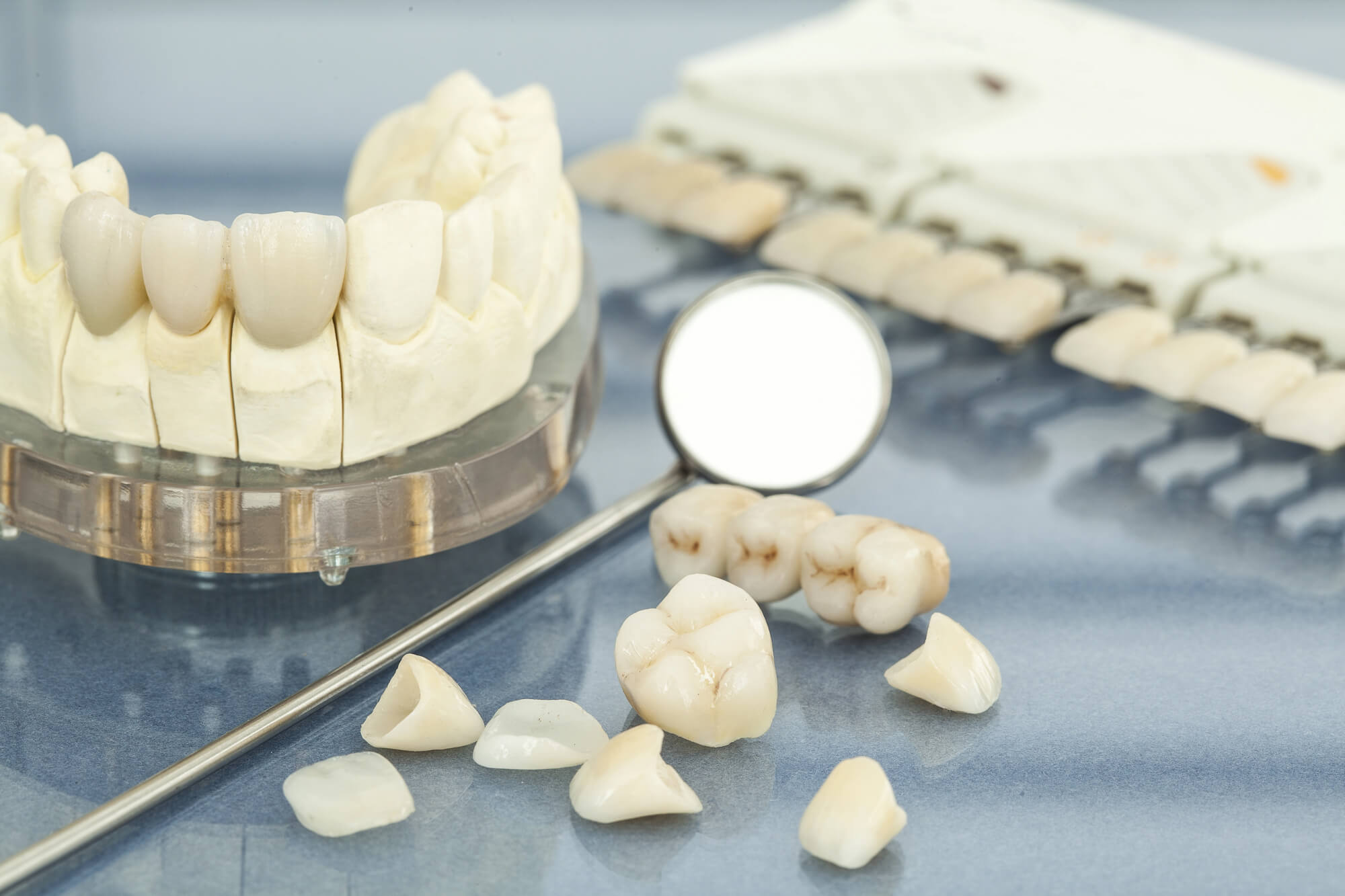
Porcelain dental veneers are thin, custom-made ceramic shells bonded to the front surfaces of selected teeth. They are designed to change the appearance of the teeth that show when you smile, speak, and laugh.
In one treatment plan, these may be used to adjust:
- Tooth color
- Shape
- Length
- Width
- Symmetry
- The appearance of minor spacing
- The appearance of mild irregularities or misalignment
Dental veneers are commonly considered a cosmetic dental procedure for deep discoloration, small chips, worn or uneven edges, slight gaps, or teeth that appear short or irregular.
Not a Solution for All Dental Problems
However, veneers are not a solution for every concern.
Several dental problems require long-term solutions before cosmetic dentistry restorations can be considered, such as:
- Severe crowding
- Significant bite problems
- Active tooth decay
- Gum disease
- Structurally weak teeth
It is helpful to think of them as one option within a broader smile transformation plan.
They may be appropriate when several cosmetic issues or concerns need to be addressed together. A more conservative option may be preferable when whitening, bonding, or orthodontics can achieve the desired result without removing healthy natural tooth enamel.
Should Be Part of a Broader Smile Transformation Plan
Good veneer planning considers your face, lip position, smile line, tooth proportions, bite, and natural shade matching, not simply the brightest option on a shade guide.
At 4M Dental Implant Center, a smile transformation goes beyond selecting a tooth color or copying a photograph.
Our doctors evaluate your teeth, gums, bite, facial proportions, existing dental work, habits, and long-term goals before recommending treatment. That evaluation helps us determine not only when veneers are appropriate, but also when whitening, dental bonding, orthodontics, dental crowns, or another treatment may better protect your natural teeth.
Who Is a Good Candidate for Porcelain Veneers?
Dental veneers may be appropriate when your teeth and gums are healthy, but the color, shape, size, or symmetry of your teeth does not match your goals.
You may be a good candidate if you have:
- Deep discoloration that does not respond adequately to whitening
- Slightly chipped teeth, worn edges, minor gaps, or uneven tooth shapes
- Several cosmetic concerns that you would like to address together
- Enough healthy enamel for predictable bonding
- A reasonably stable bite
- Grinding or clenching that can be controlled
- Realistic expectations about the result
- An understanding that treatment is generally irreversible, and you may eventually need replacements
Veneers may be less appropriate when there is:
- Active tooth decay or untreated gum disease
- Very limited enamel
- Severe crowding or significant bite instability
- Uncontrolled grinding or clenching
- Weak or heavily restored teeth that may require crowns
- Expectations that cannot be achieved safely or predictably
In some situations, orthodontics, periodontal treatment, restorative care, or bite management may need to come first before cosmetic dentistry alone.
A thorough consultation should distinguish cosmetic concerns, such as color, shape, and symmetry, from functional concerns such as jaw discomfort, heavy tooth wear, grinding, or difficulty chewing.
At 4M Dental Implant Center, our first priority is determining whether porcelain veneers belong in your treatment plan at all. When another treatment could provide a healthier or more conservative result, our team will explain those options as part of your consultation.
Schedule Your Free Consultation
Porcelain Veneers vs. Composite Veneers, Bonding, Crowns, Whitening, and Orthodontics
Porcelain veneers are one of several ways to improve a smile. The right option depends on whether the primary concern involves tooth color, shape, position, strength, or a combination of factors.
| Treatment | Often Considered For | Effect on Natural Teeth | Longevity Considerations | Important Limitation |
| Porcelain veneers | Multiple concerns involving color, shape, size, wear, symmetry, or small gaps | Usually requires some enamel removal | Often lasts 10–15 years or longer with appropriate care | Irreversible and may eventually require replacement |
| Composite veneers | Lower initial cost, and can be done in one appointment. Tooth-colored resin approaches a natural look | Minimal tooth preparation or enamel removal needed | Last only 5 to 7 years, stain and wear easily | Must be replaced frequently and can represent a higher long-term cost |
| Dental bonding | Small chips, minor gaps, edge repairs, or limited shape changes | Usually requires minimal or no enamel removal | Commonly has a shorter lifespan than porcelain | More prone to staining, wear, and chipping |
| Teeth whitening | Healthy, natural teeth affected primarily by discoloration | Does not alter tooth structure | Results vary and usually require maintenance | Does not change tooth shape, spacing, wear, or existing restorations |
| Dental crowns | Teeth weakened by fractures, decay, large fillings, or major structural damage | Covers and reshapes more of the tooth | Can provide long-term restoration with appropriate care | Requires more tooth reduction than a veneer |
| Clear aligners or braces | Crowding, rotations, spacing, or bite concerns caused by tooth position | Moves the natural teeth without cosmetic preparation | Changes the tooth position rather than covering the teeth | Requires treatment time and does not correct every color or shape concern |
In some cases, the most conservative plan combines treatments.
For example, a patient may complete orthodontic treatment first, whiten the natural teeth, and then use fewer veneers or bonded restorations to refine shape and symmetry. This approach may reduce unnecessary tooth preparation while creating a more balanced result.
How Porcelain Veneers Are Made and Bonded
The long-term performance of porcelain veneers depends on two closely connected factors: the ceramic restoration itself and the quality of the bond, or cementation, between the veneer and the tooth.
Together, those two factors and the underlying tooth structure function as one restored unit.
Modern dental ceramics are strong while remaining translucent enough to imitate the way natural tooth enamel reflects and transmits light. Some veneers are layered by hand for detailed characterization, while others may be pressed or digitally milled for strength and consistency in a dental lab.
The appropriate material and technique depend on factors such as:
- The color of the underlying tooth
- The amount of available enamel
- The desired degree of translucency
- The patient’s bite
- The position of the tooth
- The number of teeth being restored
- The overall treatment plan
The bonding process is just as important as the ceramic.
After the tooth has been prepared, the surface is conditioned, dental adhesives are applied, the internal surface of the veneer is treated, and the restoration is bonded into position.
Veneers generally achieve their strongest and most predictable bond when most of the bonding surface remains in enamel.
Complications may be more likely when little enamel remains, heavy grinding is not controlled, moisture affects the cementation process, or the bite places excessive stress on the restoration.
For these reasons, 4M dentists aim to preserve as much healthy enamel as the case allows. A protective night guard may also be recommended for patients who clench or grind their teeth.

Porcelain Veneer Procedure: Step by Step
Most porcelain veneer cases are completed over two or three visits. The exact timeline depends on the number of teeth being treated, the complexity of the case, the laboratory process, and whether any preliminary dental care is needed.
1. Consultation and Smile Planning
Your dentist evaluates your teeth, gums, enamel, bite, and existing dental work while discussing what you would like to change.
Photographs, X-rays, digital scans, or dental impressions may be taken to determine whether veneers are appropriate and to plan the shape, size, shade, and position of the restorations.
When appropriate, digital smile-design tools or mock-ups may be used to preview the proposed result. These tools can improve communication and help guide treatment, but they do not guarantee that the final porcelain shells will look identical in every detail.
2. Tooth Preparation and Temporary Veneers
Local anesthesia or full sedation may be used to keep you comfortable. A conservative amount of enamel is removed from the front or edge of each selected tooth. The amount depends on the tooth position, the desired result, the ceramic material, and the needs of the case.
Digital scans or impressions are then taken so the final veneers can be fabricated.
Temporary ones may be placed to protect the prepared teeth and provide a working preview of the proposed smile. They can also help you and your dentist evaluate tooth length, shape, comfort, speech, and bite before the final restorations are completed.
3. Try-In and Final Bonding
When the custom veneers are ready, your dentist evaluates their fit, shape, shade, and effect on your bite.
Minor adjustments may be made before the porcelain is permanently bonded to the tooth.
After placement, some patients experience mild sensitivity or gum tenderness for a few days. A follow-up visit may be recommended to check the bite, gum response, and overall comfort.
How Much Do Porcelain Veneers Cost?
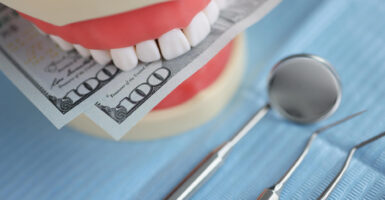
Porcelain veneers can commonly cost approximately $1,000 to $2,000 per tooth, although these figures are broad estimates, not a quote for treatment. Actual fees may be lower or higher depending on the patient’s needs and treatment plan.
Factors that can affect the cost of porcelain veneers include:
- The number of teeth being treated
- The complexity of the smile design
- The condition and color of the underlying teeth
- The ceramic material selected
- Dental laboratory requirements
- Bite or grinding concerns
- The need for preliminary dental treatment
- Whether mock-ups or temporary veneers are required
- Whether a protective night guard is recommended
When comparing porcelain veneer prices, focus on the full scope of treatment rather than the advertised cost per tooth alone. A complete estimate may include:
- Consultation and examination
- Necessary photographs, dental imaging, or impressions
- Smile planning or mock-ups
- Tooth preparation
- Temporary shells
- Final bonding
- Follow-up visits
- Necessary adjustments
- A protective mouth guard when clinically indicated
Because veneers are generally considered an elective cosmetic treatment, dental insurance may provide little or no coverage.
Financing options may help eligible patients spread the cost of porcelain veneers treatment over time. Your 4M treatment coordinator can explain the payment and financing options currently available and help you understand the estimated cost of your proposed treatment.
How Long Do Porcelain Veneers Last?
Porcelain veneers can remain successful for many years, but no dentist can promise an exact lifespan for an individual restoration.
Clinical research generally reports strong medium- and long-term outcomes when the treatment is carefully planned, the porcelain bonded primarily to enamel, protected from excessive bite forces, and maintained with proper dental hygiene.
Patients are often advised to plan for approximately 10 to 15 years of service, although some last longer and others require repair or replacement sooner.
Porcelain veneers should therefore be considered long-lasting rather than permanent for life.
If you receive veneers at a younger age, it is reasonable to expect that they may need to be replaced one or more times during your lifetime.
Several factors influence how long veneers last:
- The amount of enamel available for bonding
- The stability of the patient’s bite
- Whether grinding or clenching is controlled
- Daily brushing and flossing habits
- Regular dental examinations and cleanings
- Whether a protective night guard is worn when recommended
- Whether the patient avoids using the teeth as tools
Protecting and Caring for Porcelain Veneers
You should care for porcelain veneers much like natural teeth. Brush twice a day with a soft-bristled toothbrush, floss daily, and use a non-abrasive toothpaste. Continue attending regular dental examinations and professional cleanings so your dentist can monitor the veneers, supporting teeth, gums, and bite.
To reduce the risk of damage, avoid:
- Chewing ice
- Biting pens or fingernails
- Opening packages with your teeth
- Cracking hard foods with your front teeth
- Ignoring a recommended night guard if you clench or grind
Although porcelain veneers are designed to be durable, changes in how they look or feel should be checked promptly.
Contact your dentist if you notice any of the following:
- A chip or rough area
- Staining near the margin
- Persistent sensitivity
- Gum irritation or recession
- A change in your bite
- A veneer that feels loose
- Pain in the tooth beneath
Problems identified early may be easier to adjust, repair, or manage.
The Risks and Limitations of Porcelain Veneers
Porcelain veneers are a dental procedure, not simply a cosmetic accessory. Most cases require permanent alteration of the enamel. Once a tooth has been prepared, it will generally need a veneer or another restoration in the future.
Possible complications include:
- Temporary sensitivity
- Chipping
- Fracture
- Debonding
- Gum recession
- Staining near the margins
- Bite changes
- The eventual need for repair or replacement.
Additional dental treatment may also become necessary if the tooth beneath the ceramic later develops decay, inflammation, or another problem.
The likelihood of complications may be higher when enamel is limited, tooth decay or gum disease is untreated, grinding is uncontrolled, the bite is unstable, oral hygiene is poor, or the teeth are structurally weak.
These factors do not automatically rule out treatment. They mean that veneers should be recommended only after a careful examination and a clear discussion of the alternatives, limitations, and long-term maintenance requirements.
How to Choose the Right Porcelain Veneer Dentist
Porcelain veneer results depend on more than the ceramic material. The dentist must evaluate your oral health, preserve appropriate tooth structure, plan the smile, manage your bite, coordinate the laboratory work, and provide follow-up care.
When choosing a provider, look for:
- Experience with cases similar to yours
- A complete assessment of your teeth, gums, enamel, bite, and existing dental work
- Conservative treatment planning that considers whitening, bonding, orthodontics, or crowns when appropriate
- A clear preview and planning process
- Transparent explanations of risks, costs, maintenance, and replacement
- Defined follow-up care after treatment
Ask to see relevant before-and-after cases and make sure the dentist explains why veneers are being recommended, not only how the final smile may look.
A good consultation with an experienced cosmetic dentist should feel like a two-way clinical discussion rather than a sales presentation. You should leave understanding the proposed treatment, the alternatives, the irreversible aspects, and the expected long-term maintenance.
Get a Personalized Porcelain Veneer Plan at 4M Dental Implant Center
Porcelain veneers can create a natural-looking, long-lasting improvement, but the right treatment begins with a careful evaluation of your oral health, bite, enamel, existing dental work, and cosmetic goals.
At 4M Dental Implant Center, your consultation is designed to give you clear answers, and not pressure. Our team will determine whether veneers are appropriate, explain how many teeth may need treatment, discuss more conservative alternatives when relevant, and outline what you can expect from preparation to final placement, along with long-term care and cost.
The goal is to help you make a confident, informed decision based on what is healthiest and most predictable for your smile.
Schedule a porcelain veneer consultation at 4M Dental Implant Center to receive a personalized treatment plan and a clearer understanding of your options.
Schedule Your Free Consultation