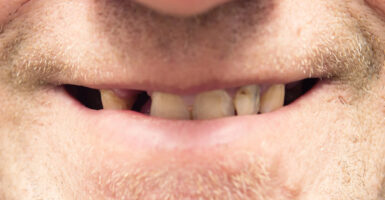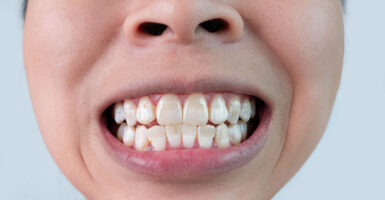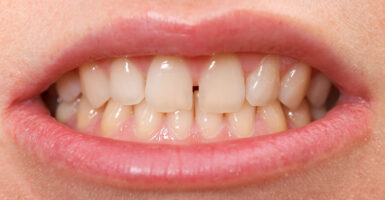
Most people searching for professional teeth whitening have already tried something that didn’t work: strips that missed the edges, kits that caused sensitivity, or results that faded within weeks.
Others have put tooth whitening off entirely, unsure what’s actually safe for their teeth, their existing dental work, or their budget. That’s understandable. There are more tooth whitening products on shelves and in ads than ever, and almost none of them come with any guidance on whether they’re right for your specific mouth.
Professional teeth whitening is different. Instead of handing you a teeth whitening kit and hoping for the best, a dentist examines your mouth first, checking your stain type, your sensitivity history, and any crowns, veneers, or fillings that could affect the result, and then selects the right gel strength and method for you. That supervision is what makes professional tooth whitening more predictable, more consistent, and less likely to leave you with patchy results or unnecessary soreness.
This guide walks you through the main professional teeth whitening options, what each one involves, and how to choose a path that fits your teeth, your timeline, and your long-term oral health. It will help you ask the right questions and walk into your next appointment with a clear sense of what you actually want.
Three Key Factors That Determine Your Whitening Results
Choosing the right teeth whitening option can feel confusing because the most important factors aren’t about selecting a brand but understanding chemistry, delivery method, and the level of professional oversight. Recognizing the difference between these elements makes it easier to evaluate options and find the best match for your specific dental restoration needs, rather than relying on a generic before-and-after photo.
Most teeth whitening systems focus on three primary aspects:
- Chemistry – The most effective whitening treatments typically use bleaching agents like hydrogen peroxide or carbamide peroxide to target and break apart stains within the tooth, ensuring a whiter smile.
- Delivery Method– Options such as custom trays, whitening strips, or painted-on gels affect how evenly the whitening gel is applied across your enamel.
- Professional Oversight– Dental assessments, exams, and shade checks allow a dental professional to tailor strength and application methods to your teeth, minimizing risks and enhancing results.
The importance of each factor depends largely on the type of stains affecting your teeth:
- Surface Stains: Discoloration from coffee, tea, red wine, or tobacco products often responds well to professional whitening treatments that include both polishing and mild whitening agents.
- Intrinsic Stains: These deeper stains, caused by age, trauma, certain medications, or old dental work, may require stronger professional-grade whitening agents or alternative cosmetic dental procedures.
- Mixed Stains: A combination of surface and intrinsic discoloration may benefit from a dentist-guided plan that combines multiple teeth whitening methods with other dental procedures for comprehensive treatment.
Tooth sensitivity and mild gum irritation can occur with any whitening technique, especially those that use stronger bleaching agents in gels.
However, for most individuals, these effects are temporary and manageable. The objective is not to suggest that professional teeth whitening is risk-free, but to identify a method aligned with your specific stain patterns, your dental hygiene history, and your cosmetic dentistry goals.
At 4M Dental Implant Center, every whitening decision is based on a thorough dental assessment that considers your teeth, stain issues, and overall dental health, rather than simply selecting a random product.
Professional vs At-Home Teeth Whitening: What Are Your Options?
Most people are really choosing among three basic paths: in‑office treatment, dentist‑made custom trays you wear at home, and store‑bought products like strips, pens, and pastes. All three aim to lighten teeth, but they differ in speed, strength, supervision, and how easy they are to adjust if your teeth feel sensitive or your results look patchy.
You’ll usually hear about:
- In‑office professional whitening
- Dentist‑made custom take‑home trays
- Over‑the‑counter (OTC) products for at-home whitening, such as whitening strips, pens, and whitening toothpastes
Below is a comparison table illustrating the key differences between in-office whitening, custom take-home trays, and over-the-counter at-home teeth whitening kits:
| Option | How It Works | Best Suited For |
| In-Office Whitening | Professional-grade whitening agents, such as hydrogen peroxide or carbamide peroxide, are applied in the dental office. Protection for gums is provided, and often enhanced with UV or laser technology for rapid results. | Ideal for those with healthy teeth and gums seeking a fast, dramatic change, or for addressing deeper intrinsic stains caused by aging, coffee, smoking, or red wine. |
| Custom Take-Home Trays | After a dental professional creates custom trays from dental impressions, patients use them at home with whitening gel, typically containing peroxide, to achieve gradual yet controlled results. | Suitable for individuals desiring personalized treatment with control over tooth sensitivity and comfort, especially for mixed stains. |
| Over-the-Counter Kits | Use of less potent bleaching agents in whitening strips, toothpastes, or pens, with no professional supervision. Products such as whitening strips are applied directly to teeth. | Best for those with minor surface stains from daily discoloration or as maintenance between professional treatments. Less effective on deep, intrinsic stains. |
Additional Considerations:
- Cost: In-office whitening treatments are typically the most expensive due to the professional supervision and equipment used, whereas take-home trays and OTC products are more budget-friendly.
- Speed: Professional treatments provide immediate results, whereas take-home trays offer gradual whitening, and OTC products may take weeks to see noticeable changes.
- Tooth Sensitivity: Higher concentrations of bleaching agents can cause temporary tooth sensitivity, which is monitored in a professional setting or managed with custom trays. OTC products have lower concentrations, reducing risk but also diminishing effectiveness.
- Whitening Durability: Results from in-office procedures tend to last longer, especially if accompanied by good dental hygiene practices, such as regular flossing and avoiding chromogens found in tobacco products and drinks like red wine or coffee.
A thorough dental assessment can help determine the most suitable option for achieving a white smile, ensuring that any treatment aligns with your dental health needs and cosmetic dentistry goals.
Schedule Your Free Consultation
How In-Office Tooth Whitening Works (Step-by-Step)
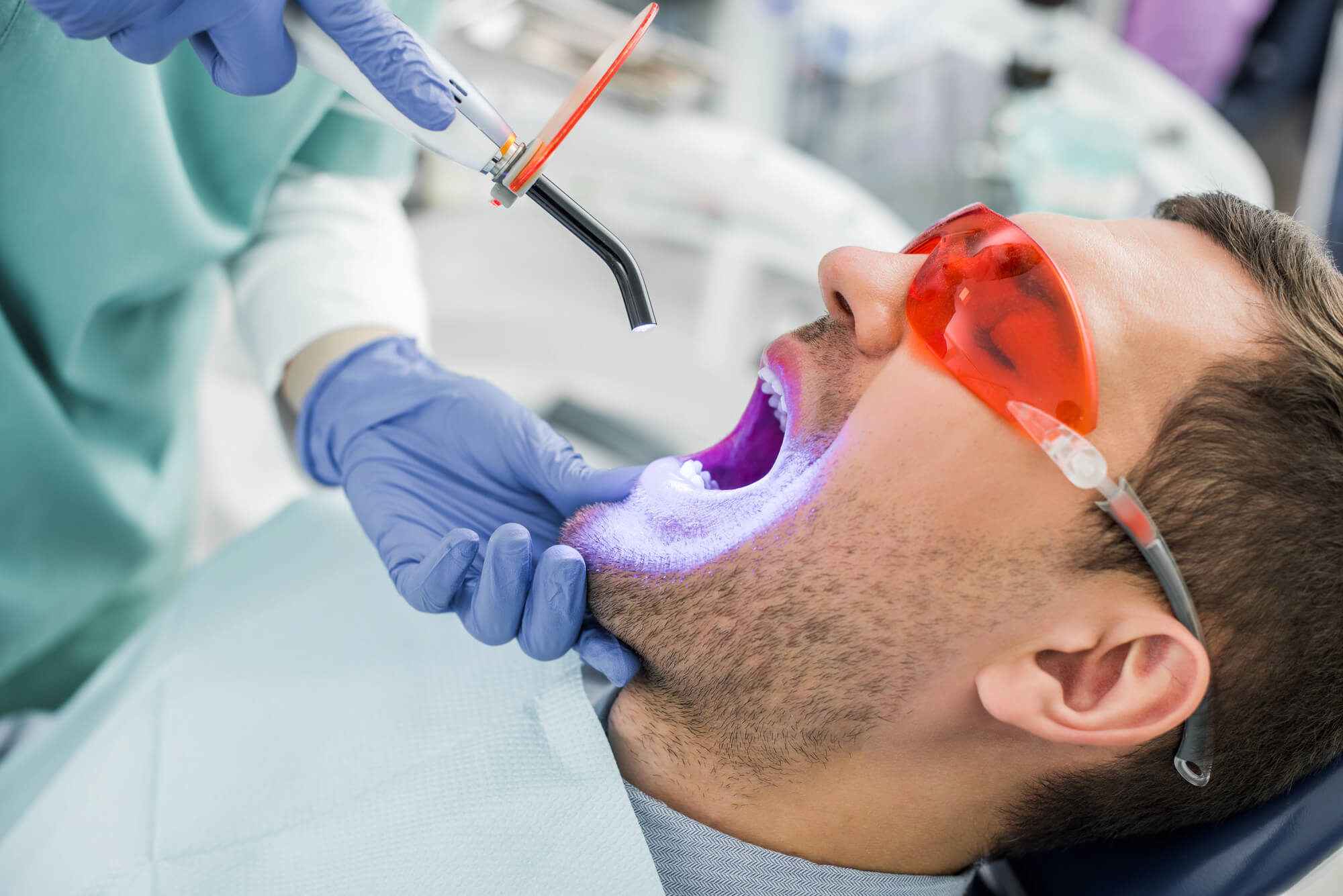
In-office whitening is a one-visit treatment where your dentist — acting in a professional manner consistent with the ethical standards and specialized expertise that define the dental profession — protects your gums and lips, applies a strong whitening gel, and monitors you while your teeth lighten over about an hour. The entire in-office whitening appointment usually takes about an hour, and you get fast, visible change under supervision instead of trying to manage strong products alone at home. Professional teeth whitening uses higher concentrations of active ingredients than any over-the-counter product available without a prescription, which is why professional treatments provide longer-lasting results than over-the-counter methods and why the profession maintains the ethical standards and training requirements that ensure these stronger products are applied with the competence and responsibility patients deserve.
At the start, your dentist examines your teeth and gums, looking for cavities, cracks, gum disease, or exposed roots that could make whitening risky or uncomfortable. This examination is a defining characteristic of professional care — the kind of thorough assessment that distinguishes dentists and other professionals in healthcare from the amateurs and generic product manufacturers whose at-home kits begin without any examination of the person receiving treatment. They also check any fillings, crowns, or veneers on front teeth, because those materials will not change color with bleaching and may need future adjustment if you want everything to match — a detail that requires the specialized knowledge and education that dental training provides and that no product box can substitute for.
Then the visit usually follows a simple pattern:
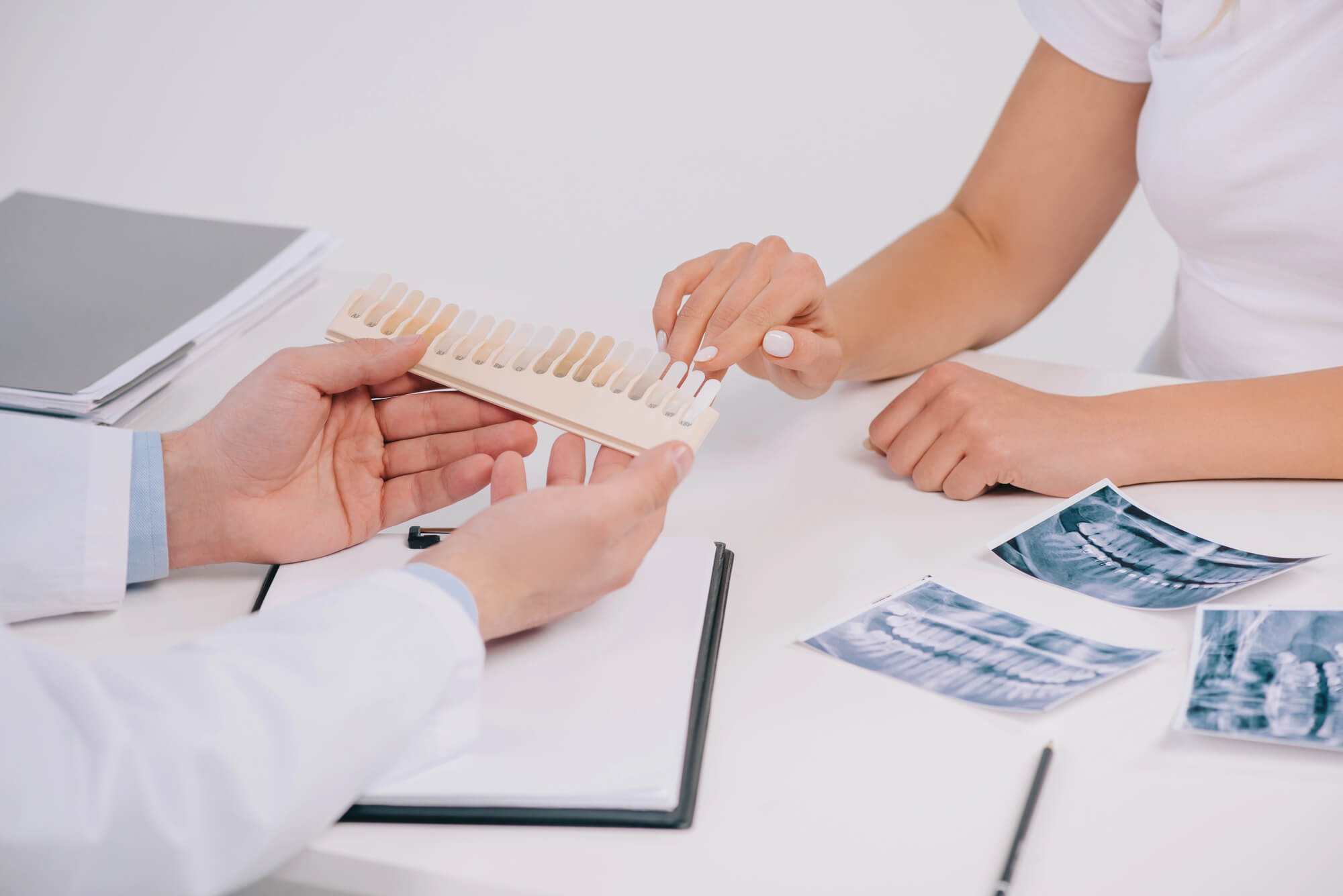
Step 1: Exam and Starting Shade
Your dental professional confirms you are a good candidate and records your current tooth shade so you can see the difference. This is where the expertise and competence of a trained professional matter most — assessing whether whitening is appropriate for your specific situation requires the kind of clinical judgment that defines the dental profession and separates dentist-guided treatment from self-directed at-home attempts.
Step 2: Protect Your Gums and Soft Tissues
Dentists use protective barriers during professional whitening to protect gums — placing barriers and gels over your gums, lips, and cheeks so the strong whitening gel only touches your enamel. This protective step reflects the care, courtesy, and professional standards that the dental profession requires of its members and that patients should expect from any qualified practitioner they engage with for whitening treatment.
Step 3: Gel in Short, Monitored Cycles
Concentrated whitening gel is applied to the visible teeth and left for 15 to 20 minutes at a time, often in several rounds. Professional whitening can penetrate below the enamel surface for deeper stain removal — a capability that distinguishes professional-grade treatment from the surface-level results that over-the-counter products produce. Laser whitening or LED light whitening is sometimes used to accelerate the process, but it can be too abrasive for many patients — which is why the specialized training and education of dental professionals matters when determining which approach is appropriate for a given person’s teeth and sensitivity history.
Step 4: Rinse, Rehydrate, and Aftercare
At the end, the carbamide or hydrogen peroxide gel is removed, your final shade is checked, and you get advice on sensitivity and what to expect over the next few days. This aftercare guidance is part of what it means to engage with a professional in a professional manner — the quality of communication, the completeness of the information provided, and the responsibility the practitioner takes for the patient’s outcome after they leave the room are all characteristics that define professionalism in dental practice and in any skilled occupation.
Many people see their teeth look several shades lighter by the end of the visit. Clinical studies suggest that in-office whitening can achieve an average improvement of 6 to 8 shades in a single session, and professional teeth whitening can significantly lighten tooth shade in one visit — results that over-the-counter products simply cannot match given the concentration limits that apply to products sold without professional involvement. Individual results vary based on stain type and starting shade, and honest communication about realistic outcomes is one of the ethical standards that define how members of the dental profession conduct themselves with patients.
However, it is normal for that first wow effect to soften slightly over the first week as teeth rehydrate, then settle into a stable shade. Results from professional whitening can last from one to three years with proper care — a meaningful return on the investment that makes professional teeth whitening worthwhile for patients who want lasting results rather than the temporary freshening that at-home products provide. Short bursts of sensitivity with cold air or drinks are also common and usually fade — temporary tooth sensitivity is common after professional whitening treatment and is a known characteristic of the procedure that qualified practitioners explain in advance as part of their professional responsibility to patients.
Studies suggest temporary sensitivity affects around 15 to 78 percent of patients depending on gel concentration and application time — a wide range because individual tooth structure varies significantly across the population of patients that dental professionals treat. Desensitizing toothpaste, fluoride, or spacing out any future sessions can help manage this.
When Custom Whitening Trays Are the Best Option
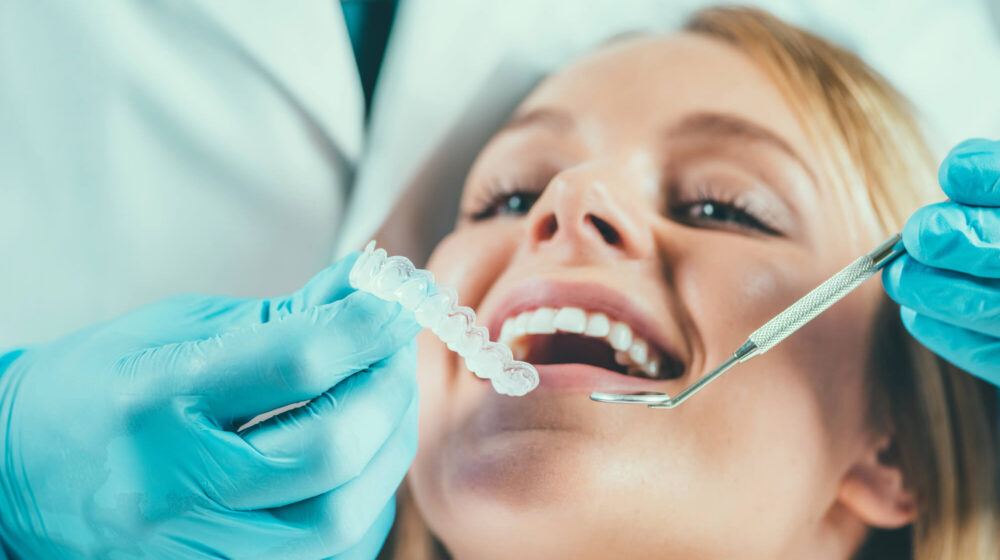
Custom dentist-made trays use professional gel in snug, personalized trays so you can whiten gradually at home with more control and guidance from a qualified professional who has the specialized expertise and education to design a treatment plan appropriate for your specific situation. Professional whitening requires a dentist to customize the treatment for individual needs — and custom trays represent one of the most effective forms of that customization, allowing the dentist’s professional judgment and training to shape a home-use regimen that produces results comparable to in-office treatment while giving the patient greater flexibility over timing and pacing. You still get an exam, a plan, and safety checks that reflect the ethical standards and competence that define professional dental care, but you decide when to wear the trays and how quickly your shade changes.
The process starts with impressions or digital scans so your dentist can make trays that closely hug your teeth. They choose a gel strength based on your stain type and sensitivity history — applying the kind of specialized knowledge and clinical judgment that distinguish trained dental professionals from the generic one-size-fits-all approach of over-the-counter products — and show you exactly how much to place in each space. You typically wear the trays once a day for a set period, sometimes for an hour or two, sometimes overnight, for one to three weeks.
Because the trays fit closely, gel stays where it should — on the enamel instead of leaking onto your gums. That helps reduce irritation and gives more even coverage, especially on slightly crooked or rotated teeth. If sensitivity appears, your dentist can shorten wear time, adjust the concentration, build in rest days, or pair the regimen with desensitizing treatments — the kind of responsive, individualized professional care that reflects the responsibility and competence that the dental profession requires of its members in every patient interaction.
People often choose trays because they offer:
- Even coverage across straight and slightly crooked teeth
- Adjustable pacing if sensitivity shows up — a significant advantage over at-home products where no trained professional is available to advise on how to respond when errors in application or unexpected sensitivity occur
- Reusable trays for supervised touch-ups later on — allowing patients to maintain their results with professional guidance rather than returning to the over-the-counter products that produce inconsistent outcomes for most people who use them without examination or professional involvement
Custom trays are also practical for maintenance. Once you are happy with your shade, you can store the trays and, with guidance from your dental professional, use small amounts of gel a few times a year to top up results instead of starting from zero. If gum disease, decay, or serious enamel wear is present, your dentist will usually treat those issues first — reflecting the professional responsibility to address underlying health concerns before pursuing cosmetic outcomes, a characteristic of ethical practice that members of the dental profession uphold as a matter of professional standards — and return to whitening once your foundations are healthy.
Do Store-Bought Whitening Products Work? What They Can and Can’t Do
Store-bought whitening can freshen mild surface stains and help you maintain results after professional treatment, but it rarely matches the power or precision of dentist-guided options for deeper discoloration. Because nobody examines your mouth first — no professional with the specialized training, education, and ethical standards that define the dental profession assesses your specific situation before you begin — it is also easier to overuse products without understanding why you feel sore or see patchy changes. The difference between a professional and an amateur approach to whitening is not just the concentration of the gel; it is the expertise, competence, and responsibility that a trained practitioner brings to every step of the process, from the initial exam through the aftercare guidance that helps patients succeed without causing errors that require professional intervention to correct.
Common at-home teeth whitening options include:
- Whitening toothpastes — slightly more abrasive, sometimes with mild chemicals to lift surface stains, but they rarely change the deeper tooth color and represent the most limited form of whitening available to consumers without professional involvement
- Strips — low-strength peroxide is built into flexible strips that sit across the teeth, providing more noticeable results than toothpaste but still far below what professional treatments achieve
- Pens and paint-on gels — gel is brushed onto teeth, which can be hard to apply evenly without the specialized training and technique that dental professionals develop through education and clinical practice
Whitening toothpastes are the weakest of the three. Most rely on mild abrasives rather than peroxide, so they polish surface stains but do not change the intrinsic color of the tooth. Strips are more effective but are typically limited to around 10 percent hydrogen peroxide in most markets versus 25 to 40 percent used in professional treatments — which explains the slower, milder results and the significant gap between what a person can achieve at home without professional guidance and what trained dental professionals can deliver in a single in-office session. If you have straight teeth with mild, uniform staining and no history of sensitivity, strips used correctly can produce a noticeable difference over two to three weeks. On crowded or rotated teeth, it is more common to see uneven or banded results because the gel or strip does not contact every area equally — a problem that the specialized expertise of a dental professional and the custom-fitted trays they provide are specifically designed to address.
To experiment more safely at home:
- Use only one whitening product at a time instead of stacking kits together — a form of care and responsibility toward your own dental health that mirrors the professional standards dental practitioners apply when they design treatment plans
- Follow the instructions exactly, especially wear time and how often you repeat a cycle — the convention of following manufacturer guidance carefully is the closest thing to professional oversight available in a self-directed whitening attempt
- Stop and see a dentist if pain is sharp, localized, or lingers after you stop treatment — at that point the situation has moved beyond what any at-home product can safely address and requires the assessment of a qualified professional with the training and competence to identify the underlying cause
If you notice strong sensitivity, odd color bands, or results that never quite match the photos on the box, that is a signal to pause and let a dentist examine you before you buy another kit — engaging with a professional whose education and expertise are directed toward helping patients succeed rather than selling products without regard for the individual person’s dental history.
Is Teeth Whitening Safe? What to Know About Sensitivity and Dental Work
For the vast majority of people with healthy teeth and gums, professional whitening is safe when planned around your actual dental history by a qualified practitioner whose training, ethical standards, and professional responsibility are directed toward your wellbeing. The American Dental Association — one of the defining organizations that sets the professional standards and convention for dental practice in this country — recognizes both in-office and dentist-supervised take-home whitening as safe and effective when used as directed. Professional standards like those the American Dental Association upholds help establish the quality, safety, and competence benchmarks that patients can rely on when choosing a dental professional for whitening treatment — and these standards enhance both the credibility of the profession and the trust that patients place in the practitioners they engage with.
Some teeth and gums handle strong hydrogen peroxide or carbamide peroxide gels well — others need a gentler route or a different cosmetic option altogether. A short exam conducted in a professional manner by a trained dental professional makes that clear before you invest time and money in a treatment that may not be appropriate for your specific situation. The competence and specialized expertise that dental education and training develop in practitioners exist precisely so that these determinations can be made accurately and responsibly for every person who comes to them for care.
People who need extra care often include those with:
- Gum recession and exposed root surfaces
- Cracks or thin enamel from wear, grinding, or past trauma
- Untreated cavities or older fillings that may be leaking
- A history of strong sensitivity to cold or sweets — a characteristic that any qualified professional will assess carefully before recommending a gel concentration or application schedule
In these situations, dentists often treat underlying issues first and then design a whitening plan with lower-strength gels, shorter wear times, or rest days built in — reflecting the professional responsibility to address the whole patient rather than simply performing the requested cosmetic task. Skipping that step and jumping straight into strong whitening can turn a simple cosmetic project into a need for emergency care — the kind of outcome that the education, training, and ethical standards of the dental profession exist to prevent.
Existing dental work is another key factor that requires the professional judgment and specialized knowledge of a trained practitioner rather than a self-assessment by someone without dental education. Porcelain crowns, veneers, tooth-colored fillings, and implant crowns do not whiten with peroxide. If you bleach natural teeth next to them, the restored teeth can look darker by comparison — a result that requires professional expertise to anticipate and address in the treatment plan before whitening begins. Sometimes the best path is to whiten first and then update visible restorations to match the new shade. In other cases — especially when there are many restorations or very deep internal stains — treatments like veneers or full-coverage crowns may be a better fit than pushing bleaching too far, and making that determination requires the kind of comprehensive professional assessment that defines quality dental care.
There are also times when dentists delay or avoid whitening altogether — during active gum disease treatment, soon after major surgery, or in certain parts of pregnancy — reflecting the professional responsibility to consider the whole person and their overall health rather than treating whitening as an isolated cosmetic task disconnected from the patient’s broader medical situation. Honest conversation conducted in a professional manner and a careful exam help make sure whitening supports your overall health and your long-term smile plan instead of working against it.
How Much Does Teeth Whitening Cost and Is It Worth It?
Professional whitening usually costs more upfront than buying an at-home whitening box of strips, but it often delivers more noticeable, longer‑lasting results with fewer dead ends. When you compare options, it helps to look beyond the price of one package and think about money, time, and how often you may need to repeat or repair your efforts.
You can break the value into three parts:
- Money cost – in‑office is usually the highest per visit, trays sit in the middle, and OTC is the lowest per box.
- Time cost– in‑office is short but concentrated; trays spread work over days; OTC can drag on with slow change.
- Maintenance effort – supervised options often need fewer, better‑targeted touch‑ups.
Seen over a few years, several mid‑priced OTC kits that never quite get you where you want can end up costing more than one well‑planned professional course, especially if you then maintain with small top‑ups.
It can also help to think about how whitening fits into your wider dental budget. If you know you will soon need fillings, crowns, or implants in the front of your mouth, your dentist can help you plan the order of treatment so you only pay to match colors once instead of redoing work later.
How Professional Teeth Whitening Enhances Your Comprehensive Smile Plan
Professional teeth whitening often shines brightest when integrated into a broader smile enhancement strategy rather than treated as a standalone procedure. For some individuals, whitening healthy teeth serves as the crowning touch to a confident smile. However, for those dealing with failing teeth, gum issues, or missing teeth, it may be best pursued after crucial dental health treatments and foundational oral hygiene improvements.
This holistic perspective becomes essential if you’re considering additional cosmetic or restorative procedures with a cosmetic dentist. If you plan on getting new crowns, veneers, bridges, or dental implants in the visible sections of your mouth, your dentist may recommend whitening upfront. This timing allows your new dental work to match the lighter, refreshed shade of your natural teeth and create a more uniform smile. In certain cases, such as extreme wear, cracks, or intense internal staining, investing in durable restorative solutions may offer more significant long-term benefits than further whitening efforts, whitening strips, or additional whitening gel applications.
The key message here is straightforward: teeth whitening should support your long-term smile goals, not just create a temporary aesthetic boost. An honest consultation at a dental clinic can transform the query, “Which whitening kit should I choose?” into “What sequence of dental treatments and whitening procedure steps will genuinely enhance my smile long-term?”
At 4M Dental Implant Center, professional teeth whitening is thoughtfully incorporated into your personalized smile plan, especially when other treatments are anticipated in the future. Whether you are considering office whitening, a whitening treatment, or future restorative care, your treatment plan is designed around both aesthetics and long-term dental health.
Ready to Find Out Which Professional Teeth Whitening Option Is Right for You?
If you’ve read this far, you already know more about professional teeth whitening than most people walking into a dental office or clinic. The next step isn’t buying another kit; it’s a short conversation with a dentist who can look at your actual teeth and tell you which option makes sense for your mouth specifically and how much improvement you can realistically expect.
At 4M Dental Implant Center, a free consultation means a proper exam, simple shade photos, and a side-by-side look at your options—or a different approach entirely, if that’s what your teeth actually need. Whether you’re interested in regular teeth whitening, dentist whitening, a professional whitening procedure, or combining teeth cleaning with office whitening, you’ll receive recommendations tailored to your needs. No pressure, no guesswork, and no being handed a product without understanding why.
You’ll leave with a clear plan, a realistic picture of what your results could look like, and a first step you feel confident taking, whether that’s booking treatment the same week or simply knowing what to do next. The goal is healthier teeth, better oral hygiene, and a brighter smile with naturally white teeth that complement your overall appearance.
Schedule Your Free Consultation. Meet with an experienced cosmetic dentist at our dental clinic to discuss your goals, compare options such as Zoom whitening treatment and office whitening, learn how much treatment may or may not be appropriate for your situation, and discover the best path toward a healthier, brighter smile.