• Skip to main content
  • Skip to footer

4M Dental

America's Premier Dental Implants | 4M Dental Implant Center

  • Home
  • Dental Implants
  • Cosmetic Dentistry
  • General Dentistry
  • Locations
    • Las Vegas, NV
    • Long Beach, CA
    • Newport Beach, CA
    • Anaheim Hills, CA
    • Murrieta, CA
    • Palm Desert, CA
    • Riverside, CA
    • Valencia, CA
    • San Diego, CA
    • Glendale, CA
  • Cost & Financing
  • Gallery
  • Destination
  • About
855-999-6088
Free Consultation

Uncategorized

How Bone Grafting Helps Restore Dental Implant Success

May 20, 2025 by 4M Dental Implants Leave a Comment

Bone grafting is a foundational step in many successful dental implant procedures due to certain deficiencies with the upper and lower jawbones. For patients with inadequate bone density or volume due to factors like tooth loss, gum disease, or jawbone deterioration, bone grafting plays a critical role in restoring the stable base needed for long-term implant success.

At 4M Dental Implant Center, we specialize in delivering advanced solutions—including bone grafting—to help patients restore their dental health and qualify for permanent implants, even in cases of significant bone loss.

This article explores what bone grafting is, why it’s necessary, and how it supports the journey toward a healthier smile.

What Is Bone Grafting?

Bone grafting is a specialized surgical procedure used to rebuild or augment bone in the jaw, particularly in areas where bone loss has occurred. The goal is to create a stable foundation for dental implant placement. When a tooth is lost or extracted, the surrounding bone tissue may begin to resorb, compromising the area’s bone structure and the potential for implant treatment.

Why It’s Needed for Dental Implants

Dental implants require a solid base—both in bone density and volume—for successful integration. A weak or inadequate jawbone can lead to implant failure. Bone grafting restores the architecture of bone, ensuring there’s enough healthy bone for the titanium post (artificial tooth root) to fuse with over time.

Types of Bone Grafting Procedures

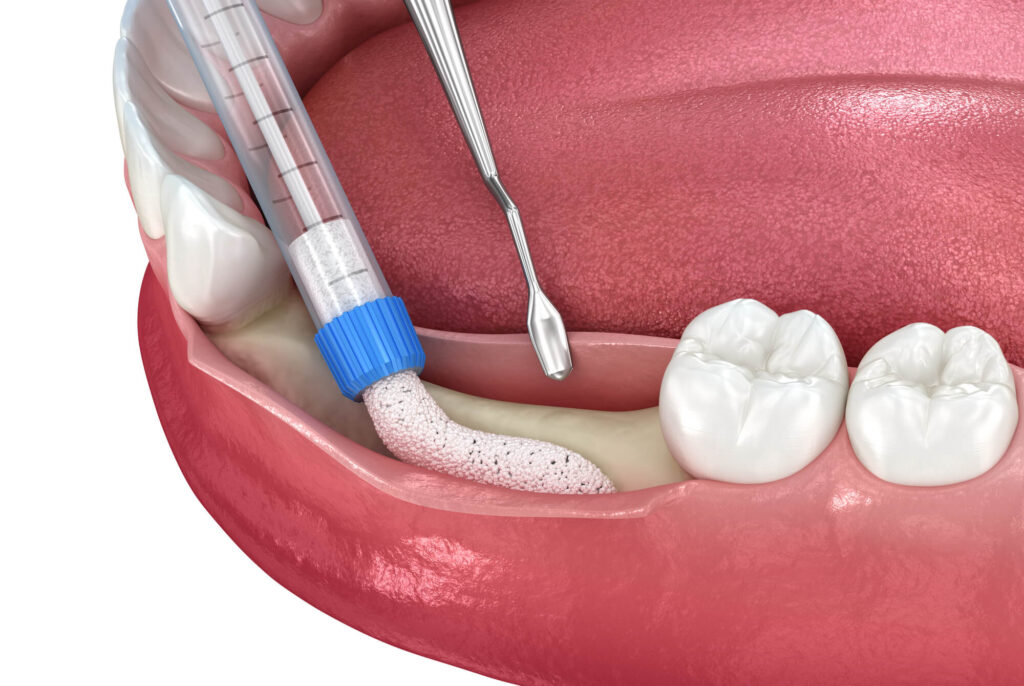
  • Tooth socket graft: Performed immediately after tooth extraction to prevent bone loss.
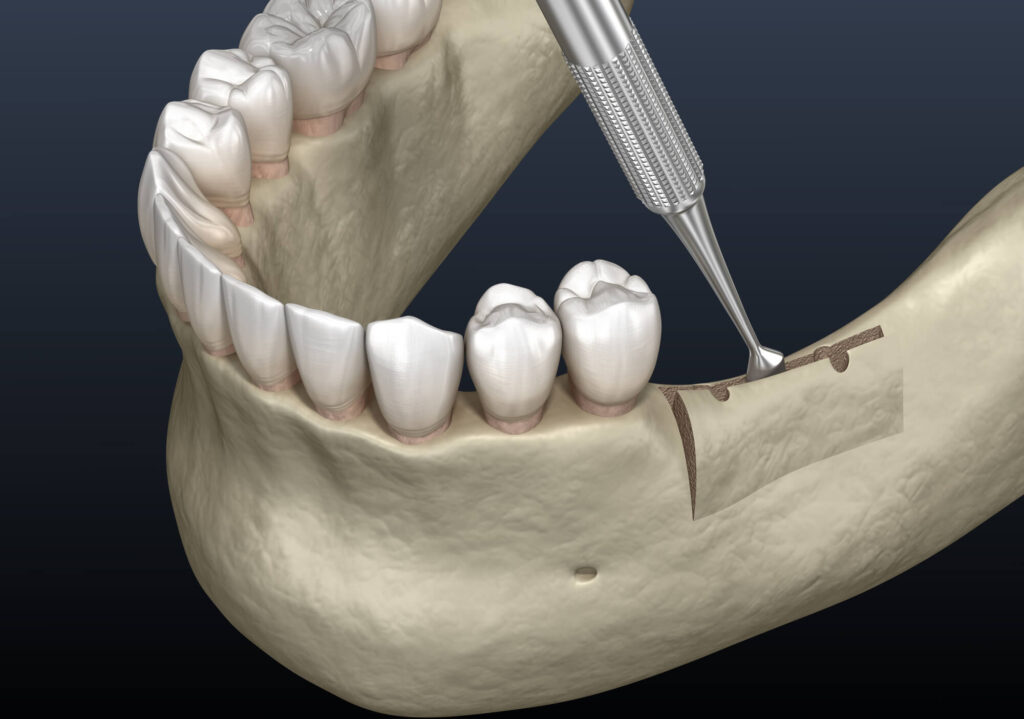
  • Block bone graft: Uses a section of bone from the patient to rebuild large areas of bone loss.
  • Lateral ridge preservation grafts: Augment the width of the jawbone for implants to accommodate a dental implant.
  • Sinus Lift Procedure (Sinus Augmentation): Elevates the floor of the sinus cavity to make room for bone graft material in the upper jaw.

Each technique is tailored based on the degree and location of bone loss, as well as the dental implant goals of the patient.

Bone Grafting Materials Used

  • Autogenous bone: Bone harvested from another area of the patient’s own body (e.g., chin or hip bone). Known for biocompatibility and strong bone growth potential.
  • Allografts: Bone sourced from a human donor, processed and sterilized for safe use. Often provided by a certified tissue bank.
  • Xenografts: Bone graft material from animal sources (typically bovine), used for volume stability.
  • Alloplasts or synthetic bone grafts: Synthetic bone materials such as hydroxyapatite or bioactive glass that promote bone regeneration.

The choice of bone grafting material is based on medical conditions, preferences, and what will lead to the most successful implant placement and healing process

Common Causes of Bone Loss

Bone loss in the jaw can significantly impact the success of dental implants, with dental bone grafting being one of the most common and effective solutions to this problem.

However, first understanding the underlying causes of bone deterioration is crucial for determining the appropriate bone grafting approach to ensure robust support for implants.

Here are some common factors contributing to bone loss:

  • Tooth Loss and Bone Resorption: Tooth loss initiates a natural biological process where bone resorbs in the absence of stimulation. This is particularly problematic in the alveolar bones, which support the teeth.
  • Periodontal Disease: Gum disease, including its more severe form, periodontitis, can lead to severe bone loss over time. Periodontal disease damages the bone tissue and soft tissue that support the teeth, often leading to additional bone loss.
  • Trauma and Medical Conditions: Injury, jaw bone fractures, sinus deficiencies, and systemic medical conditions can contribute to bone deterioration. Facial sagging and changes in the appearance of bridgework may also indicate bone structure compromise.

The Benefits of Bone Grafting

Bone grafting offers numerous advantages that are crucial for successful dental implant procedures, particularly for patients experiencing jawbone deterioration. By replenishing lost bone volume and enhancing bone quality, the procedure not only paves the way for reliable dental implants but also improves overall oral health and aesthetics.

Key Benefits

  • Creates a Solid Foundation for Dental Implant Procedures: Bone grafting lays a robust groundwork essential for the successful anchorage and longevity of dental implants by augmenting bone volume where it has been lost.
  • Restores Natural Contours of the Jaw and Facial Structure: By rebuilding lost bone, grafting helps restore the jawline’s natural contours, which can significantly enhance facial symmetry and appearance.
  • Prevents Premature Aging and Facial Sagging: Loss of bone in the jaw can lead to changes in facial structure that make one appear older. Bone grafting can counteract this process, maintaining youthful facial profiles.
  • Encourages New Bone Growth and Strengthens the Bone Structure: The procedure activates the body’s natural processes to generate new bone, thereby solidifying the structure of the jaw and supporting healthy oral function.
  • Enhances Outcomes of Dental Restorations by Supporting Implant Sites: A stable, healthy bone structure ensures the optimal placement and success of dental restorations like crowns and bridges, contributing to improved functional and aesthetic outcomes.

Long-Term Success

Bone grafting is crucial for achieving long-lasting dental implant success. The procedure significantly reduces the risk of implant complications by ensuring stability, thereby increasing the longevity and performance of dental implants. Through bone grafting, patients previously deemed unsuitable due to insufficient bone volume can now access dental implants, thus extending restorative dental treatment possibilities.

Who Is a Candidate for Bone Grafting?

Candidates who may benefit from bone grafting typically include individuals who have experienced:

  • Significant Bone Loss: Loss of bone mass can occur as a result of tooth extraction or various dental diseases, leading to challenges with dental implant placement.
  • Inadequate Jawbone Density or Volume: Insufficient bone in the jaw can prevent the secure placement of dental implants.
  • Healthy Tissues: Patients should have generally healthy oral tissues and no unmanaged health issues that could complicate healing.

Additional Considerations

Before undergoing bone grafting, patients are required to have a thorough evaluation of their dental structure and their natural bone health. This process involves complete dental examinations, detailed imaging, and an in-depth review of medical history to ensure suitability for the procedure.

It’s noteworthy that individuals who smoke or consume excessive amounts of alcohol might experience a slower healing process due to lifestyle factors impacting recovery.

Preparing for the Bone Grafting Procedure

The bone grafting procedure is a significant step toward restoring oral health and ensuring the success of dental implants. Proper preparation is key to a smooth process and optimal outcomes.

Initial Consultation

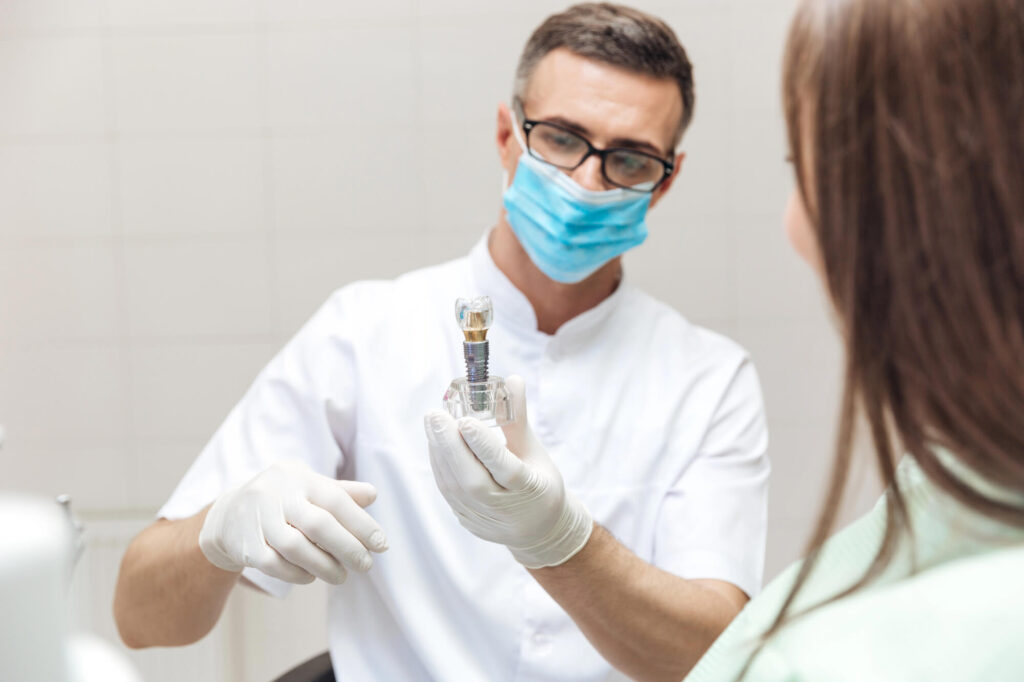
During the initial consultation, your dental care provider will assess the degree of bone loss and evaluate the overall health of your mouth. This involves a comprehensive examination, including X-rays and 3D imaging, to determine the types of bone grafts for your specific needs. Your dentist will discuss the treatment options available and tailor a plan specifically for you.

Pre-Surgical Preparation

Proper preparation before oral surgery is essential for successful healing and recovery. Key steps include:

  • Follow Pre-Operative Oral Hygiene Practices: Maintain excellent oral hygiene to minimize the risk of infection.
  • Review Anesthesia Options: Discuss with your dentist the types of anesthesia available to ensure comfort during the procedure.
  • Plan Dietary Adjustments: Make any necessary changes to your diet to accommodate post-operative restrictions, and stock up on soft foods.
  • Arrange Post-Operative Care Instructions: Understand the aftercare requirements and arrange assistance if necessary, to facilitate a smooth recovery process.

Being well-prepared helps ensure that the procedure proceeds smoothly and enhances the potential for successful dental implant integration.

Steps in a Bone Grafting Surgery

We’ve compiled a basic overview of how most bone graft surgeries are carried out. Knowing the steps involved can help demystify the process and alleviate any concerns you may have.

Surgical Procedure Overview

Bone grafting is a common surgical procedure aimed at rebuilding bone structure to provide a stable foundation for dental implants. The procedure typically involves the following steps:

  1. Anesthetic Administration: To ensure comfort, the procedure begins with administering local anesthesia, sedation, or general anesthesia, depending on the complexity of the case and patient preference.
  2. Incision: The surgeon makes a small incision in the gum to expose the underlying jawbone structure that needs augmentation.
  3. Placement of the Graft Material: The chosen graft material—be it autograft, allograft, xenograft, or synthetic— is prepared and carefully placed in the area lacking sufficient adequate bone.
  4. Membrane Coverage: In some cases, a protective membrane may be placed over the graft to encourage bone growth, faster healing, and protect against gum tissue interference.
  5. Suturing: The surgical site is then sutured to secure the graft and promote optimal healing conditions.

This surgical technique is typically performed by a dental surgeon with expertise in restorative treatments. If more complex interventions are required, such as sinus lifts or substantial bone augmentation, oral surgeons at 4M are also well qualified to perform them.

Through this systematic approach, bone grafting effectively sets the stage for successful dental implant placement, enhancing long-term oral health and functionality.

Aftercare and Recovery

Immediately after the bone grafting technique is successfully done, the recovery period starts.

Immediate Post-Op Care

  • Use of cold compresses to manage swelling
  • Take prescribed medications to avoid infection or pain
  • Follow strict oral hygiene and dietary restrictions during recovery

Healing Process and Timeline

Healing time can range from a few weeks to several months, depending on the type of bone graft and the patient’s healing progress. Monitoring bone healing and bone integration is essential.

Follow-Up

Regular follow-up appointments are scheduled to evaluate bone development and determine readiness for implant placement. The final goal is to ensure a strong jawbone capable of supporting a long-lasting implant.

How Bone Grafting Supports Dental Implant Placement

A successful bone graft meant to compensate for weak jawbones is meant to build the base for implants. The stable foundation will stimulate the development of healthy bones that will provide sufficient support for a titanium post, allowing for successful osseointegration.

So the question remains of when the next step can be taken.

Timing of Implants After Grafting

Patients typically wait 3 to 6 months after bone grafting before implant placement, although this varies based on the extent of bone loss and the type of bone grafting used.

Risks and Potential Complications

Although bone grafting offers numerous advantages, it’s important to be aware of the potential associated risks. These may include:

  • Infection developing at the site of the graft
  • The potential for the graft to fail, particularly if the healing process is hindered
  • Adverse reactions to the materials used for grafting, especially when they are derived from animals or are synthetic

Fortunately, these risks are extremely rare and can be significantly reduced through meticulous planning, the application of advanced surgical techniques, and diligent monitoring during the post-operative recovery period.

Why Choose 4M for Bone Grafting and Dental Implants

At 4M Dental Implant Center, we combine advanced technology with compassionate, personalized care to deliver predictable, high-quality results—even in complex cases that require bone grafting.

Comprehensive Treatment Planning

Every patient undergoes a comprehensive evaluation and receives a custom treatment plan tailored to their specific bone density, oral health condition, and implant goals.

Advanced Technology

We use fully digital workflows, including 3D imaging and guided surgical techniques, to ensure precise bone grafting and implant placement with minimal downtime.

On-Site Laboratory and Same-Day Solutions

Our in-house dental lab enables faster turnaround and better coordination, including same-day teeth delivery options after grafting and implant procedures.

Unmatched Experience

Our surgical team includes experienced professionals who perform a wide range of advanced procedures daily, including sinus lifts and full-mouth reconstructions.

Lifetime Support and Aftercare

Our plan includes regular follow-ups, professional cleanings, and implant maintenance to protect your investment for life.

A Stronger Foundation for a Confident Smile

Bone grafting is a vital step in restoring implant success, especially in patients with bone loss, either due a damaged tooth replacement. This involves a couple of processes. A procedure is done to harvest bone from your own body or is resourced from other sources like donors, etc. It is then surgically implanted to the empty tooth socket or used in ridge augmentation. The transplanted bone is used to rebuild the existing bone and strengthen the bone surrounding the implant site, as well as protecting remaining teeth.

Bone grafting transforms the outcome of dental implant surgery. It empowers patients who have suffered from missing teeth, jawbone recession, or other complications to enjoy a confident smile and the full functionality of natural teeth. With proper aftercare and a skilled dental care team, this procedure can deliver lasting results that go beyond aesthetics, it restores health, function, and quality of life.

For those considering dental implants, understanding the advantages of bone grafting is a crucial part of making an informed decision. A healthy smile begins with a strong foundation—and that’s exactly what 4M Dental Implant Center delivers.

Whether you’re struggling with missing teeth or bone loss, our team is ready to help you reclaim your confidence and function with expert care and precision. Schedule your consultation today and take the first step toward your new smile.


Filed Under: Uncategorized

The Ultimate Patient Guide to Dental Implant Recovery

May 6, 2025 by 4M Dental Implants Leave a Comment

The Patient Guide to Dental Implant Recovery

Dental implants are a life-changing solution for many patients facing tooth loss, providing a strong, natural-looking alternative to dentures or bridges.

At 4M Dental Implant Center, we understand that undergoing dental implant surgery is a major decision, and that the dental implant recovery process plays a crucial role in long-term success.

This comprehensive guide walks you through everything you need to know about recovering from your dental implant procedure, ensuring a smooth recovery and a confident smile.

What to Expect After Dental Implant Surgery

Every patient’s healing process is slightly different, but most follow a common trajectory through various dental implant healing stages. Immediately after your surgical procedure, it’s normal to experience mild swelling, minor bleeding, and some discomfort. These symptoms generally peak within the first 48 to 72 hours after surgery and steadily decline.

Overview of dental implant healing stages:

  • First 24 hours: Blood clots form at surgical sites
  • 3 days: Swelling and bruising peak; soft tissues are still tender.
  • 1 week after surgery: Return to light daily activity
  • 2–4 weeks: Osseointegration (jaw bone-implant fusion) begins
  • 1–3 months: Bone healing continues, and a permanent crown is placed. Temporary restoration before it might be worn.

The Critical First 24 Hours in the Recovery Period

Your behavior during the first day sets the tone for a successful recovery. This initial healing process is vital to forming blood clots that shield the implant site and foster bone growth.

Key aftercare steps:

  • Control minor bleeding with firm pressure from a gauze pack placed over the implant site.
  • Apply ice packs or cold compresses in 20-minute intervals to manage facial swelling and inflammation.
  • Prioritize rest, keeping your head elevated to reduce blood flow and swelling.
  • Avoid spitting, vigorous rinsing, smoking, or using straws, which can dislodge blood clots and increase the risk of complications.
  • Limit physical activity to avoid raising blood pressure, which may lead to excess bleeding.

Post – Surgery Week-by-Week Recovery Timeline Details

The recovery process after dental implant surgery progresses in phases, with each week bringing noticeable changes in comfort, function, and healing.

Understanding what happens at each stage helps patients manage expectations and maintain confidence throughout the healing journey.

Day 1 to Day 3

  • A period of rest is essential. Limit your movement and stay hydrated, although this won’t drastically change your everyday activities.
  • Take prescribed medications or over-the-counter options like ibuprofen or acetaminophen to manage discomfort.
  • Begin gentle oral hygiene using a soft-bristled toothbrush and warm water rinses. Avoid brushing directly over surgical sites.
  • Avoid solid foods and eat a soft food diet that includes yogurt, mashed potatoes, smoothies, and cool liquids to prevent irritation.

Days 4 to 7

  • Swelling and bruising will start to subside, but gum tissue may still be sensitive.
  • Refine your oral hygiene routine and begin using gentle, circular brushing motions.
  • Continue your soft foods diet, avoiding crunchy, sticky, or spicy foods that can damage surgical sites or interfere with blood vessels.

Weeks 2 to 4

  • The implant site enters the bone healing phase. Osseointegration, the process where the implant fuses with the jaw bone, gradually begins.
  • You may resume normal activities, but continue avoiding strenuous exercise, heavy lifting, or sudden physical activity.
  • Watch for signs of implant failure, such as persistent pain, implant movement, or signs of infection like pus or foul odor.

1 to 3 Months Post-Op

  • Your provider may place a temporary crown or restoration while bone formation continues.
  • The healing time for each patient depends on bone quality, systemic diseases, lifestyle choices, and adherence to care instructions.
  • Toward the end of this phase, you’ll move into the restorative phase, where your final permanent crown is placed.

Restoring Your Smile: The Final Crown and Implant Restoration

Once healing stabilizes, your permanent crown will be placed. This is the exciting milestone that completes your dental implant process.

  • Your crown will be matched to your natural teeth for a beautiful restoration.
  • Expect a smooth transition from temporary crown to permanent replacement for missing teeth, delivering a functional smile that lasts.

Foods to Eat (And Avoid) After Dental Implant Surgery

A soft diet is essential to promote healing and avoid disturbing the surgical sites. While it can feel restrictive, maintaining good nutrition is key to the healing process, and keeping your eye on the long-term outcome can help you stay motivated.

Approved Foods for the Initial Healing Period

  • Mashed potatoes, oatmeal, and applesauce.
  • Scrambled eggs, soft fish, protein smoothies.
  • Cold soups, yogurt, ice cream (not too cold).
  • Plenty of water (but no straws.)

Tip: Try to rotate flavors and temperatures to avoid palate fatigue.

Foods to Avoid

  • Crunchy foods like chips, nuts, and raw vegetables.
  • Sticky foods like taffy, gum, and dried fruit.
  • Spicy or hot foods/liquids.
  • Firmer foods that require chewing and stress the implant.

Pain Management and Swelling Control

Discomfort in the recovery time after surgery is normal and manageable with the right approach.

  • Use pain medications as prescribed. OTC options like ibuprofen may be sufficient for mild discomfort, while stronger pain meds may be needed temporarily.
  • Apply cold compresses on the cheek near the implant for the first 48 hours to reduce inflammation. Use 20 minutes on, 20 minutes off.
  • Stay hydrated, but avoid hot liquids and straws.
  • Rest with your head elevated to minimize swelling.
  • Avoid alcohol and smoking as they delay healing and may increase pain.

Hygiene Practices for Optimal Healing

Maintaining oral hygiene prevents risk of infection and supports proper healing.

  • Brush carefully with a soft-bristled toothbrush.
  • Use interdental brushes and antimicrobial mouthwash as approved.
  • Avoid vigorous rinsing; opt for a gentle warm salt water solution.
  • Make sure your dentist approves the use of water flossers.

Recognizing Warning Signs of Implant Complications

While extremely rare, complications do happen, with early detection being key to addressing potential implant failure.

Watch for:

  • Excessive bleeding that continues despite gauze and pressure.
  • Persistent pain that worsens instead of improving, even with stronger pain medication.
  • Implant movement or a feeling that the post is loose.
  • Infection signs: pus, swelling that returns, fever, or bad taste/smell from the implant site.

If you notice any of these symptoms, contact your 4M Dental provider promptly. Attending regular follow-up appointments is essential to track implant integration and overall progress.

Activities to Avoid During Recovery

To protect your implant healing, avoid:

  • Strenuous activities, including lifting weights or intense cardio.
  • Smoking or alcohol, which interfere with blood flow and bone healing.
  • Ignoring dental hygiene due to discomfort — poor hygiene increases risk of irritation and infection.

The Role of Bone Healing in Implant Success

Successful dental implant placement depends on bone growth and bone density. This is where osseointegration occurs — a fusion between the implant post and jaw bone.

Factors affecting bone healing:

  • Pre-existing conditions like diabetes or osteoporosis
  • Bone grafting procedures and the use of bone graft material
  • Medications, such as narcotic pain medication or systemic prescriptions

Your provider may recommend supplements or dietary changes to enhance bone formation.

Your 4M Smile Wellness Plan

At 4M, we believe in giving patients the best and most comprehensive dental implant surgery experience possible, and that includes a recovery that doesn’t stop after crown placement.

  • You’ll receive a personalized aftercare plan to protect your investment.
  • Your 4M Care Kit may include a Waterpik, antimicrobial mouthwash, and dietary guides.
  • Our lifetime warranty and scheduled dental appointments ensure continued success and long-term oral health.

Trust the Process, Transform Your Smile

Dental implant recovery is a journey of transformation, and each stage — from the day of surgery to permanent restoration — is critical to your implant’s success.

With proper care, guidance from your 4M team, and adherence to your treatment plan, you can enjoy a confident smile that lasts a lifetime.

Ready for your recovery roadmap? Contact 4M Dental Implant Center to learn more about your next steps in the implant recovery process.

Frequently Asked Questions About Dental Implant Recovery

When can I return to eating normal food? Most patients resume a regular diet around 3–4 weeks post-surgery, depending on implant stability and comfort level.
How will I know if the healing process is going well? Minimal swelling, stable implant posts, and manageable discomfort are all signs of proper healing.
Will my implant feel like a natural tooth? Yes. Once the permanent crown is placed, the implant mimics the look, feel, and function of a real tooth.
Can I resume other dental work during recovery? Always consult your 4M provider. For most patients, additional work is delayed until healing time is complete.

Filed Under: Uncategorized

Dentures vs Full Mouth Implants: Which Is Right for You?

April 21, 2025 by 4M Dental Implants Leave a Comment

When it comes to replacing missing teeth, the two most common options are complete dentures and full-mouth dental implants. Each offers a pathway to restoring your smile, but the right solution depends on your goals, health, and lifestyle. Whether you’re seeking a quick fix or a long-term tooth replacement option, learning about the facts behind dentures vs implants is a critical first step.

In today’s blog post, we’ll break down the pros, cons, and considerations of both treatments — helping you make an informed decision about the future of your oral health. At 4M Dental Implant Center, we offer both solutions. Still, we often prioritize implant-supported dentures and full-mouth dental implants for their durability, functionality, and ability to preserve your jawbone over time.

Why Full-Mouth Tooth Replacement Matters

Tooth loss affects more than your appearance — it has a cascading impact on your overall health, daily comfort, and even self-confidence. Missing teeth can lead to bone loss, cause the surrounding facial muscles to sag, and impact your ability to chew and speak clearly.

Over time, the mouth structure begins to shift, leading to changes in bite alignment and potentially more dental complications.

That’s why choosing the right tooth replacement option is so important. While traditional dentures remain a popular alternative, modern implant treatment options offer greater stability, comfort, and longevity. For many, full-mouth dental implants deliver a complete solution that mimics the look, feel, and strength of natural teeth — helping patients return to normal function with confidence.

Whether you’re exploring removable prostheses like partial dentures or considering the leap into implant-supported options, understanding your choices is the first step toward reclaiming a complete smile.

What Are Complete Dentures?

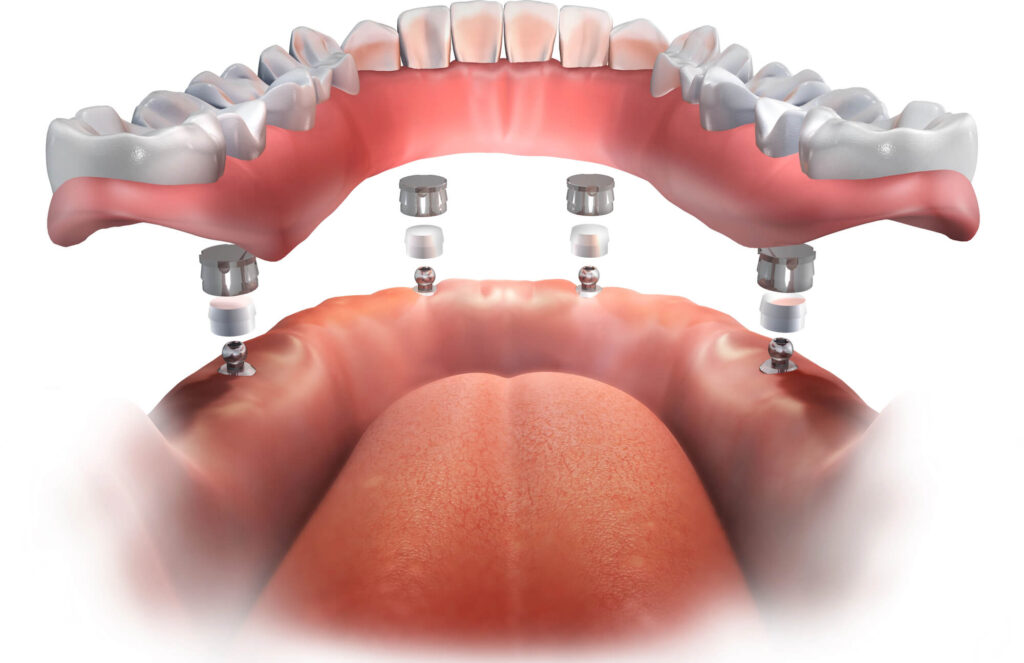
Complete dentures are removable prosthetic devices designed to replace an entire arch of teeth — either upper, lower, or both. Typically made of thermoplastics, acrylic, resin, or metal frameworks, these false teeth sit directly on the gums and rely on suction or denture adhesive for stability.

They do not integrate with the jaw bone, which makes them a non-surgical option, but they also do not stimulate bone preservation like implants do. Dentures are usually crafted to match the appearance of natural teeth, though the level of fit and function can vary.

Pros of Dentures

  • Lower Upfront Costs: Dentures are often a more affordable solution initially, making them a common choice for patients on tighter budgets.
  • Fast Turnaround: From appointment to appliance, conventional dentures can be created and fitted in a relatively short period of time.
  • Widely Available: As one of the most common solutions for tooth loss, most dental providers offer various types of dentures, including custom-made denture options.

Cons of Dentures

  • Frequent Adjustments: As the jaw bone resorbs over time, dentures may lose their fit, requiring regular adjustments or replacement every few years.
  • Stability Issues: Even with denture adhesives, many patients experience slippage, especially while eating or speaking.
  • Limited Biting Power: Chewy or hard foods may be difficult to manage, which limits dietary variety.
  • No Bone Preservation: Dentures do not prevent bone loss in the jaw, which can affect facial structure and long-term oral health.
  • Daily Maintenance: They require removal, cleaning with special cleaning solutions, and soaking overnight — part of a more intensive oral care routine.

While dentures remain a popular option for tooth replacement, especially for patients needing a non-surgical solution, they often come with compromises in comfort, function, and long-term outcomes. For those seeking a more permanent solution, it may be worth considering full-mouth dental implant procedures.

What Are Full Mouth Dental Implants?

Full-mouth dental implants are a permanent tooth replacement option that uses titanium posts surgically placed into the jaw bone to support an entire row of teeth. Typically, a minimum of 4  implant posts per arch are needed to secure a full set of prosthetic replacement teeth — offering a stable, lifelike alternative to removable dentures.

This system mimics the function of a natural tooth root, helping to maintain jawbone density, stimulate bone growth, and preserve the patient’s facial structure. At 4M Dental Implant Center, the procedure often includes advanced planning, digital imaging, and precise placement for optimal function and aesthetics.

Benefits of Full Mouth Implants

  • Prevents Bone Loss: By stimulating the bone like natural teeth, implants prevent the bone resorption associated with tooth loss and conventional dentures.
  • Natural Look and Feel: Custom-designed prosthetic teeth offer a natural appearance and closely match your real teeth in color, shape, and function.
  • Superior Stability: Unlike removable options, implants are fixed in place — no denture adhesives or slipping.
  • Restored Function: You can eat a full range of foods again with optimal chewing power and improved bite force.
  • Long-Term Value: With proper maintenance, full-mouth implants can last decades, reducing the need for constant replacements or frequent maintenance.
  • Boosts Confidence: Patients regain their ability to smile, speak, and live with comfort — restoring confidence after tooth loss.

Other Considerations

  • Surgical Procedure: Both dentures and this option involve oral surgery, which may include dental implant surgery, extractions, or additional procedures like bone grafting, depending on jawbone density.
  • Healing Time: Recovery varies, but with proper care, most patients can enjoy their favorite foods immediately, even while undergoing a healing period before final implant crowns or bridges are placed.
  • Upfront Cost: While it can be a more expensive solution than dentures initially, it can save money over time due to fewer replacements and better durability.
  • Bone Requirements: Some patients with low bone density may require a bone graft sinus lift or other preparatory work — though advanced systems at 4M often minimize this need.

For patients seeking a permanent denture alternative that offers both aesthetic and functional advantages, full-mouth implants remain one of the most effective treatment options available today.

How to Decide Between Dentures vs Implants

Choosing between dentures and dental implants isn’t just about cost or procedure — it’s about your lifestyle, long-term health, and what you want your smile to do for you. Here’s how to weigh the options and make a decision with confidence.

Key Factors to Consider

  • Bone health and gum disease status: Individuals with active gum disease or significant bone loss may need additional procedures, such as bone grafting, to become candidates for dental implants. That said, modern techniques — like those at 4M — often allow treatment without a bone graft.
  • Age: Patients under 60 often prioritize long-term, permanent solutions and may be more likely to invest in full-mouth implants. Older individuals may choose dentures due to medical conditions, recovery time, or personal preference.
  • Timeline: Both implants and dentures can typically be delivered in a quick period, with 4M even offering same-day implants. While implants require a healing period, patients can still enjoy their favorite foods and live their daily routines with zero issues, all while implants also offer lasting results that reduce the need for future replacements.
  • Budget and financing options: While implants come with higher upfront costs, they can save money over time due to fewer adjustments and longer lifespans. Dentures, while more affordable initially, often require relining, replacements, and regular appointments for ongoing fit.
  • Medical conditions: Certain health issues, such as uncontrolled diabetes, can affect healing after oral surgery and may influence which option is best suited.
  • Personal goals: Consider what you want most — whether it’s better function, long-term savings, etc. Do you want a permanent solution with restored confidence and full biting ability? Or an appliance that requires more daily care and occasional adjustments?

Candidacy and Consultation

Ultimately, the best way to know what’s right for you is through a personalized consultation. At 4M Dental Implant Center, patients undergo advanced imaging and a full-mouth evaluation to assess:

  • Bone density and jaw structure
  • Presence of gum disease or other oral health concerns
  • Medical history and risk of complications
  • Suitability for either removable prostheses or permanent dental implant procedures

The good news? With 4M’s advanced techniques, 99.9% of patients are candidates for implant-supported options — even those previously told they didn’t qualify due to bone loss or age.

4M’s Approach to Full Mouth Restoration

At 4M Dental Implant Center, full-mouth restoration isn’t just about replacing teeth — it’s about restoring lives. With extensive experience in both dentures and full-mouth dental implants, 4M helps patients choose the solution that aligns with their health, goals, and lifestyle — all under one roof.

Why Dental Implants Are Prioritized

While 4M offers multiple treatment options, implant-supported restorations are often recommended due to their long-term benefits, stability, and ability to support overall oral health.

Here’s what sets 4M’s dental implant process apart:

  • Advanced imaging and diagnostics allow for precise planning and placement of implant posts.
  • Minimally invasive techniques often eliminate the need for bone grafting, even in patients with bone loss.
  • In-house surgical care and prosthetic design streamline the process and reduce treatment time.
  • Implant teeth delivered in 24 hours in many cases — reducing wait time between surgery and smile transformation.
  • Custom-designed prosthetic teeth restore the natural appearance of your smile and optimize chewing function.

This level of precision, experience, and efficiency helps 4M maintain a high implant success rate — and makes the implant process accessible to more patients than ever before.

But Dentures Still Have a Role

There are situations where dentures may still be the better fit. These include:

  • Medical limitations that make surgical procedures a higher risk
  • Patients who need a temporary solution before committing to implants

4M provides high-quality complete dentures, partial dentures, and even implant-supported dentures as part of a full spectrum of care. Each appliance is custom-fitted and designed to provide comfort, function, and a natural appearance.

Whether patients choose removable dentures, implant dentures, or a hybrid approach, they benefit from compassionate care, modern dental technology, and a team dedicated to long-term results.

Find the Right Solution for Your Smile

In short, it’s important to weigh the pros and cons of both dentures and dental implants.

Deciding between dentures and full-mouth dental implants is a deeply personal choice — and one that should reflect more than just cost or convenience. It should consider your long-term comfort, dental health, lifestyle, and the confidence you want to feel every time you smile, eat, or speak.

At 4M Dental Implant Center, we don’t believe in one-size-fits-all care. We offer personalized treatment plans, advanced diagnostics, and a wide range of tooth replacement options to ensure every patient receives the best solution for their needs, whether that’s removable dentures, full arch implants, or a transitional plan that evolves over time.

Skip dentures and dental bridges. Replace missing teeth the right way. Book your free consultation today!

Schedule your consultation with 4M Dental Implant Center today to take the first step toward a complete, confident, and healthier smile for life.


Filed Under: Uncategorized

Your Complete Guide to All on X Dental Implants

April 21, 2025 by 4M Dental Implants Leave a Comment

Tooth loss affects more than just your smile — it can change the way you eat, speak, and even how you see yourself. For countless patients, the emotional toll of extensive tooth loss or damaged teeth often leads to a decline in overall health, confidence, and daily quality of life. Whether due to decay, trauma, or chronic oral health issues, the absence of natural teeth can result in gradual bone loss, facial structure changes, and an ongoing cycle of costly dental treatments.

Many people turn to traditional dentures as a quick fix. However, removable dentures often fall short when it comes to stability, chewing ability, and long-term satisfaction. Common issues such as sore gums, dietary restrictions, and frequent replacements can leave patients frustrated and still searching for a more durable, natural-looking solution.

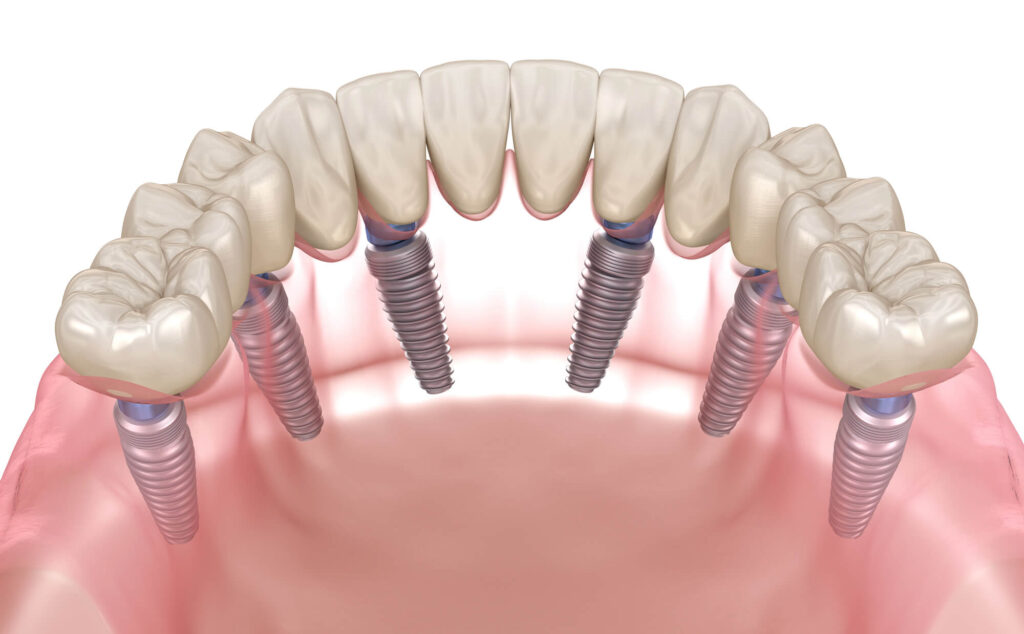
Enter All on X implants — a revolutionary and comprehensive solution to full-arch tooth loss. This innovative technique allows your dental professional to restore an entire arch of teeth using just four to six strategically placed titanium implants, providing a stable foundation for permanent prosthetic teeth. The result? A custom-designed dental prosthesis that delivers a healthy, long-lasting smile that looks, feels, and functions like real teeth.

At 4M Dental Implant Center, this life-changing solution is elevated to an art. With advanced surgical protocols, digital diagnostics, and a team of implant dentistry experts, 4M offers a streamlined treatment process that consistently delivers superior results. Patients across the country trust 4M to help them regain not just their smile — but their freedom, comfort, and confidence.

In this guide, we’ll walk you step-by-step through the All-on-X dental implant procedure, explore its benefits, costs, and candidacy requirements, and explain why 4M is one of the nation’s leaders in full-mouth dental implant restoration.

What Are All-on-X Implants?

All-on-X dental implants are an innovative, full-arch tooth replacement option that supports a complete set of prosthetic teeth using just four to six strategically placed dental implants per arch. Instead of replacing each missing tooth with an individual implant, this technique anchors a custom-designed arch prosthesis to titanium posts embedded in the jaw bone.

These implants act as artificial tooth roots, forming a stable foundation for permanent teeth that look, feel, and function like natural teeth. The “X” refers to the variable number of implants placed — often four, but sometimes more depending on bone density, anatomy, or treatment goals.

The result is a streamlined treatment process that restores complete oral function and delivers a natural-looking smile — often without the need for bone grafting procedures, even in cases of bone loss.

Key Differences from Traditional Dentures and Individual Implants

  • Fixed Placement: All-on-X implants are securely fixed in place, eliminating movement and preventing gum irritation, unlike traditional dentures that rest on the gums and can slip or click.
  • Convenience: No need to remove All-on-X for cleaning, unlike removable dentures, allowing for enhanced comfort and ease.
  • Dietary Freedom: Allows patients to eat a wide variety of foods without worrying about denture stability, improving quality of life.
  • Clear Speech: Enables clearer speech without the impediments often associated with traditional dentures.
  • Efficiency and Cost-Effectiveness: Compared to individual implants, All-on-X simplifies the process by using fewer implants for a full-mouth restoration.
  • Bone Grafting Reduction: The strategic, angled placement of All-on-X implants optimizes contact with existing bone, often negating the need for bone grafting procedures, which is particularly advantageous for those with bone loss.

In summary, All-on-X offers a durable, long-lasting solution that merges the stability of traditional implants with the comprehensive nature of full-arch restorations — all in one cohesive dental procedure.

Who Are the Best Candidates for All-on-X Implants?

All-on-X dental implants are designed for people who are missing most or all of their teeth or those dealing with damaged teeth that are beyond repair. This treatment is particularly effective for patients who have struggled with the discomfort or instability of removable dentures or those frustrated by the limitations of traditional tooth replacement options.

Patients experiencing bone loss may also be suitable candidates. Thanks to the angled implant placement technique, many individuals who were previously told they lacked sufficient bone for implants can now avoid bone grafting altogether.

In short, All-on-X is an excellent option for patients seeking a permanent, reliable, and natural-looking solution to complete tooth loss.

Key Evaluation Factors by Your Dental Professional

Before moving forward with an All-on-X dental implant procedure, a qualified dentist or oral surgeon will evaluate your overall oral health, bone density, and treatment history.

Here are the main criteria considered during the assessment:

  • Bone structure and volume: While All-on-X often avoids bone grafting, a minimum level of bone is still needed for proper implant placement.
  • Oral hygiene habits: Candidates must commit to maintaining their new smile through diligent daily care and regular dental checkups.
  • Medical conditions: Certain chronic illnesses or medications may affect healing and require special attention during treatment planning.
  • Lifestyle factors: Smoking, for example, can impair bone healing and increase the risk of complications.

A personalized treatment plan will be developed to ensure that the procedure aligns with the patient’s goals, anatomy, and long-term oral health needs.

The Benefits of All-on-X Dental Implants

If you’re considering a permanent solution to tooth loss, All-on-X dental implants offer a wide range of advantages that go far beyond aesthetics. This innovative technique restores not just your confident smile but your ability to eat, speak, and live confidently.

Functional and Health Advantages

  • Restores full chewing ability: Eat a variety of foods again — from steak to crisp apples — without discomfort or dietary restrictions.
  • Helps stop bone loss: Stimulates the jaw bone like natural tooth roots, helping to preserve bone density and prevent facial structure collapse.
  • Eliminates the need for adhesives: Unlike traditional dentures, there’s no slipping, clicking, or reliance on paste or suction.
  • Improves oral health: Fixed implants prevent the buildup of food particles beneath removable dentures and support a healthier oral environment.
  • Reduces long-term dental issues: With proper care, patients experience fewer complications and less need for future treatments.

Aesthetic and Emotional Transformation

  • Delivers a natural-looking smile: Custom-designed prosthetic teeth are crafted to match your facial features, providing a balanced and lifelike appearance.
  • Boosts self-esteem: A complete smile restores confidence in personal and professional settings.
  • Enhances facial structure: By supporting the bone and soft tissues of the face, All-on-X implants help reverse the sunken look caused by tooth and bone loss.
  • Improves speech clarity: Fixed implants eliminate the slurring or lisping often associated with unstable dentures.
  • Provides peace of mind: No more worrying about teeth shifting or falling out at the wrong moment — your beautiful smile stays in place.

Step-by-Step: The All-on-X Implant Procedure

We know that understanding the All-on-X process can ease concerns and help patients feel more prepared. Below is a streamlined overview of what to expect during this life-changing treatment — from consultation to your complete, functional smile.

Step 1 – Consultation and Smile Design

Your journey begins with a comprehensive evaluation by a dental professional. Using advanced imaging techniques like 3D scans, your dentist will assess bone density, oral health, and treatment goals. A personalized treatment plan is developed, factoring in your facial structure and aesthetic preferences to create a natural-looking, confident smile.

Step 2 – Implant Placement Surgery

During this outpatient surgical procedure, four to six titanium implants are placed strategically in each dental arch. This angled placement technique ensures maximum contact with available bone, often eliminating the need for bone grafting. IV sedation is typically used to ensure patient comfort and minimize discomfort during the procedure.

Step 3 – Immediate Temporary Prosthesis

In most cases, a set of temporary prosthetic teeth is attached the same day, giving you a fully functional and attractive smile while your implants heal. These temporary teeth are fixed, not removable, so you can eat soft foods and speak confidently right away.

Step 4 – Healing and Osseointegration

Over the next 3 to 6 months, the implants fuse with your jaw bone in a process called osseointegration. This creates a stable foundation for your permanent prosthesis. Throughout this period, regular dental checkups ensure the healing process is progressing as expected.

Step 5 – Permanent Prosthetic Teeth Placement

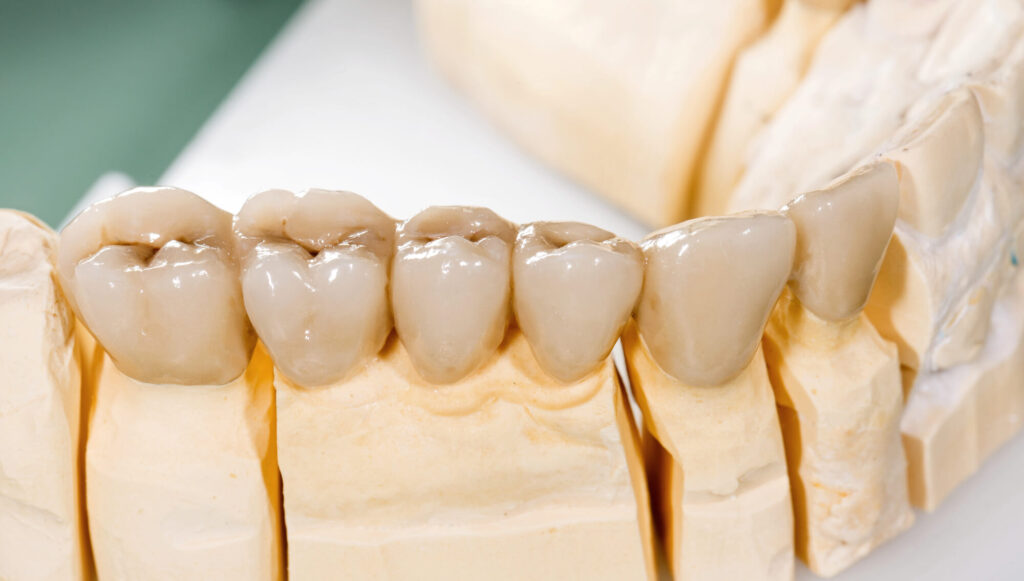
Once healing is complete, your temporary teeth are replaced with a custom-designed, long-lasting prosthesis. This final set of teeth are crafted from durable materials like titanium-reinforced PMMA or zirconia,, designed to withstand chewing forces and maintain a natural appearance for years to come.

Understanding the Cost Factors of All-on-X Implants

The cost of All-on-X dental implants can vary significantly based on several personal and clinical factors.

While the upfront cost may seem higher than traditional dentures or partial restorations, the long-term benefits, durability, and quality-of-life improvements often make this a more cost-effective dental solution over time.

What Influences the Final Treatment Cost?

Several variables can impact the overall cost of an All-on-X procedure:

  • Number of arches being restored: Whether you’re restoring one or both arches of teeth (upper, lower, or full-mouth).
  • Materials used: The choice between hybrid materials and titanium-reinforced prosthetics also affects cost.
  • Preparatory procedures: Extractions, treatment of gum disease, or management of oral health issues prior to implant placement can add to the total.
  • Complexity of the case: Anatomical factors like severe bone loss or the need for additional implants or surgical planning may increase treatment time and scope.

Despite these variations, All-on-X often eliminates the need for bone grafting or multiple individual implants, which helps reduce both complexity and cost.

Financing and Affordability at 4M

4M Dental Implant Center is committed to making this life-changing treatment accessible to as many patients as possible. Here’s how:

  • Transparent pricing: During your initial consultation, you’ll receive a full breakdown of expected costs — no surprises.
  • Flexible payment plans: Multiple financing options are available, with approved credit, to help spread the cost over manageable monthly payments.
  • Long-term value: Compared to removable dentures — which require frequent replacements and adjustments — All-on-X offers a permanent solution with less maintenance and fewer follow-up costs.

Many patients view the investment in All-on-X as not just a dental procedure but a path to a healthier, more confident, and more functional life.

Aftercare and Maintenance for Your New Smile

Proper aftercare is essential to ensure the long-term success of your All-on-X dental implants. While the surgical procedure is just one part of your smile transformation, consistent care and attention afterward help protect your investment and preserve a healthy smile for years to come.

Immediate Post-Surgery Care

In the first few days following implant surgery, patients can expect mild swelling, sensitivity, or initial discomfort — all of which are manageable with medication and rest. Your dental team will provide detailed recovery instructions, which typically include:

  • Sticking to a soft food diet during the early healing period
  • Using cold compresses or ice packs to reduce swelling
  • Avoiding strenuous activity for at least a few days
  • Gentle rinsing with an approved mouthwash to keep the area clean

Following these guidelines supports faster healing and minimizes the risk of complications.

Long-Term Maintenance and Oral Hygiene

Once your permanent prosthesis is in place, maintaining it requires a consistent oral hygiene routine and occasional professional care. Here’s what that looks like:

  • Brush twice daily with a soft-bristle toothbrush designed for dental implants
  • Use a Waterpik or water flosser to clean around the gumline and beneath the prosthesis
  • Schedule regular dental check-ups and professional cleanings to detect and address any issues early
  • Avoid damaging habits like chewing ice or using teeth as tools

At 4M Dental Implant Center, patients also receive a tailored care kit and access to a long-term wellness program designed to support ongoing oral health and the longevity of their dental implants.

Potential Risks and How 4M Minimizes Them

Like any surgical procedure, the All-on-X dental implant process carries a few risks. However, when performed by experienced dental professionals using proven protocols, these risks are minimal — and the benefits far outweigh them for most patients.

Common Concerns from Patients

Some patients worry about:

  • Risk of infection around the implant sites
  • Swelling or discomfort during the initial healing period
  • Implant failure, where an implant does not properly integrate with the bone
  • Complications due to medical conditions such as diabetes or autoimmune issues

While these are valid considerations, the overall implant failure rate for All-on-X procedures remains low — especially when combined with proper care and follow-up.

Why Experience Matters

At 4M Dental Implant Center, every aspect of the procedure is designed to reduce risks and increase long-term success, which is why they have a 99% success rate with their implant procedure. Here’s how:

  • Expertise in implant dentistry: The 4M team includes highly trained surgeons who perform full-mouth dental implants daily, not occasionally.
  • State-of-the-art technology: Advanced imaging and digital planning help ensure optimal implant placement and reduce the risk of surgical complications.
  • In-house lab support: With custom prosthetic teeth created onsite, 4M maintains tight quality control and faster response times.
  • Proven protocols: From sterile surgical environments to IV sedation and tailored aftercare, the process is built for safety and predictability.

Choosing a trusted implant provider like 4M minimizes the likelihood of complications and gives patients confidence throughout the journey.

Why Choose 4M Dental Implant Center for Your All-on-X Treatment?

Selecting the right provider is a crucial step in your dental implant journey. While the All-on-X technique is available at many clinics, not all dental practices deliver the same level of precision, customization, and long-term support. Here’s what sets 4M Dental Implant Center apart.

Unmatched Expertise in Full-Mouth Restoration

With thousands of successful All-on-X cases completed, the 4M team brings an exceptional level of experience to every procedure. Their founder and clinical leaders also train other dentists in advanced full-arch implant techniques, making 4M a true innovator in the field of dentistry.

Full-Service Dental Implant System Under One Roof

4M offers a streamlined experience from consultation to smile reveal. With in-house imaging, implant surgery, prosthetic design, and aftercare all managed in one location, patients avoid the delays and miscommunications often found in multi-office treatment plans. Everything is built around one goal: delivering your new smile with efficiency and excellence.

Patient-Centered Philosophy

At 4M, treatment is never one-size-fits-all. Every plan is crafted to match your unique needs, lifestyle, and aesthetic goals. With a 99.9% candidacy success rate, nearly every patient is eligible for a permanent solution — whether you’re starting from removable dentures, facing complete tooth loss, or dealing with bone density concerns. It’s all about creating a confident, healthy, and long-lasting smile that fits your life.

A Smile That Transforms Lives

Tooth loss doesn’t have to define your future. All-on-X dental implants offer a life-changing solution — one that restores the natural appearance of your smile, improves oral health, and allows you to enjoy everyday activities again with full confidence.

Whether you’ve struggled with unstable dentures, extensive tooth damage, or years of oral health issues, 4M Dental Implant Center is here to help. Their expertise in full-mouth restoration, commitment to patient-centered care, and use of advanced implant dentistry techniques make them a trusted destination for those seeking a permanent, functional smile.

If you’re ready to take the next step toward a healthier, happier you, schedule your personalized consultation and discover what’s possible with All-on-X implants.

Frequently Asked Questions About All on X Implants

How long do All-on-X implants last? With proper care and regular dental checkups, All-on-X implants can last decades. The titanium implants themselves can integrate with the jaw bone permanently, while the prosthetic teeth may eventually be replaced depending on the material and wear.
Can I eat normally with my new smile? Yes. Once your final prosthetic is placed and healing is complete, you’ll regain full chewing ability. With their new teeth, patients often enjoy a wide variety of foods again, from chewy favorites to crisp, fibrous options— without fear of discomfort or slippage.
Will the procedure be painful? Most patients experience very little discomfort thanks to IV sedation during implant surgery. Post-surgical sensitivity is normal but manageable with prescribed medication and rest. Within days, most return to daily activities with minimal disruption.
Are All-on-X implants really worth it compared to traditional dentures? For many patients, yes. While the initial cost is higher than that of removable dentures, the long-term value, convenience, improved oral function, and boost in confidence make All-on-X a far more complete and lasting solution for tooth loss.


Filed Under: Uncategorized

3D Printing Dental Implants: The Future of Tooth Replacement

April 15, 2025 by 4M Dental Implants Leave a Comment

There’s no stopping the evolution of the dental field, with technological advancements every day redefining the way dental professionals approach patient care. Among the most transformative innovations is three-dimensional (3D) printing, which has made the jump from manufacturing to healthcare in impressive ways such as 3D printing dental implants.

Once considered futuristic, 3D printing technology has emerged as a pivotal tool in implant dentistry, enhancing everything from patient outcomes to production times. As the adoption of 3D printing grows, the rise of 3D printing dental implant solutions is redefining what’s possible.

For patients, this means a shift from uncomfortable, time-consuming conventional methods to streamlined, digitally driven experiences. The integration of 3D printing into clinical applications ensures that each solution is not only custom-designed but also boasts superior accuracy, shorter recovery time post-surgery, and greater comfort levels.

What Is 3D Printing in Dentistry?

3D printing in dentistry refers to the use of additive manufacturing to create customized dental implants, dental appliances, surgical guides, and prosthetic teeth directly from digital models. The process begins with a scan from an intraoral scanner or CBCT device, generating a 3D model of the patient’s oral structure. This model becomes the basis for the entire digital workflow.

Several types of 3D printing techniques are employed in the dental industry, including:

  • Stereolithography (SLA): Ideal for high-resolution models and temporary restorations.
  • Digital Light Processing (DLP): Offers fast production times and excellent accuracy.
  • Direct Metal Laser Sintering (DMLS), Selective Laser Sintering (SLS), or Selective Laser Melting (SLM): Used for creating metal 3D components like abutments or implant frameworks. Commonly used for titanium and stainless steel custom implants due to their mechanical strength and superior corrosion resistance.

Materials used in the printing process vary by application but commonly include biocompatible resins, zirconia for bridges, and titanium for load-bearing applications like full-arch restorations. These 3D printing materials exhibit strong mechanical properties such as high elastic modulus, dimensional accuracy, and impressive strength, which makes them ideal for dental prosthetics requiring precise internal fit and long-term reliability.

How 3D Printing Technology Is Revolutionizing Dental Implants

Compared to traditional methods of making implants, dental crowns, bridges, and other orthodontic interventions, 3D printing technology given the dental industry a wide range of revolutionary benefits.

Speed & Efficiency in Custom Implant Creation

3D printing significantly reduces turnaround time compared to traditional manufacturing techniques. Where conventional methods require dental professionals to take physical impressions and send them to external dental labs—often resulting in delays due to costly molds and manual labor—3D printing can produce anatomical models, surgical guides, temporary crowns, or even final restorations within 24 hours.

The typical workflow at a modern digital dentistry practice follows this sequence:

  • Digital scan (CBCT or intraoral scanner)
  • Computer-aided design (CAD)
  • 3D printing of the desired component, whether it’s a surgical guide or a provisional crown
  • Post-curing and final fitting

This streamlined printing process not only accelerates the speed of production but also reduces material usage and waste material, lowering both costs and environmental impact.

Unparalleled Precision & Fit

3D printing implants and components are created with micron-level precision. The printing layer thickness can be as fine as 20 microns, delivering fitting prostheses that exceed the dimensional accuracy possible through traditional methods. This level of precision enhances implant contact with bone and reduces the risk of complications, improving clinical outcomes.

For instance, the internal fit of a 3D-printed abutment component can be so exact that it minimizes microgaps, increasing the longevity and mechanical properties of the restoration. This is particularly important for complex prostheses or patients requiring full-mouth rehabilitation.

Personalized Patient Experience

Every patient’s oral anatomy is unique. With 3D printing, dental practitioners can design customized products that align with each individual’s anatomy, from bone surface topography to occlusion patterns. This enables the production of prosthetic crowns and temporary restorations that deliver both aesthetic appeal and functional integrity.

The ability to tailor dental applications precisely to the individual patient results in higher patient satisfaction, reduced recovery time post-surgery, and significantly improved comfort levels during and after the implantation procedure.

3D Printing in Use Today: What’s Happening at 4M?

The team at 4M Dental Implant Center has taken advantage of 3D printing techniques to create incredible dental applications that give their patients the smile they’ve been dreaming about in a time that couldn’t be possible with traditional implant production methods.

Digital Workflow: Teeth in 24 Hours

At 4M Dental Implant Center, 3D printing is not a novelty—it’s a cornerstone of the clinical workflow. Leveraging advanced tools like intraoral scanners and CBCT imaging, the team generates precise digital models of implant sites. These are used to design and 3D print surgical guides and provisional prosthetics on-site, often in less than 24 hours.

By eliminating reliance on third-party labs and traditional implants that require multiple appointments and lab adjustments, 4M provides a smoother experience and shorter production times for patients seeking immediate transformations.

Education at the 4M Institute

4M doesn’t just adopt cutting-edge technology—they teach it. At the 4M Institute, dental professionals receive hands-on training in digital dentistry and 3D printing techniques. This includes designing custom dental restorations, optimizing post-curing time for different materials, and using material jetting and extrusion-based 3D printing systems to fabricate dental prostheses with strong mechanical properties.

What the Future Holds for 3D Printed Dental Implants

As 3D printing evolves, its future applications in dental implant technology will become even more sophisticated and transformative.

Bio-printing: Living Tissue Integration

Looking ahead, researchers are exploring the potential of printing biological materials, including bone scaffolds and gum tissue. Bio-printing aims to support osteogenic differentiation, enhancing integration with the patient’s natural tissue. By promoting higher bone area fraction occupancy, this innovation could transform bone grafting and implant stability.

AI + 3D Printing: Hyper-Personalized Dentistry

Artificial intelligence will further enhance the precision of 3D printing dental implant procedures. With AI-driven analysis of facial symmetry, bone density, and bite mechanics, dental practitioners can generate more accurate digital models. The result? Superior quality products that meet individual patient needs with reduced risk of error.

Portable Implant Centers & On-Site Printing

Imagine mobile 3D printing labs traveling to underserved or rural communities, printing surgical guides and prosthetic components on-site. This shift would drastically lower barriers to care, provide immediate treatment options, and reduce recovery time in emergency cases.

Benefits for Patients: Why This Tech Matters to You

For patients, the shift to 3D-printed dental implants represents a leap in both convenience and care quality.

Faster, Safer, More Affordable Care

Compared to traditional methods, 3D printing leads to:

  • Reduced production times and fewer office visits
  • Lower labor costs thanks to in-house manufacturing
  • Cost savings through less material waste and fewer remakes
  • Increased safety with precise digital planning and surgical procedures

Reliability and Longevity

At 4M, our implant posts are made from milled titanium, an implant material chosen for its excellent corrosion resistance and superior mechanical strength. This leads to longer-lasting restorations, especially in load-bearing applications. Our 3D-printed implants refer to the process used to provide patients with their provisional teeth, or bridges.

These advantages translate to better clinical outcomes and enhanced product longevity, providing a smart investment in your oral health.

Addressing Common Concerns About 3D Printed Teeth

Despite the benefits, some patients have understandable concerns. Here’s what you need to know:

Is it safe?

Yes. The materials used in 3D-printed implant parts are FDA-approved, biocompatible, and have been tested for clinical use.

Will it hurt less?

Yes. Customized designs improve fit and reduce trauma during implant surgery.

Is it more expensive?

Not necessarily. Despite using advanced materials, the reduction in manufacturing time and labor costs creates long-term affordability.

Am I a candidate?

With 4M Dental Implant Center’s 99.9% success rate and the full range of treatment options, almost anyone can benefit from 3D-printed dental implants.

The 4M Smile Process: How 3D Printing Fits In

At 4M, the patient journey has been meticulously designed around digital precision and comfort. Here’s how 3D printing plays a key role in every step.

  • Step 1: 4M Smile Assessment: Using advanced imaging and 3D modeling, 4M maps out every detail of your oral structure.
  • Step 2: Smile Creation Day: Aesthetic goals and functional requirements are translated into a digital model for design.
  • Step 3: Transformation Day: Custom surgical guides and components are printed to streamline the implantation procedure.
  • Step 4: Reveal Day: Patients receive a provisional restoration printed specifically for them, improving comfort and initial function.
  • Step 5: 4M Smile Wellness Plan: Post-treatment includes a tailored hygiene plan, follow-up adjustments, and access to excellent material support tools such as water flossers and a post-surgical care kit.

Industry Trends: 3D Printing Dental Implant Market Outlook

The global market for 3D printing in dental implant technology is a booming industry expected to reach a size in the billions of dollars by the end of the decade, driven by increased demand for customized prosthetics, improved patient outcomes, and ongoing innovations in biocompatible materials.

Experts and pioneers like 4M Dental Implant Center are pushing the boundaries of what’s possible. With the growing field of 3D printing focused on improving the clinical application of dental solutions, patients can expect continued enhancements in treatment quality, access, and cost.

Why 3D Printing Dental Implants Is the Future of Tooth Restoration

From faster production to personalized care and superior outcomes, 3D printing dental implant solutions are revolutionizing the field of dentistry. As more dental professionals adopt digital workflows and printing techniques, patients benefit from stronger, longer-lasting, and more affordable restorations.

Additionally, as 3D printing dental implants becomes increasingly popular in recent years in dental laboratories, it’s revolutionizing maxillofacial implants and how we fabricate dental implants or create customized implants that fit perfectly, are durable and high strength, and accommodate complex designs with greater accuracy. 4M Dental Implant Center produces implants with optimized implant surface roughness to promote early bone healing and enhance bone formation. These are tailored through advanced surgical planning to match individual bone structure, support bone regeneration, and achieve isoelastic functionally graded material properties that mimic natural biomechanics. Our advanced digital workflow reduces potential risks, avoids general anesthesia in many cases, and delivers a more attractive option with greater cost effectiveness to replace missing teeth, rivaling other materials and traditional methods. For those struggling with missing teeth, 4M’s expert dentists coupled with expertly crafted solutions redefine what’s possible in implant dentistry.

Schedule your free 4M Smile Assessment today and discover how 3D printing can transform your oral health and confidence.


Filed Under: Uncategorized

How to Spot Early Signs of Dental Implant Failure

March 25, 2025 by 4M Dental Implants Leave a Comment

Dental implant failure is rare, especially when you’ve received care from skilled surgeons using advanced technology—like the team at 4M Dental Implant Center.

In fact, dental implants from 4M typically boast a success rate of up to 99% for people with good health and oral hygiene habits, according to studies. However, knowing how to recognize early warning signs can help protect your investment and maintain your oral health for the long term.

In this guide, we’ll explore the most common signs of dental implant failure, what causes it, how to prevent it, and what your options are if you’re not a candidate for implants. Whether you’re in the healing period after surgery or years into your new smile, early awareness is key.

What Are Dental Implant Failures?

Dental implant failure occurs when the implant does not successfully integrate with the jaw bone or becomes compromised over time. Early implant failure can occur within the first few weeks or months after surgery, while late failure may happen years later, often due to previous underlying issues such as gum disease, bone loss, or poor dental hygiene.

Thanks to modern implant procedures, digital diagnostics, and 4M’s expert-level care, the vast majority of patients never encounter complications. Still, it’s important to recognize signs of a failed implant early to ensure timely intervention.

Early Signs of Dental Implant Failure: What to Watch For

Some signs may simply mean your mouth needs extra attention—not that the implant is failing. However, if you experience any of the following, it’s best to contact your dental implant office promptly.

Persistent Pain or Throbbing

While mild discomfort after dental implant placement surgery is expected, intense pain or pain that worsens with time instead of improving may indicate a problem with implant fusing or surrounding tissue affecting blood flow or even indicating nerve damage.

Swelling, Redness, or Inflammation

Some swelling is normal in the healing process, but prolonged or severe gum inflammation, redness, or even some bleeding around the implant post could be signs of infection or a sign of peri-implantitis.

Loose Implant or Wiggling Sensation

A well-placed implant should feel like a natural tooth, especially after the first few weeks after the dental implant procedure. If it feels mobile or loose, it may signal implant overload, implant screw issues, or failure of bone integration.

Gum Recession or Visible Threads of the Implant

If the gum tissue pulls back and you can see metal or threads near the base of your replacement tooth, there could be bone deterioration or gum disease affecting the implant surface.

Difficulty Chewing or Biting Down Normally

Discomfort while eating or biting down could signal a problem with implant alignment or stability. Chewy foods may make the issue more noticeable.

Bad Taste or Odor

A persistent bad taste or foul odor can indicate bacterial infection, poor hygiene, or failure in conservative infection control measures.

Fever or Malaise

In rare cases, a systemic response like fever can occur from an untreated infection, even if there’s no severe pain. This is a sign to seek professional care immediately.

If you notice any of these signs, don’t panic—but don’t wait, either. Early action increases the chances of successful treatment.

What Causes Dental Implant Complications or Failure?

Even with the high implant success rate of this dental procedure, understanding the potential causes of implant failure is key to prevention. Some risk factors are avoidable with proper care, while others depend on overall health or anatomy.

Here are the most common contributors to dental implant complications:

  • Poor Oral Hygiene During Healing: Neglecting proper hygiene during the healing period can lead to bacterial infection, delayed healing, and gum inflammation. Keeping the implant site clean is essential to allow bone integration and prevent issues.
  • Uncontrolled Diabetes or Other Medical Conditions: Autoimmune diseases, ongoing cancer treatment, and conditions like uncontrolled diabetes can reduce the body’s ability to heal and increase the risk of implant failure. Certain medications, like some antidepressants, may also affect bone growth.
  • Smoking or Substance Use: Smoking reduces blood flow and interferes with bone tissue healing. It’s a major risk factor for both early and late implant failure and can impact the long-term success of the implant treatment.
  • Excessive Bite Pressure or Teeth Grinding (Bruxism): Chronic grinding or jaw tension places extra stress on the implant and surrounding bone. Over time, this can cause a loose-feeling implant or even bone loss.
  • Lack of Bone Integration (Failed Osseointegration): When the bone doesn’t fuse with the implant post properly, the implant may become unstable. This biological process is crucial for creating a solid foundation for prosthetic teeth.
  • Improper Placement: Although extremely rare with experienced surgeons, improper placement can affect nearby nerves, sinus cavities, or the integrity of the bone structure.
  • Peri-Implantitis: This is a form of gum disease that affects the soft tissue and bone surrounding the implant. It starts as inflammation but can progress into a dangerous health condition if left untreated.

At 4M, our advanced imaging, precise implant placement surgery, and hygiene protocols reduce these risks.

How to Prevent Dental Implant Failure

Dental implant failure is highly unlikely when you are under the care of an experienced surgeon and knowledgeable dental health team. However, prevention is always better than cure, and there are numerous strategies and habits that can greatly reduce the risk of failure. Here are important tips and protocols you should follow:

Follow Post-Operative Instructions with Precision

Ensuring the success of your healing process begins with strictly adhering to every instruction given to you after your dental implant surgery. These guidelines are pivotal for recovery.

Attend All Scheduled Follow-Up Appointments

Frequent checkups are crucial as they allow your oral healthcare provider to track the healing process of your replacement teeth closely and address any potential problems before they become significant issues that can lead to a failed dental implant.

Follow Recommended Aftercare Protocols

These prescribed treatments, from soft daily brushing after a few days to the prescribed rinses, antibiotics, and medications, are vital in maintaining proper care and significantly lowering the risk of early bacterial infections or gum irritation, ensuring a healthier recovery.

Refrain from Smoking and Alcohol Consumption

Both smoking and alcohol intake can severely impact blood flow and bone health, diminishing the likelihood of your dental implants being successful. Avoid these habits to maintain healthy bone structure around the implants and support long-term stability.

Consume Soft Foods in the Initial Healing Phase

During your recovery period, it is essential to avoid foods that are chewy or hard, as they can apply undue pressure on the implant site, hampering healing and endangering both bone and gum health.

Inform Your Doctor About Any Pre-Existing Medical Conditions

Your medical history could contain key risk factors that are pivotal in planning and customizing your treatment to minimize any potential complications.

At 4M, we also provide a Natural Recovery and Hygiene Kit with a water flosser, natural healing support (or homeopathic healing gel), and instructions to protect your investment from day one.

The Role of Long-Term Dental Implant Maintenance

Even after successfully navigating the first few weeks or months after implant surgery without any major issues or signs of failure, it’s crucial to keep good maintenance as well as best practices and habits in your life, as late failure can occur even after the first year or two of implantation.

Never forget about:

  • Regular Cleanings and Maintenance: Maintaining dental implants requires routine dental visits. Your implant restorations need professional monitoring to remain healthy.
  • Daily Oral Care Routines: Brush and floss daily. Use a water flosser for hard-to-reach areas. Avoid aggressive brushing that could damage gum tissue.
  • Lifetime Care from 4M: We offer lifetime follow-up, hygiene support, and custom treatment plans to keep your smile radiant, along with a confident and unique lifetime warranty.
  • Signs That Might Appear Later: Late failure signs can include gum inflammation, discomfort after oral surgery, or even slow bone loss. Ongoing vigilance keeps your smile safe.

What If I’m Not a Candidate for Implants? Alternatives That Still Restore Your Smile

While dental implants are the preferred solution for tooth replacement, not everyone has sufficient bone density or medical eligibility for implant treatment. Fortunately, there are several alternatives to meet your needs.

  • Dental Bridges are a fixed option that uses adjacent teeth for support. They restore chewing ability and appearance, although they don’t prevent jaw bone loss.
  • Removable Dentures are non-invasive and cost-effective, available in full or partial sets. Today’s materials provide more comfort and a natural look than older generations of denture work.
  • Overdentures (Implant-Supported Dentures) provide enhanced stability by combining some implant support with removable convenience—a popular option for lower jaw implants.
  • Bone Grafts with Future Implants is ideal if you currently lack adequate bone. The method uses additional bone material and grafting procedures to rebuild the structure for future implant success.

At 4M, the vast majority of patients qualify for some form of smile restoration—whether through implants or other transformative solutions.

When to Call Your Implant Dentist

If you notice any of the signs above, don’t wait. Our team is here to evaluate, reassure, and treat you—often before a small issue becomes a real problem.

In many cases, what seems like a problem is completely fixable with timely care.

Why Patients Trust 4M

Our surgeons have decades of combined experience and advanced training and use only state-of-the-art dental implant diagnostics. We perform all implant procedures in-house for convenience and continuity.

With our all-in-one system and commitment to comprehensive care, 4M offers one of the highest success rates in the industry, at 99%. And we’re with you from your first consultation to your final beautiful smile—and beyond.

Stay Empowered and Informed

Dental implant failure is rare, but knowing the key signs and understanding your options can empower you to protect your smile. Trust your instincts, follow proper hygiene, and stay on top of follow-ups.

Noticing something unusual?

Let’s take a look together. Schedule your complimentary implant check-up at your nearest 4M Dental Implant Center today. However, knowing how to recognize early warning signs can help protect your investment and maintain your oral health for the long term.

Our expert team specializes in implant dentistry, offering comprehensive evaluations for those concerned about implant failure, implant removal, or postoperative complications. Whether you’re worried about having a failing dental implant or seeking a new implant, 4M combines elite surgical procedures, advanced knowledge of different implant systems, and exceptional dental care for lasting results and significantly low implant failure rate.


Filed Under: Uncategorized

  • « Go to Previous Page
  • Page 1
  • Page 2
  • Page 3
  • Page 4
  • Page 5
  • Page 6
  • Go to Next Page »

Footer

4M Dental Implant Center

Your dream smile is just one step away

Schedule your free consultation

Don’t wait to reclaim your smile—permanent teeth in just 24 hours are closer than you think.

  • Home
  • Dental Implants
  • Cosmetic Dentistry
  • General Dentistry
  • Cost & Financing
  • Destination
  • Blog
  • Facebook
  • Youtube
  • Instagram
© 2025 4M Dental Implant Center
    • Privacy Policy
    • Terms of use