• Skip to main content
  • Skip to footer

4M Dental

America's Premier Dental Implants | 4M Dental Implant Center

  • Home
  • Dental Implants
  • Cosmetic Dentistry
  • General Dentistry
  • Locations
    • Las Vegas, NV
    • Long Beach, CA
    • Newport Beach, CA
    • Anaheim Hills, CA
    • Murrieta, CA
    • Palm Desert, CA
    • Riverside, CA
    • Valencia, CA
    • San Diego, CA
    • Glendale, CA
  • Cost & Financing
  • Gallery
  • Destination
  • About
855-999-6088
Free Consultation

Uncategorized

Dental Implant Challenges and Solutions for Smokers

July 8, 2025 by 4M Dental Implants Leave a Comment

For individuals who smoke tobacco, restoring a healthy smile with dental implants can present significant challenges, but not impossibilities. Smoking affects nearly every aspect of oral health, from blood flow and gum tissue health to the success of dental surgery itself. The combination of tobacco, nicotine, and smoke can reduce the body’s healing ability, impair osseointegration (the fusion of titanium implants with the jawbone), and increase the risk of complications like dental implant failure and peri-implantitis.

Still, with the right knowledge, planning, and support, smokers can pursue successful dental implant treatment at 4M Dental Implant Center and take the first steps toward a healthier, more confident life.

Read our post today if you’re a smoker, or someone close to you is, and explore the realities of dental implants for smokers, the specific risks involved, solutions that improve implant success, and how quitting smoking plays a role in long-term oral health and recovery.

The Smoking and Oral Health Connection

Tobacco use significantly damages the delicate balance of the oral environment. The combination of cigarette smoke, nicotine, and tar can lead to:

  • Reduced blood supply to gum tissues, impairing healing and immune response
  • Gum recession, dry mouth, and halitosis (bad breath)
  • Tooth staining from constant contact with nicotine
  • Increased risk of gingivitis, periodontitis, and oral cancer
  • Disruption of the fibrillar matrix and angiogenesis, which are critical to the bone healing process
  • Accelerated bone resorption and loss of bone mineral density

Smokers are more likely to develop periodontal disease, which is a major risk factor for dental implant failure. The toxins in smoke interfere with both soft tissue recovery and the regeneration of bone mineralization necessary to support titanium posts and implant prosthetics.

Why This Matters for Dental Implants

Dental implants are titanium prosthetics placed directly into the maxilla or mandible to replace missing teeth. For implant success, the jawbone must undergo osseointegration—a process where bone fuses to the implant surface, forming a stable foundation for permanent prosthetics, like an artificial tooth root.

However, smoking:

  • Restricts blood flow and oxygenation at the surgical site
  • Slows healing during the recovery period
  • Increases susceptibility to infection and inflammation
  • Raises the risk of implant rejection, marginal bone loss, and dry socket

According to dental research and several PubMed meta-analyses, smokers face notably higher rates of implant failure compared to non-smokers. The presence of nicotine interferes with critical stages of healing and reduces the effectiveness of post-surgery care.

Dental Implants and Smokers: The Risks and Realities

Tobacco smoking rarely avoids being a negative effect on most aspects of your health, so there’s no reason to be surprised that oral and dental health is no exception. It does lead to a higher risk of implant failure, although smokers have solutions, as we’ll explore below.

Can Smokers Get Dental Implants?

Yes, smokers can receive dental implants, but with added caution and clinical scrutiny. Implant treatment for smokers requires careful evaluation by a dental surgeon or periodontist to determine if the patient is a candidate for any dental implant procedure or permanent prosthetics.

A personalized treatment plan may include smoking cessation guidance, adjustments in surgical technique, and close postoperative monitoring to reduce the risk of complications.

The Data: Success Rates in Smokers vs. Non-Smokers

Multiple dental studies and clinical meta-analyses confirm that smokers experience reduced implant success rates. Some findings indicate:

  • Up to 20% higher implant failure rates among smokers
  • Increased risk of peri-implantitis and bone loss over time
  • Poorer outcomes in the posterior maxilla due to reduced bone quality and maxillary sinus proximity
  • Negative effects on vasoconstriction, which limit angiogenesis and fibrillar matrix formation.

Or, to put it simply, it’s proven that smoking damages blood flow and blood vessels to several areas of the mouth, including the gums and jawbones, which in turn increases the risk of dental implant failure.

Types of Dental Implant Risks Smokers Face

Smokers undergoing dental implant treatment face several elevated risks:

  • Implant failure or rejection during or after the healing period
  • Delayed recovery, dry socket, and marginal bone loss
  • Increased risk of infection due to compromised immune function
  • Higher incidence of peri-implantitis, requiring antibiotics or revision surgery
  • Ongoing bone resorption around the titanium implant, weakening the structural support

Understanding these risks helps patients and providers develop proactive plans to increase the odds of successful outcomes, even for those who are not ready to quit entirely.

Pre-Implant Protocols for Smokers

Before undergoing dental implant surgery, smokers must undergo a thorough dental consultation and clinical evaluation. The dental professional will assess:

  • The health of the gums and signs of active gum disease or periodontal disease
  • Bone mineral density and potential need for bone grafts
  • Risks of peri-implantitis and implant failure
  • Health of blood vessels and blood supply to gums and teeth
  • Patient’s overall health and immune response

3D diagnostic imaging is used to evaluate jawbone structure, especially in the maxilla near the maxillary sinuses. These assessments inform whether a smoker may benefit from alternative implant systems, such as the 4M Removable Smile, or other stress-reducing designs.

Why Quitting—Even Temporarily—Matters

Smoking cessation before and after implant placement significantly improves the chances of osseointegration and reduces the risk of infection. Dental surgeons often recommend a smoke-free window of at least two weeks before and after the procedure. This period allows:

  • Enhanced blood flow and fibrillar matrix formation
  • Reduced inflammation and immune suppression
  • Better bone or soft tissue graft acceptance and wound closure

Smoking cessation programs, nicotine replacement therapy (like nicotine patches), and support groups can aid in preparing the body for successful dental surgery and long-term recovery.

Alternatives to Full Implants

If full-arch traditional dental implants aren’t ideal due to compromised bone structure or high tobacco exposure, options like removable dentures may be more appropriate in rare cases. These require no titanium implants and reduce the surgical burden while still delivering significant improvements in function and aesthetics.

Post-Implant Healing and Risk Management

Once the implant is placed, the healing phase is critical. Nicotine’s vasoconstrictive effects reduce blood supply to the gums and jawbone, slowing the recovery process and hindering osseointegration. Continued tobacco use also suppresses the immune system, increasing the risk of:

  • Postoperative infection
  • Implant site inflammation
  • Delayed graft integration
  • Peri-implantitis and bone loss

Even light smoking during the recovery period can compromise the formation of a strong fibrillar matrix and result in marginal bone loss or implant rejection.

Proactive Recovery Protocols

To reduce complications, dental surgeons often prescribe:

  • Antibiotics and chlorhexidine rinses to prevent infection
  • Pain management strategies to reduce inflammation
  • Clear postoperative instructions, including avoiding smoking and alcohol
  • Nutritional support to aid immune function and tissue repair

Adhering to your dental professional’s post-surgery care plan and avoiding tobacco during the healing phase are essential for implant stability.

How 4M Dental Minimizes Risk for Smokers

4M Dental’s approach includes:

  • Customized treatment plans based on individual risk assessment
  • Advanced titanium implant systems with enhanced surface treatments for improved osseointegration
  • Patient education and follow-up protocols that reinforce healthy habits
  • Close collaboration between dental surgeons and hygienists to track healing

Patients are also supported with the 4M ForeverCare Kit, which includes tools for optimal oral hygiene, personalized brushing and flossing regimens, and guidance for managing implant health long-term.

Long-Term Implant Care for Smokers

Ensuring the longevity and success of dental implants requires a commitment to rigorous oral care, particularly for smokers. Taking proactive steps to maintain implant health not only extends the lifespan of implants but also protects surrounding teeth and gums from potential complications.

Oral Hygiene Discipline

Smokers with implants must be especially disciplined in oral care. This includes:

  • Brushing with a soft-bristled toothbrush twice daily
  • Using floss threaders and antimicrobial rinses to manage plaque around the prosthetics
  • Avoid abrasive toothpaste that can irritate gum tissue

Daily diligence can offset the increased bacterial load from tobacco exposure and preserve implant integrity.

Frequent Monitoring and Professional Cleanings

Implant patients who smoke should schedule more frequent dental exams—ideally every 3–4 months—to detect early signs of peri-implantitis, gum recession, or bone loss. Dental hygienists and implant dentists can use specialized tools to clean around the titanium posts and reinforce effective at-home care routines.

Reinforcing the Case for Smoking Cessation

Long-term implant success hinges on healthy blood flow, gum stability, and resistance to infection, all of which are compromised by smoking. Encouraging smoking cessation remains one of the most impactful ways to:

  • Extend the lifespan of implants
  • Prevent oral and systemic diseases
  • Reduce healthcare and revision surgery costs

4M Dental strongly makes the case to patients about the need for smoking cessation or trying programs for changing their lifestyle habits, reinforcing that quitting smoking isn’t just good for your smile, but it’s essential for your overall wellness.

Empowering the Journey: Choosing Implants and a Smoke-Free Life

Choosing dental implants as a smoker can feel like a daunting journey, but it’s one paved with opportunity and empowerment. Whether you’re just beginning to explore options or have previously been told implants aren’t possible due to tobacco or cigarette use, you still have pathways available. The experts at 4M Dental specialize in full-mouth restorations, even for patients with complex oral health histories. The success rate for all 4M dental implants is an outstanding 99.9%, a figure that includes smokers. With advanced implant surgery and precise implant placement, we make lasting tooth replacement possible—even for those impacted by nicotine use. We carefully assess your bone structure and overall oral hygiene to design a treatment plan tailored to your needs. Our comprehensive approach ensures each implant procedure is safe, effective, and supported by the latest innovations in dental procedures. We offer thorough consultations, cutting-edge technology, and compassionate care to guide your implant journey. You don’t need to quit alone—our goal is to help you experience the confidence, comfort, and quality of life that comes with a permanent, healthy smile.

Take control of your future. Schedule your consultation with 4M Dental today and begin your transformation toward a smoke-free life and a smile that lasts.

Filed Under: Uncategorized

All-on-X vs. Traditional Dentures: Which Is Best for You?

July 6, 2025 by 4M Dental Implants Leave a Comment

Replacing missing teeth is a deeply personal decision and one that significantly impacts your comfort, confidence, and quality of life. If you’re weighing the pros and cons of All-on-4 dental implants versus traditional dentures, you’re not alone.

With advances in dental technology, today’s patients have access to more treatment options than ever before, including hybrid solutions like the 4M Removable Smile. In this guide, we’ll compare these popular full-arch replacement options to help you make the best choice for your mouth, your lifestyle, and your long-term oral health.

Traditional vs the 4M Tooth Replacement Options

Medical and dental science now offers broader and more accessible opportunities for those seeking the best tooth replacement options for their conditions and the smiles they want to see in the mirror and in photos.

Among the top options for many are traditional dentures and full-mouth or All-on-4 implants.

What Are Traditional Removable Dentures?

Traditional dentures are removable prosthetic devices designed to replace missing teeth and surrounding tissues. Typically crafted from acrylic resin and sometimes reinforced with metal, it involves resting the dental prosthesis on the gums and relying on suction or adhesives for stability. While they are a time-tested solution for full-mouth restoration, they often come with notable drawbacks:

    • Difficulty staying in place, especially during eating or speaking.
    • Need for frequent relining or replacement due to changes in gum contours and jawbone resorption.
    • The false palate, or denture plate, can affect taste and speech clarity.

These limitations often lead patients to seek more stable, long-term alternatives that enhance function and confidence.

What Is the All-on-X (All-on-4) Dental Implant Solution?

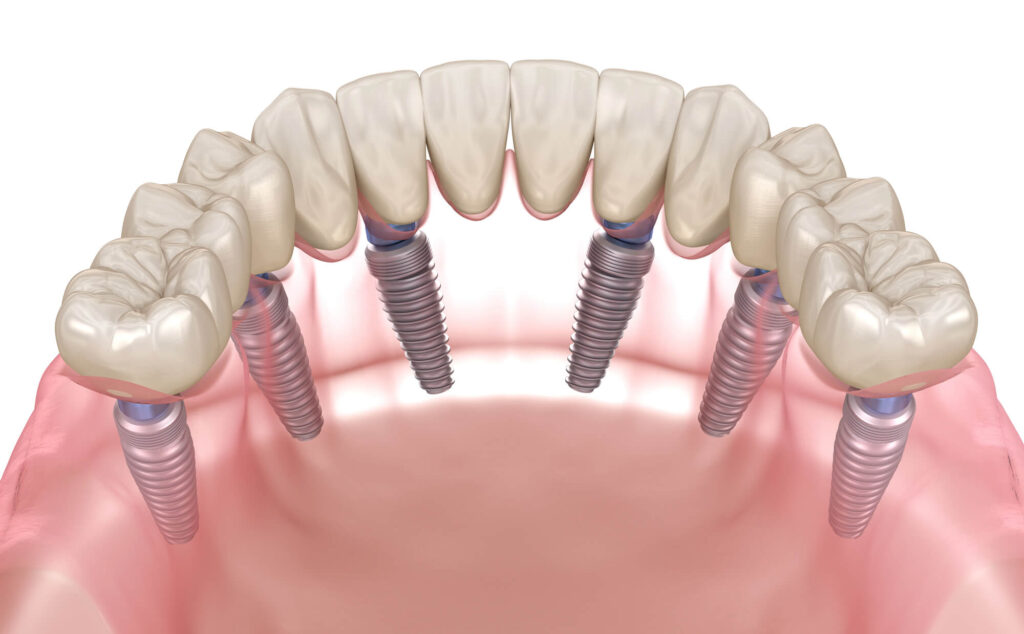
The All-on-X—also known as All-on-4— dental implant solution—is a modern full-arch implant technique offering a permanent option for tooth loss. Using just four or more strategically placed dental implants per arch, this system secures a fixed dental bridge that restores your smile, bite, and facial profile.

Unlike traditional snap-on dentures, All-on-4 implants:

    • Do not require denture adhesives or removal for cleaning
    • Prevent bone loss by stimulating the jawbone
    • Support the cheeks and lips, reducing facial sagging and sinking
    • Can restore your full smile in just 24 hours with the Teeth in 24 protocol
    • Give the patient a full-arch reconstruction without sacrificing function or taste

All-on-4 dental implants are ideal for patients with sufficient bone density or those who may qualify for bone grafts, zygomatic dental implants, or sinus lift procedures to enhance implant placement.

Introducing the 4M Removable Smile Option

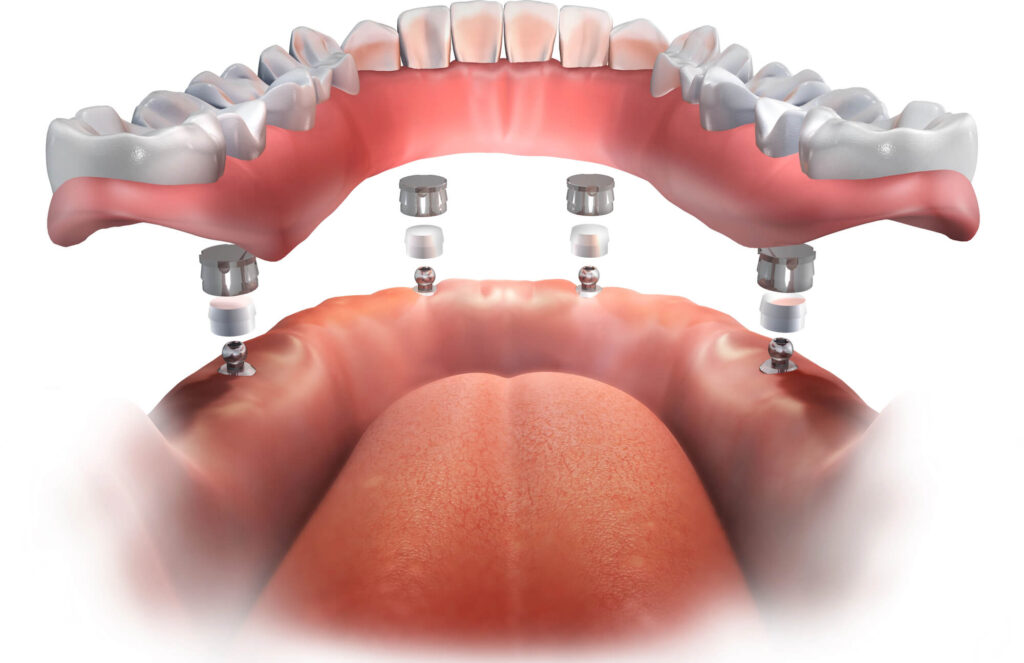
For patients with unique health conditions and oral issues, or for those seeking a more budget-conscious yet stable full-mouth restoration solution, 4M Dental offers the 4M Removable Smile. They are an implant-supported denture option, also known as snap-on dentures, and are uniquely designed to combine the removability of traditional dentures with the enhanced stability of dental implants.

Key Benefits:

    • Two implants anchor the denture, improving function and minimizing slippage
    • Aesthetic, gum-contoured design to support facial muscles and cheek volume
    • More comfortable than traditional dentures, enough for everyday wear, with easy removability for hygiene.

Considerations:

    • As it already requires implant surgery, patients are encouraged to simply opt for full-arch dental implants instead.
    • They still require nightly cleaning and maintenance like traditional dentures.
    • Snap-on dentures can still be challenging for eating, offering around 40% of the chewing function of natural teeth, which is only marginally better than traditional dentures.

Included in the Package:

    • Tooth removal
    • Bone grafting to preserve jawbone health
    • IV sedation for a pain-free experience
    • Two sets of removable dentures
    • 4M ForeverCare After Kit to maintain your dental care routine

These are an option for those rare patients who aren’t candidates for fixed full-arch implants or prefer a removable alternative with implant support, although we encourage taking the small jump to dental implants if possible.

Functionality and Comfort: How They Compare

When choosing between All-on-4 dental implants and traditional dentures, you should know that each solution comes with its unique set of advantages and considerations, impacting daily life, from eating to overall oral health. Here, we delve into how each option stacks up in terms of practical use and comfort.

Speaking, Eating, and Everyday Use

Traditional dentures can slip or shift during daily activities like eating or speaking, leading to embarrassment or frustration for denture wearers. In contrast:

    • All-on-X or Full-arch dental implants offer a firm bite and allow patients to enjoy a full range of foods, including tough meats and crunchy vegetables.
    • 4M Removable Smile provides superior stability over conventional dentures, reducing the need for adhesives and improving chewing efficiency.

Jawbone Preservation and Bone Loss

One of the most critical differences between treatment options is their impact on jawbone health:

    • Traditional dentures do not stimulate the jawbone, accelerating bone resorption and facial sinking.
    • All-on-X implants act like natural tooth roots, preserving bone density and facial structure.
    • 4M Removable Smile snap-on denture 2 implants, which help maintain jawbone volume and gum health even in a removable format. Some patients require bone grafting as well to compensate for low bone density, but it can be minimal.

Fit and Stability Over Time

Over time, the gums and jawbone shrink, making traditional dentures loose and uncomfortable. This leads to:

    • Frequent relines and adjustments
    • Poor fit, gum irritation, and functional limitations

All-on-X full-arch dental implants address these concerns through implant anchorage, providing longer-lasting stability and minimizing adjustments. With 4M Removable Smile implant-supported dentures, patients also receive increased stability compared to conventional dentures, but lower compared to full-arch implants.

The Treatment Process

The timeline and process are aspects no patient can ignore and will likely rank high on their list of factors before making a decision on which full-arch replacement to opt for.

 What to Expect with Traditional Dentures


Traditional denture fabrication involves several appointments:

    • Impressions and mold creation
    • Fitting sessions with bite adjustments
    • Periodic relines due to gum changes

While non-invasive, this method does not address bone loss and requires ongoing maintenance, use of a daily denture cleaning solution, and constant worries about denture stability.  

The All-on-X Journey

With the 4M All-on-X approach, patients benefit from:

    • Comprehensive evaluation and digital dental technology planning
    • Implant surgery with IV sedation
    • Same-day placement of a temporary full-arch prosthesis, 24-hour final hybrid prosthesis (Teeth in 24), or final zirconia prosthesis after healing (4M Forever Smile)

This streamlined process reduces downtime and accelerates the transformation of your smile.

The 4M Removable Smile Experience

The 4M Removable Smile follows a predictable, comfort-focused process:

    • Tooth extraction and implant placement under IV sedation
    • Bone grafting to build up bone for future support
    • Delivery of an immediate denture during healing.
    • A second custom-designed implant-stabilized overdenture secured with two implant abutments is included for longevity and convenience

All of this is performed by skilled dental professionals at a certified 4M dental facility.

Costs, Insurance, and Value Over Time

When considering full-arch replacement options, it’s not just about the price tag on a single procedure, but about truly understanding the long-term value for your dental health.

Let’s break down the financial aspects of choosing between All-on-4 implants and traditional dentures, helping you make an informed decision that fits both your dental needs and budget.

Comparing Upfront Costs

    • Traditional dentures are the most affordable option upfront, but costs add up with relines and replacements.
    • All-on-4 dental implants involve a higher initial investment but deliver long-term cost savings due to their durability and minimal upkeep.
    • 4M Removable Smile strikes a balance between affordability and performance, making these snap-on dentures ideal for patients seeking cost-effective, stable implant-assisted dentures.

Long-Term Maintenance and Replacement

    • Dentures need frequent repairs and replacements every 5-7 years.
    • All-on-X full-arch prosthesis, especially zirconia, can last decades with proper care.
    • 4M Removable Smile implant-supported dentures offer longevity and stability, reducing future expenses for a perfect middle-ground in terms of upfront cost.

Does Insurance Cover It?

Most dental insurance plans provide partial coverage for dentures, including snap-on dentures, and some implant components. 4M Dental offers flexible financing options and personalized treatment plans to make high-quality dental care accessible.

Who Is a Good Candidate?

Notwithstanding personal preferences and a patient’s budget, dental professionals will be the ones to ultimately recommend the best full-mouth teeth replacement option for each candidate.

Evaluating Bone Density and Health Conditions

Candidates for a full-arch bridge of dental implants or implant-supported dentures need adequate bone density and healthy gums. For those with bone loss, bone grafting or zygomatic implants may be considered.

When Bone Grafts Are Necessary—and When They Aren’t

All-on-4 dental implants may avoid grafts with angled placement techniques, while the 4M Removable Smile includes bone grafting as part of the treatment package if they are necessary.

Lifestyle and Age Considerations

If you value:

    • A confident, functional smile
    • Long-term jawbone preservation
    • A youthful facial appearance

Then, the All-on-X implant solution should be your top choice, followed by the 4M Removable Smile if your case requires it. Both will be guided by 4M expert dental professionals who will leave you with a quality of life and smile.

Making the Right Choice for Your Smile

Feature Traditional Dentures All-on-X Implants 4M Removable Smile
Stability Low High Medium-High
Jawbone Preservation No Yes Limited to the implant area.
Cost $ $$$ $$
Lifespan 5-7 Years 20+ Years 5-7 Years
Cleaning Remove nightly Brush like teeth Remove nightly
Comfort Variable High Medium
Function Limited Natural-like Improved chewing vs traditional denture

What Matters Most to You?

Whether you prioritize long-term savings, enhanced comfort, or a more affordable upgrade from traditional dentures, your smile deserves a solution that fits your goals and lifestyle.

Take the First Step: Book Your 4M Smile Assessment

The journey to restoring your smile begins with a personalized consultation at a 4M Dental office. During your visit, we’ll explore your candidacy for All-on-X or the innovative 4M Removable Smile, review dental implants cost considerations, and discuss your dental insurance and financing options tailored to your needs.

Whether you’re interested in 4 dental implants, fixed dentures, or partial dentures, our team will guide you through the benefits and suitability of each solution. For patients seeking faster results, we offer immediate dentures and Snap options that combine stability with convenience.

We also provide expert care for those considering complete dentures, 4 implants, or replacing existing restorations. Every plan is designed to help you achieve a comfortable, functional, and confident smile.

Don’t wait to rediscover your best smile—contact 4M today and start your transformation.

Filed Under: Uncategorized

Dental Implants vs Bridges for Adults: What’s Right for Your Smile?

June 25, 2025 by 4M Dental Implants Leave a Comment

When adults face tooth loss, whether from injury, decay, or gum disease, one of the first decisions they’ll encounter is choosing the right tooth replacement option. Among the most common solutions recommended by dental professionals are dental implants and dental bridges. Each offers a path to restoring both the function and appearance of missing teeth, yet they differ significantly in design, treatment process, and long-term benefits.

For patients at 4M Dental Implant Center, this decision often not only centers on just appearance, but on preserving bone structure, protecting adjacent teeth, and ensuring lasting confidence in your smile.

In this guide, we’ll break down the advantages, limitations, costs, and health implications of dental implants vs bridges, providing a clear, comprehensive comparison to help you choose the most effective solution for your unique needs.

Understanding the Basics: What Are Dental Implants and Bridges?

Before diving into the specifics of each option, let’s make it absolutely clear what dental implants and bridges are. While both have similarities, they differ in key aspects.

Both aim to fill the gaps of missing teeth but achieve this through different methods and materials.

What Is a Dental Implant?

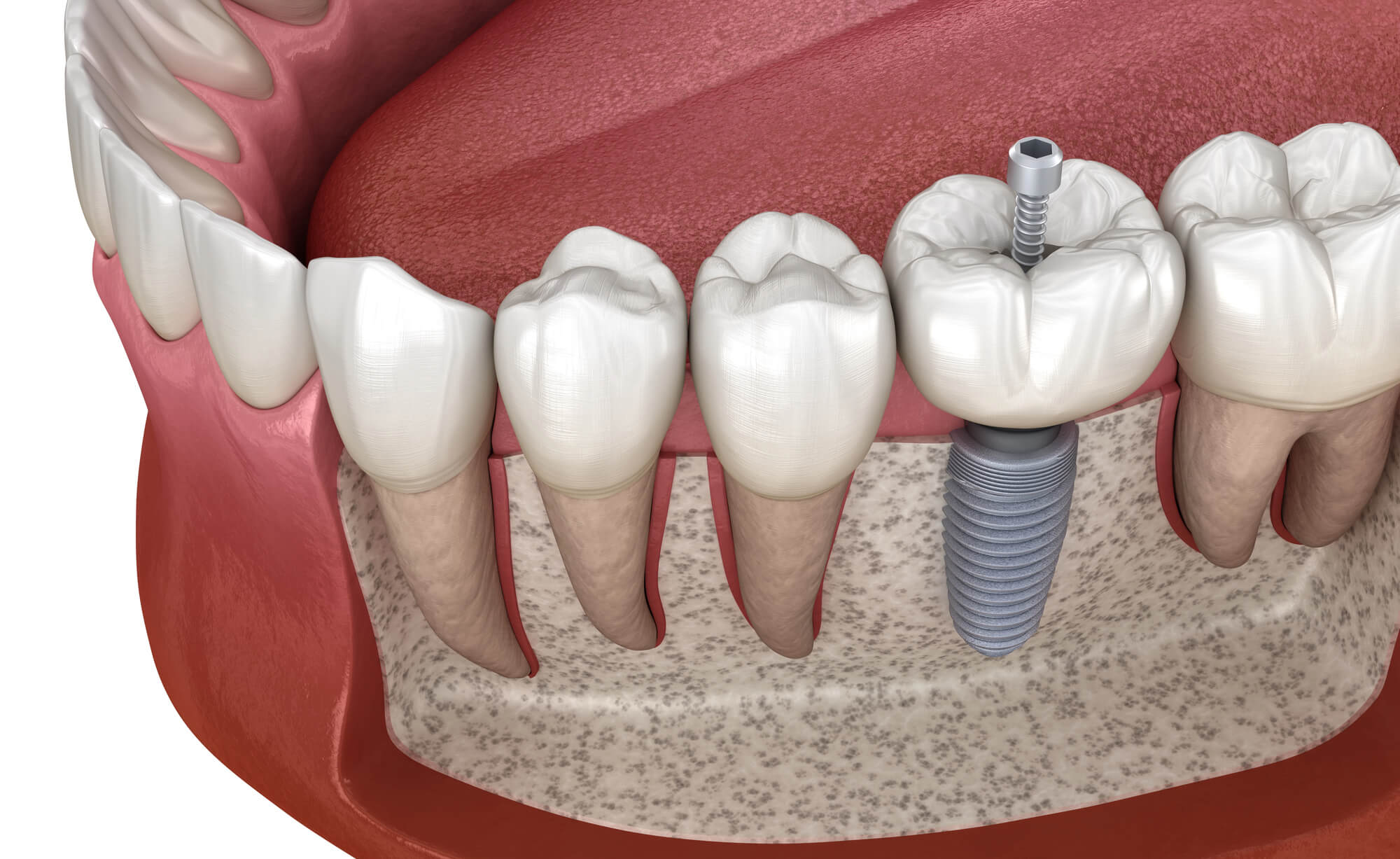
A dental implant is a long-term solution for replacing missing teeth by mimicking the natural structure of a tooth. It consists of a titanium post that is surgically placed into the jawbone, acting as an artificial tooth root. Over time, this post fuses with the bone through a process called osseointegration, forming a stable foundation for the implant crown—the visible part that resembles a natural tooth.

The implant is completed with a connector post, known as an abutment, which links the implant to the crown. This system provides the closest replication to a real tooth, both in function and appearance, making it one of the most advanced solutions in modern dental prosthetics.

For adults seeking a permanent solution that supports jawbone health and long-term oral stability, dental implants are considered a superior treatment option, particularly for those with sufficient bone density or those who are eligible for bone grafting procedures.

What Is a Dental Bridge?

A dental bridge is a restorative option that uses one or more false teeth (prosthetic teeth) to fill the gap left by missing teeth. These false teeth, known as pontics, are typically held in place by attaching to abutment teeth, the healthy adjacent teeth on either side of the gap. These teeth are reshaped and fitted with dental crowns to anchor the bridge.

There are more than one type of bridge:

  • Traditional bridges
  • Cantilever bridges
  • Resin-bonded bridges (also called Maryland bridges).

Each is suited for different clinical scenarios and anatomical factors.

Unlike implants, bridges do not involve placement into the jawbone and are considered a quicker process with fewer visits. However, the trade-off may include loss of healthy tooth structure and no stimulation of the jawbone beneath the missing tooth, potentially leading to bone resorption over time.

Dental bridges remain a viable option for many adults, especially those seeking a non-surgical treatment choice or those with insufficient bone density who are not immediate candidates for implants.

Comparing Functionality and Appearance

Appearance is a key, and valid, deciding factor for many when deciding on which solution for replacement teeth is best for them, along with their functionality.

Each option has distinct advantages and limitations that influence their effectiveness in mimicking natural teeth. Let’s delve into how these dental solutions compare in terms of both everyday functionality and their aesthetic appeal.

Natural Look and Feel

One of the most important considerations for adults choosing between dental implants and dental bridges is how closely the restoration resembles and functions like natural teeth.

  • Dental implants are designed to replicate not just the visible crown, but the root structure of a tooth as well. By anchoring a prosthetic tooth into the jawbone with a titanium post, implants offer the most natural appearance and feel available in tooth replacement. This deep integration means the implant crown emerges from the gum line just like a natural tooth, preserving gum contour and supporting a natural-looking appearance over time.
  • Bridges, while cosmetically effective, rely on dental crowns affixed to neighboring teeth. This approach can look aesthetically pleasing initially but may not age as well, especially if the underlying abutment teeth are affected by wear or decay.

Comfort and Bite Strength

  • Dental implants also offer unmatched comfort and functionality. Because they are embedded into the jawbone, implants restore full chewing power and stability. Patients can eat, speak, and smile without worrying about slippage or uneven pressure on surrounding teeth. This is particularly beneficial when replacing single teeth or multiple consecutive teeth in areas requiring strong bite force.
  • Bridges, on the other hand, distribute biting pressure to the abutment teeth. Over time, this can cause stress on those healthy teeth, potentially leading to damage, discomfort, or failure of the dental bridge. Additionally, because bridges do not stimulate the jawbone, patients may eventually experience changes in facial shape or a sunken appearance due to bone loss.

Implants act as a true replacement for the entire tooth structure, while bridges offer a surface-level fix. For those seeking long-term bite strength and the most natural functionality, the implant is often the more effective solution.

Oral Health Considerations: Bone Loss, Adjacent Teeth, and Longevity

When evaluating dental implants versus bridges, also consider the impact each treatment has not only on replacing the missing tooth but also on your long-term oral health and the surrounding structures in your mouth.

Bone Preservation

  • Dental implants: One of the most significant advantages of dental implants is their role in maintaining jawbone health. Because the titanium post functions as an artificial tooth root, it stimulates the surrounding bone, preventing bone resorption that typically follows tooth loss. This ongoing stimulation is vital for preserving the structural integrity of the jaw and maintaining a youthful facial appearance.
  • Bridges: Dental bridges, in contrast, rest above the gum line and do not engage with the bone beneath the missing tooth. Without that stimulation, the jawbone can gradually shrink in the area of the missing tooth, leading to changes in facial shape and long-term bone density issues. This is particularly concerning in patients replacing multiple teeth or those who have already experienced some level of bone loss.

Impact on Adjacent Healthy Teeth

  • Bridges: Dental bridges rely heavily on the teeth adjacent to the missing tooth, known as abutment teeth. To place a bridge, these neighboring teeth must be shaved down to support crowns, even if they are completely healthy. This compromises the structural integrity of otherwise undamaged teeth and increases the risk of future decay or sensitivity.
  • Dental implants: Implants, on the other hand, are standalone restorations. They do not require alteration of adjacent teeth and thus help preserve the natural enamel and function of surrounding healthy teeth. This makes implants an ideal choice for patients who want to avoid unnecessary damage to their existing tooth structure.

Long-Term Health Outcomes

  • Dental implants: In terms of durability and oral health maintenance, dental implants offer superior outcomes. With proper care, implants can last decades (often a lifetime) without needing replacement. They maintain jawbone volume, protect surrounding teeth, and contribute to overall oral stability.
  • Bridges: While effective, bridges typically require replacement every 5 to 15 years, depending on materials, usage, and hygiene. They are more susceptible to wear, decay around abutment teeth, and potential complications over time. This leads to more frequent dental procedures and a higher risk of cumulative tooth loss if the underlying support weakens.

Cost Factors: Upfront vs. Long-Term Investment

Cost is often a major deciding factor for adults choosing between dental implants and bridges. While both are common solutions for tooth replacement, they differ significantly in terms of initial costs, insurance coverage, and long-term value.

Upfront Costs

  • Dental implants: The initial investment for dental implants tends to be higher. This is due to the surgical procedure, use of high-grade materials like titanium posts, diagnostic imaging, and potential additional treatments such as bone grafting. For patients needing multiple implants or implant-supported bridges, the cost can increase depending on the complexity of the case and treatment time.
  • Bridges: Bridges, on the other hand, generally come with a lower upfront cost. Because they don’t involve surgery or bone integration, they can often be completed in fewer appointments and require fewer procedures. This makes bridges an attractive treatment option for those seeking a quicker and more affordable solution in the short term.

Insurance and Coverage

Dental insurance plans vary in their coverage of restorative procedures.

  • Bridges: Many insurance providers cover a larger portion of bridge placement compared to implants. Bridges are often seen as a more traditional solution, which aligns better with older plan structures.
  • Dental implants: That said, modern insurance plans are increasingly recognizing the long-term benefits of dental implants and may offer partial coverage, especially if the treatment is deemed medically necessary. Patients should consult their insurance provider and consider any additional insurance riders that might apply to implant procedures or related care, such as bone grafting.

Long-Term Value

  • Dental implants: While dental implants involve a higher initial cost, they are widely regarded as a more cost-effective tooth replacement procedure over a patient’s lifetime. Dental implants rarely need replacement, and with proper care and routine follow-ups, they maintain function and appearance for decades.
  • Bridges: In contrast, bridges tend to require frequent replacements (every 5 to 15 years) and can incur added expenses from related issues such as decay in abutment teeth or compromised dental crowns. These recurring costs can surpass the cost of implants over time, especially when factoring in the need for additional treatments or more complex dental procedures.

For adults seeking a long-term solution with fewer interventions, dental implants represent a smart financial decision that balances upfront cost with extended value and durability.

Maintenance and Daily Care Requirements

Proper daily care is essential for the long-term success of any dental restoration. While both implants and bridges require commitment to oral hygiene, the maintenance routines and risks associated with each are notably different.

Caring for Dental Implants

  • Routine Hygiene: Brushing and flossing are performed just like with natural teeth. Standard oral hygiene tools are sufficient; no special devices are typically needed.
  • Durability and Longevity: Implants resist decay and can last a lifetime with proper care. Routine checkups (bi-annual visits) help maintain gum health and implant stability.
  • Risk Factors: Though rare, issues like peri-implantitis can arise from neglect or poor cleaning habits. Patients with conditions like diabetes or slower healing capacity may require more frequent monitoring.

Caring for Dental Bridges

  • Routine Hygiene: Requires meticulous cleaning under the false tooth to avoid trapped food and bacteria. Water flossers, floss threaders, or special cleaning tools are often necessary to clean hard-to-reach areas.
  • Durability and Longevity: Lifespan is generally 5–15 years, depending on care and material type. Risk of decay beneath the crowns or damage to abutment teeth over time.
  • Risk Factors: Increased likelihood of gum disease or cavities on supporting teeth if oral hygiene isn’t thorough. Maintenance is more complex due to the bridge’s design and connection across multiple teeth.

For adults weighing these options, dental implants typically require less effort for daily maintenance while offering a more resilient, hygienic outcome. However, bridges remain a viable option for those committed to a thorough cleaning routine and regular professional care.

Appointments and Recovery Time

While both procedures restore function and aesthetics, the treatment timeline, healing process, and number of appointments differ substantially.

What to Expect from a Dental Implant Procedure

  • Treatment Timeline: Implant procedures, on average, take only a session for consultation prior to implant surgery, which can be achieved in a day. This includes initial consultation, imaging, implant placement, healing period, abutment placement, and final restoration. If bone grafts are needed, the timeline might expand.
  • Surgical Involvement: Requires oral surgery to place the titanium post into the jawbone. Some patients may also need bone grafting if there is insufficient bone density for stable implant placement.
  • Healing Period: Healing time ranges from 3 to 6 months, depending on bone quality and overall health. Osseointegration is critical for long-term implant stability.
  • Appointments: Requires appointments beforehand to determine specifications of implants for patients, although temporary replacement teeth are ready in a day. Follow-up appointments will monitor healing and ensure implant integration.
  • Long-Term Outlook: Once healed, dental implants offer a permanent solution with minimal ongoing intervention. The longer timeline results in a more durable and integrated outcome.

What to Expect from a Dental Bridge Procedure

  • Treatment Timeline: Typically completed in 2–3 visits over a few weeks. Involves tooth preparation, dental impressions, temporary bridge placement, and final bridge placement.
  • Surgical Involvement: Less invasive surgery required—considered a non-invasive or minimally invasive option. Ideal for patients seeking a faster solution without a surgical procedure, although adjacent teeth are likely to be cut or modified as well.
  • Healing Period: Minimal healing required beyond adjustment to the bridge. Patients can resume normal eating and speaking within days of placement.
  • Appointments: Usually limited to an initial consultation, tooth preparation visit, and a follow-up for final bridge placement.
  • Long-Term Outlook: Provides faster aesthetic restoration but may require future replacements and maintenance. Doesn’t address underlying issues such as bone preservation or gum recession.

For adults balancing urgency with long-term benefit, implants require a longer commitment but yield more sustainable, biologically integrated results. Bridges, while faster, offer convenience at the cost of structural compromise and potential retreatment.

Which One is Right for You? Key Factors to Consider

Choosing between dental implants and bridges isn’t just about cost or convenience; it’s about your individual health, lifestyle, and long-term goals. Here are several key factors that influence treatment suitability:

Age and Bone Health

  • Dental implants: Younger adults and those in good general health with adequate bone density are typically strong candidates for dental implants. Older adults or those with insufficient bone density can also benefit from implants with the aid of bone grafting if some loss has already occurred. Implants promote bone growth and help maintain facial shape, which is particularly valuable as we age.
  • Bridges: They may be more appropriate for individuals who prefer to avoid surgery or have medical conditions that slow healing. They can also be suitable when the teeth adjacent to the gap are already crowned or compromised.

Number and Location of Missing Teeth

  • Dental implants: Dental implants are highly versatile and effective, whether you’re replacing a single tooth, multiple consecutive teeth, or even entire arches. In cases involving several missing teeth, implant-supported bridges or full-arch systems can offer structural and aesthetic advantages.
  • Bridges: Bridges are commonly used for small gaps where there are strong adjacent teeth to support the prosthetic. They’re often recommended when replacing a single missing tooth in an area with lower bite pressure, such as the front of the mouth.

Dental History and Existing Conditions

  • Dental implants: Patients with a history of periodontal disease, tooth decay, or insufficient bone structure may need additional treatments before implant placement. This can include bone grafting, gum therapy, or sinus lifts. An experienced dentist will conduct a thorough evaluation, including X-rays and dental impressions, to determine implant viability.
  • Bridges: Bridges are less dependent on bone density and may be recommended for patients who are not immediate candidates for implant surgery or those seeking a quicker, less complex treatment.

Budget, Insurance, and Long-Term Goals

  • Dental implants: Implants require a higher upfront investment, but they offer long-term value due to their durability and reduced need for future interventions. For patients focused on minimizing long-term issues and preserving oral health over time, implants are often the superior choice.
  • Bridges: Bridges, while less expensive initially, may be more heavily supported by dental insurance. However, the need for replacements, repairs, or additional procedures over the years can make them more costly in the long run. Weighing short-term affordability against long-term oral health and total cost of ownership is essential in making an informed decision.

The 4M Dental Implant Recommendation

  • 99.9% of Patients Qualify for Implants: At 4M Dental Implant Center, our advanced treatments and experience mean nearly all patients qualify for some form of implant treatment, even those who’ve been told otherwise.
  • Lifetime Smile Transformation: Our All-on-X treatment concept uses strategically placed implants to support entire arches of teeth. It’s a popular choice among adults looking for advanced solutions with long-term health benefits.
  • Technology and Sedation Expertise: With our in-house dental laboratory, implant posts, and custom bridges, we provide predictable outcomes and reduced treatment time. Our sedation options ensure comfort, especially for patients concerned about invasive surgery or healing capacity.

Restoring Your Smile with the Right Solution

When it comes to restoring your smile, both dental implants and bridges offer viable solutions, but the best choice ultimately depends on your oral health, personal goals, and long-term priorities. Dental bridges provide a faster, non-surgical option that may suit certain anatomical or financial constraints. However, they do not address underlying issues like bone preservation, nor do they offer the same longevity or stability.

Dental implants, on the other hand, are designed to mimic the full structure of a natural tooth: from root to crown. They help preserve bone density, protect neighboring teeth, and provide unmatched long-term performance. For adults who want to maintain a natural appearance, avoid frequent replacements, and invest in a solution with long-term health benefits, implants often deliver superior outcomes.

At 4M Dental Implant Center, our experienced team is committed to helping you make a confident, well-informed decision. Through advanced imaging, comprehensive evaluations, and fully personalized treatment plans, we guide each patient toward the most effective tooth replacement strategy for their unique situation, emphasizing that 99.9% of our patients end up qualifying for implants, no matter their conditions.

Ready to restore your smile? At 4M Dental Clinic, our cosmetic dentists specialize in solutions that support your oral health, whether you’re dealing with a missing tooth, bone loss, or need front tooth replacement. From zygomatic implants and fixed bridges to dental crowns and root canal therapy, we offer advanced care to replace missing teeth with natural-looking artificial teeth. Whether you’re concerned about bridge cost or seeking long-term options for your front teeth, our dental clinic provides expert guidance and treatment to help you smile with confidence again.

If you’re ready to explore your options and take the next step toward a beautiful, lasting smile, schedule your 4M Smile Assessment today.

Let’s find the solution that’s right for you, your health, and your future.

Filed Under: Uncategorized

Dental Bone Loss Restoration Techniques for Dental Implants

June 20, 2025 by 4M Dental Implants Leave a Comment

Bone loss in the jaw can significantly compromise a patient’s ability to receive dental implants or even sustain them after surgery.

Whether it occurs before or after implant placement, restoring lost bone is essential to support long-term oral function, facial aesthetics, and successful implant integration. Clinical studies show proper bone regeneration significantly improves success rates.

For anyone who has questions or doubts about whether dental implants can be for them, this comprehensive guide explores the modern surgical procedures and treatment options available to restore jawbone volume, prevent additional bone loss, and ensure a strong foundation for dental implants. This includes solutions for severe bone loss like zygomatic implants.

Understanding Bone Loss Around Dental Implants

Bone is the foundation of oral health and plays a crucial role in anchoring both natural teeth and artificial tooth roots, such as dental implants. When bone loss occurs around existing implants (what causes bone loss around dental implants), patients may notice dental implant bone loss symptoms like loosening or gum recession. When a tooth is lost, the surrounding bone, known as the alveolar bone, can begin to deteriorate due to a lack of stimulation from tooth roots. This condition, known as jawbone loss or dental bone loss, affects not just the site of the lost tooth but also the overall structure of the jaw. In severe cases, this may require advanced restoration techniques beyond traditional implant placement.

Common Causes of Bone Loss

  • Tooth Loss and Bone Resorption: When a natural tooth is extracted or lost and not replaced promptly, the supporting jawbone begins to shrink, a process called progressive bone loss.
  • Periodontal Disease: Advanced gum disease, including periodontitis, is a leading cause of bone deterioration. It destroys the bone and soft tissues that support the teeth.
  • Medical Conditions and Lifestyle Factors: Systemic conditions like uncontrolled diabetes, autoimmune diseases, and smoking can impair bone health and regeneration.
  • Poorly Fitted Dentures: Traditional dentures that rest on the gums without stimulating the jawbone can accelerate bone deterioration.
  • Trauma or Injury: Accidents or dental procedures can damage the jaw bones, leading to a loss of bone mass.

Signs of Bone Loss

Patients may not notice bone loss immediately. However, the following signs may indicate a problem:

  • Changes in facial structure or sagging appearance
  • Loosening or shifting of neighboring teeth
  • Difficulty wearing dentures or implants
  • Gum recession and exposed tooth roots
  • Unexplained tooth pain or sensitivity

Understanding these signs early helps patients and dental professionals develop appropriate treatment plans to restore the natural structure and function of the mouth. Early intervention can prevent the need for more extensive (and costly) restoration procedures

Prevention and Intervention: Pre-Surgical Bone Loss Management

When bone loss is diagnosed before dental implant placement, there are multiple techniques and strategies available to restore bone volume and create a stable foundation for the procedure. The cost of 2 dental implants with bone grafting varies based on the complexity of the case and materials used.

The Role of Bone Grafting in Pre-Implant Preparation

Bone grafting is one of the most effective solutions for patients with bone loss. For those concerned about dental bone graft cost, it’s important to know this investment prevents future implant failures. This surgical procedure involves placing bone graft material, which may include real bone, synthetic materials, or a bone substitute, into areas of insufficient bone to promote new bone growth and bone regeneration. The result is an increase in bone mass that allows for successful implant placement.

Types of Bone Grafting Procedures Used

  • Socket Preservation: Placed immediately after tooth extraction to prevent early bone loss.
  • Ridge Augmentation: Adds bone to a thin or narrow jaw ridge.
  • Sinus Lift: Adds bone material beneath the sinus cavity in the upper jaw to support implants.
  • Block Grafts: Uses a piece of bone harvested from the patient (often the chin or shin bone) to reconstruct severe bone loss areas.

Each of these procedures is designed to improve bone density, restore adequate bone height and width, and ultimately support the long-term success rate of dental implant treatments.

Bone Grafting Materials and Techniques

  • Autografts: Harvested from the patient’s own body, offering compatibility and strong outcomes. These have the highest success rates in dentistry for implant restoration.
  • Allografts: Donor bone from a bone bank, often cadaver bone. A more affordable option for patients concerned about dental implants with bone loss cost.
  • Xenografts: Animal-derived bone material. Frequently used in oral surgery when other options aren’t viable.
  • Alloplasts: Synthetic grafts made from materials like hydroxyapatite. Modern solutions for bone regeneration that avoid donor site surgery.

Additional support may include the use of barrier membranes (such as a resorbable collagen membrane) to protect grafts and enhance tissue regeneration.

Factors Influencing Bone Grafting Success

  • Amounts of bone needed and extent of bone loss
  • Overall oral health and the presence of gum disease or advanced gum disease
  • Control of systemic conditions like diabetes
  • Use of proper care and proper oral hygiene before and after the surgical procedure

Alternatives to Bone Grafting: Zygomatic and Pterygoid Implants

For patients with severe bone loss in the upper jaw who are not candidates for bone grafting or who prefer to avoid grafting procedures, zygomatic and pterygoid implants provide advanced alternatives to traditional implants. These solutions often have comparable success rates to conventional methods while avoiding the maximum time between bone graft and dental implant placement.

  • Zygomatic Implants are anchored in the cheekbone (zygoma), a dense and stable bone structure, allowing implant placement even when there is little to no bone in the posterior upper jaw. These implants eliminate the need for sinus lifts or bone grafting and are ideal for patients with advanced bone resorption.
  • Pterygoid Implants are placed in the pterygoid process of the sphenoid bone, offering an option for patients with extreme posterior maxillary bone loss. These implants provide posterior support and enable full-arch restorations without the need for traditional bone grafts.

Both options are ideal for patients who want immediate function and reduced treatment time, and they play a critical role in the success of full-mouth reconstructions like All-on-X implants when there is a lack of bone in the maxilla.

With these types of implants and advancements in bone regeneration techniques and a wide variety of grafting options, countless patients with bone loss can now qualify for dental implant procedures, even when they have been previously told they have a lack of bone or inadequate bone density.

What Happens When Bone Loss Occurs After Implant Surgery?

Although modern dental implant procedures have high success rates, bone loss can sometimes occur after the implants have been placed. Recognizing dental implant bone loss symptoms early is crucial to saving your investment.

Causes of Post-Implant Bone Loss

  • Peri-implantitis: A bacterial infection that affects the tissues and bone around an implant. It can lead to rapid bone loss if not treated promptly.
  • Inadequate Bone Integration: Failure of the bone to fuse properly with the implant surface, often due to insufficient bone density or medical conditions.
  • Excessive Bite Force: Uneven or misaligned bites can place stress on implants, leading to bone degradation.
  • Poor Oral Hygiene: Without proper care, plaque and bacteria buildup can trigger inflammation and bone loss.
  • Systemic Factors: Conditions like uncontrolled diabetes or autoimmune disorders can interfere with bone healing and regeneration.
  • Smoking: Tobacco use impairs blood flow, delays healing, and increases the risk of infection, making it a significant risk factor for post-implant bone loss and implant failure.

Signs and Symptoms to Watch For

Patients experiencing bone loss around implants may notice:

  • Increased mobility or loosening of the implant
  • Swelling, bleeding, or pus around the implant site
  • Recession of gum tissue reveals more of the implant
  • Pain when chewing or applying pressure

Post-Surgical Bone Loss Solutions & Techniques

When bone loss develops after an implant has been placed, specialized solutions are required to regenerate the lost bone and preserve the implant’s structural integrity.

Fortunately, several advanced treatment techniques are available.

Surgical Debridement

The very first option will be to simply clean the area and remove infected or necrotic tissue in hopes that this will allow for bone growth to continue and the area to heal properly, with this being the solution in most cases.

Regenerative Bone Grafting Around Implants

Post-surgical bone grafting is another common and effective solution. Dental professionals may place additional bone graft material—which could include synthetic materials, bone substitute, or bone from human donors—around the implant to stimulate bone growth and repair areas of loss. This technique supports the regeneration of bone and reestablishes a stable foundation.

Use of Guided Tissue Regeneration (GTR)

GTR involves placing a resorbable or non-resorbable barrier membrane over the graft site to direct new bone growth while protecting it from soft tissue interference. This enhances the success rate of bone regeneration by giving the graft material time to integrate.

Laser-Assisted Regeneration and Antimicrobial Rinses

Lasers are increasingly used to decontaminate the implant surface and stimulate tissue regeneration. Combined with antimicrobial rinses, these treatments reduce inflammation, manage infection, and encourage the immune response to rebuild lost bone tissue.

Surgical Revision or Implant Removal

In severe cases of progressive bone loss or implant failure, surgical treatment may include removing the implant, performing a bone augmentation procedure, and placing a new implant once sufficient bone structure has been restored. Options like Zygomatic implants or pterygoid implants may be considered for patients with extensive bone loss in the upper jaw.

Additional Preventive and Maintenance Options

  • Professional monitoring is done every 3–6 months, and routine visits are made with experienced team members at the clinic.
  • Custom oral hygiene plans with special dental instruments.
  • Antimicrobial rinses and optimized home care.
  • Avoiding risk factors such as smoking or poor nutrition.
  • Early intervention for signs of bone loss.

Together, these strategies help countless patients with bone loss regain their ability to support implants, ensuring long-term dental function and preserving the appearance of teeth and facial structure.

How Bone Health Affects Long-Term Implant Success Rates

Bone health plays a vital role in determining the longevity and success of dental implant procedures. The quantity, density, and quality of bone available directly influence the strength and stability of implants, making healthy bone a cornerstone of long-term dental function.

Key Factors Impacting Implant Success

  • Bone Density and Volume: Adequate bone structure is essential for initial implant stability and osseointegration. Insufficient bone increases the risk of complications associated with implant failure.
  • Type of Bone Grafting Used: The choice between autografts, allografts, synthetic materials, or xenografts affects healing timelines and success rates.
  • Patient Health and Lifestyle: Medical conditions like autoimmune diseases or uncontrolled diabetes can interfere with bone growth and implant integration. Smoking is another major risk factor.
  • Proper Placement and Surgical Techniques: Accurate placement using guided surgical methods ensures optimal integration and minimizes trauma to existing bone.

Long-Term Benefits of Optimal Bone Health

  • Stable Foundation for Implants: Healthy bone creates a firm anchor for artificial tooth roots, ensuring reliable function over time.
  • Reduced Risk of Future Bone Loss: Maintaining adequate bone density helps prevent jawbone deterioration and preserves facial structure.
  • Aesthetic Benefits: Proper bone support helps maintain the natural contour of the gums and appearance of teeth.
  • Improved Oral Function: Patients enjoy better chewing efficiency and speech with implants placed in strong, healthy bone.

With proper planning, surgical precision, and ongoing care, dental professionals can achieve successful treatments even in patients with bone loss, providing a permanent solution for tooth replacement and restoring healthy smiles.

Tips for Preventing Bone Loss

Prevention is the most effective strategy for long-term implant success and avoiding complications from dental bone loss. Maintaining jawbone health requires a combination of daily oral hygiene, lifestyle choices, and professional dental care.

Daily Practices for Bone Health

  • Brush twice daily and floss to remove plaque that contributes to periodontal disease.
  • Use antimicrobial rinses to reduce bacteria and support gum tissue health
  • Choose a soft-bristle toothbrush and avoid aggressive brushing that can harm gum tissues
  • Limit sugary foods and beverages that feed harmful oral bacteria

Lifestyle Habits That Promote Healthy Bone Structure

  • Quit smoking to improve blood flow and bone healing
  • Maintain a diet rich in calcium, phosphorus, and vitamin D to support bone regeneration
  • Manage chronic conditions such as diabetes that affect immune response and bone density
  • Stay hydrated to support soft tissues and salivary function

Professional Care and Monitoring

  • Schedule dental checkups every 3–6 months to catch early signs of bone loss.
  • Undergo regular cleanings to prevent the progression of gum disease
  • Work with a dental team experienced in dental implant procedures and bone grafting techniques
  • Take 3D imaging when necessary to evaluate bone volume and structure
  • Recognize all the early warning signs of bone loss, like receding gums, bad breath, or discomfort when biting or chewing.

With proper care and preventative action, patients can protect their bone structure and enjoy the numerous benefits of a permanent tooth replacement option like dental implants

Why Choose 4M for Bone Loss and Dental Implants

Choosing the right provider for dental implants and bone loss restoration is critical to achieving long-term oral health and a confident smile. At 4M Dental Implant Center, we combine clinical expertise, cutting-edge technology, and personalized care to deliver superior results, even in cases involving advanced gum disease or severe bone loss.

Comprehensive Treatment Planning

Each patient at 4M receives a thorough evaluation using 3D imaging and digital diagnostics. Our team assesses bone density, soft tissues, medical conditions, and the extent of bone loss to determine the most effective solution. Whether the case requires traditional implants, All-on-X dental implants, or advanced surgical treatment, we create a tailored treatment plan for optimal outcomes.

Advanced Techniques and Technology

We specialize in advanced techniques such as bone augmentation procedures, sinus lifts, zygomatic implants, and guided bone regeneration. Our on-site lab enables us to create high-quality restorations using the latest materials.

Expertise with Complex Cases

Many patients come to 4M after being told they have insufficient bone or are not candidates for dental implants. With our experienced team and the ability to perform multiple types of bone grafting procedures or alternatives to traditional implants, we have successfully treated countless patients with bone loss and restored both their dental function and confidence.

Same-Day Smiles and Reduced Treatment Time

Thanks to our in-house lab and fully digital workflow, we offer same-day implant teeth in many cases. Our Same-Day Smile and All-on-4 procedures streamline implant placement and allow for quicker recovery, giving patients a viable alternative to removable dentures and a faster path to a beautiful smile.

Lifetime Support and Maintenance

Our commitment doesn’t end with your surgery. We offer ongoing support, including All-on-4 preventative maintenance, 6-month follow-up visits, and education on proper care to extend the life of your implants and minimize the risk of failure or subsequent bone loss.

When it comes to restoring bone structure and delivering high success rate implant procedures, 4M Dental Implant Center stands apart for its precision, innovation, and compassionate care.

A Stronger Foundation for a Healthier Future

Whether you’re in the early stages of bone loss or facing complications after a dental implant procedure, it’s never too late to take control of your oral health. With advanced techniques, a highly skilled dental team, and comprehensive treatment options tailored to your condition, 4M Dental Implant Center is here to help you restore the strong foundation your smile deserves.

Don’t let bone loss limit your dental future. Contact 4M today to schedule your personalized consultation and discover the most effective solution for lasting function, comfort, and confidence.


Filed Under: Uncategorized

Mini Dental Implants vs Standard Implants: A Comparison

June 20, 2025 by 4M Dental Implants Leave a Comment

Modern dental care has a lot of tricks up its sleeve, making it hard for some to keep up if they’re not in the dentistry field itself. Millions of Americans have lost at least one tooth, making tooth loss a common issue that many face. Which is why solutions like mini implants might be news to patients considering options for replacing missing teeth. Many could be faced with the choice between mini dental implants vs standard implants. While both serve as artificial tooth roots to restore oral function, aesthetics, and health, both mini dental implants and standard implants are used to replace missing teeth, whether it’s one or several teeth. Understanding their differences  including the disadvantages of mini dental implants is crucial to choosing the right treatment plan. In today’s blog post, we’ll compare the two types of implants based on clinical effectiveness, procedure, durability, and candidacy, helping you determine the best dental restoration option for your unique needs and budget considerations like cost. The American Dental Association recommends verifying the credentials of dental professionals who perform implant procedures to ensure you receive care from a qualified provider.

Understanding Dental Implants: What Are We Comparing?

Dental implants are small posts, typically made of bio-compatible titanium, that are placed into the jawbone to serve as permanent tooth root replacements. After the dental implant surgery and over time, these posts fuse with the bone tissue in a process called osseointegration, creating a stable foundation for a prosthetic replacement tooth such as a crown, bridge, or implant-retained denture. Dental implants can now perfectly emulate natural teeth and even surpass them in many aspects, with traditional implants lasting for decades and through intensive use, as long as proper care is applied. However, there are also broader options for different cases, including dental mini implants, which are a minimally invasive alternative. Among those options are now mini – implants.

Mini Implants vs Standard or Traditional Implants

  • Mini dental implants (MDIs) are smaller in diameter, often 2 to 3 mm, and are generally a one-piece implant post.
  • Standard or traditional implants (also called regular implants, full-size dental implants, or normal-sized dental implants) range from 3.5 to 6 mm and are typically two-piece systems with a separate connector piece.
  • At 4M Dental Implant Centers, titanium-reinforced PMMA materials are used to ensure optimal strength and durability for standard implants, which are far and away the optimal choice for 99.9% of our patients.

Mini Dental Implants: Pros, Cons, and Best-Use Cases

Mini implants are a type of implant often considered for cases with limited bone density or narrow spaces where standard-size dental implants may not fit. These are sometimes recommended as well by some clinics for denture stabilization or as temporary teeth solutions.

Although mini implants were invented in the 1970s, it wasn’t until the late 1990s that their use became more common, though mostly as an alternative to cases where regular implants weren’t as viable back then. However, advancements in technology and techniques for standard implants have made those cases even rarer.

Benefits of Mini Implants

  • Less invasive surgery in some cases, with a shorter healing time and quicker recovery time, although that might not always be the case.
  • May not require bone grafting procedures.
  • Viable for compromised patients or those with medical conditions like uncontrolled diabetes or immune deficiencies.
  • Ideal for implant-retained dentures.
  • Useful when there’s insufficient bone density, gum tissue, or vertical bone loss.
  • An often more affordable option in some cases where bone loss or other conditions make regular implants more complicated.

Limitations of Mini Implants

  • Less suitable for single tooth replacement in molar regions with higher bite strength demands, which is where implants are actually most needed.
  • Shorter longevity and level of stability compared to standard implants.
  • Often seen as an alternative solution, not the preferred option

Disadvantages of mini dental implants also include limited durability – how long do mini implants last typically falls short of traditional dental implants. For seniors considering screwless dental implants, it’s important to weigh the cost of mini dental implants against their lifespan.

Standard Dental Implants: Full-Function, Long-Term Solutions

Standard implants, or just regular implants, are the larger implants used in the majority of implant dentistry cases. They are more versatile and used for consecutive teeth, a single missing tooth, or full-arch solutions with implant-supported bridges.

As replacement teeth, the larger size of conventional implants is practically superior in most cases of tooth loss.

Benefits of Standard Implants

  • Better weight distribution and structural strength.
  • Ideal for long-term solutions and daily functions.
  • Mimics the look and feel of real teeth.
  • Supports facial integrity, preventing bone atrophy, bone resorption, and facial structure loss.
  • Excellent choice for dental crowns, dental bridges, and permanent fixtures.

Considerations for Standard Implants

  • May involve bone grafts or bone regeneration procedures in cases of extreme jaw bone loss or bone deterioration.
  • Slightly longer healing process and waiting period before final restorations.
  • Considered a more invasive procedure, but results in an aesthetically pleasing and fully functional tooth.

Mini vs Standard: Comparative Table

Factor Mini Dental Implants Standard Dental Implants
Diameter <3mm 3.5-6mm
Invasiveness Minimal; no flaps, less bleeding Surgical flap, longer healing
Bone Requirements Suitable for limited bone density May require bone graft procedure
Healing Time Faster recovery; quicker recovery time Longer but leads to bone growth
Durability Moderate; not for all bite loads Long-lasting; high bite power
Use Case Denture support, temp use Full-mouth, single teeth, bridges
Structural Integrity Lower due to smaller implant screw Higher; larger surface, titanium rod
Facial Support Minimal bone stimulation Prevents bone loss, preserves soft tissue

Who Is the Best Candidate?

Mini implants continue to be used as a second-rate dental implant procedure option for people with certain medical conditions, injuries, and even for financial reasons, as they’re, on average, a more affordable option.

However, with continued advancements in bone grafting, materials, and other techniques, there are fewer and fewer cases where the larger-sized regular implants are not the most effective solution.

Candidates for Mini Implants

  • Option for patients with limited space or atrophic ridge patients.
  • Older adults with loose dentures or seeking a non-invasive treatment option.
  • Not ideal for those requiring full-mouth implant treatment or higher oral function loads.

Candidates for Standard Implants

  • Patients with sufficient bone density for successful placement.
  • Those seeking permanent solutions to missing teeth.
  • Individuals needing a stable foundation for multiple teeth or dental procedures involving bridgework.

Why 4M Uses Standard Titanium-Based Implants Only

At 4M Dental Implant Centers, we are committed to delivering permanent solutions with maximum durability and natural bone support. We exclusively use titanium post systems with PMMA or zirconia prosthetics, but never mini-implants, which are a substandard option of care, with years of experience of encountering patients from other clinics who required our standard implants to replace their ineffective mini-implants.

Benefits of 4M’s Approach

  • Custom-fit treatment options based on medical history and dental conditions
  • Advanced diagnostics to determine bone structure, bone preservation, and risk of damage to bone
  • Higher success in dental implant placement due to digital planning
  • Offers a longer-term solution than mini implants

Choosing Between Mini Dental Implants vs Standard Implants

When weighing treatment plans for replacing damaged teeth, removable dentures, or conventional dentures, both mini-dental implants and regular implants will likely present themselves as an option. But your best choice for people who want an attractive smile, a brighter smile, and a confident smile lies in how durable and stable that solution is long-term.

If you want a permanent fixture with proper bone regeneration, bone fuses properly to titanium, and the implant post provides complete dental restoration, then standard-sized implants are the preferred option.

Book Your Free Smile Assessment with 4M Today

Don’t leave your smile to chance. At 4M, we evaluate your bone density, soft tissue, and full medical history to design the right implant treatment for you. Whether it’s replacing single teeth or full arches, we provide expert advice, world-class dental implant dentists, and a custom-made dental crown that lasts.

  • Schedule your dental implant consult today
  • Get answers about dental implant cost, healing time, and implant type
  • Learn why 99.9% of our patients qualify for a permanent solution

Experience the power and permanence of our standard implant procedures and services. Your beautiful smile starts now.

This blog post is for informational purposes only. Always consult a licensed dental professional for personalized implant dentistry recommendations.

Filed Under: Uncategorized

Medications to Avoid Before Dental Implant Surgery

June 16, 2025 by 4M Dental Implants Leave a Comment

Dental implants are a transformative solution for replacing missing or damaged teeth, with a success rate at 4M Dental being 99%, thanks to their expertise and with proper aftercare on the part of the patients. However, often the essential proper preparation is overlooked by patients, meant to ensure a smooth surgical procedure and optimal oral health outcomes. And much of that preparation has to do with what to avoid and what to take before and on the day of surgery. In this guide, we’ll walk you through the most important medication considerations and certain medications before dental implant surgery that you should avoid before undergoing dental implant placement, while also discussing how 4M Dental’s expert surgeons help reduce the risk of complications.

What is Dental Implant Surgery?

Before diving into medications, it’s important to understand how dental implant surgery works. Dental implant surgery is a multi-stage minor surgery that replaces missing teeth with artificial tooth roots and crowns. At 4M Dental Implant Center, our implant treatment solutions, including full-arch restorations and single implants, are designed to address tooth loss by replacing teeth with permanent implants and restoring function, aesthetics, and bone health. A typical dental implant procedure involves:
  • Implant placement into the jawbone (a titanium post mimics the tooth root)
  • Osseointegration, where the bone heals and fuses around the implant
  • Attachment of a crown or prosthetic for the final restoration
Our implant dentists use cutting-edge imaging and digital workflows to ensure each placement fits your unique bone structure, even in complex cases involving bone grafting or periodontal surgery. The procedure is tailored to both healthy individuals and those with complex medical conditions to minimize the risk of complications and ensure a successful outcome.

Why Medications Matter Before Dental Surgery

Many patients take daily medications for chronic conditions, pain, or other reasons. But before dental implant surgery, your medication regimen can impact how your body handles anesthesia, bleeding, infection risk, and bone healing. Some medications, such as anticoagulants, pain relievers, and certain antidepressants (e.g., selective serotonin reuptake inhibitors), have been shown to affect bone quality or increase the risk of complications during and after oral surgery. Others, like herbal supplements or over-the-counter pain relievers, may interfere with your body’s clotting response or sedation medications. That’s why it’s critical to disclose your full list of current medications to your implant dentist or oral surgeon well in advance of the surgical procedure. Understanding your medical conditions helps your care team adjust your treatment plan to safeguard against infection risk, avoid adverse reactions, ensure a safe and successful procedure.

Common Medications Before Dental Implant Surgery to Avoid

To reduce the risk of excessive bleeding, poor bone regeneration, or medication interactions, your MD may advise you to stop taking the following before implant surgery:

Anticoagulants and Blood Thinners

Anticoagulants and blood thinners are commonly prescribed to prevent stroke or heart attacks, especially for patients with heart conditions. These medications work by reducing the blood’s ability to clot, which is useful in preventing dangerous clots but presents a challenge during surgery. During dental implant placements, controlled bleeding is essential for a successful outcome. Medications like warfarin, aspirin, Eliquis, Xarelto, and Plavix can increase the risk of excessive bleeding during and after the procedure. Your 4M surgeon will evaluate the necessity of these medications with your primary care doctor or cardiologist to determine if a pause or adjustment in dosage is appropriate. It’s critical not to stop these medications on your own.

NSAIDs and Over-the-Counter Pain Relievers

Nonsteroidal anti-inflammatory drugs (NSAIDs), including ibuprofen (Advil, Motrin) and naproxen (Aleve), are often used for managing pain and inflammation. However, they also have a blood-thinning effect, which can increase the risk of bleeding during implant surgery. These over-the-counter pain medications may interfere with the body’s natural healing processes, affect bone healing and osseointegration – the fusion between the implant and jawbone. For these reasons, your dental team may recommend switching to acetaminophen (Tylenol), which is safer for managing pain without affecting bleeding or bone regeneration. As always, follow your provider’s pre-operative instructions closely.

Herbal Supplements and Natural Remedies

Many patients are surprised to learn that common herbal supplements can affect surgical outcomes. Substances like ginkgo biloba, garlic pills, turmeric, and fish oil are natural blood thinners that can impair the clotting process, just like prescription anticoagulants. Even though these supplements are considered “natural,” they can increase the risk of surgical complications such as excessive bleeding, poor wound healing, and negative interactions with sedation medications. It’s important to stop these supplements at least 7 to 10 days before your procedure and discuss all supplement use with your provider during your pre-surgical consultation.

Diabetes, Heart, and Blood Pressure Medications

Chronic conditions such as diabetes, heart disease, and hypertension often require daily medications that can influence surgical outcomes. Certain medications for these conditions can interfere with sedation or may need to be adjusted to ensure stable vitals during the procedure. Patients with diabetes, in particular, must manage their blood glucose levels carefully, as poor control can delay healing and increase the risk of infection. Your surgeon may coordinate with your general physician to adjust medications temporarily and establish a plan that ensures your safety during the implant procedure. Never change your prescribed medications without medical supervision.

Tobacco, Alcohol, and Recreational Substances

While not medications in the traditional sense, tobacco, alcohol, and recreational drug use can have a significant impact on the success of your dental implant treatment. Nicotine restricts blood flow and can impair bone regeneration, while alcohol can interact with anesthesia and pain medications. Recreational drugs, including marijuana and illicit substances, complicate anesthesia delivery and may increase postoperative risks. It is essential to disclose any usage honestly during your pre-surgical evaluation. Avoiding these substances before and days after surgery is one of the most important steps you can take to protect your implants and ensure a smooth recovery.

Medications You Should Take or Prepare Before Implant Surgery

Not all medications are harmful. In fact, some, like preoperative antibiotics and anti-anxiety medications, are essential to help prevent infection and reduce pre and postoperative complications.

Preoperative Antibiotic Treatment

Prescribed based on your individual medical history, antibiotic doses are often part of your pre-surgery regimen. Whether it’s a single preoperative dose or a short antibiotic regimen, the goal is to lower bacterial levels in the mouth and reduce the risk of infection postoperatively.

Chlorhexidine Mouth Rinse

Chlorhexidine gluconate is an antibacterial mouthwash prescribed to reduce the bacterial load in your mouth before surgery. This helps ensure a sterile surgical environment and supports healing. Use it exactly as instructed by your provider and do not substitute it with store-bought mouthwashes. Chlorhexidine mouthwash is an alternative when an antibiotic prophylaxis regimen might not be an available option or used as a complement to antibiotic coverage.

Sedation and Anti-Anxiety Medications

If you’re receiving IV or oral sedation, your dentist may prescribe a single dose of anti-anxiety medications to take before surgery. These help reduce stress and ensure a more comfortable experience. Always follow fasting and dosage instructions, and arrange for someone to accompany you to your appointment.

Pre-Surgery Checklist to Minimize Complications

Proper planning and adherence to instructions reduce the chance of complications and help ensure a smooth experience on the day of surgery.
  • Provide a detailed list of current medications, including supplements.
  • Disclose all medical conditions and surgical history.
  • Pick up your prescribed medications, including antibiotics and chlorhexidine rinse.
  • Do not eat solid food or consume alcohol the night before surgery.
  • Remove contact lenses and wear comfortable clothing.
  • Arrange for a responsible adult to drive you to and from your appointment.
  • Clean your teeth gently but thoroughly on the morning of your surgery.

Aftercare Rules: Supporting Your New Smile

Recovery plays a vital role in the long-term success of your dental implants. Here’s what to expect in the days and even hours after surgery and how to support healing after implant placement and avoid any postoperative complications.

Medication Resumption Timeline

  • Wait for the All-Clear: Only resume regular medications when approved by your medical provider.
  • Follow Doctor’s Orders: Take the full antibiotic regimen and any pain medication as prescribed in the week after surgery or more.
  • Chlorhexidine Mouthwash: Use chlorhexidine mouth rinse as directed to keep the implant site clean

Diet, Bone Healing & Oral Hygiene

  • Foods Allowed: Focus on soft foods for the first several days (e.g., yogurt, mashed potatoes, smoothies)
  • Foods to Avoid: Avoid hot, spicy, or cold foods that may irritate the surgical area.
  • Nutrition for Bone Growth: Nutrient-rich meals support bone growth after implants and bone grafts, reducing inflammation along the way.
  • Careful Dental Hygiene: Gently brush and rinse to prevent postoperative infection without disturbing healing sites.

Your 4M Smile Wellness Plan

At 4M Dental Implant Center, we go beyond the basics to ensure every implant procedure leads to long-term success.
  • In-house lab and digital workflows ensure same-day results in many cases.
  • Our lifetime warranty reflects our commitment to quality and patient satisfaction.
  • We offer ongoing education to maintain surrounding natural teeth and prevent bone loss.

Safe Preparation Leads to Long-Term Results

Proper planning before your dental implant surgery is not just a recommendation—it’s a vital part of ensuring a successful outcome. Understanding which medications to avoid is critical, as certain drugs can increase the risk of complications during and after the procedure. A safe and effective medication regimen, tailored to your specific needs, helps reduce potential risks and support healing. At 4M Dental, we thoroughly review each patient’s medication regimen prior to implants surgery. Some medications, especially blood thinners or those for heart conditions, can affect the implant procedure and may need to be adjusted under medical supervision. Our team works closely with patients and their physicians to ensure that these medications are managed safely within the right timeline. This approach to oral surgery preparation doesn’t just reduce risk—it helps create a more natural and long-lasting tooth replacement. Whether you’re undergoing a single implant or full-mouth dental implants, proper preparation plays a major role in your comfort, healing, and implant success. We recommend all patients discuss their full list of medications with us before any dental implant procedure. Knowing what to avoid and how to time your drug intake before and after the procedure helps minimize complications and supports long-term results. The process of placing implants dental involves more than the surgery itself—it includes expert planning, a review of your health history, and personalized recommendations. 4M Dental offers this comprehensive approach to make sure every aspect of your care is addressed. With expert surgeons, carefully designed timelines, and customized care plans, we ensure your implants surgery is safe, effective, and delivers the results you expect. Trust in 4M Dental to guide you through every step—from understanding which medications may affect your outcome to achieving the confident smile you deserve.

Frequently Asked Questions

Can I take ibuprofen or Advil before dental implant surgery?In most cases, no. NSAIDs like ibuprofen can increase the risk of bleeding. Use acetaminophen (Tylenol) instead, unless otherwise advised by your dentist.
Why is chlorhexidine prescribed before a dental procedure?Chlorhexidine gluconate is a powerful antibacterial rinse used to reduce bacteria in the mouth and lower the risk of infection before implant surgery.
Is it okay to stop heart medication before a surgical procedure?Never stop heart medications without approval from your primary care physician or cardiologist. Your dental surgeon will coordinate care as needed.
Will my surgeon coordinate with my primary care physician?Yes. At 4M, we frequently coordinate with outside providers to ensure any systemic conditions or prescription modulating factors are properly managed for the safest outcome.

Filed Under: Uncategorized

  • « Go to Previous Page
  • Page 1
  • Page 2
  • Page 3
  • Page 4
  • Page 5
  • Page 6
  • Go to Next Page »

Footer

4M Dental Implant Center

Your dream smile is just one step away

Schedule your free consultation

Don’t wait to reclaim your smile—permanent teeth in just 24 hours are closer than you think.

  • Home
  • Dental Implants
  • Cosmetic Dentistry
  • General Dentistry
  • Cost & Financing
  • Destination
  • Blog
  • Facebook
  • Youtube
  • Instagram
© 2025 4M Dental Implant Center
    • Privacy Policy
    • Terms of use