Thinking about dental veneers often starts with a simple hope: you want to have more confidence in your smile. That can quickly lead to a tangle of treatment options, estimates, and fine print.
One dental office may provide a per-tooth estimate, while another may recommend treating with a full set of veneers in the smile zone. Costs can vary widely depending on the dental material, number of shells, treatment complexity, location, and services included in each dental visit.
This guide provides general educational information rather than personal medical advice or actual prices for any dental practice.
Its purpose is to help you understand what affects veneer costs, compare treatment estimates more confidently, and prepare for a productive conversation with a dentist.
Schedule Your Free Consultation
Average Cost of Veneers Per Tooth in the U.S.
Most people want a clear answer to one question: What does one veneer cost? No online article can replace a dental examination and personalized estimate after a dental checkup.
However, broad national ranges can help you understand the possible scale of treatment before your consultation.
General Veneer Per Tooth Cost Ranges
A veneer is a thin shell that bonds to the front of a tooth to address several types of dental imperfections, including its color, shape, size, or visible position. There are two main types: porcelain veneers and composite veneers.
Porcelain veneers are often more stain-resistant and durable, whereas composite veneers can be a more cost-effective option.
The figures below are broad educational estimates based on commonly reported pricing across the U.S. dental market. They are intended to give readers a general sense of what dental veneers may cost, not to predict the exact price of an individual treatment plan.
Actual fees can vary considerably by geographic area, provider experience, veneer material, laboratory costs, case complexity, and the services included in the estimate.
These ranges are not 4M Dental Implant Center prices, guarantees, or treatment quotes.
| Veneer Type | General Estimated Range Per Tooth | Commonly Cited Service Life With Proper Care |
| Porcelain Veneers | About $900–$2,500 | Often around 10–15 years or longer |
| Composite Resin Veneers | About $250–$1,500 | Often around 5–7 years or longer |
How Much Does a Full Set of Veneers Cost?
A “full set” does not refer to one standard number of veneers.
For some patients, it may mean six to eight dental veneers across the most visible upper teeth. For others, it may involve ten or more teeth or treatment across both the upper and lower smile zones.
The examples below simply apply the estimated per-tooth ranges above to common treatment sizes.
Again, they are provided for general guidance and do not reflect 4M Dental Implant Center pricing.
| Common Treatment Size | Illustrative Porcelain Total | Illustrative Composite Total |
| 6 veneers | About $5,400–$15,000 | About $1,500–$9,000 |
| 8 veneers | About $7,200–$20,000 | About $2,000–$12,000 |
| 10 veneers | About $9,000–$25,000 | About $2,500–$15,000 |
These calculations are not treatment quotes and may not include dental exams and consultations, imaging, temporary restorations, gum treatment, sedation, protective appliances, or other services that may be part of a complete treatment plan.
Factors That Affect the Cost Per Tooth
The cost of a veneer can vary based on the material, the complexity of the case, and the level of planning involved.
Key factors include:
- Dentist experience and treatment planning: More detailed cosmetic planning may involve additional appointments, photography, intraoral scanners, or mock-ups.
- Materials and laboratory work: Premium ceramics and highly customized dental lab work may increase the fee.
- Case complexity: The extent of dental damage needed to be repaired before placing the shells. Tooth wear, bite problems, old dental work, gum contouring, or uneven tooth positions may require more planning.
- Preparatory treatment: Gum care, fillings, whitening, orthodontics, or other treatment may be recommended before veneers.
- Services included in the estimate: Temporary veneers, follow-up appointments, imaging, and protective appliances may be included or charged separately.
When several teeth are treated, the total usually increases with the number of veneers.
However, the calculation is not always as simple as multiplying one per-tooth figure.
If you need only one or two veneers, for example, to restore a chipped front tooth, the per-tooth fee may be higher because the fixed planning and setup work is spread across fewer restorations.
Why Veneer Costs Vary So Much
Two people can receive similar-looking per-tooth cost estimates for dental veneers, but still receive very different levels of evaluation and care.
This is why.
How Location and Provider Experience Affect Cost
While porcelain veneers generally cost more than composite veneers, fees may also be higher depending on location, laboratory costs, material quality, technology, and the amount of planning included in the treatment, which can all affect the final estimate.
Local market conditions can also influence fees for all cosmetic dentistry work.
The most useful comparison is not just the lowest number but what the estimate includes and how well the treatment plan fits your oral health and long-term expectations.
Why Similar Estimates May Include Different Services
Imagine two patients who receive similar per-tooth cost estimates for their dental restorations.
One may have a short appointment with basic preparation and placement. The other may receive a full cosmetic dental assessment, digital scans, temporary veneers, a detailed smile makeover design, and several follow-up visits.
The goal is not just to chase the lowest advertised price but to understand what each estimate includes, such as potential insurance coverage or financing options, so you can compare your options fairly and avoid unexpected expenses.
What Is Included in the Cost of Veneers?
A key to understanding the true cost of veneers is knowing that it involves more than just the material; it involves comprehensive cosmetic dentistry care.
The fee often reflects the planning, precision, and laboratory work required to create a dental restoration that looks natural and feels comfortable.
Common Services Included in Veneer Treatment
A veneer estimate often covers more than the restoration itself.
Depending on the dental practice, type of veneer material, and treatment plan, it may include:
- A cosmetic dental exam and discussion of your smile goals
- Photographs, X-rays, and digital intraoral scans to assess tooth shade and structure
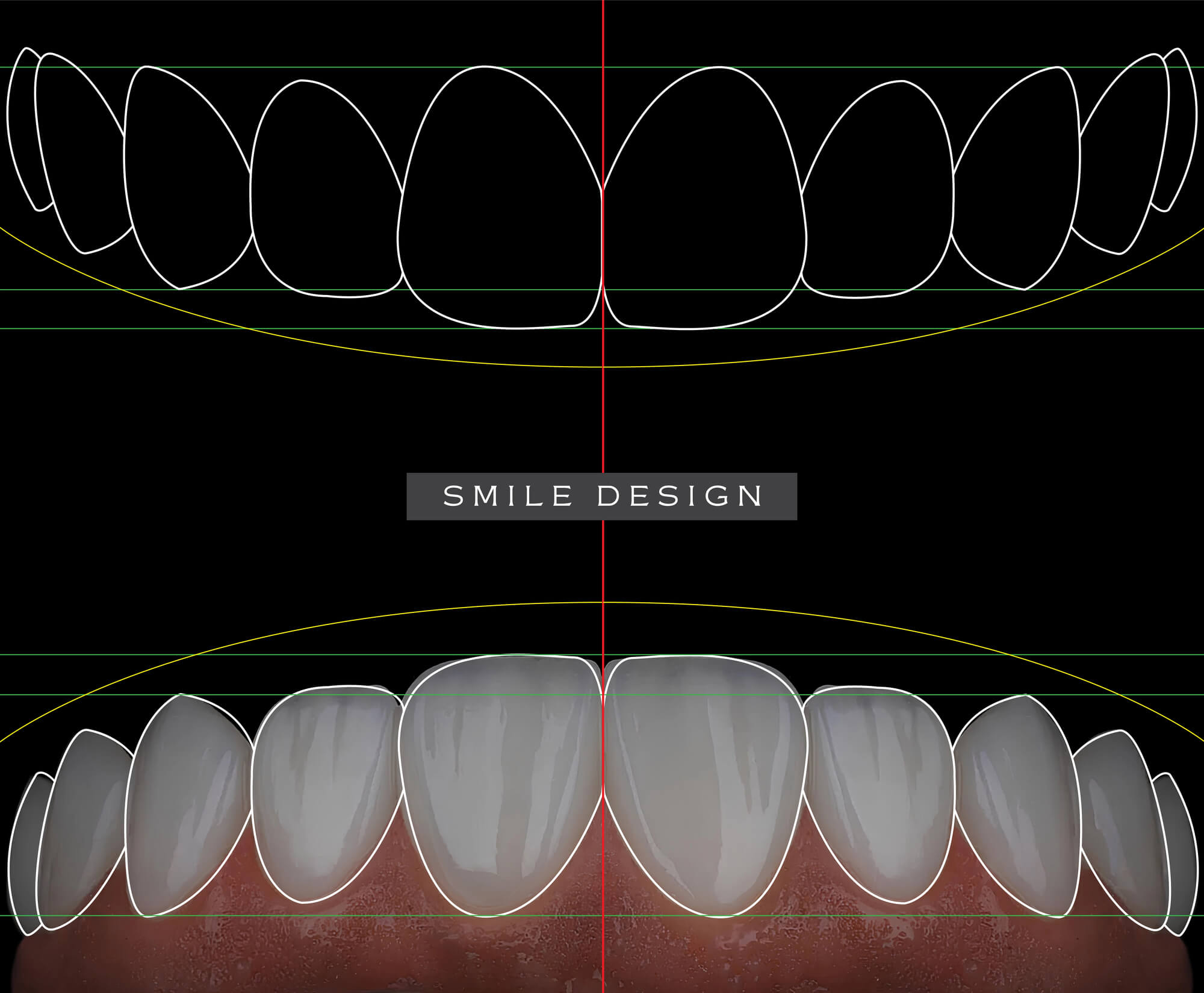
- Smile design or digital mockup or 3D computer model of the proposed result
- Tooth preparation (enamel removal) and impressions for custom veneer fabrication
- Lab fabrication, including material quality checks
- Temporary veneers, as needed
- Final placement with composite cement, bite adjustment, and polishing
- Follow-up visits to ensure comfort and dental bonding surface integrity
This comprehensive process is why veneers are more than just a thin layer of composite resin or porcelain.
Services That May Cost Extra
When comparing estimates, inquire about what services are included and which may incur additional costs.
Some practices may separate fees for the initial consultation, imaging, and pre-treatment dental checkups. Such services ensure that your natural teeth and gums are healthy, thereby supporting the longevity of the veneers.
Ensuring that your veneers are not only beautiful but part of a healthy and maintained oral hygiene routine can prevent issues such as tooth decay and gum disease, crucial for maintaining the stain resistance and translucency of your new smile.
Also, consider the role of dental insurance and financing options.
Very few insurance plans cover cosmetic procedures like veneers, but some dental offices offer payment plans or 3rd-party financing for cosmetic dentistry. Moreover, even if the veneers are considered cosmetic dentistry procedures by your insurance provider, the dental procedures required to improve your oral health before adding veneers might qualify for coverage.
Schedule Your Free Consultation
How Many Veneers Are in a Full Set?
Veneer treatment can involve one tooth, several front teeth, or a broader full smile makeover. The number of teeth matters, but it is only one part of the estimate.
The phrase “full set of veneers” does not refer to one standard number. Some people use it to describe six to eight veneers across the most visible upper teeth. For others, a full set of veneers means ten or more, including full-smile treatments involving both the upper and lower smile zones.
Your dentist will recommend a number based on:
- How many teeth show when you smile
- The width and shape of your smile
- The condition of the visible teeth
- Your bite
- Existing crowns, fillings, or dental work
- Your cosmetic goals
Common Veneer Treatment Sizes
The number of veneers recommended depends on how many teeth show when you smile and the result you want to achieve.
Common treatment approaches include:
- Small repair: one or two veneers. This may be considered for a chipped, discolored, or uneven front tooth.
- Focused smile change: three or four veneers. This approach concentrates on the most visible front teeth.
- Smile-zone treatment: six to eight veneers. This may create a more consistent appearance across the teeth that show most when you smile.
- Broader smile treatment: ten or more veneers. This may extend toward the premolars to create a more seamless result.
You do not need to choose an exact number before seeing a cosmetic dentist. A smile evaluation can help determine which teeth may benefit from treatment, whether every visible tooth needs a veneer, and whether whitening, bonding, orthodontics, or another option could reduce the extent of treatment.
Porcelain vs Composite Veneers: Cost, Lifespan, and Value
Both porcelain veneers and composite veneers can address similar cosmetic concerns, but they do so in different ways. The better value depends on how long you want the result to last, how much maintenance you are comfortable with, and how much natural tooth structure may need to be changed.
Costs
The cost of traditional porcelain veneers is usually higher upfront, while composite veneers usually cost less initially.
However, many factors can make a full mouth of veneers made with composite cost more than some treatments made with porcelain, such as:
- Case complexity
- Preparatory treatment
- Services included in the estimate
Lifespan
- Porcelain veneers: Much stronger, offer more stain resistance, are more stable in color, and with proper care, many porcelain veneers may last 10 to 15 years or longer before they require significant repair or replacement.
- Composite veneers: While composite veneers usually cost less initially, they are generally more vulnerable to staining, chipping, and wear. However, it can often be applied in one appointment, and small cracks, chips, and gaps may be easier to repair with resin.
Which Type Offers Better Long-Term Value?
Looking beyond the initial fee can change how you compare the two materials.
Porcelain usually has a higher upfront cost, but its longer expected service life may reduce the difference in long-term value. Composite may cost less initially, but it can require more frequent polishing, repair, or replacement.
As a general guide:
- If you want greater color stability and a longer period between major repairs, porcelain veneers may be worth considering.
- If you are working with a tighter budget or want a treatment that may require less tooth alteration, composite may be worth discussing.
- If you grind your teeth, bite your nails, chew ice, or frequently drink coffee, tea, or red wine, ask how each material may hold up over time.
Is Composite Veneer Treatment Reversible?
Composite treatment is not automatically reversible.
The amount of tooth enamel that changes depends on the condition of the tooth, the bonding technique, and the treatment plan.
Your habits, timeline, oral health, and comfort with future maintenance all affect which material may offer better value for you.

Additional Costs to Consider With Veneers
The per-tooth fee is only one part of the total cost of veneer treatment. To plan accurately, consider the services that may be needed before, during, and after placement.
Treatment Costs Beyond the Veneers
The per-tooth fee may not reflect every part of the treatment process. Other services or future expenses may include:
- Cleaning, fillings, gum treatment, or bite adjustments
- Sedation or anxiety-management options
- A night guard if you grind or clench your teeth
- Follow-up adjustments
- Polishing, repairs, or eventual replacement
Indirect Costs
Time away from work, travel, and childcare during longer appointments may create indirect expenses. These costs may not appear on the dental estimate, but they can still affect your treatment plan.
Questions to Ask Before Accepting an Estimate
Before accepting an estimate, ask:
- What is included?
- What could be added later?
- Are temporary veneers included?
- Is a night guard included or recommended?
- How many follow-up appointments are expected?
- What happens if a veneer chips or needs adjustment after only a few days or weeks?
- Is there a separate fee for replacement or repair?
A clear answer can be more valuable than a low headline price.
How Veneers Can Affect Long-Term Dental Costs
Veneers work best when they are placed over a healthy foundation.
Before recommending cosmetic treatment, a dentist should evaluate the teeth, gums, enamel, bite, and existing dental work. Problems such as tooth decay, gum disease, heavy grinding, or an unstable bite may need attention first.
How Tooth Preparation Can Affect Future Treatment
The amount of tooth enamel removed can affect future treatment. If a tooth is prepared aggressively and the veneer later fails, the tooth may eventually need a different restoration, such as a crown. In more advanced situations, additional restorative care may be required.
That is why many cosmetic dentists aim to preserve as much healthy enamel as the case allows. However, minimal-preparation or no-preparation veneers are not suitable for everyone.
Questions to Ask About Long-Term Care
Before moving forward, make sure you understand exactly what the estimate covers. Helpful questions include:
- How much enamel will need to be changed?
- Why is that amount necessary?
- Could bonding, whitening, or orthodontics achieve part of the result?
- Are any teeth better suited to a crown or another restoration?
- How might my bite affect the veneers?
The least expensive option today is not always the least expensive option over time. A plan that protects your natural teeth and accounts for future maintenance may provide better long-term value.
Insurance, Paying Out of Pocket, and Ways to Save Safely
Many dental insurance plans classify either composite or porcelain veneers as cosmetic dental treatment.
As a result, patients often receive little or no insurance coverage, although there may be limited exceptions.
For example, a plan may provide partial benefits when treatment restores a tooth that is cracked, malformed, severely worn, or damaged.
Coverage depends on the plan, clinical documentation, exclusions, annual maximums, and other policy rules by the insurance provider. Before treatment, ask the dental office for the relevant procedure codes and a written estimate. You can then contact your insurer or request a predetermination of benefits.
Ways to Pay for Veneers
Because veneers are often paid for out of pocket, many patients use one or more of the following payment options:
- Personal savings
- Third-party medical financing or installment plans
- In-office payment arrangements, when available
- Health savings accounts (HSA) or Flexible spending accounts (FSA), where permitted
4M Dental Implant Center helps patients with questions and doubts about the affordability of their smile makeovers. We offer guidance on your options and a variety of flexible payment plans for dental work, and we work with trusted financing partners to help make your dream of a beautiful, healthy smile a reality.
Be cautious with unusually low offers that skip proper planning, ignore gum or bite problems, use unclear materials, or rush the treatment process.
A trustworthy provider should explain your options, answer your questions, and help you adjust the plan without unnecessarily risking your oral health.
Turning General Estimates Into a Personalized Treatment Plan
General pricing ranges can help you understand what veneers may cost, but they cannot tell you which treatment is right for your smile. A personalized consultation allows a dentist to evaluate your teeth, bite, oral health, and goals so you receive recommendations based on your needs rather than averages found online.
At 4M Dental Implant Center, we believe every smile deserves an individualized treatment plan. Whether you’re considering one veneer or a complete smile transformation, our team will explain your options, answer your questions, and help you understand exactly what your treatment may involve before you make a decision.
Schedule a smile consultation with 4M Dental Implant Center.