
Understanding Dental Implants: What Are We Comparing?
Mini Implants vs Standard or Traditional Implants
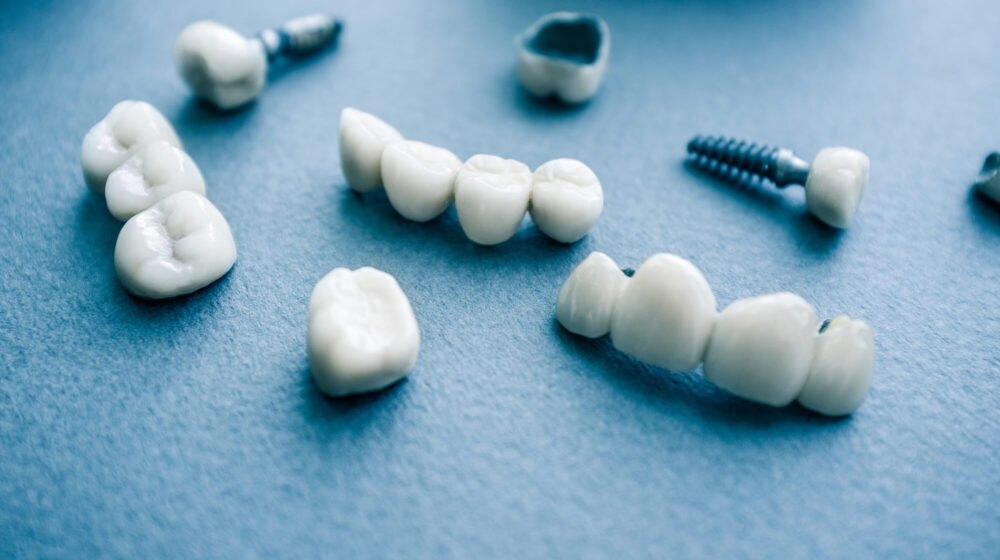
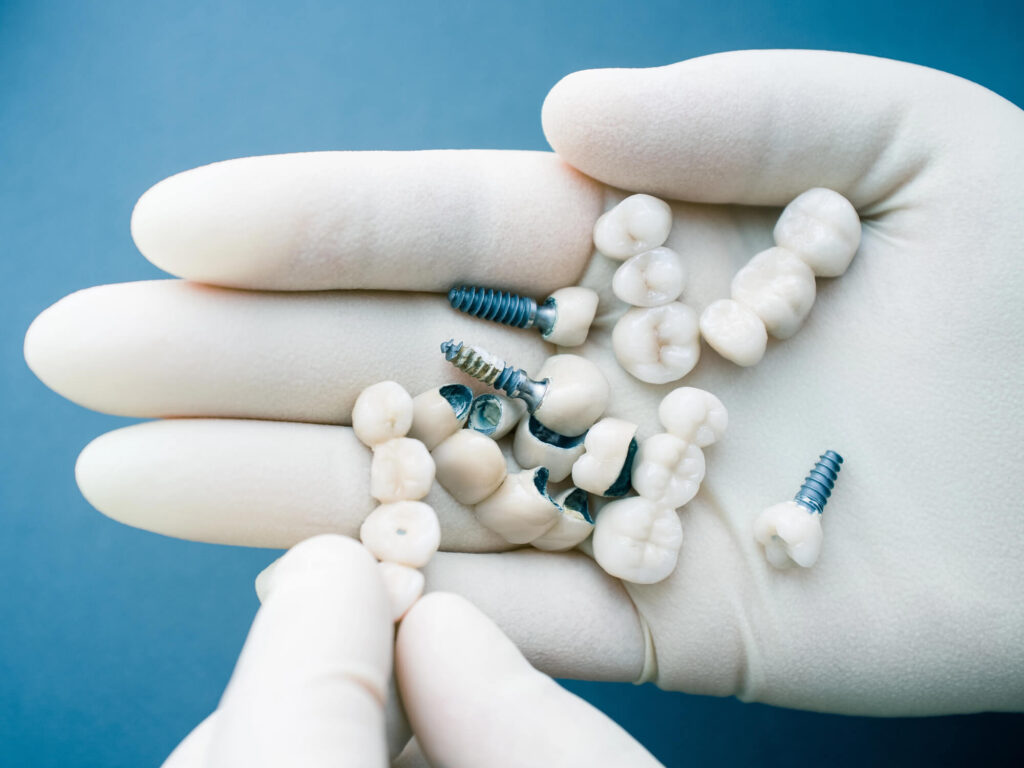
- Mini dental implants (MDIs) are smaller in diameter, often 2 to 3 mm, and are generally a one-piece implant post.
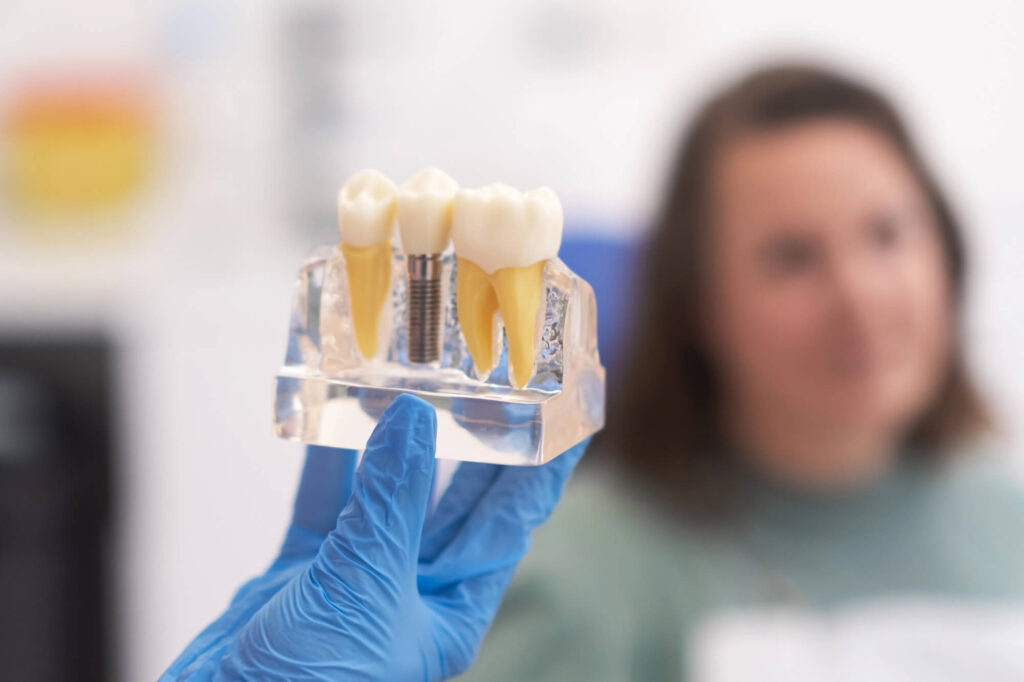
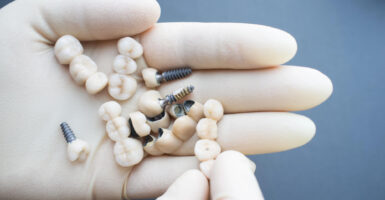
- Standard or traditional implants (also called regular implants, full-size dental implants, or normal-sized dental implants) range from 3.5 to 6 mm and are typically two-piece systems with a separate connector piece.
- At 4M Dental Implant Centers, titanium-reinforced PMMA materials are used to ensure optimal strength and durability for standard implants, which are far and away the optimal choice for 99.9% of our patients.
Mini Dental Implants: Pros, Cons, and Best-Use Cases
Mini implants are a type of implant often considered for cases with limited bone density or narrow spaces where standard-size dental implants may not fit. These are sometimes recommended as well by some clinics for denture stabilization or as temporary teeth solutions.
Although mini implants were invented in the 1970s, it wasn’t until the late 1990s that their use became more common, though mostly as an alternative to cases where regular implants weren’t as viable back then. However, advancements in technology and techniques for standard implants have made those cases even rarer.
Benefits of Mini Implants
- Less invasive surgery in some cases, with a shorter healing time and quicker recovery time, although that might not always be the case.
- May not require bone grafting procedures.
- Viable for compromised patients or those with medical conditions like uncontrolled diabetes or immune deficiencies.
- Ideal for implant-retained dentures.
- Useful when there’s insufficient bone density, gum tissue, or vertical bone loss.
- An often more affordable option in some cases where bone loss or other conditions make regular implants more complicated.
Limitations of Mini Implants
- Less suitable for single tooth replacement in molar regions with higher bite strength demands, which is where implants are actually most needed.
- Shorter longevity and level of stability compared to standard implants.
- Often seen as an alternative solution, not the preferred option
Disadvantages of mini dental implants also include limited durability – how long do mini implants last typically falls short of traditional dental implants. For seniors considering screwless dental implants, it’s important to weigh the cost of mini dental implants against their lifespan.
Standard Dental Implants: Full-Function, Long-Term Solutions
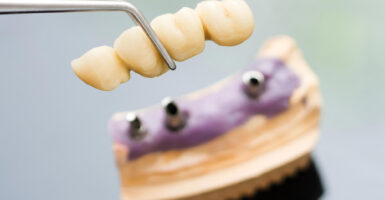
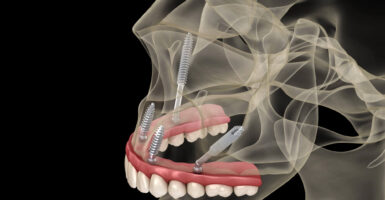
Standard implants, or just regular implants, are the larger implants used in the majority of implant dentistry cases. They are more versatile and used for consecutive teeth, a single missing tooth, or full-arch solutions with implant-supported bridges.
As replacement teeth, the larger size of conventional implants is practically superior in most cases of tooth loss.
Benefits of Standard Implants
- Better weight distribution and structural strength.
- Ideal for long-term solutions and daily functions.
- Mimics the look and feel of real teeth.
- Supports facial integrity, preventing bone atrophy, bone resorption, and facial structure loss.
- Excellent choice for dental crowns, dental bridges, and permanent fixtures.
Considerations for Standard Implants
- May involve bone grafts or bone regeneration procedures in cases of extreme jaw bone loss or bone deterioration.
- Slightly longer healing process and waiting period before final restorations.
- Considered a more invasive procedure, but results in an aesthetically pleasing and fully functional tooth.
Mini vs Standard: Comparative Table
| Factor | Mini Dental Implants | Standard Dental Implants |
| Diameter | <3mm | 3.5-6mm |
| Invasiveness | Minimal; no flaps, less bleeding | Surgical flap, longer healing |
| Bone Requirements | Suitable for limited bone density | May require bone graft procedure |
| Healing Time | Faster recovery; quicker recovery time | Longer but leads to bone growth |
| Durability | Moderate; not for all bite loads | Long-lasting; high bite power |
| Use Case | Denture support, temp use | Full-mouth, single teeth, bridges |
| Structural Integrity | Lower due to smaller implant screw | Higher; larger surface, titanium rod |
| Facial Support | Minimal bone stimulation | Prevents bone loss, preserves soft tissue |
Who Is the Best Candidate?
Mini implants continue to be used as a second-rate dental implant procedure option for people with certain medical conditions, injuries, and even for financial reasons, as they’re, on average, a more affordable option.
However, with continued advancements in bone grafting, materials, and other techniques, there are fewer and fewer cases where the larger-sized regular implants are not the most effective solution.
Candidates for Mini Implants
- Option for patients with limited space or atrophic ridge patients.
- Older adults with loose dentures or seeking a non-invasive treatment option.
- Not ideal for those requiring full-mouth implant treatment or higher oral function loads.
Candidates for Standard Implants
- Patients with sufficient bone density for successful placement.
- Those seeking permanent solutions to missing teeth.
- Individuals needing a stable foundation for multiple teeth or dental procedures involving bridgework.
Why 4M Uses Standard Titanium-Based Implants Only
At 4M Dental Implant Centers, we are committed to delivering permanent solutions with maximum durability and natural bone support. We exclusively use titanium post systems with PMMA or zirconia prosthetics, but never mini-implants, which are a substandard option of care, with years of experience of encountering patients from other clinics who required our standard implants to replace their ineffective mini-implants.
Benefits of 4M’s Approach
- Custom-fit treatment options based on medical history and dental conditions
- Advanced diagnostics to determine bone structure, bone preservation, and risk of damage to bone
- Higher success in dental implant placement due to digital planning
- Offers a longer-term solution than mini implants
Choosing Between Mini Dental Implants vs Standard Implants
When weighing treatment plans for replacing damaged teeth, removable dentures, or conventional dentures, both mini-dental implants and regular implants will likely present themselves as an option. But your best choice for people who want an attractive smile, a brighter smile, and a confident smile lies in how durable and stable that solution is long-term.
If you want a permanent fixture with proper bone regeneration, bone fuses properly to titanium, and the implant post provides complete dental restoration, then standard-sized implants are the preferred option.
Book Your Free Smile Assessment with 4M Today
Don’t leave your smile to chance. At 4M, we evaluate your bone density, soft tissue, and full medical history to design the right implant treatment for you. Whether it’s replacing single teeth or full arches, we provide expert advice, world-class dental implant dentists, and a custom-made dental crown that lasts.
- Schedule your dental implant consult today
- Get answers about dental implant cost, healing time, and implant type
- Learn why 99.9% of our patients qualify for a permanent solution
Experience the power and permanence of our standard implant procedures and services. Your beautiful smile starts now.
This blog post is for informational purposes only. Always consult a licensed dental professional for personalized implant dentistry recommendations.

Reader Interactions