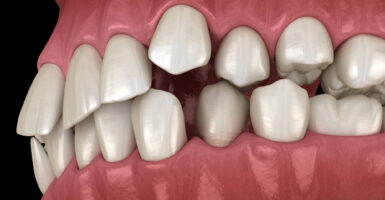
You might be dreaming about a brighter smile, whether that’s teeth whitening, dental veneers, dental bonding, or full dental implants, only to hit the same frustrating question:
“Does insurance cover cosmetic dentistry… or am I paying for all of this myself?”
It’s one of the biggest points of confusion in modern dental care and one of the main reasons people delay treatment that could transform both their oral health and confidence.
Most dental insurance plans, including DPPO plans, DHMO plans, and discount plans, were designed decades ago with one goal: control disease at the lowest cost possible.
That means they typically prioritize preventive dental care like dental cleanings, dental checkups, and dental X-rays, along with basic restorative procedures such as dental fillings, root canal therapy, and emergency treatments.
But when it comes to cosmetic dental procedures like veneers, smile makeovers, or dental implants, coverage becomes limited or disappears entirely.
This guide clearly explains why insurance treats cosmetic dental procedures differently, when coverage may apply, and how patients can find solutions for their care. It also outlines how, at 4M Dental Implant Center, patients often combine insurance benefits with structured payment solutions to make complex treatment plans more manageable.
Why Is Cosmetic Dentistry Insurance So Confusing?
Most people assume, “If I have dental insurance, it should help pay for my dental treatment.”
But insurance companies operate on a different framework.
They separate care into two categories:
- Medically necessary treatment
- Cosmetic procedures
That distinction drives nearly every coverage decision and creates most of the confusion.
How Dental Insurance Plans Are Actually Designed
Most dental insurance plans are built with structural limitations that affect what gets covered:
- Low annual maximums: Benefits are often capped at a relatively small amount each year, which may not come close to covering major procedures like dental implants or full restorative work, only preventive treatments like dental cleanings or emergency procedures.
- Deductibles and coinsurance: Even when dental procedures are covered, patients are typically responsible for part of the cost.
- Waiting periods for major procedures: Treatments like crowns, bridges, or implants may not be eligible for coverage immediately.
- Cosmetic exclusions: Procedures such as teeth whitening, porcelain veneers, and elective smile enhancements are commonly excluded
Your plan type also has crucial differences that will determine the path to follow:
- DPPO plans allow more provider flexibility but still include caps and limits
- DHMO plans may reduce upfront costs but restrict provider choice
- Discount plans reduce fees but are not true insurance coverage
The Key Insight Most Patients Don’t Realize
Dental insurance is not structured around what improves your appearance or confidence.
It is structured around what prevents or treats disease in the most cost-controlled way.
That’s why:
- A dental filling for decay is usually covered
- Child braces or some adult clear aligners might be covered as part of necessary preventative care
- A dental crown for structural damage is often partially covered
- A porcelain veneer for cosmetic enhancement is usually not covered
- A full smile makeover is typically out-of-pocket
Even when the cosmetic outcome improves quality of life, insurers focus on medical necessity rather than aesthetic value.
Where the Confusion Increases
The fine print inside dental insurance plans often adds another layer of complexity:
- Missing tooth clauses
- Pre-existing condition exclusions
- Frequency limitations on procedures
- Cosmetic labeling that overrides clinical need
Many patients only discover these limitations after submitting a claim.
That’s why it helps to review your insurance coverage before committing to treatment, rather than after decisions have already been made.
Practices like 4M Dental Implant Center help patients understand:
- What their insurance is likely to contribute
- Which parts of the treatment are medically necessary
- Which elements are elective or cosmetic
- What financing options are available for the remaining balance
This approach replaces uncertainty with a clear, structured plan.
Schedule Your Free Consultation
What “Cosmetic” Really Means to Your Dental Insurer
When you think about cosmetic dentistry, you’re probably focused on the result: a brighter, straighter, more confident smile.
Your insurance company is focused on something else entirely:
Why is this treatment being done?
That single question determines whether a procedure is covered or not.
Cosmetic vs. Medically Necessary
Insurance companies divide dental treatments into two categories:
- Medically necessary → Treats disease, damage, or function
- Cosmetic → Improves appearance without treating a clinical issue
If the primary purpose is appearance, the procedure is usually not covered.
This is why treatments like teeth whitening, porcelain tooth veneers placed on intact teeth that are relatively healthy, gum contouring, or minor reshaping through composite fillings, ceramic fillings, or any dental bonding are almost always paid out of pocket.
Even though these procedures can significantly improve confidence and social comfort and might prevent further tooth decay, they are not considered essential to maintaining oral health.
Where Restorative Dentistry Gets Covered
By contrast, restorative dentistry occupies a different category.
If a tooth is:
- Decayed
- Cracked
- Infected
- Structurally weakened
Then procedures like dental crowns, bridges, or root canal therapy can be evaluated based on function. In these cases, insurance coverage is more likely because the treatment is addressing a clinical problem and can even be considered preventative care, even if the final result also improves appearance.
The “Upgrade” Trap
The language used in dental insurance plans often reflects this distinction. A common scenario looks like this:
- Insurance covers a basic version of treatment
- You choose a more aesthetic option
Terms such as “elective,” “cosmetic,” or “upgrade” signal that a procedure may not qualify for reimbursement.
For example, a plan might cover a basic crown needed to restore a tooth, but not the additional cost of choosing a more aesthetic porcelain material if it is considered an optional upgrade.
When the Line Gets Blurry
There are also situations where the line between cosmetic and medically necessary becomes less clear.
Coverage may improve if there are real-life impacts, such as:
- Difficulty chewing
- Speech issues
- Bite problems (malocclusion)
- Jaw pain or TMJ disorder
- Periodontal disease
In these cases, documentation becomes critical. Clinical notes, dental X-rays or digital imaging, and evidence of conditions like malocclusion, TMJ disorder, or jaw pain can influence how insurance companies evaluate the claim.
Where Medical Insurance Fits (Rarely)
Medical insurance rarely overlaps with cosmetic dentistry, except in very specific circumstances such as reconstructive surgeries following trauma, cancer treatment, or for severe dental emergency procedures. Even then, coverage is tightly defined and requires detailed justification.
This also explains why many comprehensive treatment plans, especially those involving implants or full-mouth reconstruction, combine both covered and non-covered elements.
When Insurers Actually Help Pay for Cosmetic Dentistry Treatment
As mentioned above, not all “cosmetic-looking” procedures are excluded.
Some treatments improve appearance and qualify for partial insurance coverage when they’re tied to oral health or function.
Common Examples of Partial Coverage
These procedures often receive at least some insurance support:
- Tooth-colored fillings used to treat decay
- Dental crowns are placed on damaged teeth
- Bridges replacing missing teeth
- Certain implant restorations (implant crowns or implant-supported dentures)
Even though these improve your smile, they are considered restorative procedures.
Dental Implants: A Split-Coverage Scenario
Dental implants present a more nuanced example and one of the most misunderstood areas.
In many dental insurance plans:
- The implant post → often not covered
- The crown or denture on top → sometimes partially covered
This creates a blended financial structure where part of the treatment is supported by insurance and part remains out-of-pocket.
Orthodontics and Function
Orthodontic treatments also illustrate how function influences coverage decisions. While adult orthodontics, including clear aligners, is often limited in coverage, insurance companies are more likely to contribute when there is a documented issue, such as:
- Malocclusion
- Jaw misalignment
- Chronic jaw pain
- Gum disease
In these cases, orthodontic coverage depends on whether the treatment is framed as corrective rather than for purely aesthetic reasons.
Reconstruction After Damage or Illness
Reconstruction after trauma or serious illness represents another category where insurers are more likely to provide support. When teeth are lost or damaged due to an accident or medical condition, restorative procedures are typically viewed as necessary to return the patient to a baseline level of oral function.
Why Documentation Changes Everything
The common thread across all of these scenarios is documentation. Insurance companies rely heavily on clinical evidence to determine whether a procedure meets the threshold of medical necessity.
Helpful documentation includes:
- Dental imaging (X-rays, 3D scans)
- Photos
- Notes on pain, damage, or chewing difficulty
- Periodontal or specialist reports
For patients, this means that coverage is rarely all-or-nothing. Instead, it often exists on a spectrum. A single treatment plan may include elements that are fully covered, partially covered, and not covered at all.

What Typically Stays 100% Out of Pocket
Even with a well-planned approach, some parts of cosmetic dentistry are almost always outside dental insurance coverage.
Purely Cosmetic Procedures
If a treatment is done only to improve appearance, and not to treat disease or restore function, it is typically not covered.
This usually includes:
- Teeth whitening for a brighter smile only
- Porcelain dental veneers on healthy teeth
- Cosmetic bonding or gum recontouring with no structural damage
These procedures can be life-changing from a confidence standpoint, but insurance companies generally do not classify them as medically necessary.
Cosmetic Upgrades Within Covered Treatment
Many patients are surprised to learn that even when a procedure is covered, certain choices within that treatment are not.
A common example:
- A dental crown to restore a damaged tooth → often partially covered
- Upgrading to a premium porcelain or aesthetic material → out-of-pocket difference
Other examples of upgrades include:
- High-end prosthetic designs
- Additional cosmetic refinements
- Lab enhancements focused purely on aesthetics
In these cases, insurance contributes to the functional baseline, but not the cosmetic enhancement.
Full-Mouth and Implant Cases
In larger treatment plans, such as dental implants or full-arch restorations, the split becomes more noticeable.
You’ll often see:
- Medically necessary steps → sometimes partially covered
(extractions, infection control, basic restorations) - Cosmetic and design elements → typically not covered
(final smile aesthetics, premium materials, customization)
This is why full smile makeovers rarely align cleanly with insurance benefits.
Why Timing Matters More Than Most People Think
One of the biggest financial mistakes patients make is delaying treatment while hoping for better coverage later.
What often happens instead:
- A small issue (partially covered) progresses
- The problem becomes more complex
- Treatment shifts into implants, bridges, or reconstruction
- Insurance covers less of the total cost
A more effective approach is phased care:
- Address disease and functional issues first
- Use available insurance benefits where they apply
- Layer cosmetic improvements after stability is achieved
This approach keeps both clinical outcomes and costs more controlled.
How People Really Pay for Cosmetic Dental Procedures Today
Because insurance coverage is limited for cosmetic dentistry, most patients use a combination of payment methods rather than relying on a single source.
The strategy typically depends on the size and complexity of treatment.
Paying for Smaller Treatments
For simpler procedures, like teeth whitening or minor dental bonding, patients often:
- Pay at the time of service
- Use savings or standard payment methods
These treatments are usually straightforward and don’t require long-term planning.
Mid-Range Treatment Strategies
For treatments like dental crowns, bridges, or orthodontic treatments (braces, clear aligners), patients often combine:
- Partial insurance coverage
- Personal savings
- Short-term financing or credit
This is where understanding deductibles, copays, and coinsurance becomes more important.
Financing Larger Treatment Plans
For more complex care, especially dental implants or full-mouth reconstruction, structured financing becomes a key part of the plan.
Common options include:
- Healthcare financing (medical credit cards or loans)
- Extended payment plans
- Third-party financiers specializing in dental care
These options allow patients to spread costs over time, but it’s important to evaluate:
- Interest rates (APR)
- Total repayment cost
- Length of the financing term
Focusing only on the monthly payment can be misleading if the long-term cost is significantly higher.
Using HSA and FSA Funds Strategically
Health savings accounts (HSAs) and flexible spending accounts (FSAs) can help reduce out-of-pocket costs, but only for eligible portions of treatment.
Typically, only medically necessary procedures may qualify, but not purely cosmetic ones.
Using these funds for the functional parts of treatment can make a meaningful difference.
How 4M Dental Implant Center Helps Simplify the Process
At 4M Dental Implant Center, patients are guided through both the clinical and financial sides of treatment.
Instead of guessing, the team helps you understand:
- What your insurance is likely to cover
- Which parts of treatment are medically necessary vs. cosmetic
- How different financing options affect your total cost
Patients also have access to:
- Flexible payment plans through trusted financing partners
- Options to combine insurance, financing, savings, and HSA/FSA funds
This allows you to build a plan that fits your budget and timeline, rather than forcing treatment into a one-size-fits-all payment model.
The Real Goal: Predictability
The goal is not just to make treatment possible, but predictable.
When you understand the limits of your insurance, how much you’ll have to pay, and other payment options, then you can move forward with clarity instead of hesitation.
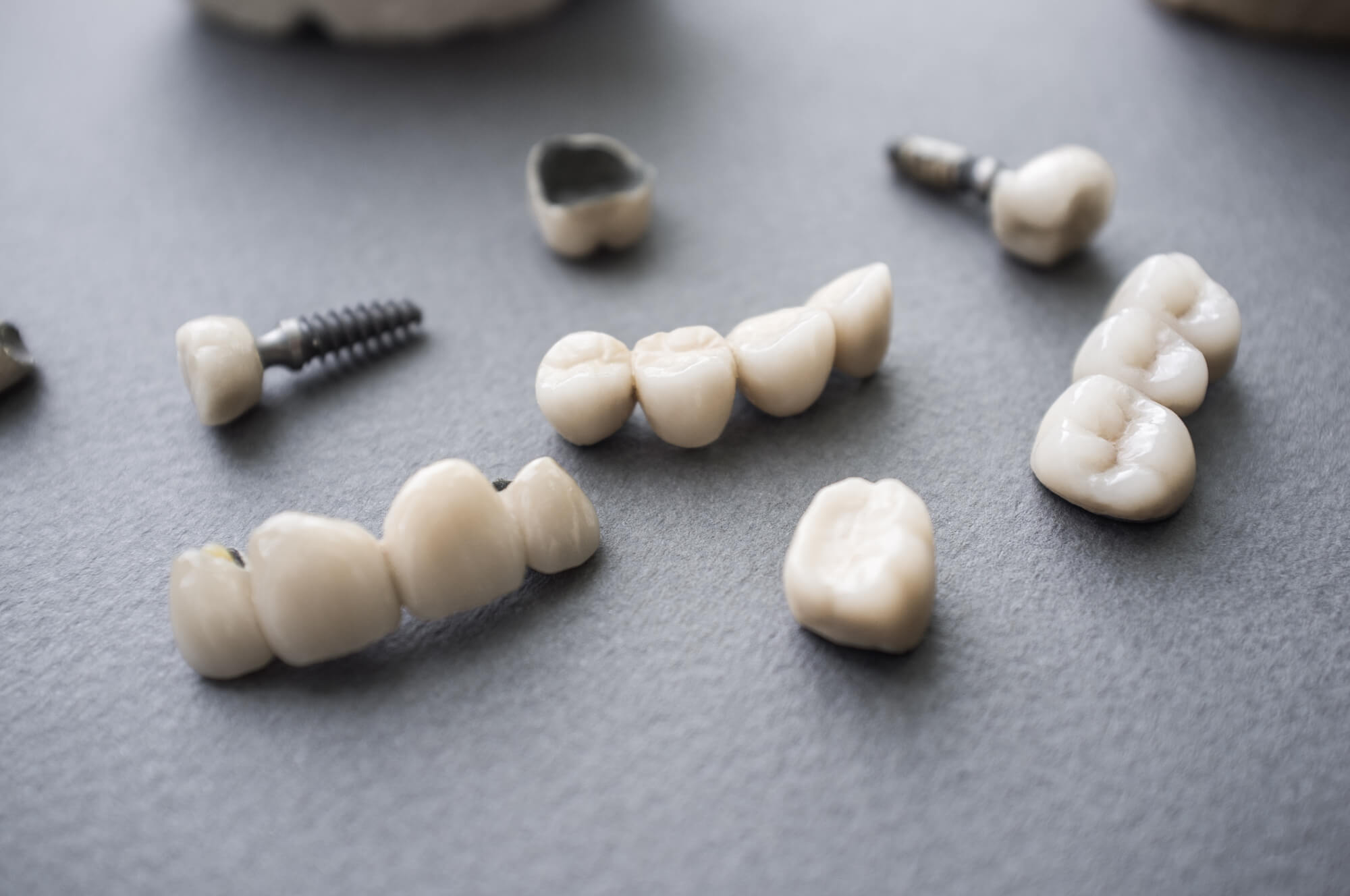
How Implant-Focused Centers Help You Use Insurance Wisely
Once you move beyond general research and start evaluating providers, the way a dental practice handles insurance and financial planning becomes just as important as the clinical treatment itself.
This is especially true for procedures like dental implants or full-mouth reconstruction, where treatment plans often include both medically necessary and cosmetic elements.
Separating Medical vs. Cosmetic Treatment
One of the most valuable things an implant-focused center does is clearly break down your treatment plan into categories.
Typically, this includes:
- Medically necessary care (more likely to receive insurance coverage)
- Elective or cosmetic components (typically out-of-pocket)
For example:
- Treating infection, extractions, or stabilizing oral health may qualify for partial coverage
- Final smile design, premium materials, or aesthetic refinements are usually not covered
This separation gives you a much clearer understanding of what insurance can realistically contribute.
Insurance Verification and Pre-Treatment Planning
Instead of leaving you to interpret your dental insurance plan on your own, many implant centers guide you through the process.
This often includes:
- Verifying your dental insurance coverage
- Explaining deductibles, copays, and annual maximums
- Estimating benefits for each phase of treatment
- Submitting pre-treatment documentation when appropriate
While no provider can guarantee insurance approval, this step replaces guesswork with informed expectations.
Coordinated Treatment and Financial Planning
Implant-focused practices are designed to handle complex, multi-step care.
That means your plan is typically mapped out in advance, including:
- Consultation and diagnostics
- Any necessary extractions or preparatory procedures
- Implant placement
- Temporary restorations
- Final prosthetics
Seeing the full sequence helps you understand:
- When insurance may apply
- When larger payments occur
- How to plan financing over time
This level of coordination is especially helpful for larger cases where timing and budgeting are closely connected.
Why an All-in-One Approach Matters
Centers like 4M that keep diagnostics, surgery, and final restorations under one roof can simplify both treatment and finances.
Instead of managing multiple providers, you receive:
- One comprehensive treatment plan
- One coordinated timeline
- One financial breakdown
This reduces confusion and helps ensure that nothing falls through the cracks—clinically or financially.
The Role of Financing Support
Beyond insurance, implant centers also help patients explore financing options that fit their situation.
At 4M Dental Implant Center, patients are guided through:
- Available insurance benefits
- Third-party financing options
- Payment plan structures
- Use of savings, HSA, or FSA funds
This allows patients to build a plan that works in real life and not just on paper
Schedule Your Free Consultation
Start With Your Treatment Roadmap
Before asking detailed insurance questions, it helps to understand what your treatment will actually involve.
Full-mouth dental implant cases are not a single procedure, but a sequence of steps.
Seeing that sequence upfront makes it much easier to understand where insurance may apply and where it likely will not.
A typical treatment roadmap may include:
- Initial consultation and oral health exams
- Dental imaging
- Extractions or preparatory procedures
- Implant placement surgery
- Healing phase
- Final restorations (implant crowns, bridges, or implant-supported prosthetics)
Each phase may be treated differently by your dental insurance plan. Some steps may qualify for partial coverage, while others are considered major procedures or cosmetic.
Understanding this flow early allows you to ask better questions and get more useful answers.
Key Insurance Questions to Ask Before Full-Mouth Implants
Once you understand your treatment roadmap, the next step is simple: ask the right questions.
These questions define what your insurance will, and will not, contribute.
Core Questions to Ask Your Insurance Provider
- What is my annual maximum benefit for dental insurance?
- Do I have a deductible, and has it already been met this year?
- What percentage of major procedures is covered (crowns, bridges, dentures)?
- Are there waiting periods for major dental procedures or implants?
- Does my plan cover dental implants at all? If so, which parts?
- Are implant restorations (crowns or dentures) covered differently from the implant post?
- Are there lifetime maximums for implants or prosthetic treatments?
- Does my plan include a missing tooth clause?
- How are pre-existing conditions handled under my plan?
- Are there frequency limits on procedures like crowns or dentures?
How to Ask These Questions Effectively
When speaking with your insurance company or dental practice, clarity matters.
Keep these tips in mind:
- Ask for specific percentages, not general answers like “partially covered.”
- Request details for each phase of treatment, not just “implants” as a whole
- Take notes or request written confirmation when possible
- Cross-check answers with your dental provider to ensure alignment
Why These Answers Matter
Your insurance provider’s responses set the financial boundaries of your treatment.
From there, your dental team can turn that information into a structured plan that aligns with both your clinical needs and your budget.

Designing a Financing Strategy That Fits Your Life
Once you understand what your insurance will realistically cover, the next step is building a financing approach that works for your situation, not just in theory, but in real life.
There’s no single “right” way to pay for cosmetic dentistry or dental implants. Most patients use a combination of resources to make treatment manageable.
Combine Multiple Payment Sources
Instead of relying on one method, many patients layer their approach:
- Insurance benefits → applied to medically necessary portions
- Personal savings → used for deposits or smaller phases
- HSA or FSA funds → applied where eligible
- In-house dental plan financing→ used for remaining balances
This blended strategy gives you more flexibility and reduces financial strain.
Timing Treatment Around Insurance Benefits
If your treatment plan allows flexibility, timing can make a meaningful difference.
In some cases, patients:
- Begin treatment in one benefit year
- Complete major phases in the next
This may allow you to use two annual maximums instead of one, increasing total insurance contribution.
Not every case allows for this, but it’s worth asking about during planning.
Comparing Financing Options the Right Way
When evaluating financing, the monthly payment is only part of the picture.
Focus on:
- Total cost over time
- Interest rate (APR)
- Length of the repayment term
A lower monthly payment spread over many years can cost significantly more in the long run.
Ask for at least two payment scenarios so you can compare:
- Shorter term → higher monthly, lower total cost
- Longer term → lower monthly, higher total cost
How 4M Dental Implant Center Helps You Plan
At 4M Dental Implant Center, financing is approached as part of the overall treatment plan, not as an afterthought.
Patients are guided through:
- Insurance benefit breakdowns
- Payment plan options through trusted lenders
- Use of HSA and FSA funds
- Structuring payments across treatment phases
The goal is to create a plan that fits your budget, timeline, and long-term priorities, not force you into a single option.
Build a Plan You Can Actually Follow
The best financing strategy is one you can sustain comfortably.
That means:
- Keeping a financial buffer when possible
- Avoiding overextension on monthly payments
- Choosing a structure that aligns with your income and expenses
When your plan is realistic, you’re far more likely to move forward and complete treatment without added stress.
When You’re Ready for a Clearer Way Forward
If you’ve made it this far, you already understand how dental insurance coverage really works when it comes to cosmetic dentistry.
Most dental insurance plans are built to support preventive care and medically necessary treatment, not full smile makeovers.
That’s why procedures like dental fillings or restorative dentistry may receive partial coverage, while most elective cosmetic procedures, like dental veneers, are usually not covered. More complex cases, like dental implants or full-mouth reconstruction, often fall somewhere in between, with some portions qualifying for benefits and others remaining out-of-pocket.
The key is not trying to force your treatment into the limits of your insurance plan, but building a strategy that works with it.
At 4M Dental Implant Center, the process starts with a free consultation designed to give you clarity and real answers. You’ll receive a personalized treatment plan, a breakdown of your health insurance coverage, and a clear explanation of your financing options, whether that includes insurance, payment plans, or flexible tools like HSA or FSA funds.
If you’re ready to understand your options and see what’s actually possible for your smile, the next step is simple: schedule your free consultation with 4M Dental Implant Center.
You’ll leave with a written roadmap, clear costs, and a plan you can move forward with, on your timeline and with confidence in both your treatment and your long-term oral health.