

For individuals who smoke tobacco, restoring a healthy smile with dental implants can present significant challenges, but not impossibilities. Smoking affects nearly every aspect of oral health, from blood flow and gum tissue health to the success of dental surgery itself. The combination of tobacco, nicotine, and smoke can reduce the body’s healing ability, impair osseointegration (the fusion of titanium implants with the jawbone), and increase the risk of complications like dental implant failure and peri-implantitis.
Still, with the right knowledge, planning, and support, smokers can pursue successful dental implant treatment at 4M Dental Implant Center and take the first steps toward a healthier, more confident life.
Read our post today if you’re a smoker, or someone close to you is, and explore the realities of dental implants for smokers, the specific risks involved, solutions that improve implant success, and how quitting smoking plays a role in long-term oral health and recovery.
The Smoking and Oral Health Connection
Tobacco use significantly damages the delicate balance of the oral environment. The combination of cigarette smoke, nicotine, and tar can lead to:
-
- Reduced blood supply to gum tissues, impairing healing and immune response
-
- Gum recession, dry mouth, and halitosis (bad breath)
-
- Tooth staining from constant contact with nicotine
-
- Increased risk of gingivitis, periodontitis, and oral cancer
-
- Disruption of the fibrillar matrix and angiogenesis, which are critical to the bone healing process
-
- Accelerated bone resorption and loss of bone mineral density
Smokers are more likely to develop periodontal disease, which is a major risk factor for dental implant failure. The toxins in smoke interfere with both soft tissue recovery and the regeneration of bone mineralization necessary to support titanium posts and implant prosthetics.
Why This Matters for Dental Implants
Dental implants are titanium prosthetics placed directly into the maxilla or mandible to replace missing teeth. For implant success, the jawbone must undergo osseointegration—a process where bone fuses to the implant surface, forming a stable foundation for permanent prosthetics, like an artificial tooth root.
However, smoking:
-
- Restricts blood flow and oxygenation at the surgical site
-
- Slows healing during the recovery period
-
- Increases susceptibility to infection and inflammation
-
- Raises the risk of implant rejection, marginal bone loss, and dry socket
According to dental research and several PubMed meta-analyses, smokers face notably higher rates of implant failure compared to non-smokers. The presence of nicotine interferes with critical stages of healing and reduces the effectiveness of post-surgery care.
Dental Implants and Smokers: The Risks and Realities
Tobacco smoking rarely avoids being a negative effect on most aspects of your health, so there’s no reason to be surprised that oral and dental health is no exception. It does lead to a higher risk of implant failure, although smokers have solutions, as we’ll explore below.
Can Smokers Get Dental Implants?
Yes, smokers can receive dental implants, but with added caution and clinical scrutiny. Implant treatment for smokers requires careful evaluation by a dental surgeon or periodontist to determine if the patient is a candidate for any dental implant procedure or permanent prosthetics.
A personalized treatment plan may include smoking cessation guidance, adjustments in surgical technique, and close postoperative monitoring to reduce the risk of complications.
The Data: Success Rates in Smokers vs. Non-Smokers
Multiple dental studies and clinical meta-analyses confirm that smokers experience reduced implant success rates. Some findings indicate:
-
- Up to 20% higher implant failure rates among smokers
-
- Increased risk of peri-implantitis and bone loss over time
-
- Poorer outcomes in the posterior maxilla due to reduced bone quality and maxillary sinus proximity
-
- Negative effects on vasoconstriction, which limit angiogenesis and fibrillar matrix formation.
Or, to put it simply, it’s proven that smoking damages blood flow and blood vessels to several areas of the mouth, including the gums and jawbones, which in turn increases the risk of dental implant failure.
Types of Dental Implant Risks Smokers Face
Smokers undergoing dental implant treatment face several elevated risks:
-
- Implant failure or rejection during or after the healing period
-
- Delayed recovery, dry socket, and marginal bone loss
-
- Increased risk of infection due to compromised immune function
-
- Higher incidence of peri-implantitis, requiring antibiotics or revision surgery
-
- Ongoing bone resorption around the titanium implant, weakening the structural support
Understanding these risks helps patients and providers develop proactive plans to increase the odds of successful outcomes, even for those who are not ready to quit entirely.
Schedule Your Free Consultation

Pre-Implant Protocols for Smokers
Before undergoing dental implant surgery, smokers must undergo a thorough dental consultation and clinical evaluation. The dental professional will assess:
-
- The health of the gums and signs of active gum disease or periodontal disease
-
- Bone mineral density and potential need for bone grafts
-
- Risks of peri-implantitis and implant failure
-
- Health of blood vessels and blood supply to gums and teeth
-
- Patient’s overall health and immune response
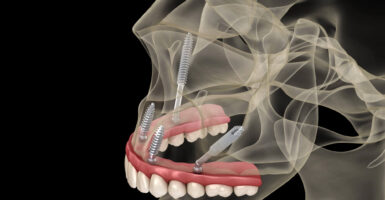
3D diagnostic imaging is used to evaluate jawbone structure, especially in the maxilla near the maxillary sinuses. These assessments inform whether a smoker may benefit from alternative implant systems, such as the 4M Removable Smile, or other stress-reducing designs.
Why Quitting—Even Temporarily—Matters
Smoking cessation before and after implant placement significantly improves the chances of osseointegration and reduces the risk of infection. Dental surgeons often recommend a smoke-free window of at least two weeks before and after the procedure. This period allows:
-
- Enhanced blood flow and fibrillar matrix formation
-
- Reduced inflammation and immune suppression
-
- Better bone or soft tissue graft acceptance and wound closure
Smoking cessation programs, nicotine replacement therapy (like nicotine patches), and support groups can aid in preparing the body for successful dental surgery and long-term recovery.
Alternatives to Full Implants
If full-arch traditional dental implants aren’t ideal due to compromised bone structure or high tobacco exposure, options like removable dentures may be more appropriate in rare cases. These require no titanium implants and reduce the surgical burden while still delivering significant improvements in function and aesthetics.
Schedule Your Free Consultation
Post-Implant Healing and Risk Management
Once the implant is placed, the healing phase is critical. Nicotine’s vasoconstrictive effects reduce blood supply to the gums and jawbone, slowing the recovery process and hindering osseointegration. Continued tobacco use also suppresses the immune system, increasing the risk of:
-
- Postoperative infection
-
- Implant site inflammation
-
- Delayed graft integration
-
- Peri-implantitis and bone loss
Even light smoking during the recovery period can compromise the formation of a strong fibrillar matrix and result in marginal bone loss or implant rejection.
Proactive Recovery Protocols
To reduce complications, dental surgeons often prescribe:
-
- Antibiotics and chlorhexidine rinses to prevent infection
-
- Pain management strategies to reduce inflammation
-
- Clear postoperative instructions, including avoiding smoking and alcohol
-
- Nutritional support to aid immune function and tissue repair
Adhering to your dental professional’s post-surgery care plan and avoiding tobacco during the healing phase are essential for implant stability.
How 4M Dental Minimizes Risk for Smokers
4M Dental’s approach includes:
-
- Customized treatment plans based on individual risk assessment
-
- Advanced titanium implant systems with enhanced surface treatments for improved osseointegration
-
- Patient education and follow-up protocols that reinforce healthy habits
-
- Close collaboration between dental surgeons and hygienists to track healing
Patients are also supported with the 4M ForeverCare Kit, which includes tools for optimal oral hygiene, personalized brushing and flossing regimens, and guidance for managing implant health long-term.

Long-Term Implant Care for Smokers
Ensuring the longevity and success of dental implants requires a commitment to rigorous oral care, particularly for smokers. Taking proactive steps to maintain implant health not only extends the lifespan of implants but also protects surrounding teeth and gums from potential complications.
Oral Hygiene Discipline
Smokers with implants must be especially disciplined in oral care. This includes:
-
- Brushing with a soft-bristled toothbrush twice daily
-
- Using floss threaders and antimicrobial rinses to manage plaque around the prosthetics
-
- Avoid abrasive toothpaste that can irritate gum tissue
Daily diligence can offset the increased bacterial load from tobacco exposure and preserve implant integrity.
Frequent Monitoring and Professional Cleanings
Implant patients who smoke should schedule more frequent dental exams—ideally every 3–4 months—to detect early signs of peri-implantitis, gum recession, or bone loss. Dental hygienists and implant dentists can use specialized tools to clean around the titanium posts and reinforce effective at-home care routines.
Reinforcing the Case for Smoking Cessation
Long-term implant success hinges on healthy blood flow, gum stability, and resistance to infection, all of which are compromised by smoking. Encouraging smoking cessation remains one of the most impactful ways to:
-
- Extend the lifespan of implants
-
- Prevent oral and systemic diseases
-
- Reduce healthcare and revision surgery costs
4M Dental strongly makes the case to patients about the need for smoking cessation or trying programs for changing their lifestyle habits, reinforcing that quitting smoking isn’t just good for your smile, but it’s essential for your overall wellness.
Empowering the Journey: Choosing Implants and a Smoke-Free Life
Choosing dental implants as a smoker can feel like a daunting journey, but it’s one paved with opportunity and empowerment. Whether you’re just beginning to explore options or have previously been told implants aren’t possible due to tobacco or cigarette use, you still have pathways available. The experts at 4M Dental specialize in full-mouth restorations, even for patients with complex oral health histories. The success rate for all 4M dental implants is an outstanding 99.9%, a figure that includes smokers. With advanced implant surgery and precise implant placement, we make lasting tooth replacement possible—even for those impacted by nicotine use. We carefully assess your bone structure and overall oral hygiene to design a treatment plan tailored to your needs. Our comprehensive approach ensures each implant procedure is safe, effective, and supported by the latest innovations in dental procedures. We offer thorough consultations, cutting-edge technology, and compassionate care to guide your implant journey. You don’t need to quit alone—our goal is to help you experience the confidence, comfort, and quality of life that comes with a permanent, healthy smile.
Take control of your future. Schedule your consultation with 4M Dental today and begin your transformation toward a smoke-free life and a smile that lasts.


Reader Interactions