• Skip to main content
  • Skip to footer

4M Dental

America's Premier Dental Implants | 4M Dental Implant Center

  • Home
  • Dental Implants
  • Cosmetic Dentistry
  • General Dentistry
  • Locations
    • Las Vegas, NV
    • Long Beach, CA
    • Newport Beach, CA
    • Anaheim Hills, CA
    • Murrieta, CA
    • Palm Desert, CA
    • Riverside, CA
    • Valencia, CA
    • San Diego, CA
    • Glendale, CA
  • Cost & Financing
  • Gallery
  • Destination
  • About
855-999-6088
Free Consultation

4M Dental Implants

Peri-Implantitis: What You Need to Know

October 24, 2025 by 4M Dental Implants Leave a Comment

Dental implants have revolutionized the way we replace missing teeth, offering a permanent, stable solution through the use of titanium artificial roots that integrate with the jawbone. However, even the most successful dental implant treatment can face complications if oral hygiene is neglected or if certain risk factors are present.

One of the most serious and increasingly common complications in implant therapy is a condition known as peri-implantitis.

Peri-implantitis is a destructive inflammatory disease that affects the peri-implant mucosa (the soft tissues surrounding implants) and the supporting bone. It is typically preceded by a less severe inflammatory condition known as peri-implant mucositis that, if left untreated, can progress into severe peri-implant disease, leading to crestal bone loss, deep peri-implant pockets, and, ultimately, implant failure.

According to the American Academy of Periodontology and the American College of Prosthodontists, early diagnosis and consistent maintenance care are crucial for preserving the health of dental implants and preventing the irreversible damage associated with severe peri-implant disease.

In this guide, we’ll explore what causes peri-implantitis, how it can be prevented and treated, and what warning signs to watch for, whether you’re a new implant patient or have had your implants for years.

Understanding the Anatomy of the Problem

To understand peri-implantitis, it helps to first understand how dental implants work.

Dental Implants and the Surrounding Tissues

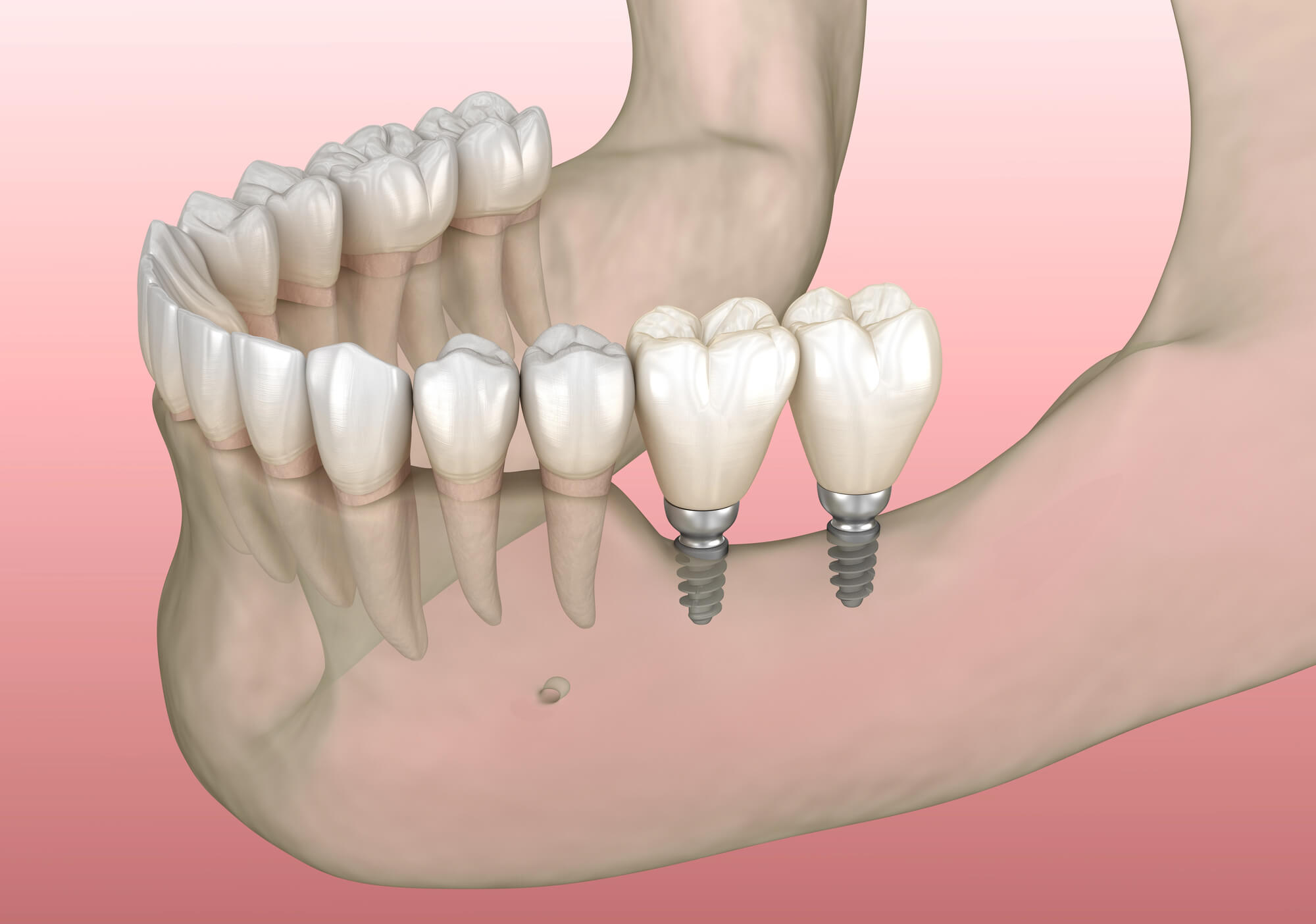
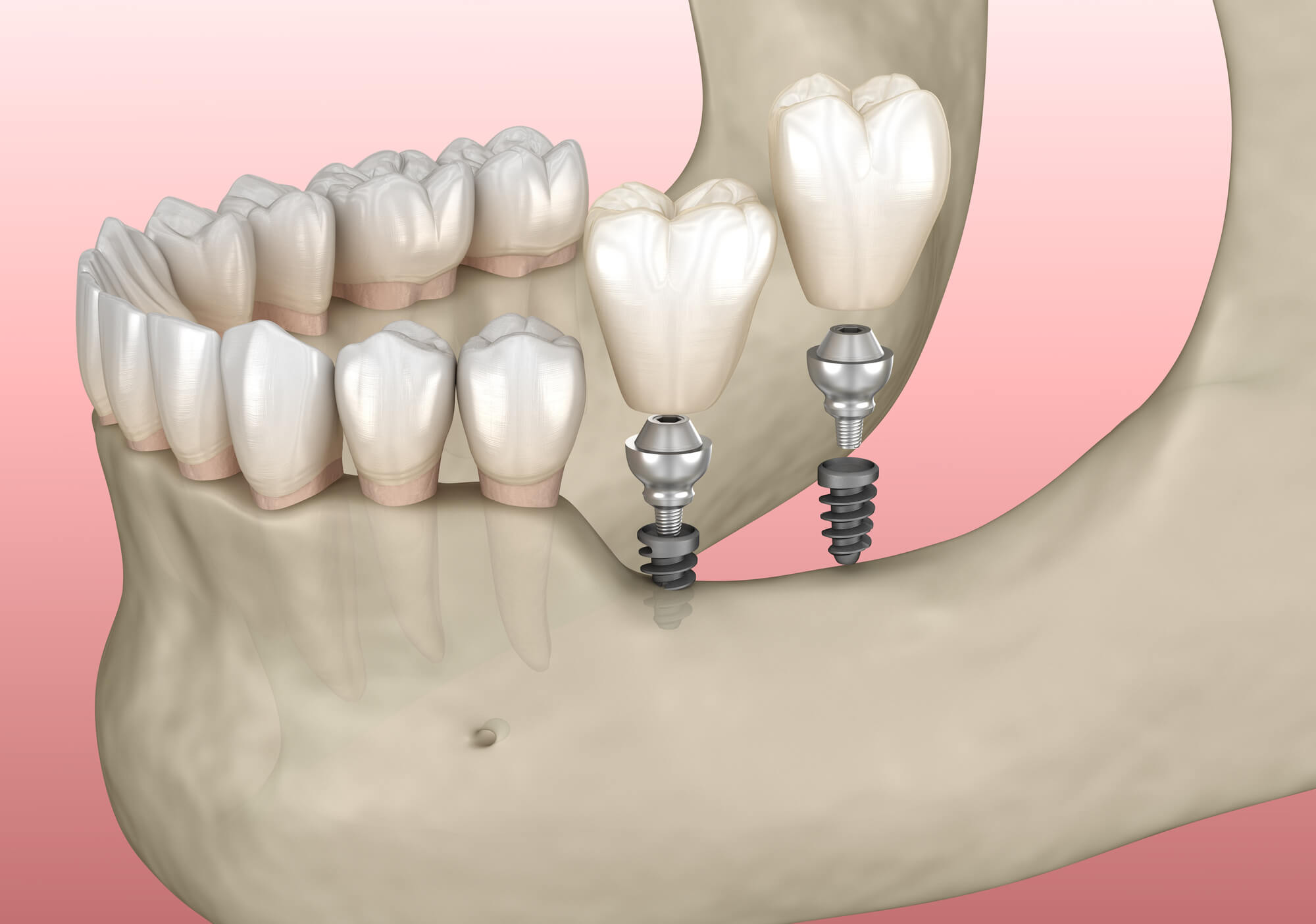
A typical implant is composed of three main components:

  • A titanium implant (or titanium alloy screw) that acts as a replacement for the natural tooth root.
  • An abutment that connects the implant to the visible restoration.
  • A dental crown or bridge completes the tooth replacement.

Once surgically placed, the titanium artificial root fuses with the jawbone in a process called osseointegration, creating a strong, stable foundation. These osseointegrated endosseous implants restore both function and aesthetics, often lasting decades with proper care.

Surrounding this implant is the peri-implant tissue, including the peri-implant mucosa, which is similar to the gum tissue around natural teeth. Unlike natural teeth, however, implants lack periodontal ligament fibers, making them more vulnerable to microbial invasion and inflammation if plaque control is inadequate.

This soft tissue barrier must remain healthy and tightly sealed to prevent bacteria, plaque, and tartar from infiltrating the space around the implant and threatening the supporting bone.

What Happens During Peri-Implantitis?

Peri-implantitis is actually the more severe evolution of peri-implant mucositis, with both being the two main types of peri-implant diseases.

  • Peri-implant mucositis: Peri-implantitis begins when bacterial plaque, specifically Gram-negative anaerobes and other periodontal pathogens, colonize the peri-implant sulcus, a fluid that accumulates around the implant.  As biofilms mature and plaque accumulates, the host response triggers a gum inflammatory reaction in the soft tissues, or gum. This gum inflammation, called mucositis or peri-implant mucositis, does not immediately lead to bone loss.
  • Peri-implantitis: However, if this inflammation spreads deeper into the peri-implant pocket, it can lead to progressive destruction of marginal bone levels.

Radiographic imaging, such as periapical radiographs or bitewing X-rays, often reveals bone loss before it becomes clinically visible. If left untreated, the damage becomes irreversible and may result in the loss of the implant entirely.

In fact, studies and systematic reviews have shown that once peri-implantitis lesions extend into the crestal bone, regeneration is challenging. That’s why early intervention during peri-implant mucositis is critical.

Common contributors to this bacterial cascade include:

  • Lack of plaque control skills
  • Infrequent dental check-ups
  • Poor home and professional care strategies
  • The presence of submucosal cement or poorly fitting prosthetics

Importantly, unlike gingivitis around natural teeth, inflammation around implants progresses more rapidly due to reduced vascularization and weaker defense mechanisms in peri-implant tissues.

Common Causes and Risk Factors

While peri-implantitis can affect any implant patient, certain behaviors, health conditions, and clinical factors dramatically increase its likelihood.

1. Poor Oral Hygiene and Plaque Buildup

The most common cause of peri-implant diseases is the buildup of bacterial plaque due to inadequate daily oral care. Biofilms rich in anaerobic bacteria begin forming within hours if left unchecked.

Key risks and mechanisms include:

  • Colonization by gram-negative anaerobes and periodontal pathogens
  • Inflammation of the peri-implant mucosa and destruction of peri-implant tissue
  • Tartar buildup that exacerbates bacterial retention
  • Accelerated crestal bone loss due to immune system overresponse

Patients with poor plaque control skills or inconsistent dental check-ups are most susceptible to this condition.

2. Peri-Implant Mucositis Left Untreated

Peri-implant mucositis is reversible; however, when left unattended, it often progresses into peri-implantitis.

Warning signs include:

  • Red, swollen gums near the implant site
  • Bleeding on brushing or during clinical peri-implant probing
  • Transition from superficial inflammation to deeper bone involvement

Prompt professional intervention and at-home plaque control can prevent this escalation.

3. Smoking and Lifestyle Habits

Tobacco use negatively affects nearly every aspect of oral and systemic health, especially after implant placement.

Why smoking increases risk:

  • Reduced blood flow to the oral tissues, impairing healing
  • Weakened immune system, reducing infection defense
  • Inhibited osseointegration during implant healing
  • Increased rates of implant failure and bone loss
  • Higher incidence of deep peri-implant pockets

Even light smoking can compromise the long-term success of implants.

4. Pre-Existing Gum Disease and Periodontal History

A prior history of periodontal disease, also known as gum disease, is a strong predictor of peri-implantitis. Periodontal disease is the inflammation and infection of the gums, which are the tissue supporting your teeth.

Poor oral hygiene is the most common cause of gum disease, and the infections associated with it can also lead to peri-implant diseases.

Contributing factors include:

  • Persistence of periodontal pathogens in the oral microbiome
  • Reduced host resistance in compromised tissues
  • Transfer of bacteria to the peri-implant sulcus
  • Incomplete healing or inflammation during implant therapy
  • Undiagnosed residual pockets or inflammation near implant sites

Peri-patients must undergo complete periodontal treatment before implant placement.

5. Systemic Health Conditions

Medical conditions that compromise the immune response or impair healing increase susceptibility to peri-implantitis.

Common conditions include:

  • Diabetes (especially uncontrolled)
  • Autoimmune disorders like lupus or rheumatoid arthritis
  • Conditions that impair collagen production or bone metabolism
  • Reduced ability to combat bacterial plaque accumulation

Pre-surgical evaluation and interprofessional coordination are critical for these patients.

6. Surgical and Prosthetic Complications

Even the most skilled clinicians must adhere to strict protocol to avoid mechanical or technical causes of peri-implantitis.

Risk-enhancing factors include:

  • Submucosal cement trapped under crowns
  • Misaligned implants or poor angulation
  • Excessive occlusal forces on prosthetics
  • Loose abutments or misfitting prostheses
  • Gaps where bacterial buildup can occur

Use of radiographic imaging, including periapical radiographs and 3D scans, helps catch these issues early.

Warning Signs to Watch For

Peri-implantitis often begins silently, making early warning signs essential to recognize. If you’re a patient with one or more implants, staying alert to these symptoms can help prevent more serious damage.

Redness and Inflammation Around the Implant

Early inflammation is usually a sign of mucositis, not yet full-blown peri-implantitis — but it’s a critical warning stage.

Signs include:

  • Red or swollen gums around the implant
  • Sensitivity or tenderness when brushing
  • Bleeding during tooth brushing or peri-implant probing
  • Slight puffiness in the peri-implant mucosa

Pain, Discomfort, or Tenderness

Persistent discomfort is not normal once an implant has healed.

Look out for:

  • Dull aching or pressure around the implant
  • Pain when chewing or biting down
  • Sensitivity when cleaning near the implant crown

Gum Recession or Implant Threads Becoming Visible

Soft tissue should fully cover the implant. If you can see part of the implant, there may be a problem.

Warning signs:

  • Receding gum tissue
  • Visible metal or threads near the gum line
  • Elongated appearance of the implant crown

These are signs of soft tissue loss and/or bone resorption.

Persistent Bad Breath or Foul Taste

Bacterial imbalance can lead to odor and taste abnormalities.

Indicators include:

  • Constant bad breath despite good hygiene
  • Metallic or bitter taste
  • Odor coming from the implant site

This may indicate a deep bacterial plaque reservoir.

Pus, Swelling, or Visible Drainage

These signs point to infection with possible bone loss.

Act immediately if you notice:

  • White or yellow pus near the implant
  • Swelling or painful nodules
  • Spontaneous bleeding or discharge

Prompt treatment is needed to prevent implant failure.

Implant Mobility 

An implant should be completely immobile. Any looseness is a red flag.

Watch for:

  • Shifting or movement of the implant
  • Clicking sensation when biting
  • Pain when pressure is applied

Implant mobility often indicates advanced bone loss and disrupted osseointegration.

Diagnosing Peri-Implantitis

Early diagnosis of peri-implantitis is essential to prevent irreversible bone loss and preserve implant stability. Since the condition often starts without obvious symptoms, routine evaluations by a dental professional are critical.

Clinical Examination

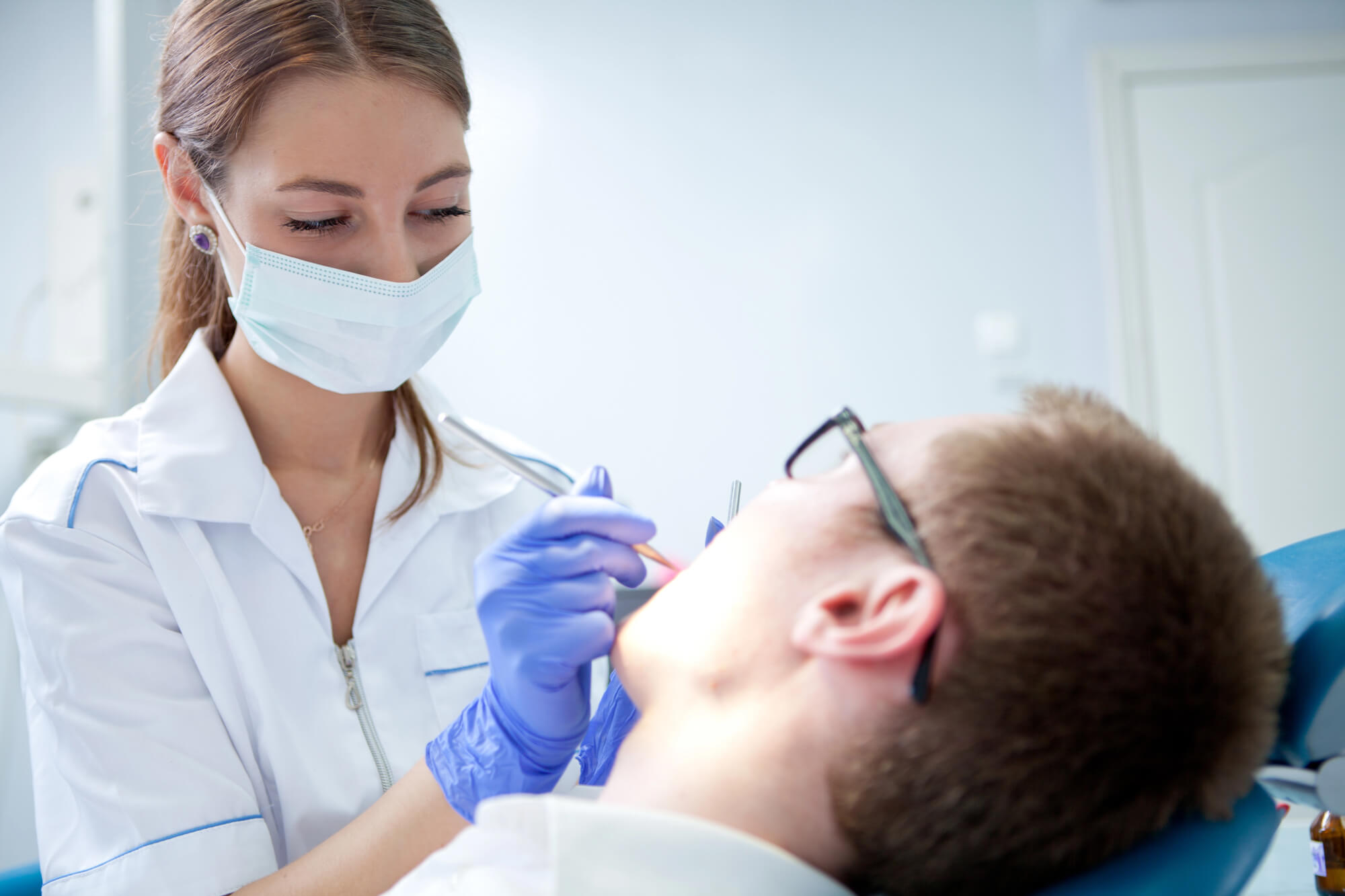
During a dental check-up, the dental care provider will assess soft tissue health and look for early signs of inflammation via a peri-implant probing.

Evaluation typically includes:

  • Visual inspection of the peri-implant mucosa for redness or swelling
  • Bleeding on probing (a hallmark sign of peri-implant mucositis or peri-implantitis)
  • Depth assessment of the peri-implant pocket using periodontal probing
  • Detection of pus, mobility, or exposed implant threads

Probing depth of ≥6mm around an implant, especially with bleeding and suppuration, often signals peri-implantitis.

Radiographic Imaging

Radiographs play a crucial role in detecting crestal bone loss and monitoring marginal bone levels.

Common imaging tools:

  • Periapical radiographs for the precise measurement of bone changes over time
  • Bitewing X-rays to compare current bone levels to baseline post-placement scans
  • Cone-beam CT (CBCT) scans in complex or unclear cases

A progressive reduction in marginal bone levels of 0.5mm or more per year after the first year of implant loading is typically considered pathological and may indicate peri-implantitis if accompanied by other clinical signs.

Risk Assessment

Diagnosis also involves evaluating risk factors to guide treatment urgency and customization.

Key considerations include:

  • History of periodontitis or peri-implant disease
  • Smoking habits
  • Systemic conditions like diabetes or autoimmune disorders
  • Level of plaque control and oral hygiene practices
  • Time since implant placement and prosthetic loading

Integrating clinical, radiographic, and patient history helps ensure a diagnosis based on current guidelines, including the Classification of Periodontal and Peri-Implant Diseases and Conditions.

How to Treat Peri-Implantitis

Treatment for peri-implantitis depends on how advanced the disease is at diagnosis. While peri-implant mucositis can often be reversed with improved hygiene and professional cleanings, peri-implantitis usually requires a more aggressive, multi-layered approach.

Non-Surgical Treatment (Early Stage)

When caught early, non-invasive interventions may halt disease progression and allow tissues to heal.

Common non-surgical methods include:

  • Professional mechanical debridement of the implant surface using non-metallic instruments
  • Application of antiseptics such as chlorhexidine to reduce bacterial load
  • Localized or systemic antibiotic therapy to suppress gram-negative anaerobes
  • Use of ultrasonic devices or air abrasives to disrupt biofilms
  • Improved patient education on plaque control and home care routines

Non-surgical therapy is most effective when the inflammation is limited to the peri-implant mucosa and no radiographic bone loss is present.

Surgical Intervention (Moderate to Advanced Stage)

Once peri-implantitis lesions extend into the supporting bone, surgical treatment is often necessary to regenerate tissue and remove infected material.

Surgical options may include:

  • Flap surgery to access the implant surface for cleaning and decontamination
  • Removal of granulation tissue and necrotic bone around the implant
  • Bone grafting or the use of regenerative biomaterials to restore crestal bone levels
  • Implantoplasty to smooth and reshape exposed titanium surfaces
  • Laser treatments
  • Removal and replacement of severely compromised implants

The choice of surgical technique depends on the defect morphology, implant system, patient health, and long-term prognosis.

Complementary Therapies and Maintenance

Long-term success requires sustained maintenance and post-treatment monitoring.

Critical aftercare strategies include:

  • Ongoing dental check-ups and radiographic follow-up to monitor healing
  • Reinforcement of personalized oral hygiene protocols
  • Use of antimicrobial mouth rinses and irrigation devices
  • Occlusal adjustments to minimize bite stress on the treated implant
  • Maintenance of systemic health, including blood sugar control and smoking cessation

Once peri-implantitis has been managed, the patient enters a lifelong phase of implant maintenance, a critical period for preventing recurrence.

Preventing Peri-Implantitis

While treatment options for peri-implantitis exist, prevention remains the most effective strategy. Fortunately, this condition is largely avoidable with the right combination of patient education, professional care, and daily habits.

Consistent and Effective Oral Hygiene

The foundation of prevention lies in removing bacterial plaque before it can mature into destructive biofilms.

Daily habits that reduce risk include:

  • Gentle tooth brushing twice daily using a soft-bristled brush or electric toothbrush
  • Daily flossing or use of interdental brushes around implants
  • Incorporation of antimicrobial mouth rinses, such as chlorhexidine, under the guidance of a dental care provider
  • Use of an air or water flosser to disrupt plaque in hard-to-reach areas
  • Avoidance of aggressive brushing, which can damage the peri-implant mucosa

These home care strategies must be complemented by professional guidance to ensure proper technique and long-term consistency.

Regular Dental Check-Ups and Maintenance

Routine visits to your dental professional are essential to detect early signs of mucositis or monitor subtle bone level changes through radiographs.

Recommended frequency:

  • Every 3 to 6 months for patients with implants, depending on individual risk
  • Annual periapical or bitewing radiographs to track marginal bone levels
  • Periodic periodontal probing to assess for bleeding, pocket depth, or mobility

Professional cleanings remove tartar and subgingival plaque that cannot be eliminated at home, significantly reducing peri-implant inflammation.

Risk Factor Management and Lifestyle Optimization

Patients can lower their risk of peri-implantitis by addressing systemic and behavioral risk factors.

Risk-lowering strategies include:

  • Smoking cessation (even light smoking increases the risk of implant failure)
  • Diabetes control, as poor glycemic regulation weakens the immune response
  • Limiting alcohol intake, which may slow healing
  • Managing autoimmune or inflammatory diseases in coordination with medical providers
  • Avoiding mechanical trauma or excessive biting forces on implants

Preventing peri-implantitis is about total patient wellness and implant stewardship.

How 4M Dental Implant Center Prevents and Manages Peri-Implantitis

At 4M Dental Implant Center, peri-implantitis prevention is built into every phase of care, from consultation to long-term maintenance.

Precision-Guided Implant Placement

Successful implants begin with precision. Our implant surgeons utilize:

  • Digital 3D imaging and CBCT scans for anatomical mapping
  • Surgical planning protocols for exact implant positioning
  • Selection of premium titanium implant systems with proven osseointegration success
  • Careful soft tissue management to support healthy peri-implant tissue sealing

With expert placement and angulation, we reduce the risk of bacterial trapping and future inflammation.

Meticulous Prosthetic Fit and Cementation Protocols

Improper crown or bridge placement is a hidden but common contributor to peri-implant disease.

At 4M, we ensure:

  • Use of custom abutments for ideal emergence profiles
  • Elimination of submucosal cement, which can harbor bacteria
  • Thorough checking of occlusion to minimize mechanical overload
  • Use of zirconia crowns and bridges, which are smooth and resist plaque accumulation

Each prosthesis is designed to protect the implant and facilitate effective hygiene.

Individualized Hygiene and Maintenance Plans

Post-surgical care isn’t one-size-fits-all. Every 4M patient receives:

  • A tailored hygiene plan based on risk assessment
  • Instruction on brushing, flossing, and plaque control skills
  • Antimicrobial rinse protocols during healing
  • Take-home care kits, including a water flosser and oral health tools
  • Lifetime access to check-ups and radiographic follow-up as part of our 4M Smile System packages

Our approach blends education, prevention, and proactive follow-through, ensuring implants remain stable, functional, and inflammation-free.

Long-Term Implant Health Starts with You

Peri-implantitis is a serious but preventable threat to your implant investment. It doesn’t happen overnight, but it is the result of silent inflammation, delayed intervention, and overlooked risk factors. Fortunately, patients who take an active role in their oral health can avoid it altogether.

Now that you know the causes, symptoms, and prevention strategies, you’re better equipped to protect your dental implants for life. And with the support of a comprehensive implant provider like 4M, you’re never on your own.

If you’re concerned about your implants or want to prevent peri-implantitis before it starts, schedule a free consultation with 4M Dental Implant Center today. 

We’ll help you maintain a strong, stable, and inflammation-free smile for years to come.

Filed Under: Uncategorized

When to Call Your Dentist: Dental Implant Trouble Signs

October 24, 2025 by 4M Dental Implants Leave a Comment

Modern dental implants are one of the most effective, durable, and natural-looking options for replacing missing teeth. Designed to mimic the structure of natural teeth, implants typically consist of a titanium screw or titanium alloy post embedded into the jawbone, topped with an abutment and crown. When placed properly and maintained through regular dental care, implant success rates exceed 95% and up to 99% at 4M. 

But even with today’s advanced techniques, including digital dental implant diagnostics and guided bone regeneration, complications can still arise. For some patients, problems develop as early as during or shortly after dental implant surgery.

For others, symptoms emerge years later due to gum disease, chronic inflammation, or systemic health issues.

The good news? Most dental implant problems start with small warning signs that, if caught early, can be addressed before serious damage occurs. Whether it’s subtle discomfort, minor gum recession, or signs of infection at the implant site, knowing when to call your dentist could save your implant — and protect your long-term oral health.

The Difference Between Normal Healing and Warning Signs

Following dental implant surgery, it’s normal to experience some faint initial pain or soreness, mild swelling, and light bleeding for the first few days. This is your body’s immune system responding to the procedure and beginning the healing process. As the titanium post integrates with the healthy bone through osseointegration, the implant becomes stable, and symptoms should gradually subside.

Normal post-op healing may include:

  • Mild discomfort for 3–5 days
  • Swelling at the implant site
  • Minor bruising or stiffness in the jaw
  • Slight bleeding within the first 24–48 hours


However, not all symptoms should be brushed off as “normal.” Some signs may point to underlying
implant complications, especially if they worsen over time or appear after initial healing.

If swelling worsens instead of improving, or if pain increases several days after surgery, it could be a sign of infection, rejection, or peri-implantitis.

Understanding the difference between standard post-op recovery and potential dental implant failure is critical for long-term success.

If something doesn’t feel right — or if symptoms appear unexpectedly — it’s always better to check in with your dental surgeon rather than wait.


7 Common Signs of Dental Implant Problems

While dental implants boast high success rates, problems can still arise, often starting subtly before escalating. Whether caused by infection, poor dental hygiene, or underlying medical conditions like diabetes or autoimmune disease, certain symptoms signal the need to contact your restorative dentist or dental surgeon right away.

Below are the most common and important signs to watch for if you suspect dental implant problems are developing.

1. Pain That Doesn’t Improve or Gets Worse

Some soreness is expected after implant surgery, but persistent or intensifying pain could indicate a deeper issue.

What to watch for:

  • Throbbing or sharp pain several days or weeks after surgery
  • Pain that increases rather than decreases over time
  • Pain while chewing or touching the implant site


This may be a sign of infection, bone involvement, or failure in the bone regeneration process. The implant may be irritating nearby tissue or failing to fuse properly with the jaw bone.

2. Redness, Swelling, or Inflammation Around the Implant

Persistent swelling, puffiness, or redness of the gums around the dental implant may indicate early peri-implant inflammation or even peri-implantitis.

Key signs include:

  • Swollen gum tissue near the implant
  • Warmth or tenderness around the site
  • Gum inflammation that doesn’t resolve with basic hygiene


These symptoms are often caused by bacterial buildup or poor plaque control, especially in patients with a history of gum disease or who smoke.

3. Bleeding Gums When Brushing or Flossing

Bleeding from the implant area isn’t normal and can indicate soft tissue irritation or infection.

Warning signs:

  • Bleeding during routine brushing or flossing
  • Bleeding triggered by light pressure or touch
  • Metallic taste or slight discharge along the gumline


Unaddressed bleeding can lead to progressive gum damage or deeper infection that may compromise the implant.

4. Gum Recession or Visible Threads

Gum tissue should form a tight, healthy seal around the implant. If the gums begin to pull away, or if you see any exposed metal at the gumline, it’s time to call your dentist.

Indicators of gum recession:

  • Visible threads or edges of the titanium implant
  • The tooth appears longer or uneven
  • Increased sensitivity along the gumline


Recession may result from inflammation, bone loss, or prosthetic misalignment and should be treated quickly to prevent deeper issues or dental implant failure.

5. The Implant Feels Loose or Moves

A dental implant should be as stable as a natural tooth. Even implant micro-movement is cause for immediate concern.

Signs of implant instability:

  • Feeling like the tooth is shifting or wiggling
  • Clicking or grinding sensations during chewing
  • Perception of “give” when touching the implant with your tongue


This often signals failure of osseointegration, bone loss, or damage to the implant structure. Left untreated, the implant may fully detach from the jaw bone.

6. Pus, Bad Taste, or Foul Odor

Fluid discharge, unpleasant taste, or bad breath can all be signs of infection or peri-implantitis.

Watch for:

  • White or yellowish pus from the gum or implant area
  • Persistent bad taste, especially when chewing or swallowing
  • Bad breath that persists despite good hygiene


These are often linked to bacterial infection or deep peri-implantitis lesions and require urgent treatment to prevent dental implant failure.

7. Difficulty Chewing or Bite Changes

If your bite feels “off” or if chewing becomes difficult after implant placement, the implant or crown may be out of alignment or the implant may be failing.

Symptoms include:

  • Uneven pressure while biting
  • Pain when chewing certain foods
  • Teeth no longer fit together as they did before


This can be caused by improper loading of the implant, changes in the jawbone, or prosthetic issues, all of which should be evaluated during a dental consultation.

Risk Factors That Increase the Likelihood of Dental Implant Problems

While dental implants are reliable and long-lasting, certain risk factors can significantly increase the chances of complications. Understanding your individual risk profile allows for better planning and proactive care.

Medical and Systemic Risk Factors

  • Diabetes, especially when uncontrolled
  • Osteoporosis or other bone metabolism conditions
  • Autoimmune disease, such as rheumatoid arthritis or lupus
  • History of immune suppression or certain medications (e.g., bisphosphonates)
  • Genetic predisposition to gum disease or low bone density

These conditions may impair bone healing, reduce blood flow, or increase the body’s inflammatory response, making osseointegration more difficult and increasing the risk of implant rejection or failure.

Lifestyle Factors

  • Smoking or vaping, which constricts blood vessels and impairs bone regeneration
  • Poor oral hygiene and inconsistent plaque control
  • Lack of regular dental checkups and professional maintenance
  • Chronic bruxism (teeth grinding), which can damage implants or restorations


Patients who smoke are at significantly higher risk of peri-implantitis and long-term bone loss, making smoking cessation critical for long-term success.

Surgical and Technical Factors

  • Improper implant placement or angle during surgery
  • Inadequate bone support or lack of pre-treatment bone grafts
  • Use of poor-quality implant materials or components
  • Failure to detect and treat early-stage gum disease before surgery


Choosing an experienced dental surgeon and completing necessary preparatory procedures like bone grafts or sinus cavity lifts can significantly reduce these risks.

When to Call Your Dentist

If you notice any changes in how your replacement teeth look, feel, or function, it’s always safer to reach out to your dental professional, even if the issue seems small.

Contact your dentist immediately if you experience:

  • Pain or discomfort that gets worse after the initial recovery
  • Visible gum changes, including recession, redness, or swelling
  • Bleeding when brushing or flossing near the implant
  • Difficulty chewing or an altered bite
  • Signs of infection, such as pus or a persistent bad taste
  • Any feeling that the implant is loose, mobile, or unstable


Don’t assume the issue will resolve on its own. Many implant problems can be corrected or reversed if caught early, especially when the dental team can intervene before the bone or soft tissues are significantly affected.

Even if you’re not sure whether a symptom is serious, your best option is to book a consultation with your implant dentist. A quick evaluation using digital imaging, clinical probing, and soft tissue assessment can provide peace of mind or identify problems before they escalate.

What Your Dentist Will Do

When you contact your dental office about potential implant problems, your care team will take a comprehensive, evidence-based approach to diagnosing the issue and preserving the implant if possible.

Initial Evaluation

  • Visual inspection of the implant site and surrounding tissues
  • Periodontal probing to assess pocket depth, bleeding, or inflammation
  • Mobility check to determine if the implant abutment or root is loose
  • Review of your medical history, medications, and risk factors


Diagnostic Imaging

  • Intraoral radiographs (periapical or bitewing) to check for bone loss
  • Digital imaging or CBCT scan to assess the implant’s position, surrounding bone, and integrity of osseointegration


These tools help your dentist identify whether the issue stems from soft tissue inflammation, peri-implantitis, mechanical complications, or more complex bone-related concerns.

Treatment Planning

Depending on the findings, your dental team may recommend:

  • Professional cleaning and debridement of the implant site
  • Local or systemic antibiotic therapy
  • Adjustment or replacement of the implant abutment or crown
  • Surgical intervention, such as guided bone regeneration or bone grafting
  • In extreme cases of dental implant failure, implant removal and replacement


Prompt action can help avoid further complications, improve healing, and, in many cases, save the implant.

Preventing Future Implant Issues

The best way to avoid dental implant problems is to focus on prevention. A proactive approach before, during, and after dental implant surgery can significantly improve your chances of long-term success. Whether you’ve undergone a dental implant procedure recently or had dental implants for several years, maintaining excellent oral health is essential for avoiding implant failure and protecting the surrounding bone and gum tissue.

Maintain Excellent Oral Hygiene

Consistent oral hygiene is the foundation of implant dentistry and helps prevent gum disease and infection at the implant site.

  • Brush twice daily using a soft-bristle or electric toothbrush around the implant and your natural teeth.

  • Floss or use interdental brushes and water flossers to clean between the artificial tooth and adjacent teeth.

  • Use antimicrobial rinses as directed by your dental professional.

  • Attend regular dental cleanings and professional exams.

Good oral hygiene prevents plaque buildup and reduces the risk of peri-implantitis, bone loss, and other common dental implant problems. Keeping the tissues surrounding the implant healthy allows the titanium screw to remain stable as it fuses with the jaw bone during bone healing and new bone growth.

Schedule Regular Checkups

Regular dental checkups are critical for ensuring your dental implant procedure remains successful over time.

  • Visit your restorative dentist or oral surgeon every 3–6 months based on your individual risk factors.

  • Have radiographs or 3D scans taken annually to evaluate bone density and implant stability.

  • Make sure the crown, abutment, and replacement tooth remain properly aligned with the natural tooth root.

These visits allow your dentist to identify early warning signs such as swelling, loosening, or infection around the implant. Routine monitoring also ensures that any tissue damage, bone loss, or nerve or tissue damage is addressed before implant removal or implant failure becomes necessary.

Manage Systemic Health Conditions

Certain medical conditions can negatively affect the healing process and increase the risk of dental implant complications.

  • Keep diabetes and other medical conditions under control to promote sufficient bone healing and oral health.

  • Always update your dental team with your current medical history and medications.

  • Discuss concerns such as osteoporosis, low bone density, or autoimmune disorders with your oral surgeon before dental implantation.

Uncontrolled diabetes, autoimmune issues, and poor oral hygiene can interfere with bone grafting, bone growth, and the implant fuses process, reducing long-term success rates.

Avoid High-Risk Habits

Lifestyle choices play a huge role in the longevity of dental implants.

  • Quit smoking — it’s one of the top risk factors for implant failure and gum disease.

  • Address teeth grinding (bruxism) with a custom night guard to protect the implant site.

  • Avoid biting hard objects or using your teeth as tools, which can damage both the implant and your natural teeth.

  • Eat soft foods after implant surgery and during the healing process to prevent infection and minimize tissue damage.

Patients who smoke, grind their teeth, or apply excessive pressure around the implant are more likely to experience loosening, swelling, or persistent pain. These issues can compromise the surrounding bone and lead to an implant that lacks stability.

Your Body Sends Signals — Don’t Ignore Them

Dental implants are designed to replace missing teeth and restore full function, but they still require care and attention. If your body begins to show signs of discomfort, don’t dismiss them.

Pain or discomfort, perhaps a tingling sensation, swelling, or a loose implant can indicate infection at the implant, bone loss, or nerve damage. In severe cases, untreated infection may reach the sinus cavity or sinus cavities in the upper jaw, especially if the implant placement is close to these structures. Early detection and treatment by your dental professional are key to preventing serious complications or implant failure.

Protecting Your Investment

Dental implantation is a surgical procedure that involves precision, bone health, and commitment to maintenance. Every implant procedure — from initial bone graft to final restoration — depends on your oral hygiene and post-surgical care. Maintaining healthy gums, avoiding infection, and addressing potential complications promptly ensures your implant lasts as long as your natural tooth roots.

At 4M Dental Implant Center, our oral surgeons and restorative specialists use advanced imaging, careful implant placement, and long-term follow-up care to ensure each dental implant achieves optimal bone fusion and function. Whether you’re replacing missing teeth with immediate tooth replacement or managing existing dental implants, our goal is fewer doctor visits, improved overall oral health, and lasting confidence in your smile.

If you’re experiencing any signs of implant trouble, schedule a free consultation with 4M Dental Implant Center today.

Early action can save your implant — and your smile.

Filed Under: Uncategorized

Comprehensive Guide to Dental Implant Costs

October 24, 2025 by 4M Dental Implants Leave a Comment

While tooth loss may initially be perceived as a cosmetic issue, those affected by it soon realize that it also impacts eating, speaking, and even socializing. Whether caused by decay, trauma, or chronic oral health conditions, missing teeth can lead to serious complications like bone loss, shifting teeth, and the slow erosion of self-confidence.

For those seeking a permanent solution, dental implants are often considered the gold standard in tooth replacement. But while the long-term benefits are clear, many patients are left wondering: How much do dental implants cost, and what exactly am I paying for?

The answer isn’t always straightforward. Dental implant costs can vary widely depending on several factors, including the materials used, your bone health, and even your geographic location. Understanding the full scope of the procedure — from surgery to the final zirconia crown — is key to making an informed decision.

This comprehensive guide will walk you through the real costs of dental implants, what influences the dental implant price, and why investing in quality care can make all the difference to your long-term oral health.

What Is a Dental Implant?

Dental implants are a modern and highly effective solution for replacing missing teeth. Unlike dentures or dental bridges, which rest on the gums or rely on adjacent teeth for support, implants are surgically placed into the jawbone, providing a stable foundation for a dental crown or full prosthesis.

Each implant consists of three parts:

  • Titanium post: This replaces the tooth root and is surgically embedded in the jawbone. Most commonly made from medical-grade titanium alloy, this post is biocompatible and designed to integrate with the bone through a process called osseointegration.
  • Abutment: This small connector piece attaches the post to the restoration.
  • Restoration: Typically a dental crown, bridge, or full-arch prosthesis, often made from zirconia for its durability and natural appearance.

The result is a replacement that looks, feels, and functions like a natural tooth. Whether you need a single tooth implant or a full-arch solution like All-on-X, dental implants offer unmatched stability, strength, and longevity.

Implants not only restore aesthetics but also help preserve jawbone integrity. Tooth loss can trigger bone resorption, but implants stimulate the bone just like natural roots, preventing the need for later bone grafting or augmentation procedures.

How Much Does a Dental Implant Cost?

One of the most common questions we hear from patients is: “What is the cost of dental implants?” While the answer depends on your specific needs, let’s break down some general pricing benchmarks and what influences them.

National Average Ranges

The cost of a single dental implant in the United States typically ranges from $3,000 to $6,000, including the implant post, abutment, and crown. However, this range can vary based on:

  • The complexity of the case
  • Type of restoration (crown vs. full-arch)
  • Materials used (milled PMMA or zirconia crowns)
  • Any required bone grafts or other preparatory procedures

Factors That Influence Dental Implant Cost

While the price of dental implants may seem like a fixed number, it’s actually shaped by a combination of clinical, technical, and even geographic variables. Understanding these cost drivers will help you evaluate your treatment options with greater clarity and avoid unexpected expenses down the line.

1. Type of Implant Procedure

Not all dental implants are the same. The treatment type — whether a single tooth implant, implant-supported bridge, or All-on-4 dental implants — plays a major role in the final cost.

  • Single implants are ideal when just one tooth is missing and typically include a titanium post, abutment, and a dental crown.
  • Implant-supported dental bridges may require fewer posts for multiple missing teeth, which can reduce the cost per tooth.
  • Full-arch solutions like the 4M ForeverSmile or Smile in 24 replace an entire row of teeth and offer the best value per tooth, though the upfront investment is higher.

Each of these options varies in complexity and materials, which directly affects pricing.

2. Materials Used: Titanium vs. Zirconia

The choice of materials, both for the implant itself and the final restoration, significantly influences the dental implant cost.

  • Titanium implants are the industry standard due to their strength, lightweight nature, and long-term biocompatibility. At 4M, we use medical-grade titanium alloy, known for its durability and ability to fuse seamlessly with bone.
  • Zirconia crowns and bridges, often used in final restorations, offer excellent longevity and a lifelike appearance.
  • Zirconia implants are a metal-free alternative, often chosen for patients with sensitivities or those seeking a more holistic option, although metal allergies are extremely rare. They are highly aesthetic and ideal for visible areas, but may be priced higher due to specialized manufacturing.

At 4M, both materials are FDA-approved, lab-crafted in-house, and tailored to your unique anatomy and smile goals.

3. Bone Grafting, Bone Loss & Pre-Implant Treatments

If you’ve experienced bone loss in the jaw — which is common after tooth loss — you may need bone grafting or bone augmentation before implant placement. These procedures rebuild the jawbone to ensure there’s enough support for the titanium post.

While some patients can avoid grafting through angled placement (like with the All-on-X technique), others may require:

  • Minor bone grafts (cost-effective and often performed at the time of implant surgery)
  • Sinus lifts for upper jaw implants
  • Guided bone regeneration for more advanced cases

These additional steps contribute to the overall cost but are critical for long-term implant success and oral health stability.

4. Geographic Location

The cost of dental implants can vary dramatically depending on where you live. For instance, a procedure performed in a major metro area like Los Angeles or New York is typically more expensive than the same treatment in dental clinics in smaller towns due to higher overhead, operating costs, and demand.

However, practices like 4M, with in-house labs, centralized technology, and streamlined systems, are able to offer high-end implant dentistry at lower costs than many other leading providers.

5. Dentist’s Expertise and Facility Resources

Advanced implant treatment isn’t just about placing posts, but also precise diagnostics, surgical planning, digital tools, and artistic smile design.

Dental practices that invest in:

  • 3D imaging and intraoral scanning
  • Digital smile design and photogrammetry
  • In-house prosthetic labs
  • Sedation dentistry and IV protocols
  • Proven implant systems (like the 4M Smile System)
  • Experienced and talented dental professionals

…tend to offer more predictable outcomes, fewer visits, and greater long-term value. At 4M, the entire process — from tooth removal to zirconia final teeth — is performed under one roof, reducing complications, errors, and third-party lab costs.

6. Insurance Coverage and Financing

Dental insurance typically does not cover the full cost of dental implants, considering them elective. However, partial insurance coverage might apply to:

  • Diagnostic imaging
  • Extractions
  • Bone grafting
  • Final crowns or bridges

At 4M, we work closely with patients to maximize any insurance benefits and offer flexible financing with high approval rates, making advanced care accessible regardless of credit history.


Dental Implants vs. Alternatives: A Cost Comparison

Before deciding on implants, many patients explore traditional options like dental bridges or dentures. While these alternatives may appear more affordable initially, the long-term costs, both financial and functional, often outweigh the savings.

Traditional Dentures

  • Upfront Cost: Lower (typically $1,000–$3,000)
  • Lifespan: 5–7 years
  • Maintenance Needs: High — frequent relines, adhesives, and eventual replacements.
  • Bone Health Impact: Negative; accelerates bone loss
  • Limitations: Reduced chewing power, poor stability, aesthetic compromises

Dental Bridges

  • Upfront Cost: $2,000–$5,000 per bridge
  • Lifespan: 7–15 years
  • Involves Adjacent Teeth: Yes (can require grinding healthy teeth)
  • Bone Health Impact: None; does not preserve bone
  • Limitations: Not ideal for multiple missing teeth or large gaps

Dental Implants

  • Upfront Cost: Higher ($3,000–$25,000+)
  • Lifespan: Decades — often a lifetime with proper care
  • Bone Health Impact: Positive; maintains bone density
  • Stability & Function: Superior — mimics natural teeth
  • Aesthetic Outcome: Exceptional, especially with zirconia restorations


When considering cost, it’s essential to think beyond the immediate price tag. Dental implants protect your bone, support long-term oral health, and eliminate the recurring expenses of replacements, adhesives, and discomfort. It’s an investment in your freedom, confidence, and daily quality of life.

Financing & Affordability at 4M

Many patients delay dental implant treatment due to concerns about affordability. At 4M Dental Implant Center, we believe everyone deserves access to a confident, functional smile, regardless of budget. That’s why we’ve designed a patient-first pricing and financing system that’s transparent, flexible, and supportive from day one.

No Hidden Fees — Just Transparent Pricing

One of the biggest frustrations in dental care is the surprise bill, which includes extra charges for imaging, sedation, lab fees, or follow-up visits to the dental office that weren’t disclosed upfront. At 4M, our pricing is fully transparent. During your free consultation, you’ll receive a comprehensive breakdown of costs so that you can make informed decisions with complete peace of mind.

Each of our packages includes:

  • 3D imaging and digital diagnostics
  • Implant surgery with IV sedation
  • Tooth extraction (if needed)
  • Bone grafting or augmentation (when required)
  • Custom-milled prosthetic teeth (PMMA or full zirconia)
  • Aftercare tools, like a Waterpik and a night guard
  • Ongoing follow-up and maintenance recommendations


No hidden lab fees. No nickel-and-diming. Just clear, bundled pricing designed for predictability and value.

Financing Options to Fit Any Budget

We offer a range of financing solutions to make dental implant costs manageable, even for patients with less-than-perfect credit. Here’s how we make it easier:

  • 95% approval rate with our third-party lending partners
  • Low monthly payments that fit most household budgets
  • No hard credit check to pre-qualify


Many of our patients pay as little as a few hundred dollars a month for a complete full-arch restoration, helping them restore their smile
without compromising their finances.

A Lifetime of Value

Traditional dentures may seem cheaper upfront, but they often need to be replaced every 5–7 years, and come with ongoing costs for adhesives, relines, and repairs. Over time, these expenses can exceed the cost of high-quality implants.

By contrast, 4M’s implant packages are designed to last. Our premium zirconia bridges, titanium posts, and in-house surgical expertise allow us to deliver results built for decades — not years — backed by a lifetime warranty for eligible cases.

Real Costs, Real Value: What Patients Are Paying For

It’s easy to focus on numbers like the upfront dental implant price, the monthly payment, and the insurance coverage, but it’s equally important to understand what those numbers represent.

When you invest in dental implants at 4M, you’re not just paying for a procedure. You’re investing in precision-guided outcomes, long-term oral health, and a complete lifestyle upgrade.

Precision Diagnostics & Planning

Every 4M smile starts with technology-driven planning and a dental exam, including:

  • 3D CBCT imaging
  • Intraoral scanning
  • Digital smile design
  • Guided surgery tools that ensure accurate implant placement


These advanced tools eliminate guesswork, minimize errors, and reduce complications, providing a smoother and safer experience from day one.

Surgical Expertise & In-House Lab Advantage

Unlike many dental practices that outsource to third-party labs or refer you to external specialists, 4M handles everything under one roof:

  • Board-certified implant surgeons with decades of experience
  • IV sedation dentistry for comfort and anxiety relief
  • In-house dental lab equipped with advanced milling machines for same-day prosthetics


This end-to-end approach means fewer visits, faster results, and tighter control over quality, all of which contribute to the long-term success of your implant treatment.

Superior Materials = Long-Term Confidence

Not all materials are created equal. At 4M, we use:

  • FDA-approved titanium alloy for implant posts, chosen for its strength and bone integration success
  • Full-contour zirconia or PMMA with titanium bars for final prosthetics, delivering unmatched aesthetics, durability, and biocompatibility


These materials don’t just look better: they last longer, resist wear, and support overall bone health and oral function more effectively than traditional restorations.

Total Smile Transformation

Beyond the technical value, your implant investment pays off in everyday life:

  • Eat the foods you love again, without fear or discomfort
  • Speak clearly and confidently with no slipping dentures or awkward lisps
  • Protect your facial structure from bone loss
  • Reclaim your self-esteem in social and professional situations

When you weigh the cost of dental implants against a lifetime of confidence, function, and freedom, the value becomes unmistakable.

FAQs About Dental Implant Costs

Choosing dental implants is a big decision, especially when you’re dealing with missing or damaged teeth, and one that often comes with questions about only the cost, the dental implant procedure, and long-term value. Below are answers to some of the most common concerns we hear during an initial consultation at 4M Dental Implant Center.

Are dental implants worth the cost?

Yes — dental implants are worth the cost for many patients seeking a long-term solution for missing teeth. While the cost of dental implants may be higher upfront compared to dental bridges or traditional dentures, implants offer a cost effective solution over time.

Dental implants help preserve jawbone health by preventing bone loss and supporting bone growth after implant placement. Unlike dentures, implant supported dentures and single tooth implants closely mimic natural teeth in appearance and function. They restore chewing ability, protect existing teeth, and support overall oral health.

Whether you need a single dental implant for a damaged tooth, multiple implants for several missing teeth, or full mouth dental implants, implant dentistry is designed to last decades, making it a reliable tooth replacement option rather than a temporary fix.

What’s included in the dental implant price at 4M?

At 4M, our implant treatment packages are designed to be transparent and comprehensive, so patients understand the total cost and costs involved upfront. Pricing can vary greatly depending on your needs, but our approach ensures there are no surprise fees.

Your dental implant surgery package may include:

  • 3D imaging, a dental exam, and detailed treatment plan development
  • Tooth extraction or tooth and root extraction when necessary
  • Bone grafting for patients with significant bone loss
  • Local anesthesia or IV sedation during the implant procedure
  • Premium titanium implant posts and artificial teeth
  • Temporary and permanent dental crown or bridge restorations
  • Immediate implant options when clinically appropriate
  • Long-term follow-up care from our oral surgeon and implant team

Whether you’re replacing a single tooth, addressing missing multiple teeth, or planning full mouth implants — including advanced options like zygomatic implants for patients with significant bone loss — your customized treatment plan is designed for predictable, lasting results.

Can I use dental insurance to cover implants?

Dental insurance coverage for dental implants is often limited. Most dental insurance providers classify implants as an elective procedure, which means full coverage is uncommon. However, many dental insurance providers cover certain components, such as tooth extraction, diagnostic imaging, or a dental crown, and may provide partial coverage depending on your plan.

Our team works closely with dental insurance providers to determine exact costs, what services qualify for partial coverage, and how to maximize benefits. We help patients understand how dental insurance coverage applies, especially when replacing missing or damaged teeth or multiple teeth.

Is financing available for dental implants?

Yes. We offer flexible patient financing options to make affordable dental implants accessible, even if you’re concerned about lower upfront cost or paying out of pocket.

At 4M, we partner with trusted lenders and medical credit cards to provide:

Care Credit financing and other financing options
High approval rates, even for patients with credit challenges
No hard credit pull to pre-qualify
Affordable monthly installments tailored to your budget

These financing options allow you to move forward with implant placement now and manage the cost over time. Our team will review patient financing options during your consultation so you can choose what works best for you.

Investing in More Than Just Teeth

Dental implants do more than replace missing or damaged teeth — they support jawbone health, protect healthy teeth, and provide a long term solution for tooth replacement. Whether you need single implants, multiple implants, or full mouth dental implants, implants restore confidence, comfort, and function in ways unlike dentures or dental bridges.

At 4M Dental Implant Center, our dental clinics and dental offices focus exclusively on implant dentistry. Our experienced dental implant team provides advanced solutions such as immediate implant placement, implant supported dentures, and zygomatic implants for complex cases involving bone loss.

With transparent pricing, personalized treatment plans, flexible financing, and a 99% success rate, dental implants have never been more accessible.

Ready to replace missing teeth with a solution that looks, feels, and functions like natural teeth?

Schedule your free initial consultation today and let our team guide you through the dental implant process — from exam to implant surgery and beyond. Your new smile is closer than you think.

Dental Implants in Treating Tooth Loss from Oral Cancer

Filed Under: Uncategorized

Understanding Common Dental Implant Complications

September 10, 2025 by 4M Dental Implants Leave a Comment

Dental implant surgery has become one of the most reliable dental treatments in modern implant dentistry, with success rates exceeding 99% when proper surgical techniques, treatment planning, and patient cooperation are followed. Despite this high success rate, dental implant complications can still occur. These complications are not necessarily a reflection of the skill of the dental professional or surgeons involved.

Instead, they may arise from individual patient factors, medical conditions, healing responses, or extremely rare issues with materials such as the titanium screw, zirconia abutment, or prosthesis.

This guide explores the most common dental implant complications, their risk factors, and how they are treated or managed. It will also highlight the importance of proper jaw preparation, careful surgical protocol, and diligent post-surgical healing to ensure every artificial tooth, dental crown, or dental bridge supported by implants remains stable for years to come.

Why Talk About Dental Implant Complications?

For patients, it’s important to understand that while dental implants provide strong support from the bone and function as a permanent replacement for missing teeth, complications can develop if the surgical procedure or post-surgical aftercare is disrupted.

Conditions like peri-implantitis, bone loss, nerve damage, or sinusitis may develop due to poor oral hygiene, gum disease, smoking, or systemic medical conditions like diabetes, osteoporosis, or autoimmune disorders.

Recognizing risk factors early allows patients to partner with their dental surgeon in prevention and treatment.

What Are Dental Implant Complications?

Dental implant complications are any issues that interfere with the healing, stability, or long-term success of a dental implant after the surgical procedure. While dental implant surgery is designed to replace a missing tooth with a titanium implant post anchored in the jaw bone, complications can affect the integration process known as osseointegration.

When osseointegration is disrupted, the implant may fail to fuse properly with the bone, leading to implant mobility, discomfort, or eventual implant failure.

Complications can be grouped into two main categories:

  • Short-term complications – These occur shortly after implant placement and may involve infection at the implant site, sinus damage in the maxillary sinus, very rare allergic reactions to dental implant metal, rejection of the titanium screw, or problems with sedation or anesthesia. In rare cases, patients may develop swelling, bleeding, or nerve-related symptoms if the inferior alveolar nerve or trigeminal nerve is affected during surgery.
  • Long-term complications – These usually appear months or years after dental surgery. They include peri-implantitis (infection around the implant and gum line), progressive bone loss, loose implants due to insufficient bone density, or mechanical problems with the dental crown, prosthesis, or dental bridge placed on top of the implant. Long-term issues may also include sinus issues if the Schneiderian membrane was compromised during maxillary sinus surgery or sinus lift procedures.

Dental implant complications can arise from multiple factors; however, with proper planning, the use of 3D images for surgical planning, and adherence to surgical protocol, many of these complications can be avoided or treated successfully if they occur.

The Most Common Dental Implant Complications

Even with careful treatment planning, advanced surgical techniques, and experienced dental professionals, complications can occur after dental implant surgery. Below are the most common issues patients may face, along with causes, symptoms, and treatment approaches.

Infection and Peri-Implantitis

One of the most common complications following implant placement is infection at the implant site. Peri-implantitis is a condition where bacteria accumulate around the gum line and titanium screw, leading to inflammation, bone loss, and potential implant failure.

  • Risk factors: poor oral hygiene, untreated gum disease, smoking, diabetes, or autoimmune disease.
  • Symptoms: redness, swelling, tenderness, bleeding gums, or pus near the implant.
  • Treatment: early-stage infection may be treated with professional cleaning, antibiotics, and antibacterial rinses; advanced cases may require surgical procedures like bone grafting or implant replacement.

Implant Failure and Lack of Osseointegration

Dental implants rely on osseointegration, which is the natural process where the titanium implant post fuses with the jawbone. If this does not occur properly, dental implant failure can result.

  • Causes: low bone density, poor surgical protocol, medical conditions like osteoporosis or rheumatoid arthritis, smoking, or allergic reactions to implant metal.
  • Signs: implant mobility, persistent pain, or a loose implant that fails to provide stable support for the prosthesis.
  • Solutions: bone grafting or ridge augmentation to improve jaw preparation, replacing the implant, or addressing systemic medical conditions before re-attempting implant placement.

Bone Loss Around the Implant

Even if bone fusing is successful after the implant procedure, bone loss can still occur as a long-term complication and weaken implant support from the bone, threatening stability. It may occur gradually, sometimes unnoticed by the patient until the implant becomes loose.

  • Causes: peri-implantitis, excessive bite force, poor oral hygiene, gum disease, or inadequate jaw preparation.
  • Treatment: scaling and root planning, guided tissue regeneration, or bone grafting to restore bone density and support for the artificial tooth.

Nerve Damage

Improper implant placement in the lower jaw can cause nerve damage, especially to the inferior alveolar nerve or trigeminal nerve.

  • Symptoms: numbness, tingling, pain, or altered sensation in the lips, tongue, or chin.
  • Prevention: using CBCT 3D images for precise treatment planning and adhering to strict surgical protocol.
  • Management: nerve damage may resolve over time, but in some cases, surgical correction is required.

Sinus Complications

For implants placed in the upper jaw, there is a risk of sinus complications if the implant protrudes into the sinus cavity or damages the Schneiderian membrane.

  • Causes: insufficient jawbone height or inadequate bone density in the maxillary sinus area.
  • Complications: sinusitis, sinus infections, or chronic sinus issues.
  • Treatment: sinus lift procedures, bone grafts, or surgical correction to reposition or replace the implant.

Mechanical or Prosthetic Complications

Even when the implant integrates successfully, the artificial tooth or dental crown may experience problems.

  • Examples: chipped porcelain crowns, fractured zirconia, loose abutments, or instability in a dental bridge or denture attached to implants.
  • Causes: bite stress, faulty materials, or a misfit prosthesis.
  • Solutions: replacement of the dental crown, adjustment of bite alignment, or reinforcement of the prosthesis with stronger materials.

Risk Factors That Increase Complications

Although dental implant surgery has a very high success rate, certain patient-specific or procedural factors can increase the likelihood of dental implant complications. Identifying these risks early allows both the dental surgeon and patient to take preventive steps.

Smoking and Poor Oral Hygiene

Smoking restricts blood flow, delays healing at the implant site, and weakens support from the bone. Combined with poor oral hygiene, it increases the risk of peri-implantitis, gum disease, and eventual implant failure. Patients who smoke should quit before undergoing implant placement and commit to strict oral care after the surgical procedure.

Medical Conditions and Systemic Health Issues

Chronic illnesses such as diabetes, autoimmune disorders, rheumatoid arthritis, and osteoporosis can interfere with osseointegration and bone density. Autoimmune disease and other systemic conditions compromise the immune response, making infection more likely and reducing long-term implant stability. Careful treatment planning, including coordination with a patient’s medical provider, is essential.

Gum Disease and Pre-Existing Oral Health Issues

Untreated gum disease or infection near the gum line increases the risk of peri-implantitis and bone loss. Patients with gum disease should undergo treatment before dental implant surgery to reduce complications and improve implant success.

Low Bone Density or Inadequate Jawbone Support

If the jawbone lacks sufficient density or height, the implant may not achieve stable support. This is especially common in the posterior maxilla near the sinus cavity. Bone grafting, ridge augmentation, or sinus lift procedures may be necessary to create adequate support for the titanium screw or zirconia implant post.

Inexperienced Surgical Technique

Dental implant complications may also occur due to errors in surgical techniques, such as damaging the inferior alveolar nerve, improper jaw preparation, or violating the maxillary sinus or Schneiderian membrane. Working with experienced dental and maxillofacial surgeons who follow strict surgical protocol significantly reduces these risks.

Patient Age and Healing Capacity

Older patients may experience slower healing times due to reduced bone density, chronic medical conditions, or decreased immune response. While patient age alone is not a contraindication for dental implants, it can influence recovery and long-term implant stability.

Early Warning Signs of Dental Implant Failure or Complications

Not every ache or change in your mouth means an implant is failing, but certain signs may indicate problems with implant placement, bone integration, or surrounding gum tissue. If you experience any of the following, it’s best to contact your dental professional or oral and maxillofacial surgeon promptly. Early intervention can make a big difference in preserving your dental implants.

  • Persistent Pain or Throbbing: Mild discomfort after dental implant surgery is normal, but intense or worsening pain may suggest issues with osseointegration, surrounding tissue pressure, or even nerve damage near the inferior alveolar nerve or trigeminal nerve.
  • Swelling, Redness, or Inflammation: Some swelling is part of the natural healing process, but prolonged gum inflammation, redness, or bleeding around the implant post can indicate peri-implantitis or infection at the implant site.
  • Loose Implant or Wiggling Sensation: A properly placed titanium or zirconia implant should feel as secure as a natural tooth once healed. If your implant feels mobile, it may point to implant overload, bone loss, implant screw issues, or incomplete fusion with the jawbone.
  • Gum Recession or Visible Threads of the Implant: If gum tissue pulls back and you notice exposed metal threads near the gum line, it could be a sign of gum disease, bone deterioration, or failing support from the bone around the implant.
  • Difficulty Chewing or Biting Down Normally: Pain or discomfort while chewing—especially on harder foods—can suggest implant misalignment, implant mobility, or insufficient jaw preparation during the surgical procedure.
  • Bad Taste or Odor: A persistent bad taste or foul odor in the mouth may indicate bacterial infection, poor oral hygiene around the implant, or peri-implantitis.
  • Fever or General Malaise: In rare cases, untreated infection around an implant can cause systemic symptoms like fever, fatigue, or malaise. This requires immediate evaluation by a dental surgeon to prevent further complications.

Recognizing these signs early doesn’t always mean implant failure is inevitable, but it does mean you should act quickly. With timely treatment, many complications can be reversed, preserving your implant and protecting your long-term oral health.

How to Treat and Manage Dental Implant Complications

When dental implant complications occur, prompt diagnosis and treatment are essential to preserve the implant, protect surrounding bone and gum tissue, and maintain long-term oral health. Management strategies vary depending on the type and severity of the complication.

Early Detection Through Regular Follow-Ups

Routine checkups with a dental professional after implant placement are critical. Dental surgeons use clinical exams, X-rays, and 3D images to detect peri-implantitis, bone loss, or implant mobility early. Catching complications early often means simpler, non-surgical treatment.

Non-Surgical Treatments

Minor infections around the implant site can often be treated without additional surgery. Approaches include professional cleaning, antibiotic therapy, and improved oral hygiene practices to reduce bacteria at the gum line. For prosthetic complications, such as a loose dental crown or fractured zirconia prosthesis, simple repairs or adjustments may resolve the problem.

Surgical Interventions

More advanced complications sometimes require corrective surgical procedures:

  • Bone grafting or ridge augmentation can rebuild jawbone density when bone loss threatens implant stability.
  • Sinus lift surgery may correct issues in the maxillary sinus cavity or Schneiderian membrane.
  • Implant replacement or revision is sometimes necessary if the titanium screw or implant fails to integrate with the jaw bone, leading to dental implant failure.

Compliance With Surgical Protocol

Following all post-surgical instructions, including prescribed medications, use of ice packs, and rest recommendations, is essential. Patients should also avoid strenuous activity immediately after dental surgery, as this may interfere with healing and implant stability.

Proper Aftercare to Prevent Complications

Successful management of complications depends not only on the dental surgeon but also on the patient. Quitting smoking, controlling medical conditions like diabetes, and practicing excellent oral hygiene are critical steps in reducing the risk of recurrent issues.

Following the surgical protocol, including recommended restrictions after surgery, helps ensure long-term success.

  • Daily Oral Hygiene: Keeping the implant site clean is essential to prevent peri-implantitis and bone loss. Patients should brush gently around the gum line, floss daily, and use antibacterial rinses as recommended by their dental professional. Avoiding plaque buildup is one of the most effective ways to protect osseointegration and long-term implant stability.
  • Lifestyle Choices and Habits: Smoking is one of the strongest risk factors for implant failure because it reduces blood flow, slows bone healing, and increases the likelihood of infection. Excessive alcohol consumption also delays recovery. Patients should avoid smoking and minimize alcohol intake during healing to protect the titanium screw and post, and surrounding jaw bone.
  • Nutrition and Healing Support: A soft-food diet immediately following the surgical procedure helps protect the implant site. Nutrient-rich foods that support bone health, such as those high in calcium and vitamin D, promote osseointegration and stability of the implant post. Hard or sticky foods should be avoided until the dental surgeon confirms the implant is secure.
  • Professional Follow-Ups and Maintenance: Regular visits to the dental surgeon are critical. These appointments allow professionals to monitor bone density, check for implant mobility, and ensure the dental crown, prosthesis, or dental bridge is fitting correctly. Professional cleanings reduce bacterial risk at the gum line and around the implant.

Awareness, Prevention, and Lasting Success

Dental implant surgery is one of the most successful and predictable dental treatments available, with success rates above 99%. Still, complications such as peri-implantitis, bone loss, implant mobility, nerve damage, or sinus issues can occur in certain situations. Factors like bone density, gum disease, smoking, and systemic medical conditions such as diabetes or autoimmune disorders influence these risks.

With proper treatment planning, advanced surgical techniques, and patient cooperation in post-surgical aftercare, most dental implant complications can be prevented or effectively managed.

At 4M Dental Implant Center, our dental professionals follow strict surgical protocols and use advanced imaging, 3D treatment planning, and state-of-the-art surgical techniques to ensure stability, osseointegration, and long-lasting results.

If you’re considering dental implants—or need help restoring confidence in your smile—schedule a consultation with 4M today and take the first step toward a healthier, brighter future.


Frequently Asked Questions About Dental Implants Complications

What are the most common dental implants complications?

Dental implants complications may include infection at the implant site, peri-implantitis, bone loss, nerve injury, and implant fractures. Problems with implant placement or improper implant surgery can also cause inflammation and bone loss around the implant. These issues may develop shortly after the dental implant procedure or years later as long-term potential complications.

What risk factors can increase the chance of dental implant failure?

Implant failure is often linked to poor oral hygiene, gum disease, smoking, autoimmune disorders, osteoporosis, or other medical conditions that interfere with bone healing and blood flow. Insufficient bone density, improper implant placement, or teeth grinding may also increase the risk of complications. Patients with unhealthy gums or existing teeth problems should address them before dental implant surgery to minimize risks.

How do dental implants work to replace missing teeth?

Dental implants act as a permanent tooth replacement option. During the dental implant procedure, an oral surgeon or maxillofacial surgery specialist places a titanium metal post into the surrounding bone of the upper jaw or lower jaw. As new bone growth occurs, the implant fuses with the jaw through osseointegration, supporting an artificial tooth, dental crown, or replacement tooth. This makes dental implants function like natural teeth while protecting other teeth and maintaining bone density.

What can patients do to improve healing after implant surgery?

After implant treatment, patients should follow their surgeon’s instructions to ensure a smooth healing process. Eating soft foods, practicing good oral hygiene, and avoiding smoking or alcohol will support bone growth and reduce the risk of infection at the implant site. Using antibacterial rinses and keeping the surgical site clean helps prevent plaque buildup and gum tissue inflammation. Regular follow-ups with an experienced dentist or oral and maxillofacial surgery specialist help detect potential risks early.

How can dental implant complications be treated or prevented?

If a dental implant fails due to bone loss, gum disease, or improper placement, treatments may include a bone graft, sinus lift for the sinus cavity, or replacement of one implant with a new dental implant placement. Managing lifestyle factors, reviewing medical history, and ensuring sufficient bone density are key steps in minimizing risks. With careful implant procedure planning, an experienced dentist, and proper aftercare, most dental implants work successfully and provide long-lasting results in replacing missing teeth.

Filed Under: Uncategorized

Robotics vs. Traditional Methods in Implant Surgery

September 10, 2025 by 4M Dental Implants Leave a Comment

Dental implants have become a cornerstone of modern implantology, offering patients predictable solutions for tooth replacement, bone preservation, and long-term oral health.

Lately, however, there’s been growing talk around advanced dental implant robotic systems and computer-assisted implant surgery. While traditional surgical methods remain the global standard, the arrival of surgical robots and dynamic computer-assisted surgery systems has sparked growing interest among clinicians, researchers, and patients alike.

We decided to take some time to explore what robotic dental implant surgery is, how it has developed from earlier computer-assisted surgeries, and what benefits robot-assisted dental implant placement might provide. Along the way, we will discuss dynamic navigation systems like those from Yomi robotics and highlight how technologies like CBCT scans and intraoral scanners are shaping both robotic and non-robotic surgical workflows.

What Is Robotic Dental Implant Surgery?

Robot-assisted dental implant surgery refers to the use of surgical robots and robot-assisted technology to guide dental implant placement with a higher degree of accuracy and predictability than manual techniques alone. Unlike traditional methods, where a dentist relies solely on clinical experience and visual reference points, robotic implant systems combine advanced imaging, computer-assisted surgeries, and real-time navigation to deliver enhanced precision.

At its core, robot-assisted implant surgery relies on three components:

  1. Imaging and Planning
  2. Dynamic Navigation and Haptic Guidance
  3. Execution of Implant Placement

The first widely recognized system, Yomi robotics, was FDA-cleared for dental use in 2017, marking the beginning of mainstream adoption of robot-assisted surgery for dental implants.

Since then, studies, in vitro assessments, and systematic reviews like this meta-analysis have explored the accuracy of dental implant placement achieved through this technology. Results have consistently shown improvements in implant accuracy compared to static computer-assisted implant surgery, particularly in reducing angular and apical deviation.

Robotic dental implants are still considered an emerging field. Still, their promise lies in creating minimally invasive pathways, reducing chair time, and offering patients more predictable long-term outcomes through enhanced osseointegration and optimized implant positioning.

A Brief History of Robotics in Dentistry and Medicine

The story of robotic dental implants cannot be told without first exploring how surgical robots transformed medicine as a whole. Robotics in healthcare began in the late 20th century with surgical systems designed to enhance microscopic precision and reduce the invasiveness of complex procedures.

Early Surgical Robotics in Medicine

The first generations of surgical robots were introduced in fields such as neurosurgery and orthopedics, where the accuracy of implant placement or screw fixation could mean the difference between success and severe complications. Laparoscopic and cardiac procedures soon adopted robot-assisted technology, supported by dynamic computer-assisted surgery systems that provided surgeons with real-time guidance. These early successes demonstrated that robotics could minimize angular deviation, reduce apical deviation, and improve outcomes in procedures where human hands alone faced natural limitations.

Transition Into Dentistry

Dentistry’s entry into surgical robotics began through computer-assisted implant surgery. Initially, clinicians relied on static computer-assisted implant surgery, using surgical templates created from CBCT data and intraoral scans. These surgical guides, often manufactured with a fiducial marker protocol, helped clinicians plan implant positioning based on bone density and oral health history.

Dynamic computer-assisted implant surgery is emerging as the next step, offering real-time guidance with navigation systems and digital surgical guides. This dynamic navigation allowed clinicians to monitor implant accuracy throughout the procedure, adjusting positioning in the maxilla or mandible with haptic guidance.

The Arrival of Dental Implant Robot Surgery

The defining moment for dentistry came when the Yomi robotic implant system received FDA clearance in 2017. Unlike previous navigation systems, Yomi robotics combined a surgical robot with a dynamic computer-assisted surgery system, offering real-time feedback during implant site preparation and placement. Clinicians could track coronal deviation and angular deviation with unparalleled precision, minimizing implant failure risks.

Since then, systematic reviews, meta-analyses, and in vitro assessments have explored the clinical outcomes of robot-assisted dental implant placement. Research has focused on metrics such as implant accuracy, apical deviation, and the overall accuracy of dental implant placement compared to both dynamic navigation and static guides.

The consensus is clear: surgical robots and robotic systems represent one of the most significant technological shifts in implantology since the introduction of cone beam computed tomography.

How Robotic Dental Implant Surgery Works

Robotic dental implant surgery combines advanced imaging, navigation systems, and surgical robots to support clinicians during implant site preparation and placement. While the exact workflow may differ between robotic systems, the process can generally be divided into three main phases: planning, navigation, and execution.

Planning With Imaging and Software

The foundation of any robot-assisted implant surgery begins with comprehensive imaging. Cone beam computed tomography (CBCT scans) and 3D cone beam CT scanning provide detailed jaw imaging, capturing data about the maxilla, mandible, bone density, and anatomical landmarks such as the mental foramen. These CBCT datasets are integrated with intraoral scanners to create a digital model of the patient’s oral health history.

From here, surgical planning software is used to simulate implant positioning, determine the angle of entry, and identify whether additional procedures like sinus lift or zygomatic implants may be required. The plan also accounts for prosthetic considerations, ensuring that the final restoration aligns with both function and aesthetics.

Navigation and Real-Time Guidance

Once the plan is complete, the robotic implant system uses a dynamic computer-assisted surgery system or computer-aided dental implant navigation system to deliver real-time guidance during the procedure. Fiducial markers, visual markers, or a fiducial marker protocol may be used to calibrate the navigation.

Dynamic navigation systems track the surgical drill in three-dimensional space relative to the CBCT data. This allows clinicians to see angular deviation, apical deviation, and coronal deviation in real time. Some systems also incorporate haptic robotic guidance (which provides physical cues to the dentist), alerting the operator when the drill begins to stray from the planned trajectory. This combination of navigation systems and robotic dental implants ensures high-precision control that minimizes the chance of implant failure.

Execution of Implant Placement

During the execution phase, the surgical robot assists with robot-assisted dental implant placement. The clinician remains in control, but the surgical robotic arm provides real-time haptic feedback and mechanical support. With systems like Yomi robotics, a robotic arm physically guides the drill, creating a minimally invasive pathway for implant insertion.

This robot-assisted technology allows for microscopic precision during implant site preparation, reducing chair time and improving implant accuracy. Whether placing a single implant or performing maxillary full-arch rehabilitation such as the All-on-4 treatment, the robotic system enhances the accuracy of dental implant placement while supporting the process of osseointegration.

Accuracy and Clinical Outcomes

Studies, including systematic reviews, meta-analyses, and in vitro assessments, have consistently shown that dynamic navigation and robotic systems reduce errors in implant positioning. Metrics such as angular deviation, apical deviation, and coronal deviation are significantly improved compared to freehand techniques. These findings reinforce the value of computer-assisted implant surgery and robot-assisted dental implant placement as tools for enhancing patient safety, reducing complications, and ensuring long-term implant stability.

Benefits of Robotic Dental Implant Surgery

Robot-assisted dental implant placement is gaining momentum because of its ability to improve outcomes for both patients and clinicians. While research is ongoing, systematic reviews have already highlighted several consistent benefits of robotic systems for dental implants and dynamic computer-assisted surgery systems.

Here are some of the most frequently cited advantages:

  • Improved accuracy of dental implant placement – Dental implant robotic systems reduce angular deviation, apical deviation, and coronal deviation, ensuring implants are positioned exactly as planned.
  • Microscopic precision and haptic guidance – With surgical robots like Yomi robotics, clinicians receive real-time feedback and mechanical guidance, enhancing implant accuracy and reducing the likelihood of implant failure.
  • Integration with advanced imaging – Cone beam computed tomography (CBCT scans), intraoral scanners, and jaw imaging feed into surgical planning software, enabling detailed implant site preparation and accurate visualization of the maxilla, mandible, bone density, and mental foramen.
  • Real-time navigation systems – Dynamic navigation and computer-aided navigation systems allow clinicians to adapt during surgery, providing live data and visual markers to confirm positioning.
  • Predictability in complex cases – Robotic dental implants are particularly useful in advanced implantology scenarios such as sinus lift procedures, zygomatic implants, and maxillary full-arch rehabilitation (including All-on-4 treatment).
  • Minimally invasive pathway – Guided surgical drills with high-precision, robot-assisted technology often reduce tissue trauma, supporting faster recovery and enhanced osseointegration.
  • Reduced chair time – Real-time guidance and preoperative planning streamline the procedure, saving time for both patient and clinician.
  • Enhanced confidence for patients and clinicians – Patients gain reassurance from the advanced technology, while clinicians benefit from the safety net of robotic systems and dynamic computer-assisted implant surgery.

These benefits underscore why robotic dental implants are increasingly discussed in implantology journals, clinical trials, and academic reviews. While availability and cost remain considerations, the trajectory is clear: dental implant robotic systems are redefining the standard of accuracy and patient-centered care in implant placement.

Current Uses of Robotics in Implantology

Robotic dental implants are still relatively new compared to static and dynamic computer-assisted implant surgery, but their applications in clinical and academic settings are expanding quickly. Robot-assisted technology is being studied, tested, and implemented in several key areas of implantology.

  • Dental implant placement in everyday cases: Robotic implant systems like Yomi are already being used for single-tooth replacement, multi-unit bridges, and even full-arch procedures. Real-time guidance, combined with CBCT data and surgical planning software, supports clinicians during implant site preparation and minimizes angular deviation, coronal deviation, and apical deviation.
  • Complex surgical procedures: Robot-assisted dental implant placement is proving especially valuable in challenging cases such as sinus lift procedures, zygomatic implants, and maxillary full-arch rehabilitation (including the All-on-4 treatment concept). In these scenarios, where bone density, mental foramen proximity, and limited anatomical space are major considerations, the precision of surgical robots helps ensure predictable implant positioning and osseointegration.
  • Surgical education and training: Dental schools and implant training programs are beginning to adopt robot-assisted technology and dynamic navigation systems as teaching tools. By simulating implant placement with real-time guidance, new clinicians can learn the importance of the accuracy of implant placement while receiving feedback on angular, apical, and coronal deviation.
  • Research and in vitro assessment: Systematic reviews, meta-analyses, and in vitro studies continue to evaluate the accuracy of dental implant placement with robotic dental implants. Many of these studies compare robot-assisted technology to static computer-assisted implant surgery, dynamic navigation, and freehand placement. Across publications, the consensus points to improved implant accuracy and reduced deviation when robotic systems are used.
  • Integration with navigation systems and surgical planning software: Modern robotic dental implant systems rarely operate in isolation. They work hand-in-hand with computer-aided navigation systems, fiducial markers protocols, CBCT scans, intraoral scanners, and digital surgical guides. This integration allows for a streamlined workflow where planning, guidance, and execution are seamlessly connected.

Although robotic systems are not yet widespread in everyday dental practices due to cost and training requirements, their clinical use is steadily increasing. As more systematic reviews and meta-analyses support their benefits, robotic dental implants are expected to become an integral part of advanced implantology.

Limitations and Considerations of Robotic Implant Surgery

While robotic dental implants and robot-assisted technology represent a major step forward in implantology, their adoption comes with several considerations. These limitations inform how to place dental implant robotic systems in the broader context of surgical planning, patient care, and practice management.

Cost and Accessibility

Robotic systems, such as Yomi robotics, involve significant investment for dental practices. The expense of acquiring, maintaining, and training on surgical robots can limit access, especially for smaller clinics. For patients, these costs may translate into higher treatment fees compared to traditional or dynamic navigation systems without delivering meaningful differences in care.

Training and Learning Curve

Robot-assisted dental implant placement requires clinicians to learn new protocols. Mastery of fiducial markers protocol, surgical planning software, CBCT data interpretation, and computer-aided navigation systems is essential. While the accuracy of implant placement is high, success still depends on the dentist’s ability to integrate robotic systems effectively into their workflow.

Availability of Clinical Data

Although studies support the accuracy of dental implant placement with surgical robots, long-term clinical outcomes are still being researched. Data on implant survival rates, implant failure rates, and outcomes in maxillary full-arch rehabilitation or zygomatic implants are less mature than data available for static and dynamic computer-assisted implant surgery.

Case Selection and Workflow Integration

Not every patient is an immediate candidate for robot-assisted dental implant placement. Factors like bone density, oral health history, and anatomical complexity of the maxilla or mandible may influence whether a robotic implant system is the most appropriate choice. Integrating robotic dental implants into existing workflows also requires surgical planning software, CBCT scans, intraoral scanners, and surgical templates to be aligned for seamless execution.

Space and Equipment Requirements

Surgical robots and dynamic computer-assisted surgery systems take up significant space in clinics. Practices must allocate room for robotic arms, navigation systems, and visual markers calibration. This can be challenging for practices with limited physical space or older facilities not designed for high-tech surgical systems.

The Role of Technology in Implant Dentistry Beyond Robotics

Although robotic arms for dental implants and robot-assisted implant surgery are receiving significant attention, many of the same benefits—accuracy, predictability, and minimally invasive workflows—are achieved through advanced digital technologies already in use at leading implant centers. These tools, while not surgical robotic arms, play a vital role in improving the accuracy of dental implant placement and enhancing patient outcomes.

3D Imaging and CBCT Scans

Cone beam computed tomography (CBCT) and 3D cone beam CT scanning provide detailed jaw imaging that helps clinicians evaluate bone density, detect proximity to the mental foramen, and plan for procedures such as sinus lift or zygomatic implants. By integrating CBCT data into surgical planning software, dentists can improve implant positioning, reduce angular deviation, and minimize the risk of implant failure.

Intraoral Scanners and Digital Workflows

Intraoral scanners eliminate the need for traditional impressions, capturing digital data that feeds directly into computer-assisted implant surgery systems or digital surgical guides. These scans enhance treatment planning by offering precise measurements of the maxilla and mandible, improving implant accuracy and streamlining the process for both clinician and patient.

CEREC Digital Scanner and On-Site Milling

Chairside CAD/CAM solutions such as the CEREC digital scanner and on-site milling machines allow for the immediate design and fabrication of restorations. These technologies shorten chair time, create digital surgical guides, and provide a more seamless experience during All-on-4 treatment or maxillary full-arch rehabilitation. By controlling the process in-house, clinicians ensure that digital surgical guides and final restorations are aligned with the surgical plan.

Digital Surgical Guides and Navigation Tools

Even without surgical robotic arms, digital surgical guides created from CBCT scans and fiducial markers protocols can enhance implant site preparation and placement. Surgical templates and computer-aided navigation systems provide accuracy of dental implant placement by reducing apical deviation and coronal deviation, ensuring implants are positioned correctly for long-term osseointegration.

4M’s Technology-Driven Approach

At 4M Dental Implant Center, patients benefit from an advanced digital ecosystem that combines CBCT scans, intraoral scanners, photogrammetry, and on-site milling technology. This integration of tools allows for high-precision workflows, improved implant accuracy, and efficient treatment delivery, all aligned with the goal of creating predictable, long-lasting smiles.

Looking Ahead: The Future of Dental Robotics and Digital Dentistry

The field of implantology continues to evolve rapidly, driven by advances in robotics, computer-assisted surgeries, and digital systems. While robotic dental implants are still emerging, the future points toward a seamless integration of surgical robots, AI-driven planning, and digital workflows that benefit both patients and clinicians.

  • Integration of Artificial Intelligence: Artificial intelligence and machine learning are expected to play a greater role in surgical planning software. By analyzing CBCT data, intraoral scans, and oral health history, AI models could predict bone density variations, optimize implant positioning in the maxilla or mandible, and even anticipate risks such as implant failure. This predictive power will enhance implant accuracy and reduce deviation during dental implant placement.
  • Enhanced Navigation and Real-Time Guidance: Dynamic navigation systems and computer-aided navigation systems are likely to become more advanced, combining visual markers and haptic guidance into a single streamlined platform. The goal will be to further reduce angular deviation, apical deviation, and coronal deviation while simplifying workflows for clinicians. Robotic implant systems like Yomi may evolve into multi-functional surgical robots capable of assisting across a wider range of implantology procedures.
  • Personalized Digital Surgical Guides and Templates: Advances in 3D printing and digital surgical guides will continue to refine static and dynamic computer-assisted implant surgery. Surgical templates may become fully customizable with real-time adjustments, integrating visual markers and CBCT scans for maximum accuracy of dental implant placement.
  • Patient-Centered Outcomes: For patients, the future of implantology is focused on minimally invasive pathways, reduced chair time, and greater confidence in long-term outcomes. Whether through robotic dental implants or advanced digital systems, the emphasis will remain on safety, accuracy, and faster recovery.

Even as robotic systems advance, digital technologies like CBCT scans, intraoral scanners, and chairside CAD/CAM solutions will continue to be essential in modern implantology. Their ability to integrate with navigation systems, computer-assisted surgeries, and implant system design ensures that accuracy and patient care remain at the forefront, whether or not a surgical robot is involved.

Precision, Technology, and Patient-Centered Care

Robotic dental implant surgery highlights how surgical robots, navigation systems, and computer-assisted implant surgery are reshaping implantology with greater accuracy and predictability. Studies and in vitro assessments consistently show improvements in implant accuracy, reduced deviation, and enhanced outcomes, signaling a future where robotics may become more common in dental practices.

With tools such as CBCT scans, intraoral scanners, photogrammetry, and on-site milling machines, 4M delivers high-precision implant placement, efficient treatment workflows, and long-lasting results.

This commitment to innovation ensures that every patient receives care rooted in accuracy, safety, and patient-centered outcomes. Call us or schedule a free consultation to see how our advanced techniques can guarantee you a new smile.


Frequently Asked Questions About Robotic Dental Implant Surgery

What is the main difference between robotics vs traditional implants?

The primary difference lies in the level of precision and guidance during the surgical process. In traditional surgery, the dentist relies on their skill and experience alone. Robotic assisted implant surgery uses a surgical robot, often with haptic robotic guidance, to execute a detailed surgical plan created from cone beam computed tomography scans. This robotic assistance enhances implant placement accuracy by minimizing angular deviation and improving the overall accuracy of dental implant positioning.

How does a robotic implant system improve implant accuracy?

Dental implant robotic systems improve implant accuracy by integrating advanced imaging and computer assisted implant surgery planning. The robotic system uses the surgical plan to guide the robotic arm during the procedure. This provides real-time feedback and physical guidance, ensuring the implant is placed exactly as planned. This level of control leads to improved accuracy compared to freehand techniques, which is particularly beneficial for complex cases like zygomatic implants or immediate implant placement.

Is robotic dental implant surgery completely automated?

No, most current dental implant robotic systems are not fully automated. Procedures like robot assisted implant placement are performed by a skilled clinician who controls and oversees the entire process. The robotic arm provides haptic robotic guidance and restricts movement outside the planned trajectory, but the surgeon remains in control. Fully autonomous robotic implant surgery is not a current standard of care; the technology is designed to assist and enhance the surgeon’s skill for better patient outcomes.

What are the benefits of robotic assisted surgery for patients?

Patients benefit from robotic assisted implant surgery through increased safety and predictability. The enhanced surgical accuracy minimizes damage to surrounding soft tissue and bone, leading to a less invasive surgery and potentially faster healing. The precise implant positioning, guided by cone beam computed tomography, contributes to better long-term functional outcomes and patient satisfaction. The entire surgical process is highly planned, which can reduce procedure time and improve clinical outcomes.

Are robotic surgical procedures widely available for dental implants?

Robotic dental implant surgery is an advanced technology that is growing in availability but is not yet found in every dental practice. While similar robotic technology is established in other fields like joint replacement surgery for hip replacement or knee replacement, dental implant robotic systems are more specialized. Their adoption is increasing as clinical studies and systematic reviews continue to demonstrate improved accuracy of implant placement and positive patient outcomes compared to traditional surgery.

Filed Under: Uncategorized

Can Seniors Safely Get Dental Implants?

September 5, 2025 by 4M Dental Implants Leave a Comment

Tooth loss is a common issue among seniors, but that doesn’t mean living with unstable dentures or avoiding your favorite foods has to be the norm. Thanks to remarkable advancements in implant dentistry, seniors today have more reliable, long-lasting solutions than ever before. However, one critical question remains: Can seniors safely get dental implants?

The answer is a confident yes: dental implants are not only safe for elderly patients, but they are often the most effective solution for restoring bite power, preventing jawbone collapse, and improving overall oral health and quality of life. Backed by modern dental technology, the success rate of elderly dental implants now rivals that of younger demographics.

In this post, we’ll explore why dental implants for seniors are becoming the gold standard in restorative dentistry, what makes someone a good candidate, and how 4M Dental Implant Center delivers safe, same-day solutions tailored for every patient, regardless of age.

Why More Seniors Are Considering Dental Implants

For many elderly patients, the journey to tooth replacement starts with frustration, loose dentures, uncomfortable partial dentures, or flippers that don’t allow for full bite strength or confident social interactions. Traditional dental care options, like fixed bridges or adherent dentures, may help temporarily but often come with recurring issues like slipping, wear, and ongoing maintenance with denture cleaner or messy adhesives.

Here’s why more seniors are turning to implant-supported solutions like the 4M Smile System, full mouth reconstruction, and fixed provisional protocols:

  • Long-Term Durability and Comfort: Unlike crowns or fixed bridges that rely on adjacent teeth, dental implants are anchored directly into the jawbone using titanium posts that mimic the root of a natural tooth. This process, known as osseointegration, helps maintain jaw bone density and prevents the facial collapse often seen in long-term denture users.
  • Improved Quality of Life: The difference isn’t just physical, but emotional and social. Being able to speak clearly, eat steak, or bite into an apple again can dramatically boost a senior’s living standards and confidence. For many, this is the first step toward regaining not just their smile, but their lifestyle.
  • Safer Than Ever for Older Adults: Thanks to modern techniques, today’s implant dentists can deliver safe, predictable results even for patients with medical conditions like osteoporosis, low bone mineral density, or those taking medications that may affect blood flow or healing. In fact, studies show that implant survival rates in seniors remain high, especially when dental hygiene is maintained through routine dental cleanings and post-operative care from qualified dental professionals at top-tier dental clinics.
  • Advanced Imaging and Planning: With 3-D imaging, intraoral scanning, and advanced digital software, even patients with prior bone loss can often qualify for treatment through bone grafts or implant-supported bridges. At 4M, these procedures are mapped out with precision to ensure the highest success rates and minimal post-operative issues such as swelling or stitches.

Are Dental Implants Safe for Seniors?

Yes—dental implants are absolutely safe for seniors, including those in their 70s, 80s, and even beyond. In fact, age alone is not a disqualifier for implant surgery. What truly matters are specific patient- and implant-related factors, such as bone density, overall oral health, and any pre-existing medical conditions that may impact healing or osseointegration.

Unlike older surgical methods, today’s implant dentistry is minimally invasive, supported by digital planning tools and advanced protocols that dramatically improve comfort, predictability, and long-term success, even for patients with a history of gum disease, tooth loss, or dental extractions.

Is There an Age Limit for Dental Implant Surgery?

There is no upper age limit. In fact, the American Academy of Implant Dentistry and the American Association of Oral and Maxillofacial Surgeons both agree that elderly patients can undergo dental implant surgery safely, provided they are healthy enough for routine outpatient procedures. It’s common for patients in their 70s, 80s, and even 90s to benefit from full mouth arch solutions that restore bite power and improve quality of life.

What About Common Health Concerns Like Osteoporosis?

Osteoporosis, which affects bone mineral density, is common among seniors, especially postmenopausal women. While it can impact jawbone density, it doesn’t automatically disqualify someone from receiving implants. Thanks to innovations in implant geometry, and procedures like bone grafts, even patients with compromised bone structure can become candidates with the right treatment plan.

In fact, 4M Dental Implant Center often works with seniors through advanced techniques that ensure bone healing and fast integration of titanium implants with the jawbone.

What Medications Might Affect Implant Success?

Certain medications—such as blood thinners, bisphosphonates, or corticosteroids—can affect blood flow, healing, or increase the risk of implant failure.

However, this doesn’t mean implants are off the table. It simply means your implant dentist must coordinate closely with your healthcare provider to assess patient demographics, review medication history, and develop a protocol tailored for long-term durability and safety.

With the right sedation dentistry approach and pre-operative planning, many seniors with complex medical conditions can still undergo implant placement with predictable success.

Are There Risks of Complications?

As with any oral surgery, there are some risks, such as infection, slow healing, or implant rejection. These are rare, especially when performed by experienced providers like those at 4M Dental Implant Center.

Pre-existing conditions like periodontal disease, poor dental hygiene, or heavy tobacco use may increase risks but can often be managed through preparatory treatments, including dental cleanings, bone grafts, or stitch-free flapless techniques.

We help reduce marginal bone level loss and ensure high implant survival rates across all age groups if we address these conditions and variables early.

What Factors Determine if a Senior Is a Good Candidate?

While implants are widely successful for seniors, not everyone is an immediate candidate for this dental procedure. At 4M Dental Implant Center, we conduct a comprehensive evaluation, both medical and dental, to ensure every patient is set up for long-term success.

Let’s explore the most important factors that determine candidacy for elderly dental implants.

Overall Health and Medical Conditions

Chronological age isn’t nearly as important as your health status. Seniors with controlled medical conditions like high blood pressure or diabetes can still qualify for implant surgery.

What matters most is:

  • Ability to heal post-operatively
  • Good oral hygiene and aftercare
  • Monitoring and follow-ups to avoid complications

Patients who’ve had total knee replacement, heart valve replacements, or other implants may be familiar with post-surgical healing protocols, many of which also apply to implant dentistry.

Your medical history, including medications, is carefully reviewed. Drugs affecting blood flow, bone metabolism, or immune response (such as corticosteroids or bisphosphonates) can impact osseointegration but can often be managed with a customized treatment plan.

Jawbone Density and Bone Quality

Strong, stable jawbones are key to supporting titanium implants. Over time, tooth loss, periodontal disease, or prolonged use of partial dentures or adherent dentures can lead to jaw collapse and loss of bone density.

This is why dental X-rays, 3D scans, and sometimes lightwand-guided 3D imaging are used to assess:

  • Marginal bone levels
  • Bone mineral density
  • Implant geometry compatibility

If your bone density is low, bone grafting therapy and regenerative treatments like PRP (Platelet-Rich Plasma) and PRF (Platelet-Rich Fibrin) may be recommended to rebuild bone volume and ensure the stability of the artificial tooth.

At 4M, we specialize in solutions like implant-supported bridges and full mouth arch reconstructions, even for patients previously told they weren’t candidates.

Gum Health and Dental Hygiene

Healthy gums are essential for the success of any implant procedure. Seniors with active gum disease, gingivitis, or a history of periodontal disease must first undergo treatment to reduce bacterial load and stabilize the gum tissue.

A strong foundation of dental care, including proper brushing, routine dental cleanings, and follow-ups with a dental professional, ensures your implants last for decades, not just years.

If you’ve lost teeth due to infection or poor hygiene, your implant dentist may also evaluate:

  • The condition of your remaining crowns or teeth
  • Prior dental extractions
  • Presence of any systemic infection or inflammation

Lifestyle Considerations and Tobacco Use

Tobacco use is a significant risk factor for implant failure.

  • It reduces blood flow.
  • Compromises healing.
  • And increases the likelihood of infection and osseointegration failure.

While a smoking habit doesn’t automatically disqualify you, we strongly encourage cessation—especially during the healing process.

Additionally, your ability to follow post-op instructions, maintain oral hygiene, and attend dental clinic visits plays a major role in your candidacy and the long-term durability of the implants.

Benefits of Dental Implants Over Dentures for Seniors

Many seniors spend years struggling with traditional dentures, only to find themselves limited by poor fit, discomfort, or a fear of embarrassment. While dentures may seem like a more affordable option at first, they often come with hidden costs: relines, replacements, adhesives, and an emotional toll.

Dental implants, by contrast, offer a fixed, long-term solution that restores function, confidence, and facial appearance, often improving both emotional well-being and nutritional health.

Better Bite Power and Chewing Efficiency

Implants are anchored directly into the jawbone through a process called osseointegration, which allows for far greater bite power than dentures or flippers. Whether it’s steak, apples, or crunchy vegetables, implant-supported prosthetic teeth allow elderly patients to enjoy the foods they love without fear of slipping or pain.

This is especially important for patients whose oral health affects digestion, blood sugar, or medications requiring food intake.

Prevention of Bone Loss and Jaw Collapse

One of the biggest long-term drawbacks of dentures is that they do nothing to prevent jawbone deterioration. In fact, long-term use of partial dentures, adherent dentures, or fixed bridges can accelerate bone resorption, leading to jaw collapse, facial sagging, and speech issues.

By contrast, titanium rods in implants stimulate the jawbone and help preserve bone mineral density, even in patients with mild osteoporosis. This maintains both function and facial structure, providing a more youthful and natural look.

Stability, Security, and Freedom

Forget about denture cleaner, adhesives, or awkward social moments. Dental implants remain firmly in place whether you’re laughing, eating, or talking with loved ones. There’s no need to remove them at night or clean them in a cup by the sink.

With full-mouth dental implants, many elderly patients regain a level of freedom they haven’t felt in decades.

Improved Speech and Social Confidence

Loose dentures often affect speech clarity and cause slurred or muffled words. Implant-supported bridges and fixed provisional protocols restore full oral function, letting patients speak clearly and confidently, especially in social, professional, or family settings.

This seemingly small change often produces dramatic gains in quality of life, self-esteem, and day-to-day living standards.

Long-Term Durability and Cost Effectiveness

While dentures may seem cheaper up front, their ongoing maintenance, replacement, and discomfort can add up.

Dental implants, on the other hand, are designed for long-term success—with some lasting 25+ years when properly cared for.

At 4M Dental Implant Center, our implant dentists use advanced implant design tools, 3D scans, PRP and PRF, and precise placement techniques to optimize healing and durability—often achieving immediate loading results that reduce the need for multiple surgeries or extended healing periods.

What Implant Solutions Work Best for Seniors?

When it comes to elderly dental implants, the key is personalization. Seniors have unique considerations, including jaw bone density, existing tooth loss, past oral surgeries, and sometimes medications that affect healing.

That’s why 4M Dental Implant Center offers several advanced implant options tailored to seniors, combining comfort, speed, and long-term success.

All-on-X Dental Implants

For seniors missing most or all of their teeth, full mouth arch solutions, such as the All-on-X or All-on-4 technique, are ideal. These procedures place four or more titanium implants into the jawbone, supporting an entire row of prosthetic teeth.

Unlike the traditional denture implant procedure, these fixed bridges don’t move, require no adhesives, and include immediate loading, meaning patients leave surgery with temporary fixed teeth the same day.

At 4M, our proprietary systems include:

  • 4M Smile in 24™
  • 4M ForeverSmile™
  • 4M Removable Smile™

They deliver an outcome with unmatched precision using 3D scans, implant geometry modeling, PRP and PRF for enhanced healing, and sedation dentistry for a stress-free experience.

Implant-Supported Dentures

For some seniors who prefer a removable option but want greater stability, implant-supported dentures are a middle ground. These use 2–4 implants per arch to “lock in” a removable denture.

This drastically reduces movement and the need for denture cleaner adhesives and preserves the jawbone more effectively than traditional dentures alone.

It’s a flexible, more budget-friendly option that offers improvement in oral health, speech, and chewing power over traditional dentures. However, it is still an inferior alternative to full-mouth dental implants.

Single-Tooth Implants and Implant-Supported Bridges

For elderly patients with isolated tooth loss, a single implant or implant-supported bridge can restore the gap without compromising surrounding teeth. These are ideal when dental extraction or trauma affects one or a few teeth, but the surrounding bone density and gum tissue remain healthy.

Each case is provided with:

  • A titanium post (implant)
  • A custom abutment placement
  • A natural-looking, custom-made crown

With the help of digital 3-D images and advanced imaging software, we ensure the highest precision and long-term durability.

Solutions for Seniors with Low Bone Volume

Even if you’ve been told you’re “not a candidate” due to bone loss, 4M Dental Implant Center may have a solution.

Our team can use:

  • Bone grafts
  • Regenerative treatments like Platelet-Rich Plasma and PRF Platelet-Rich Fibrin
  • Ridge augmentation and sinus lift techniques

Combined with fixed provisional protocols, we often help elderly patients qualify for implants, even those previously turned away by other dental clinics.

What Happens During the Implant Process?

Getting dental implants as a senior doesn’t have to be overwhelming. At 4M Dental Implant Center, we’ve streamlined the entire experience, from your first consultation to your new smile reveal, to prioritize comfort, clarity, and long-term success.

Here’s a step-by-step look at what elderly patients can expect during their implant journey.

Step 1 – Initial Consultation and Digital Diagnostics

Your journey begins with a comprehensive 4M Smile Assessment. This visit includes:

  • Full dental and medical history review
  • Visual and tactile oral exam
  • X-rays, high-resolution CT, and 3D scans
  • Evaluation of jawbone density, bone mineral levels, and gum health
  • Identification of any oral diseases, such as gum disease or periodontal disease

We use advanced intraoral implant geometry mapping to plan your treatment with millimeter precision, far beyond what traditional impressions can offer.

For seniors with pre-existing conditions or complex medications, our team also collaborates with your physician to ensure safe, effective care.

Step 2 – Treatment Planning and Sedation Options

Once you’re confirmed as a candidate, we’ll customize your plan based on:

  • Number of teeth missing
  • Quality of jawbones
  • Need for bone grafts or dental extractions
  • Desired result: full mouth arch solution, implant-supported bridge, or single-tooth implant

You’ll also choose your sedation dentistry option, including IV sedation or oral sedation, designed to keep you relaxed and anxiety-free throughout your procedure.

Step 3 – Implant Surgery and Temporary Teeth

On the day of your implant surgery, your implant dentist will:

  • Place titanium implants into the jawbone
  • Perform bone grafting if needed
  • Suture minimally invasive stitches, if applicable
  • Deliver immediate loading (same-day temporary teeth) in most cases

Thanks to digital planning, regenerative treatments, and precise surgical guides, the entire process is smoother and faster.

Many elderly patients are surprised at how minimal discomfort is post-op and how quickly they can resume light activity.

Step 4 – Healing, Integration, and Final Prosthetics

During the healing phase, osseointegration begins, which is where the titanium implant fuses with your jawbone, forming a stable foundation for your permanent crowns or prosthetic teeth.

This period typically lasts 3–6 months, during which we’ll monitor:

  • Implant survival
  • Marginal bone levels
  • Overall healing and gum tissue response
  • Any lifestyle factors, such as tobacco use, that may affect success

Once healed, you’ll return for your final set of restorative prosthetics, crafted for natural aesthetics, proper bite power, and long-term durability.

Frequently Asked Questions About Dental Implants for Seniors

Choosing dental implants is a big decision for seniors who may have unique health or lifestyle considerations. Below are answers to the most common questions we receive at 4M Dental Implant Center, based on decades of experience helping elderly patients restore their smiles.

Can Seniors in Their 70s or 80s Really Get Dental Implants?

Yes. Many of our patients are well into their 70s or 80s when they receive dental implants, and the success rates remain high. Chronological age is not a contraindication; what matters is your overall medical condition, bone density, and ability to heal post-surgery.

Even patients with chronic conditions like osteoporosis, controlled diabetes, or a history of tooth loss due to gum disease can often qualify.

What If I Have Bone Loss or Weak Jawbones?

If you’ve experienced jawbone deterioration from long-term denture use or periodontal disease, you’re not alone. Many seniors have low jawbone density, but options like bone grafting, PRP and PRF, ridge augmentation, and other specialized techniques still make implants possible.

How Long Do Dental Implants Last?

When properly cared for, dental implants can last 25+ years or more—often for life. Success depends on a combination of patient-related factors (like dental hygiene, medications, and tobacco use) and implant-related factors (like placement accuracy, material quality, and follow-up care).

We provide thorough instructions on cleaning, follow-ups, and hygiene, plus our 4M Smile Wellness Plan includes lifetime support to help maintain long-term success.

Are Implants Covered by Medicare or Dental Insurance?

Most dental implants are considered an elective procedure and are not covered by Medicare. However, some dental insurance plans may offer partial coverage, especially for medically necessary dental extractions or associated oral surgeries.

At 4M, we offer flexible financing options, including low monthly payment plans, to help make restorative dentistry affordable, regardless of insurance status.

Is the Procedure Painful?

Not at all. With sedation dentistry, most patients report little to no discomfort. Our surgeons are trained in local and IV sedation and gentle techniques to ensure a calm and anxiety-free experience.

You’ll rest comfortably during the procedure and receive post-op care instructions for a smooth recovery. Most seniors return to light activity within a day or two.

Is 4M Dental Implant Center Right for You?

If you’re a senior struggling with tooth loss, uncomfortable dentures, or worried about your jawbone health, it’s time to consider a permanent, life-changing solution.

At 4M Dental Implant Center, we specialize in implant dentistry for elderly patients, using the most advanced technologies available. We’ve helped thousands of patients—many with complex medical conditions, osteoporosis, or past implant failures—finally achieve stable, beautiful, and lasting smiles.

Our center proudly follows clinical protocols while tailoring care around each individual’s needs, medications, and lifestyle.

Here’s what sets 4M apart for seniors:

  • Same-day full mouth arch solutions with immediate loading
  • Compassionate care from experienced implant dentists
  • Options for patients with low bone density or prior dental extractions
  • Lifetime aftercare with hygiene support, follow-ups, and restorative dentistry maintenance
  • Financing options for every budget

Most importantly, we don’t just fix teeth—we help restore your ability to eat, speak, and live confidently because your age shouldn’t limit your health, your smile, or your quality of life.

Take the First Step Toward Your New Smile

You deserve to feel confident when you look in the mirror. You deserve to enjoy your favorite foods again. You deserve to smile without hesitation.

Schedule your 4M Smile Assessment today and find out if you’re a candidate for safe, reliable, and lasting dental implants for seniors.

Filed Under: Uncategorized

  • « Go to Previous Page
  • Page 1
  • Page 2
  • Page 3
  • Page 4
  • Interim pages omitted …
  • Page 6
  • Go to Next Page »

Footer

4M Dental Implant Center

Your dream smile is just one step away

Schedule your free consultation

855-999-6088

Don’t wait to reclaim your smile—permanent teeth in just 24 hours are closer than you think.

  • Home
  • Dental Implants
  • Cosmetic Dentistry
  • General Dentistry
  • Cost & Financing
  • Destination
  • Blog
  • Facebook
  • Youtube
  • Instagram
© 2026 4M Dental Implant Center
    • Privacy Policy
    • Terms of use