If you’ve ever looked in the mirror and wondered, “Are my teeth normal?” you’re far from alone. This is one of the most common questions dentists hear, even from people who brush daily, floss regularly, and believe they follow a solid oral health routine.
Modern life has changed how we see our smiles. Social media, video calls, and constant photos have made teeth more visible than ever before. It’s easy to compare your teeth, gums, and overall aesthetic appearance to others and assume something must be wrong. But in dentistry, “normal” doesn’t always mean what people think it means.
Teeth naturally vary in shape, color, alignment, and size. Some people have naturally darker enamel, small gaps, or slightly uneven teeth alignment, and still have excellent oral health. Others may have straight, white teeth that hide issues such as plaque buildup, early gum disease, enamel erosion, or even developing periodontal disease beneath the surface.
From a dentist’s perspective, the real question isn’t whether your teeth look like someone else’s, but whether your gum and teeth health supports long-term function, comfort, and stability. Healthy teeth don’t always look “perfect,” and cosmetic concerns don’t always indicate disease. That’s why dental professionals evaluate both health and appearance together, rather than judging a smile by looks alone.
With this guide, we’ll explore how dentists define healthy teeth and gums, helping you feel more confident about your smile and recognize when it may be time to visit a dental office for professional guidance.
What Dentists Mean When They Say “Healthy Teeth and Gums”
When a dentist evaluates your smile, they aren’t just looking at whether your teeth are straight or white. They’re assessing how well your mouth functions as part of your overall dental health, and even your general health.
Healthy Teeth: What Dental Professionals Look For
Healthy teeth begin with strong tooth enamel, the protective outer layer that shields your teeth from damage. Dentists look for intact enamel that is not excessively worn down by bruxism, acid exposure, or brushing too hard with a stiff, bristled toothbrush. Over time, aggressive brushing or enamel erosion can expose sensitive areas of the tooth, leading to tooth sensitivity, tooth pain, and a higher risk of cavities.
Dentists also check for:
- Cavities and tooth decay, especially in hard-to-see areas between teeth
- Cracked teeth or fractures that may not yet cause pain
- Signs of infection near the tooth roots, including early dental abscesses
- Abnormal wear patterns that suggest bite relations or jaw alignment problems
Even teeth that appear fine on the surface can hide problems below the gumline. That’s why regular dental check-ups are essential — many dental issues don’t cause noticeable symptoms until they become more advanced.
Healthy Gums: The Foundation of a Healthy Smile
Healthy gums are just as important as healthy teeth. Gums should be:
- Firm
- Pink
- Free from swelling or bleeding
When gums bleed during brushing or flossing, it’s often an early sign of gingivitis, a mild form of gum disease caused by plaque and tartar formation along the gumline.
If left untreated, gingivitis can progress into periodontitis, a more serious form of gum disease that affects the bone supporting your teeth. Periodontal issues can lead to:
- Gum recession
- Loose teeth
- Chronic infection,
- and even tooth loss.
Research cited by organizations like the Centers for Disease Control has also linked advanced gum disease to conditions such as:
- Heart disease
- Diabetes
- Complications in the digestive system.
Healthy gums support beneficial bacteria in the mouth while keeping harmful bacteria under control. This balance plays a major role in fresh breath, long-term dental stability, and overall oral health.
Common Signs Your Teeth May Not Be as Healthy as They Look
Many oral health problems begin quietly. Teeth and gums can appear normal at first glance while issues develop beneath the surface. Dentists often identify concerns during routine dental check-ups long before patients feel pain or notice visible changes.
Bleeding Gums
Bleeding gums during brushing or flossing are not normal, even if they happen only occasionally. This is often an early sign of gingivitis, caused by plaque buildup along the gumline.
Swelling
When plaque is not removed consistently through proper oral hygiene, it hardens into tartar, leading to inflammation and infection. As gum disease progresses, gingivitis can turn into periodontitis, which damages the bone supporting the teeth and increases the risk of tooth loss.
Persistent Bad Breath
Persistent bad breath, even with regular brushing, can signal ongoing bacterial activity beneath the gums or around tooth roots. These bacteria disrupt the balance of beneficial bacteria in the mouth and may indicate developing periodontal issues that require professional dental care.
Tooth Sensitivity
Tooth sensitivity to hot, cold, or sweet foods is another common sign that something may be wrong. Sensitivity often develops when tooth enamel thins due to enamel erosion, aggressive brushing, acid exposure, or teeth grinding.
In some cases, sensitivity or tooth pain may indicate:
- Early cavities or tooth decay
- Cracked teeth that allow bacteria to reach deeper layers
- Inflammation near the tooth roots
- Developing dental abscesses
Pain or Pressure
Pain that comes and goes should never be ignored. Even mild discomfort can signal infection or structural damage that worsens without treatment. Addressing these issues early helps prevent more complex dental procedures later on.
Plaque Buildup and Tartar Formation
Plaque is a sticky film of bacteria that forms on teeth daily. Without consistent brushing and flossing, plaque hardens into tartar, which cannot be removed with a toothbrush alone. Tartar buildup increases the risk of cavities, gum disease, and oral infection.
Staining
Visible stains may also concern patients. While coffee, red wine, and tobacco use commonly discolor teeth, staining can sometimes mask deeper enamel damage or decay.
Professional dental check-ups allow dentists to distinguish between surface stains and underlying oral health problems.
Schedule Your Free Consultation
When “Normal” Teeth Still Cause Smile Concerns
Even when teeth and gums are healthy, many people feel dissatisfied with their smile. Cosmetic concerns don’t necessarily mean something is medically wrong, but they can still affect confidence, comfort, and quality of life.
Tooth Color and Discoloration
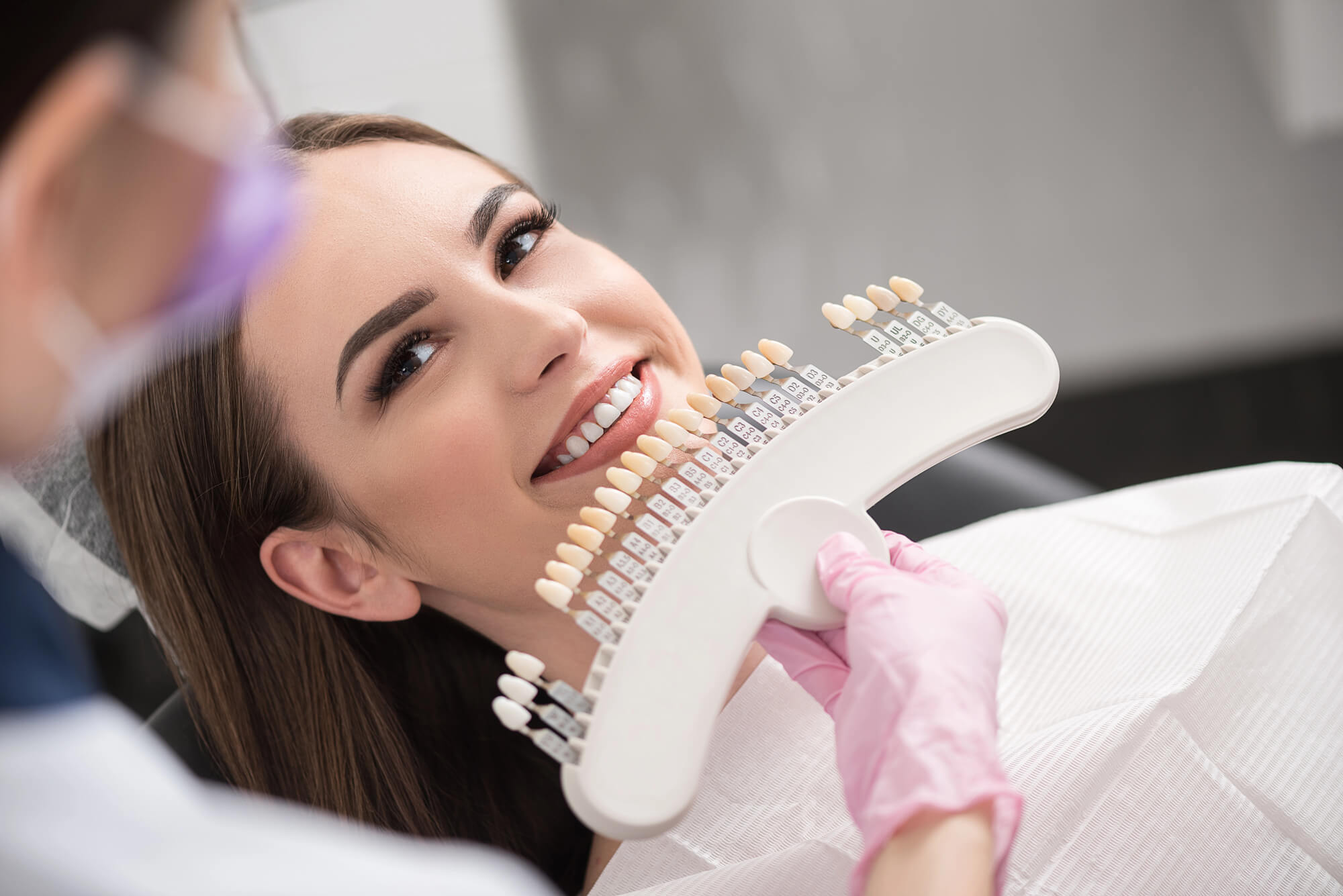
Tooth color varies naturally from person to person. Some individuals have thicker enamel that appears brighter, while others have thinner enamel that allows the darker dentin underneath to show through. Over time, enamel naturally wears down, making teeth appear more yellow or dull.
Discoloration can also result from:
- Coffee, tea, and red wine consumption
- Tobacco use
- Certain medications
- Aging and enamel thinning
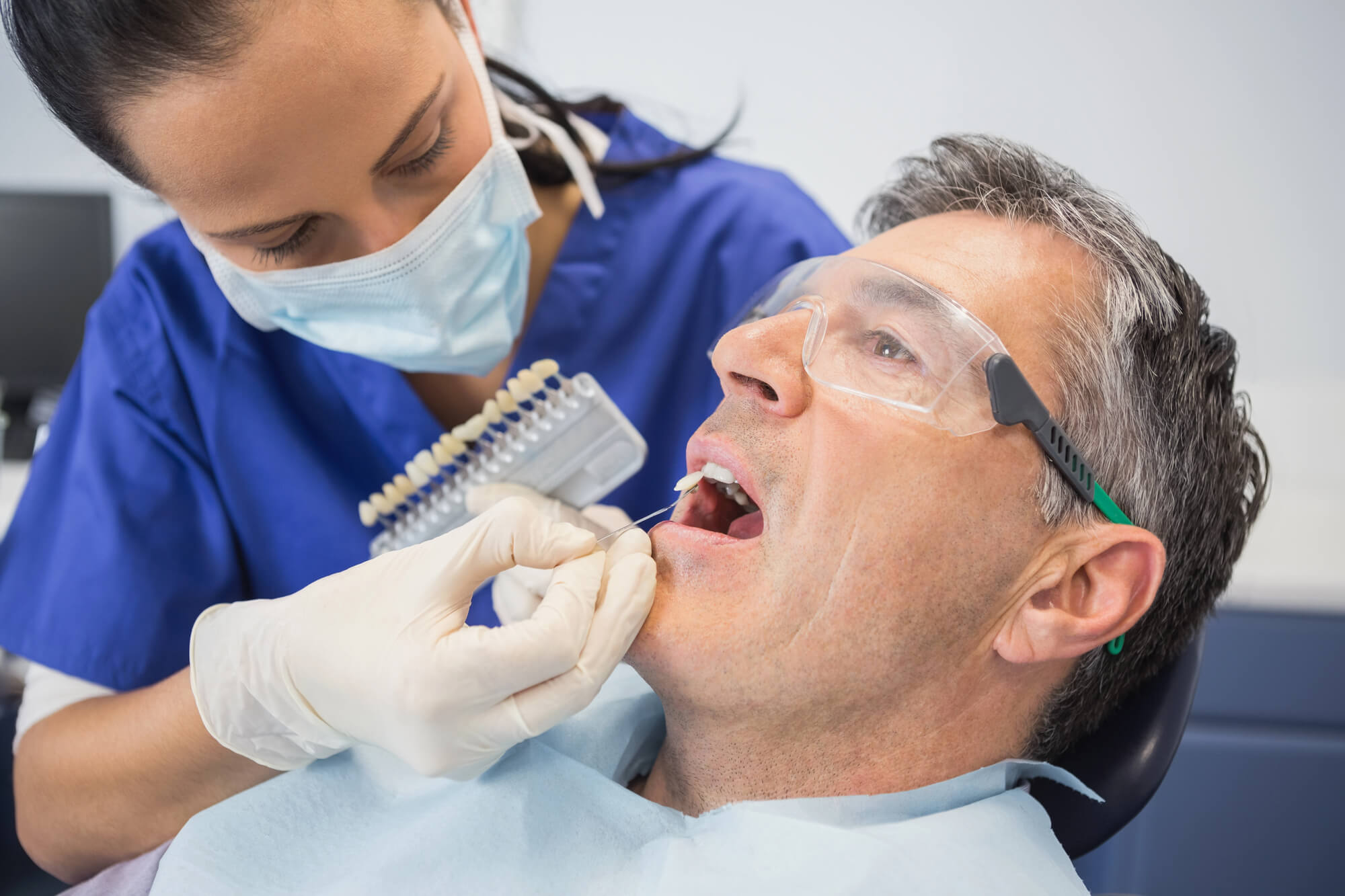
Teeth whitening may help improve color, but it’s important that a dental care team first evaluates enamel thickness and strength and gum tissue health to ensure whitening is safe and effective.
Worn, Short, or Uneven Teeth
Worn or uneven teeth are often associated with bruxism, or teeth grinding, which commonly occurs during sleep and is sometimes linked to sleep apnea. Over time, grinding flattens tooth surfaces, shortens teeth, and stresses the jaw alignment, which leads to jaw pain.
These changes can alter bite relations and affect the aesthetic appearance of a smile even when teeth are otherwise healthy. Dentists often look for wear patterns that suggest bite problems, jaw misalignment, or excessive pressure during chewing.
Alignment Changes and gaps
Teeth can shift over time, even in adulthood. Gum disease, bone loss, missing teeth, or untreated bite issues can all affect teeth alignment.
Crooked Teeth
Crooked or crowded teeth may also make oral hygiene more difficult, increasing plaque buildup and the risk of cavities.
Orthodontic care plays an important role in both appearance and long-term oral health.
According to the American Association of Orthodontists, proper alignment improves bite function, reduces uneven wear, and supports healthier gums. Modern orthodontics offers multiple options, including braces and clear aligners, allowing patients to address alignment concerns discreetly.
How Dentists Evaluate Smile Aesthetics
When dentists evaluate a smile, they look beyond surface-level appearance. Smile aesthetics are assessed through a combination of health, balance, and function. A smile that looks attractive but lacks structural support or stability may not hold up over time.
Dentists are trained to evaluate how teeth, gums, jaw alignment, and bite relations work together. This approach ensures that any cosmetic or restorative dental procedures support long-term oral health rather than creating future problems.
- Tooth Size and Proportions: Dentists evaluate whether teeth are proportionate to one another and to the patient’s facial features. Teeth that are too short, uneven, or worn can affect the aesthetic appearance of a smile, even when they are healthy.
- Tooth Shape: Dentists also assess cracks, chips, and uneven edges that may disrupt smile balance or signal underlying stress on the teeth.
- Gum Line and Smile Framing: The gums frame the teeth, making gum health a major factor in smile aesthetics. Dentists look for symmetry, color, and consistency along the gumline. Receding gums, swelling, or uneven contours can make teeth appear too long, uneven, or unhealthy.
- Early Signs of Periodontal Issues: Conditions like gingivitis and periodontitis not only affect gum and teeth health but can also significantly change how a smile appears. Treating gum disease early often improves both oral health and aesthetics before cosmetic treatments are even considered.
- Bite Relations: How the upper and lower teeth meet plays a critical role in both function and appearance. Dentists evaluate bite relations to ensure teeth contact evenly and distribute pressure properly when chewing.
- Jaw Alignment: Similarly, misaligned or bad bites or jaw alignment issues can contribute to uneven tooth wear, cracked teeth, tooth pain, and chronic jaw discomfort. In some cases, orthodontic care or collaboration with orthodontists is recommended to improve bite stability before cosmetic enhancements.
Orthodontic solutions such as braces or clear aligners are commonly used to correct teeth alignment and improve long-term function.
Can Oral Hygiene Habits Affect How “Normal” Your Teeth Look?
Daily habits have a powerful influence on both oral health and appearance. Even small inconsistencies in an oral health routine can gradually affect how teeth and gums look and feel.
Brushing and Flossing Techniques Matter
- Why: Brushing twice daily is essential, but technique matters just as much as frequency, as brushing too hard or using a stiff, bristled toothbrush wears down tooth enamel and irritates gums, leading to gum recession and sensitivity over time.
- Good habits: Dentists recommend gentle brushing with a soft-bristled toothbrush to effectively remove plaque without damaging enamel. Flossing helps clean areas between teeth where plaque and bacteria collect, reducing tartar build-up and supporting healthy gums.
Plaque Control and Bacterial Balance
- Why: The mouth naturally contains both beneficial bacteria and harmful bacteria. A consistent oral hygiene routine helps maintain this balance. When plaque buildup is not controlled, harmful bacteria multiply, increasing the risk of cavities, gum disease, and persistent bad breath.
- Good habits: Regular dental check-ups allow a dental care team to remove hardened tartar and monitor changes that brushing alone cannot address. These visits play a key role in maintaining fresh breath, preventing infection, and preserving healthy teeth.
Lifestyle Habits That Affect Teeth and Gums
Certain lifestyle habits also influence oral health and appearance.
- Tobacco use increases the risk of gum disease, tooth discoloration, oral cancer, and delayed healing.
- Frequent consumption of coffee and red wine can stain enamel and contribute to long-term discoloration.
- Systemic health conditions, including diabetes, can affect gum health and increase the risk of periodontal issues.
- Sleep-related conditions such as sleep apnea are also linked to teeth grinding, enamel wear, and jaw alignment concerns.
As you can see, maintaining good oral health plays a role in overall wellness and has connections to heart disease and digestive system health.
When It’s Time to See a Dentist, Even If Nothing Hurts
Many people assume that dental problems always cause pain, but that’s rarely the case in the early stages. Some of the most serious oral health conditions develop quietly, without noticeable symptoms, until they require more complex dental procedures.
For example, cavities, gum disease, periodontal issues, and even oral cancer often begin without discomfort. By the time tooth pain appears, infection or structural damage may already be advanced.
Warning signs that it’s time to visit a dental office include:
- Bleeding gums during brushing or flossing
- Persistent tooth sensitivity
- Changes in tooth color or enamel texture
- Recurrent bad breath despite good oral hygiene
- Pressure, soreness, or discomfort when chewing
Regular dental check-ups using digital technology allow dentists to identify problems early, when treatment is simpler, less invasive, and more cost-effective.
Simply put, seeing a dentist regularly preserves long-term oral health, supports overall wellness, and even keeps your wallet full.
How 4M Dental Implant Center Approaches Smile Evaluation
At 4M Dental Implant Center, smile evaluation goes far beyond surface appearance. Every patient is assessed by a dedicated dental care team that focuses on function, stability, and long-term health before recommending any treatment.
Each evaluation begins with a comprehensive review of:
- Teeth, gums, and enamel condition
- Plaque buildup, tartar formation, and signs of gum disease
- Bite relations and jaw alignment
- Teeth alignment and spacing
- Oral health history and current concerns
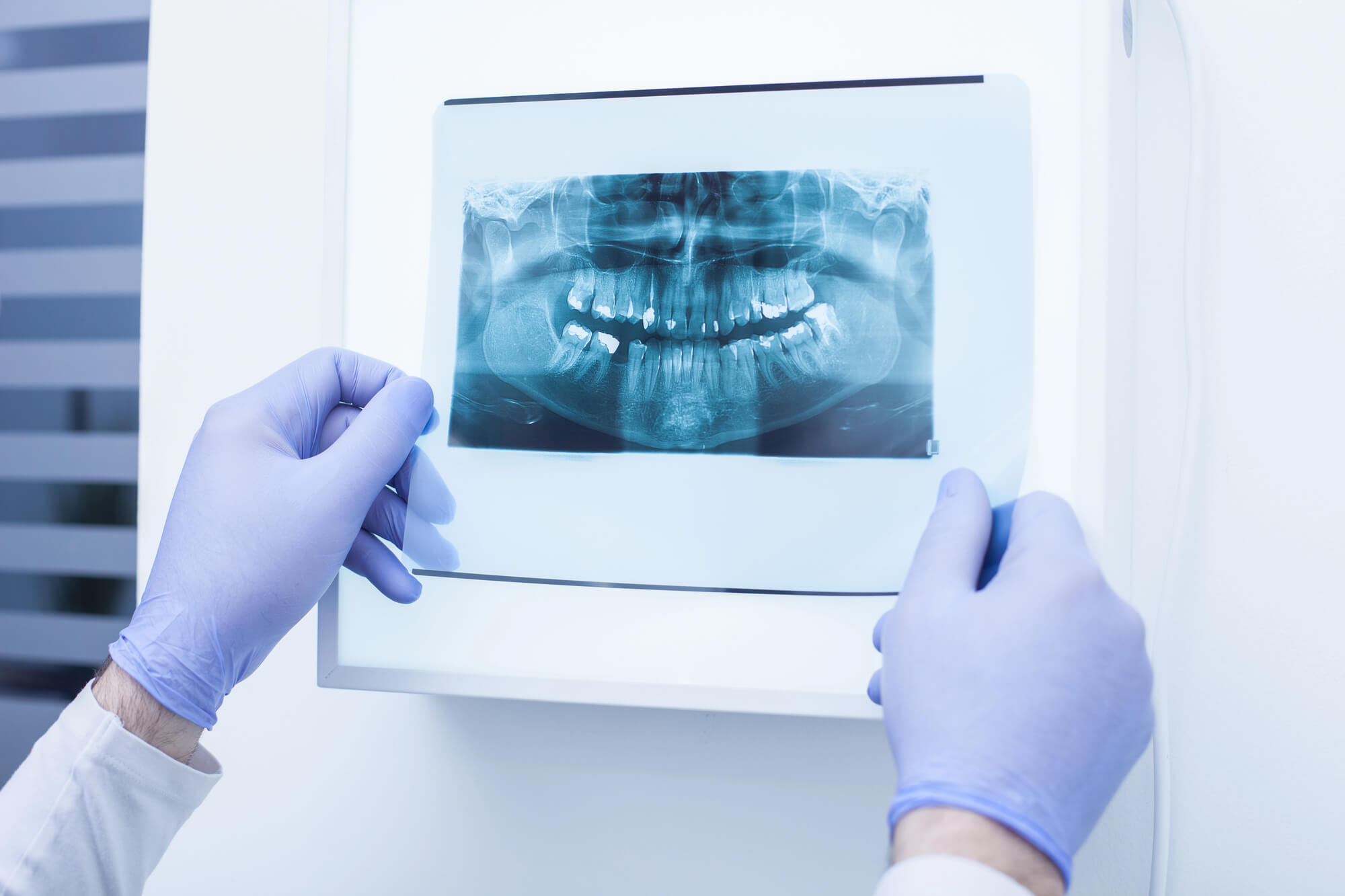
Using advanced digital technology, the dental team examines tooth roots, bone structure, and areas beneath the gums to identify hidden issues such as infection, bone loss, or structural weaknesses. This detailed approach allows dentists to recommend dental care solutions that address both health and aesthetic appearance.
At every stage, the focus remains on education and clarity. Patients are encouraged to understand their oral health, ask questions, and make informed decisions about dental procedures that fit their goals and lifestyle.
This patient-centered philosophy reflects an approach that supports not just a better smile, but better long-term health.
So… Are Your Teeth Normal?
Answering the question of “are my teeth normal?” is complicated because “normal” doesn’t always mean what people expect.
Key facts to remember:
- Teeth are considered normal when they are healthy, functional, and supported by stable gums and bone, even if they aren’t perfectly straight or bright white.
- Many common concerns, such as minor discoloration, small gaps, uneven edges, or slight crowding, fall well within the range of normal variation.
- These characteristics don’t automatically indicate poor oral health or poor dental care. Often, they reflect genetics, natural aging, past dental experiences, or everyday wear on tooth enamel.
- What matters most is whether your teeth and gums are free from active disease, infection, or structural instability. Issues like cavities, gum disease, periodontal problems, cracked teeth, or dental abscesses can exist even when teeth appear visually normal. That’s why professional evaluation is so important.
If you’ve been questioning your smile, it doesn’t mean something is wrong; only that you’re paying attention to your oral health. Getting clear answers from a dental professional can bring peace of mind and help you understand what’s normal for your mouth, your bite, and your long-term health.
Schedule a 4M Smile Evaluation and Get Real Answers
If you’re unsure whether your teeth are normal, the most reliable way to find out is through a professional dental evaluation. A visit to a dental office allows a dental care team to assess your teeth, gums, bite relations, and overall oral health using modern diagnostic tools and clinical expertise.
At 4M Dental Implant Center, our free smile evaluations are designed to be informative, not judgmental. The goal is to give you a clear understanding of your oral health, explain what’s normal, and identify any concerns early, before they become more serious or require extensive dental procedures.
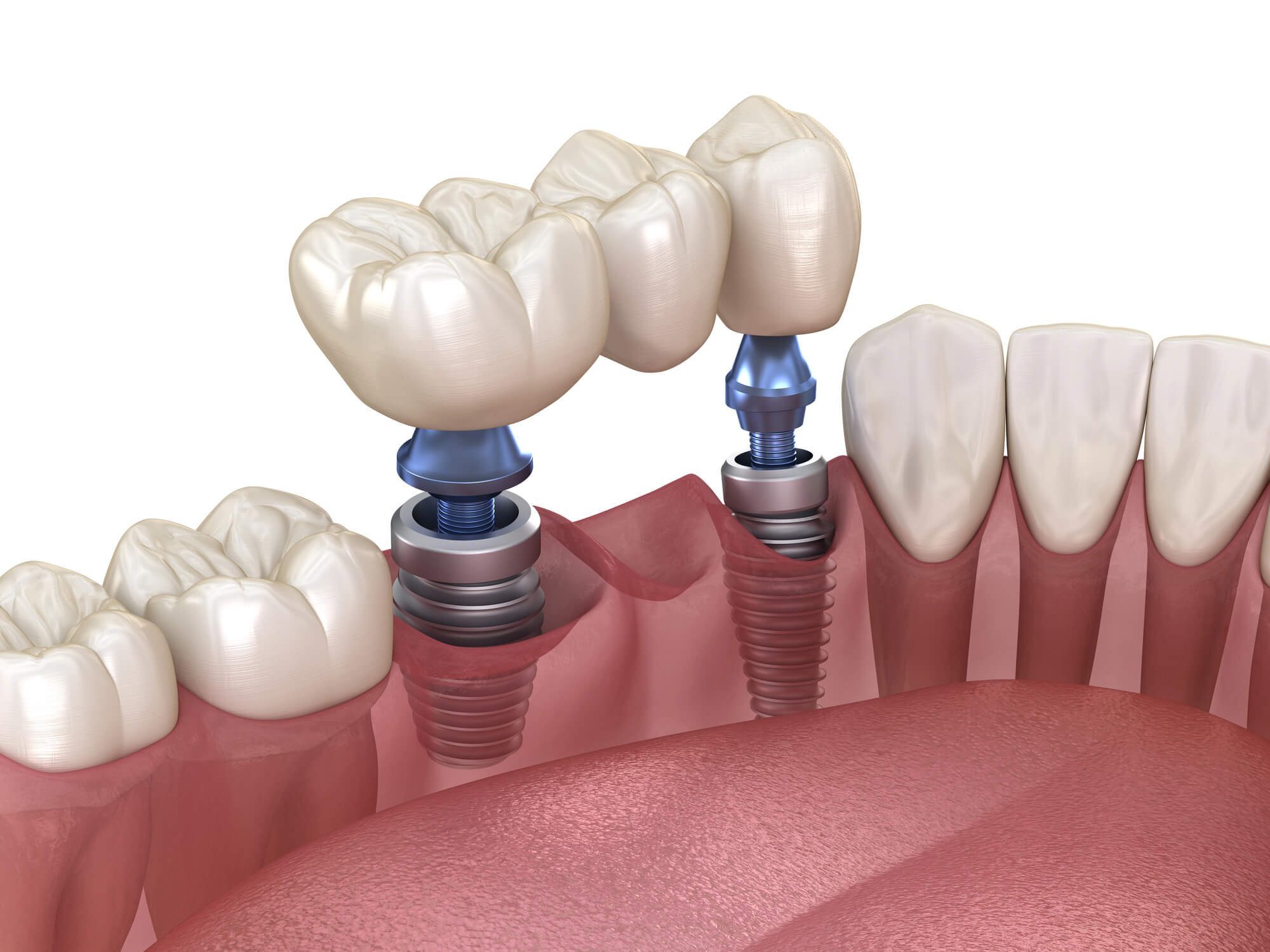
Whether your questions involve teeth alignment, gum health, enamel wear, missing teeth, orthodontic care, or long-term solutions like dental implants, having accurate information empowers you to make confident decisions. Even if no treatment is needed, regular dental check-ups help protect healthy teeth and support lifelong oral wellness.
If you’ve been asking yourself, “Are my teeth normal?” the answer starts with a conversation.
Scheduling a free consultation with 4M Dental Implant Center is a simple step toward clarity, confidence, and better oral health — today and in the years ahead.