Being told you might need “a veneer or a crown” can feel vague and a bit worrying, especially if it’s a front tooth that shows when you smile. You want to do the right thing for your tooth, but you don’t want to overdo it or choose something you’ll regret later.
In most everyday dentistry, neither option is automatically better. Dental veneers usually suit teeth that are basically healthy but don’t look the way you want, while dental crowns are normally used when a tooth is already weakened and needs full protection.
This guide is general information only and isn’t a substitute for a personal exam with a dentist, but it can help you walk into your appointment with clearer questions, calmer expectations, and a simple way to think through your dental restoration options.
The Basic Difference Between A Veneer And A Crown
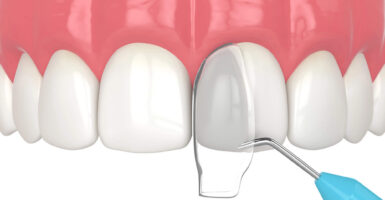
A veneer usually covers just the front tooth surface to improve how it looks, while a crown wraps the whole tooth above the gumline to rebuild and protect it.
In simple terms, veneers are mostly about appearance on a strong tooth, and crowns are mostly about strength and repair on a weakened tooth. Both are custom‑made and bonded to your natural tooth, but they do very different jobs.
Dental Veneer
- A thin shell (often porcelain) is bonded to the front of the tooth.
- Mainly changes color, shape, or small chips/gaps
- Most of the natural tooth, especially the back and inside, stays as it is
Dental Crown
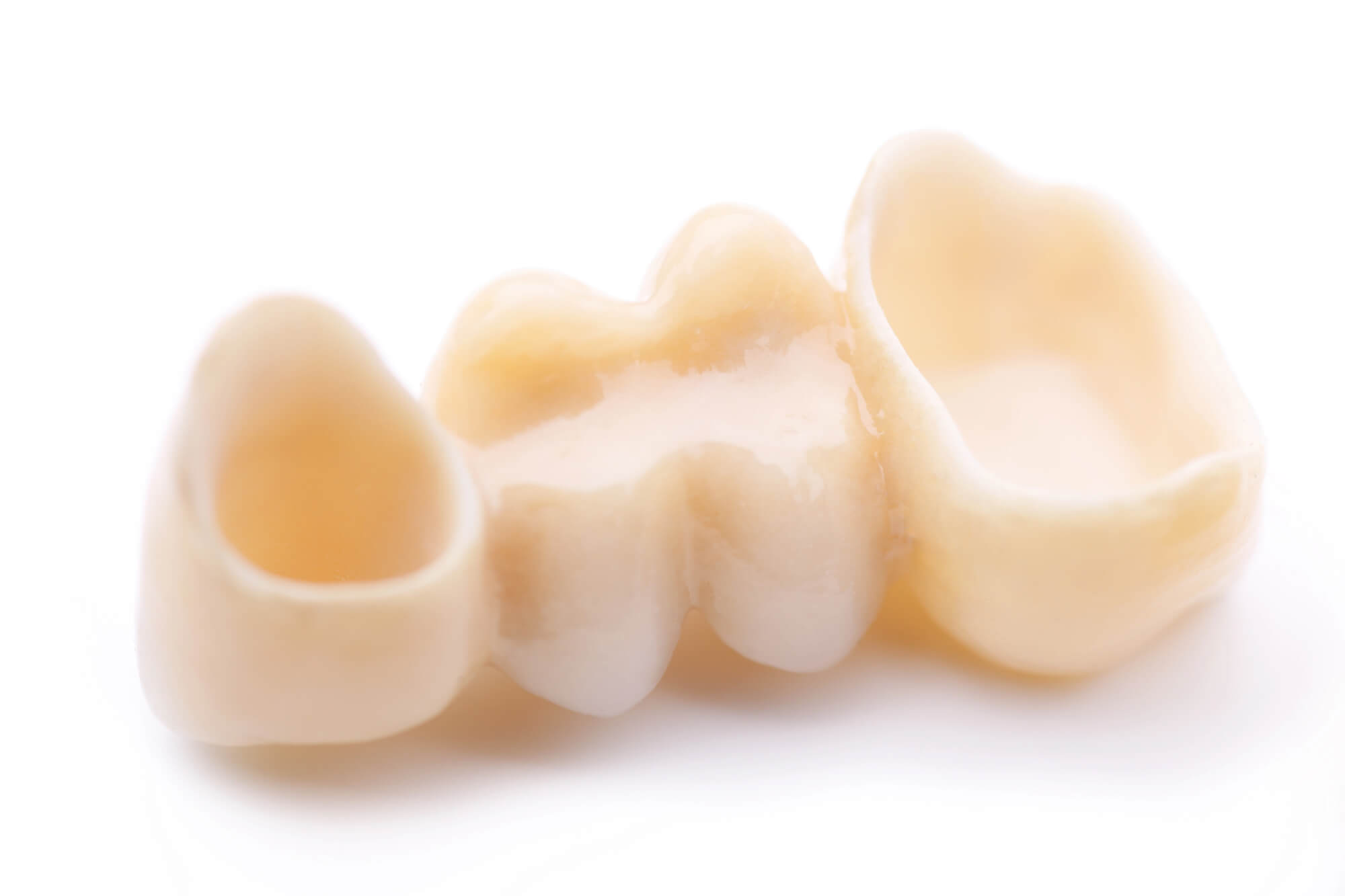
- A “cap” that covers the whole tooth above the gum line
- Used to strengthen and rebuild teeth that are cracked, heavily filled, decayed, or as part of a root canal treatment
- The tooth is reshaped all the way around so the crown can wrap and protect it
So, veneers are usually a cosmetic upgrade on a mostly healthy tooth; crowns are a protective rebuild for a tooth that’s already compromised. That’s how many dentists are taught to think about the difference. Veneers are more common on front “smile” teeth, while crowns are used for full coverage, both front and back teeth, especially where the bite is strongest.
Here’s a quick side-by-side comparison to make the difference clearer at a glance:
| Aspect | Dental Veneer | Dental Crown |
| Main purpose | Improve appearance | Strengthen and rebuild |
| Tooth condition | Mostly healthy | Weakened or damaged |
| Tooth reduction | Minimal enamel removal (front surface) | More extensive (all sides) |
| Coverage | Front of the tooth surface | Entire tooth |
| Typical use | Cosmetic changes | Structural repair |
Schedule Your Free Consultation
How Much Tooth Is Removed for Veneers vs Crowns?
Crowns typically require more tooth reduction than veneers, because they need enough space to wrap all the way around the tooth and still look and feel natural. Veneers usually need less drilling, but they still involve permanently altering the tooth. Even when the drill work is gentle, it’s a one‑way step, so it’s worth understanding what’s involved before you decide.
With Veneers
- A thin layer is taken off the front, and sometimes the biting edge
- With “minimal prep” veneers, it may only be a fraction of a millimeter if the tooth is already in a good position
- In selected cases, “no‑prep” veneers may be possible, but only when the tooth shape and bite already give enough space
With Crowns
- The tooth is reduced from all sides and the biting edge to create space for the cap.
- This is more reduction than for a veneer.
- The extra space allows the crown to surround, support, and protect the tooth.
Both options are irreversible because a layer of protective enamel is drilled away. Once a tooth is prepared for a veneer or a crown, it will always need some type of restoration in the future, which is why dentists are trained to preserve as much healthy tooth as they safely can.
Do Veneers or Crowns Look More Natural?
On front teeth, both veneers and modern dental crowns can look very natural when they’re planned and made well, although the material used is the key factor.
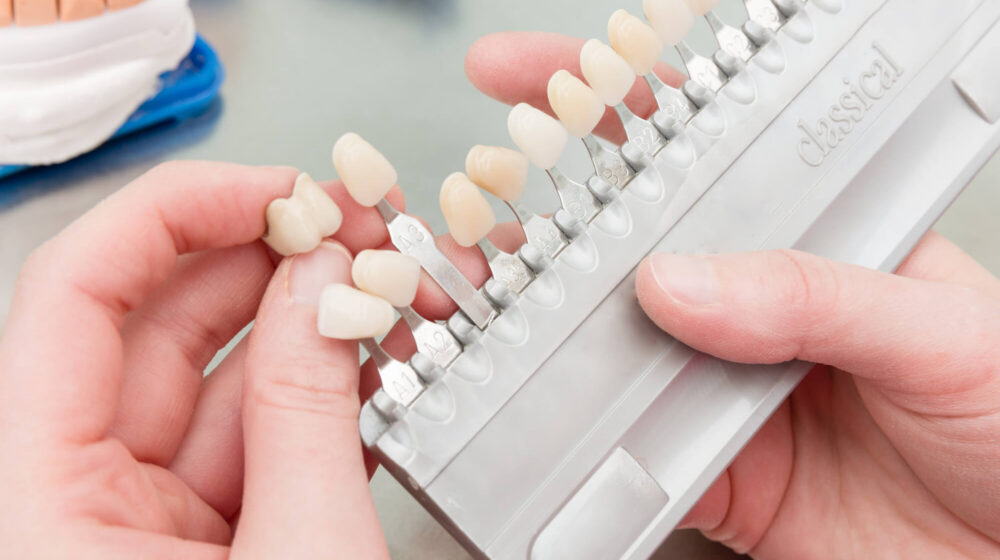
A careful color match, attention to translucency, and a good dental lab also make more difference than the name of the treatment. With the right planning, most people around you will simply see “your smile,” not “your dental work.”
Veneers, especially porcelain veneers, tend to shine when:
- You still have plenty of healthy, light‑colored enamel
- The veneer can work together with your own tooth’s translucency
- Your bite is gentle enough that those teeth aren’t under heavy stress
Dental crowns on front teeth are often chosen when:
- You need to hide a very dark tooth from worn tooth enamel (old root canal, trauma, deep staining), where a thin veneer may not fully mask the color
- The tooth decay is severe, leaving it badly broken or heavily filled, and a veneer wouldn’t have a solid base, not even a temporary veneer.
- There are both cosmetic and strength problems to solve at the same time
In everyday restorative dentistry, the skill of the dentist and the dental lab matter more than the label “veneer” or “crown.” Many dentists will show photos or digital designs so you can see how closely they can match your other teeth and what sort of result you can realistically expect.
How to Choose Between Veneers and Crowns
At a simple level, veneers tend to suit strong teeth with cosmetic issues, and crowns tend to suit weak teeth that need reinforcement. Your comfort with drilling, budget, and how long you want the result to last also play a part. This isn’t a diagnosis, but it can give you a starting framework for your discussion with a dentist.
When Are Veneers the Better Choice?
Veneers change the front surface while leaving most of the underlying tooth in place. If you think “the tooth is healthy, I just hate how it looks in photos,” this is often the category you’re in.
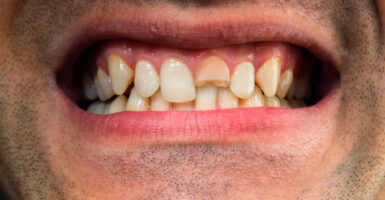
A dental veneer is more likely to be discussed when the tooth is structurally sound, but the main issue is cosmetic and how your smile looks:
- There is plenty of healthy tooth enamel for tooth preparation and bonding the veneer to it
- You want to keep as many natural teeth as possible
Put simply, if the tooth is healthy but you’re unhappy with the way it looks, a veneer is often the more conservative option that your dentist will talk through with you. If you’re not sure how strong your tooth really is, that’s exactly what a good exam and digital scans are there to clarify.
When Is a Crown the Better Option?
A dental crown is usually recommended when the tooth is already weakened and needs more than a surface upgrade. In these cases, the priority shifts from “make it prettier” to “keep it from breaking.” A crown acts more like a protective helmet: it doesn’t just change the smile; it helps hold the tooth together.
Common situations include:
- Large fillings or a lot of past work on the same tooth
- Extensive decay that has removed a big portion of the natural tooth
- A crack that goes deeper than just the enamel, especially if you feel pain when biting
- A tooth that has had a root canal, which often makes it more brittle and sometimes darker inside
- A tooth that takes heavy biting forces, especially if you grind or clench, or have a deep bite that hits those teeth hard, that not even a nightguard can protect anymore.
For many dentists, root‑canal‑treated front teeth and heavily restored teeth are strong candidates for crowns, because a thin veneer would not reinforce them.
In practice, if the tooth is already compromised, a crown is often the safer, longer‑term choice that your dentist will consider, although they may still adjust this based on what they see in your mouth and what you want to achieve.
When you look at these factors together, the decision usually becomes much clearer. It’s less about choosing between veneers or crowns, and more about choosing what will protect your tooth and hold up well over time.
At 4M, that decision is never rushed; we take the time to look at the full picture, so the plan you leave with actually fits your tooth, your bite, and your long-term goals.
Veneers vs Crowns: Cost and How Long They Last
Costs and coverage vary by dental clinic, material used, and dental insurance, but some patterns are consistent.
Lifespan also depends heavily on oral hygiene, bite force, habits (such as grinding), and regular dental checkups. Two people with the same treatment can experience very different outcomes based on how they care for their teeth.
To make this easier to compare, here’s a side-by-side breakdown of veneers vs crowns in terms of cost, insurance, and longevity.
Veneers vs Crowns Cost, Insurance, and Lifespan Comparison Table
| Factor | Dental Veneers | Full Coverage Crowns |
| Typical Cost Range | Higher for cosmetic cases; varies by material and clinic | Similar or higher, depending on damage and materials used |
| Insurance Coverage | Usually not covered (cosmetic dentistry procedure) | Often partially covered if medically necessary (tooth decay, fracture, root canal) |
| Average Lifespan | 10–15+ years with proper care | 10–15+ years, often longer for heavily used teeth |
| Durability | Can chip or loosen with grinding or hard biting | Stronger overall; better for weakened or damaged teeth |
| Best Use Case | Cosmetic improvements (shape, color, minor alignment) | Structural repair and protection |
| Maintenance Impact | Requires careful habits and protection (e.g., night guards) | More forgiving, but still requires good oral hygiene |
In general, crowns are more likely to be covered by insurance and can withstand greater biting forces, while veneers are primarily chosen for cosmetic improvements.
In most practices, three factors mainly drive price:
- How much of the tooth must be rebuilt (minor cosmetic change vs full restoration)
- Which material is used (porcelain veneers, composite veneers, zirconia crown, metal crowns, or other high-strength ceramics)
- How complex the case is (simple enhancement vs repairing significant damage)
A helpful way to think about it is “cost per year of use,” not just the upfront fee. Choosing a full coverage restoration that better protects a fragile tooth may reduce the need for replacements later.
Choosing based only on upfront cost can sometimes lead to more repairs, especially if the tooth needs protection, not just cosmetic improvement.
If you feel unsure, ask your dentist to walk you through a couple of options side by side, including what each might look like over the next 5–10 years in terms of durability, maintenance, and total cost.
What Can Go Wrong With Veneers Or Crowns And How To Avoid It
Both veneers and crowns are reliable, long-term dental restoration procedures when they are carefully planned — but like any dental treatment, the outcome depends less on the label and more on how well the restoration is matched to your existing tooth, your bite, and your habits. Understanding the distinction between these two approaches, including what each dental restoration procedure involves for the prepared tooth, how much of the original tooth intact structure each option preserves, and what the veneer pros and long-term trade-offs look like for your specific situation, is essential to making a confident, informed decision about your dental health.
Considerations for Veneers
With veneers, issues like chipping, loosening, or wearing down tend to happen when the existing tooth is under more pressure than expected. Veneers require about 0.5 millimeters of enamel removal — approximately half a millimeter of reduction from the front surface of the prepared tooth — which means the procedure affects only the front surface of the existing tooth rather than the full circumference that a permanent crown would require. Because veneers are an irreversible procedure affecting the enamel, ensuring there is enough enamel remaining on the existing tooth to support the permanent veneer properly is one of the most important assessments any experienced dentist makes before recommending this cosmetic enhancement over a more protective crown option.
Veneers preserve more natural tooth enamel compared to crowns and leave the original tooth intact on all surfaces except the front — a meaningful veneer pros consideration for patients with healthy underlying tooth structure who are seeking cosmetic enhancement for crooked or chipped teeth, discoloration, or slight misalignments rather than structural restoration for damaged or weakened teeth. However, veneers are primarily cosmetic restorations and are best for minor cosmetic issues — not for broken teeth, decayed teeth, or teeth with significant structural compromise that require the full coverage protection a permanent crown provides.
Problems tend to arise when the existing tooth is under more pressure than expected — particularly when teeth grinding is present and not managed, when the patient bites hard foods regularly, or when the veneer is placed on a tooth that does not have enough enamel remaining to bond the thin porcelain shell securely. Porcelain veneers may endure up to 20 years under ideal conditions while composite veneers usually require replacement after five to seven years — and the longevity of any permanent veneer depends significantly on bite alignment, the management of teeth grinding through a nightguard if needed, and a consistent routine of regular dental check ups and professional cleanings that keep the gum margin around the veneer healthy and free from the plaque buildup that accelerates gum pain and marginal deterioration over time. Veneers cost between $925 and $2,500 per tooth depending on the material and the complexity of the cosmetic enhancement being achieved.
Considerations for Crowns
Unlike veneers, which cover only the front surface of the prepared tooth, a dental crown covers the entire prepared tooth — crowns cover all surfaces including the sides and chewing surface, providing full structural protection for damaged or weakened teeth, broken teeth, decayed teeth, and teeth that have undergone root canal therapy and require reinforcement to prevent fracture. Crown placement requires significantly more reduction of the existing tooth than a veneer — crowns require about 1.5 to 2 millimeters of tooth reduction on all surfaces compared to the approximately half a millimeter of enamel removal that veneers require — which means more of the original tooth is removed during preparation and the procedure is more irreversible in that respect than a veneer.
With crowns, the focus shifts to the tooth underneath. While a permanent crown is designed to protect and reinforce the prepared tooth, problems can still develop if the underlying existing tooth was already heavily compromised or if dental health maintenance is poor and plaque builds up around the gum margin and edges of the crown over time — a condition that can lead to a thin dark line at the gum margin with older porcelain fused to metal alloy crowns and that can create decay or further structural issues if not identified and addressed through regular dental check ups and professional cleanings. Porcelain and ceramic crowns, including zirconia options, avoid the thin dark line issue associated with older porcelain fused to metal alloy designs and are generally preferred for anterior teeth where natural appearance is a priority, though porcelain crowns are generally more expensive than all-metal crowns and the right crown material selection depends on the location of the tooth, the bite forces it must withstand, and your aesthetic goals.
Both veneers and crowns typically require two dental appointments — the first for tooth preparation, impressions, and placement of a temporary crown or temporary restoration to protect the prepared tooth while the permanent restoration is fabricated, and the second for permanent placement and bite alignment adjustments. The temporary crown phase is an important part of crown placement that allows both the patient and the experienced dentist to assess fit, comfort, and aesthetics before the permanent crown is cemented. Crowns typically last 15 to 25 years with proper care and range from $1,000 to $3,500 per tooth depending on the crown material selected.
In some cases, plaque buildup at the gum margin can lead to gum pain, decay, or further structural issues if not maintained well through regular dental check ups, professional cleanings, and consistent at-home dental health habits.
Why Good Planning Prevents Most Problems
In practice, most complications with dental restoration procedures come down to whether the right solution was chosen for the existing tooth and how well it was planned before any preparation of the prepared tooth began. That is why a thorough evaluation usually looks at more than just the visible problem of crooked or chipped teeth, broken teeth, or decayed teeth. It includes:
- How much healthy tooth structure is actually left in the existing tooth and whether there is enough enamel to support a veneer or whether the level of damage to the prepared tooth requires the full coverage protection of a permanent crown
- How your bite alignment distributes pressure across your teeth — a critical factor in determining whether the crown material or veneer material selected will hold up under the specific forces your bite generates
- Whether habits like teeth grinding or clenching need to be managed with a nightguard before and after any dental restoration procedure — since teeth grinding is one of the most common causes of premature failure in both veneers and crowns regardless of how well the prepared tooth was matched to the restoration
- Which crown material or veneer material will hold up best for your specific situation — including whether porcelain and ceramic crowns, porcelain fused to metal alloy options, or full metal alloy restorations are most appropriate given the tooth’s location, your bite forces, and your natural appearance priorities
When those factors are taken into account from the start, both veneers and crowns can perform very predictably over many years. At 4M, the focus is on getting those decisions right before anything is done, so the dental restoration procedure chosen fits not just how the existing tooth looks today but how it needs to function long term.
Why Your Dentist’s Exam Matters More Than the Material
Because veneers and crowns are permanent changes to the existing tooth — veneers are an irreversible procedure affecting the enamel and crown placement permanently alters the prepared tooth — the safest choice really does depend on a proper tooth-by-tooth exam rather than a general rule from a dental veneers FAQ or online comparison. Two experienced dentists might reasonably suggest slightly different dental restoration procedures for the same existing tooth based on their findings and experience, and that is acceptable as long as each can explain their reasoning clearly in language you understand.
A good exam usually includes:
- Digital scans, X-rays, and sometimes photos to see how much of the natural tooth structure is left in the existing tooth and whether the level of damage from broken teeth, decayed teeth, or prior dental work makes a permanent crown a more appropriate choice than a veneer
- Checking for cracks, old fillings, and any history of root canal therapy that would affect whether the tooth exposed during preparation has sufficient structural integrity to support either restoration type
- Looking carefully at your bite alignment and whether teeth grinding or clenching is present — since unmanaged grinding can shorten the lifespan of both a permanent veneer and a permanent crown significantly regardless of the crown material or porcelain and ceramic crowns quality used
- Talking about your aesthetic goals including the natural appearance you want to achieve, whether cosmetic enhancement of only the front surface is sufficient or whether full coverage is needed, your budget given that veneers cost between $925 and $2,500 per tooth while crowns range from $1,000 to $3,500 per tooth, and how long you want the result to last given that porcelain veneers may endure up to 20 years under ideal conditions while crowns typically last 15 to 25 years with proper care
Helpful questions to ask your dentist include:
- “If this were your tooth, would you choose a porcelain veneer, a porcelain and ceramic crown, a metal alloy crown, or something else — and why does the condition of this existing tooth influence that recommendation?”
- “How much of the prepared tooth needs to be removed for each option — specifically, are we looking at the approximately half a millimeter of enamel removal that veneers require or the 1.5 to 2 millimeters of reduction that crowns require?”
- “What are the chances I will need more major dental restoration procedures on this tooth in the next 5 to 10 years, and does the current condition of the existing tooth suggest crown placement is a more protective long-term choice than a veneer?”
- “Is there a more conservative cosmetic enhancement option we could try first that would still be safe for this existing tooth and preserve enough enamel to keep future dental restoration procedure options open?”
In more complex situations — such as significant teeth grinding, multiple failed dental restoration procedures, very dark or heavily treated teeth where a thin dark line at the gum margin is a concern with older porcelain fused to metal alloy options, or cases where gum pain or gum margin recession is already present — your general dentist may also suggest involving a specialist such as a prosthodontist or endodontist as part of a careful team-based plan. The goal is not just a cosmetic enhancement for a nice photo on day one but a dental restoration procedure result that fits your bite alignment, your dental health, and your lifestyle over time and that holds up through regular dental check ups, professional cleanings, and the daily demands of your bite and habits.
The Right Answer Isn’t Veneers or Crowns — It’s What Your Tooth Actually Needs
If you are weighing up veneers versus crowns for crooked or chipped teeth, broken teeth, decayed teeth, or any other dental health concern, you do not have to settle for guesswork or sales talk. The right dental restoration procedure depends on what your existing tooth looks like on imaging, how much healthy structure is left in the prepared tooth, how your bite alignment works, whether teeth grinding is a factor that needs to be managed, and what matters most to you in terms of natural appearance, cosmetic enhancement, structural protection for damaged or weakened teeth, and long-term dental health maintenance through regular dental check ups and professional cleanings.
Most people feel a lot more at ease once they can actually see their options clearly — including the veneer pros of preserving the original tooth intact on all surfaces except the front, the cosmetic enhancement benefits of porcelain and ceramic crowns for broken teeth or decayed teeth requiring full coverage, and the honest trade-offs between unlike veneers and crowns in terms of preparation, reversibility, crown material options, and long-term cost. A calm, face-to-face conversation with experienced dentists who take the time to walk you through your dental restoration procedures options is worth far more than any dental veneers FAQ or one-size-fits-all rule. If you are ready for a straight, honest answer about your existing tooth — not a sales pitch — you can book a free consultation at 4M Dental Implant Center.
At 4M, the goal is not to sell you a cosmetic dental treatment but to help you make the right long-term decision for your existing tooth and dental health. You will meet with experienced dentists who take the time to understand what is actually going on with the prepared tooth, walk you through your dental restoration procedure options side by side including porcelain veneers, porcelain and ceramic crowns, and other restorative solutions, and explain the trade-offs in plain language — including how much of the existing tooth needs to be removed, what crown material or veneer material is most appropriate, whether a temporary crown will be needed during fabrication, and how your commitment to regular dental check ups and professional cleanings will affect the long-term success of whichever restoration is chosen.
Whether you decide on 4M’s state-of-the-art porcelain veneers for cosmetic enhancement of only the front surface of chipped teeth or crooked or chipped teeth, dental implants that include our zirconia dental bridges, or an entirely different restorative solution for broken teeth or decayed teeth requiring full coverage protection — you will leave any of our dental offices with a clear plan and the confidence to move forward at your own pace, knowing you are making the right decision for your comfort, your dental health, and the long term.
If you have been putting this off or feeling unsure about which dental restoration procedures are right for your existing tooth, contacting 4M Dental Implant Center is a simple first step to get clarity.
Schedule Your Free Consultation