When patients explore dental implant treatment, one of the most important, and often confusing, topics is implant loading. Implant loading refers to when a crown, bridge, or prosthetic is attached to the dental implant after implant placement.
Today, there are two primary approaches to dental implant loading:
- Traditional implants, also known as conventional loading
- Immediate load implants, sometimes referred to as immediate loading or Teeth in a Day
Both approaches are clinically proven, widely used, and supported by strong success rates. The difference is not whether dental implants work, but which method is best for a specific patient’s jawbone structure, oral health, and long-term clinical outcomes.
At 4M Dental Implant Center, both solutions can be achieved through advanced treatment options such as 4M Smile in 24 and the more permanent 4M ForeverSmile. Choosing between these options depends on careful planning, digital technologies, and patient-specific factors, not speed alone.
Understanding how these loading methods work helps patients make confident decisions about their smile, oral health, and tooth replacement goals.
What Does “Implant Loading” Mean in Dental Implant Treatment?
Grasping the basics of implant loading first requires understanding the dental implant process at its most fundamental level.
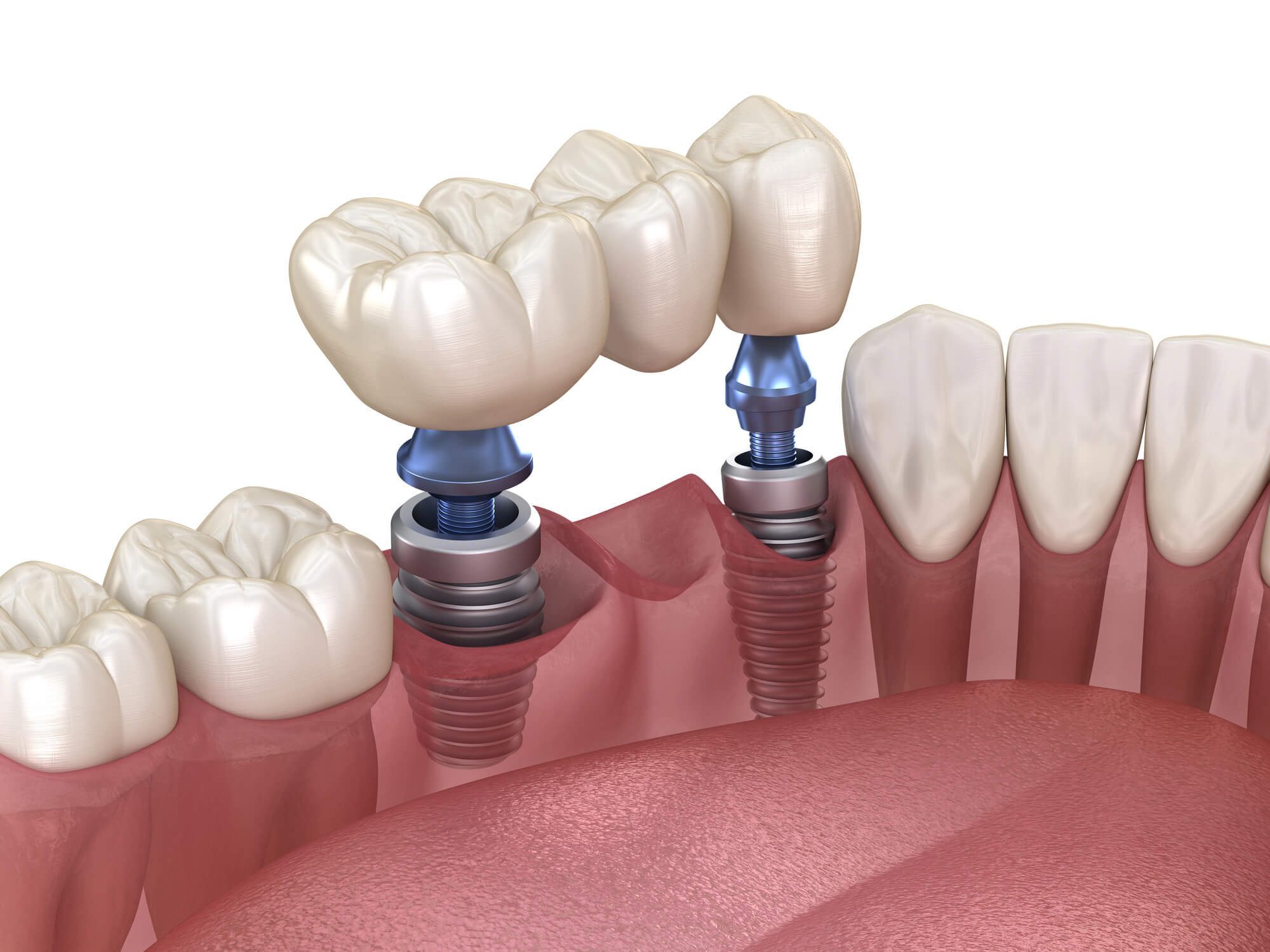
A dental implant consists of two main parts:
- The implant, which at 4M is a titanium post placed into the jawbone
- The restoration, such as a crown, bridge, or denture, that is attached to the implant
Implant loading refers to the timing of when the restoration is placed.
- With conventional loading, the implant is allowed to heal for several months before the final restoration is attached.
- With immediate loading, a temporary or provisional restoration is attached shortly after immediate dental implant placement, sometimes on the same day.
Both approaches rely on a successful implant fusion process called osseointegration, where the titanium surface bonds with surrounding bone tissue. The difference lies in how much healing occurs before the implant is placed into function.
Why Timing Matters for Implant Success
Decisions of which implant loading protocols to use are influenced by several biological and mechanical factors, including:
- Bone density and jawbone structure
- The condition of the alveolar ridges (parts of the mouth with gum and where teeth are placed)
- Implant location, such as the posterior mandible
- Presence of periodontal disease or infection
- Primary stability at the time of implant placement
Immediate implant-supported provisional restoration requires excellent primary stability; the implant must be stable enough at placement to support a temporary tooth without disrupting osseointegration. This is why advanced diagnostics are critical with immediate or early loading.
The dental professionals at 4M incorporate advanced digital technologies into their treatment planning, allowing them to evaluate jawbone anatomy, detect periapical radiolucencies or periapical infections, and plan procedures such as socket grafting, guided bone regeneration, or bone grafting when needed.
Proper planning helps reduce risks such as peri-implantitis, implant failure, or infection, while improving long-term clinical outcomes and patient satisfaction.
Why There Is No One-Size-Fits-All Answer
Studies consistently show strong success rates for both conventional loading implants and immediate load dental implants—when used in the right clinical scenarios. The key difference is patient selection, not the implant itself.
Factors such as smoking, bone tissue quality, oral hygiene habits, post-operative care, and chewing forces all influence which loading protocol is most appropriate. That’s why experienced implant dentists focus on personalization rather than blanket recommendations.
At 4M Dental Implant Center, patient interaction, education, and customer service are central to this process. Every treatment plan, whether conventional loading or immediate implantation, is designed to prioritize long-term implant stability, oral health, and predictable results.
Schedule Your Free Consultation
What Are Traditional Load Implants?
Traditional or conventional loading implants represent the most established and time-tested approach to dental implant treatment.
How Traditional Dental Implants Work
With traditional implants, the dental implant is placed into the jawbone during a surgical procedure, but the final crown or prosthetic is not attached right away. Instead, the implant is left undisturbed beneath the gums for a healing period that allows the implant fusion process to occur.
Key steps typically include:
- Implant installation into the jawbone using precise surgical techniques
- A healing process that lasts several months to allow for osseointegration, where the titanium surface bonds with the surrounding bone
- Protection of the implant site to prevent infection or excessive chewing forces
- Final placement of a crown, bridge, or prosthetic once stability is confirmed
This staged approach allows the implant to become firmly anchored before being placed into function, which is why conventional loading is often recommended in more complex clinical situations.
Why Conventional Loading Supports Long-Term Stability
- Reduces stress on the implant during the early healing process.
- Conventional loading lowers the risk of implant micromovement during osseointegration.
- Strong long-term clinical outcomes supported by decades of data and meta-analysis research
- Lowers the risk of implant failure for patients with a history of periodontal disease, infection, or periapical infection
- Improves predictability in areas like the posterior mandible, where chewing forces are higher
Because the implant is not immediately placed under load, the risk of complications such as implant failure, peri-implantitis, or disruption of bone healing is minimized, particularly for patients with compromised jawbone structure or medical risk factors.
When Traditional Implants Are Often Recommended
- Bone density or bone volume is insufficient for immediate load dental implants.
- Bone grafting or regenerative procedures are required to improve soft bone or marginal bone loss.
- There is an active or recent infection that must resolve before loading
- A patient has heavy chewing forces or grinding habits that result in constant bone resorption
- Smoking or systemic health factors may slow healing
- Long-term implant stability is prioritized over speed
Advanced diagnostics, such as CBCT scans, CT scans, and 3D X-rays, play a significant role in evaluating bone quality, identifying periapical radiolucencies, and assessing anatomical structures before selecting a loading protocol.
Traditional implants remain an option for patients who are comfortable with a staged treatment timeline in tooth restoration.
What Are Immediate Load Implants?
Immediate load dental implants, also known as immediate loading, immediate implantation, or Teeth in a Day, are an advanced dental implant approach that allows patients to receive teeth shortly after implant placement rather than waiting months for healing before restoration.
This approach does not skip the biological healing process. Instead, it carefully manages how and when the implant is placed into function.
Immediate Load Implants Explained Simply
With immediate load dental implants, the titanium implant is placed into the jawbone, and a temporary, implant-supported provisional restoration is attached shortly afterward, often the same day.
Key characteristics include:
- Immediate dental implant placement into the jawbone
- Strong primary stability at the time of surgery
- Placement of an immediate implant-supported provisional restoration
- Controlled chewing during the early healing period
- Final prosthetic crowns were placed later, after full osseointegration
At 4M Dental Implant Center, immediate load implants are delivered through structured systems such as 4M Smile in 24 and 4M ForeverSmile, both of which provide teeth in one day, followed by a permanent restoration after healing.
Immediate Loading vs Immediate Implant Placement
It’s important to distinguish between two commonly confused terms:
- Immediate implant placement refers to the procedure of placing an implant directly into a fresh extraction socket.
- Immediate loading refers to attaching a restoration to the implant shortly after placement.
A patient may receive immediately placed implants without immediate loading, or immediate loading without a same-day extraction. The decision depends on bone tissue quality, jawbone structure, and overall oral health.
Advanced diagnostics and implant technology help identify risks such as periapical infection, periodontal disease, or areas prone to peri-implantitis.
Advantages of Immediate Load Implants
Immediate load dental implants can be a strong option for the right patient because they shorten the time between implant placement and smile restoration, without skipping the implant fusion process.
Key advantages include:
- Teeth in a Day convenience: Patients can leave with an immediate implant-supported temporary crown shortly after immediate dental implant placement, which can be a big quality-of-life improvement compared to waiting months.
- Faster smile restoration: Immediate load dental implants help patients avoid extended time without teeth or relying on a removable denture during healing.
- Improved confidence during the healing period: Having fixed temporary teeth early can help patients feel more comfortable in social and professional situations while osseointegration continues.
- A smoother transition from temporary to permanent teeth: At 4M, both 4M Smile in 24 and 4M ForeverSmile provide teeth in one day with a temporary bridge, followed later by a permanent bridge (milled PMMA for Smile in 24; zirconia bridge for ForeverSmile).
- Potential cost benefits in consolidated treatment steps: For qualified cases, immediate load implants may reduce the number of “gap” phases in treatment, which some patients find more efficient.
- Strong clinical outcomes when planned correctly: Meta-analysis research and broader clinical outcomes data generally support that immediate load implants can show strong success rates, with little to no implant failure, when primary stability, bone density, and infection control criteria are met.
Immediate loading isn’t about rushing, but about using digital technologies, precise planning, and the right jawbone conditions to support predictable results.
Schedule Your Free Consultation
Traditional vs Immediate Load Implants: Key Differences
Both traditional implants (conventional loading) and immediate load dental implants can be highly successful. The best option depends on biology, mechanics, and risk factors, especially bone tissue quality and primary stability.
Timeline and Restoration Process
- Traditional implants (conventional loading)
- Implant placement first
- Healing period for osseointegration
- Restoration (crown/bridge/prosthetic) placed later
- Immediate load dental implants (immediate loading)
- Implant placement followed by an immediate implant-supported provisional restoration
- Final restoration is placed either immediately or after full healing and the implant fusion process
- Requires strict criteria: strong primary stability, adequate bone density, and controlled bite forces
Bone Density, Jawbone Structure, and Case Requirements
- Immediate loading usually requires stronger bone density and a favorable jawbone structure, including stable alveolar ridges.
- Areas with higher bite force, like the posterior mandible, may require extra caution with immediate loading due to chewing forces.
- If bone volume is reduced, implant dentists may recommend bone grafting, socket grafting, or guided bone regeneration before choosing a loading protocol.
- CBCT scan, 3D X-ray, or similar imaging technology helps evaluate bone tissue quality and identify risks before either type of implant.
Risk Tolerance and Patient Factors
- Immediate loading is more sensitive to risk factors like smoking, uncontrolled periodontal disease, and poor oral hygiene.
- Traditional implants may be preferred when infection risk is higher or when the implant site shows concerns, such as periapical infection or periapical radiolucencies.
- In either loading protocol, strong post-operative care and patient interaction are essential for long-term oral health and stable outcomes.
Temporary Crowns, Provisional Restorations, and Interim Solutions
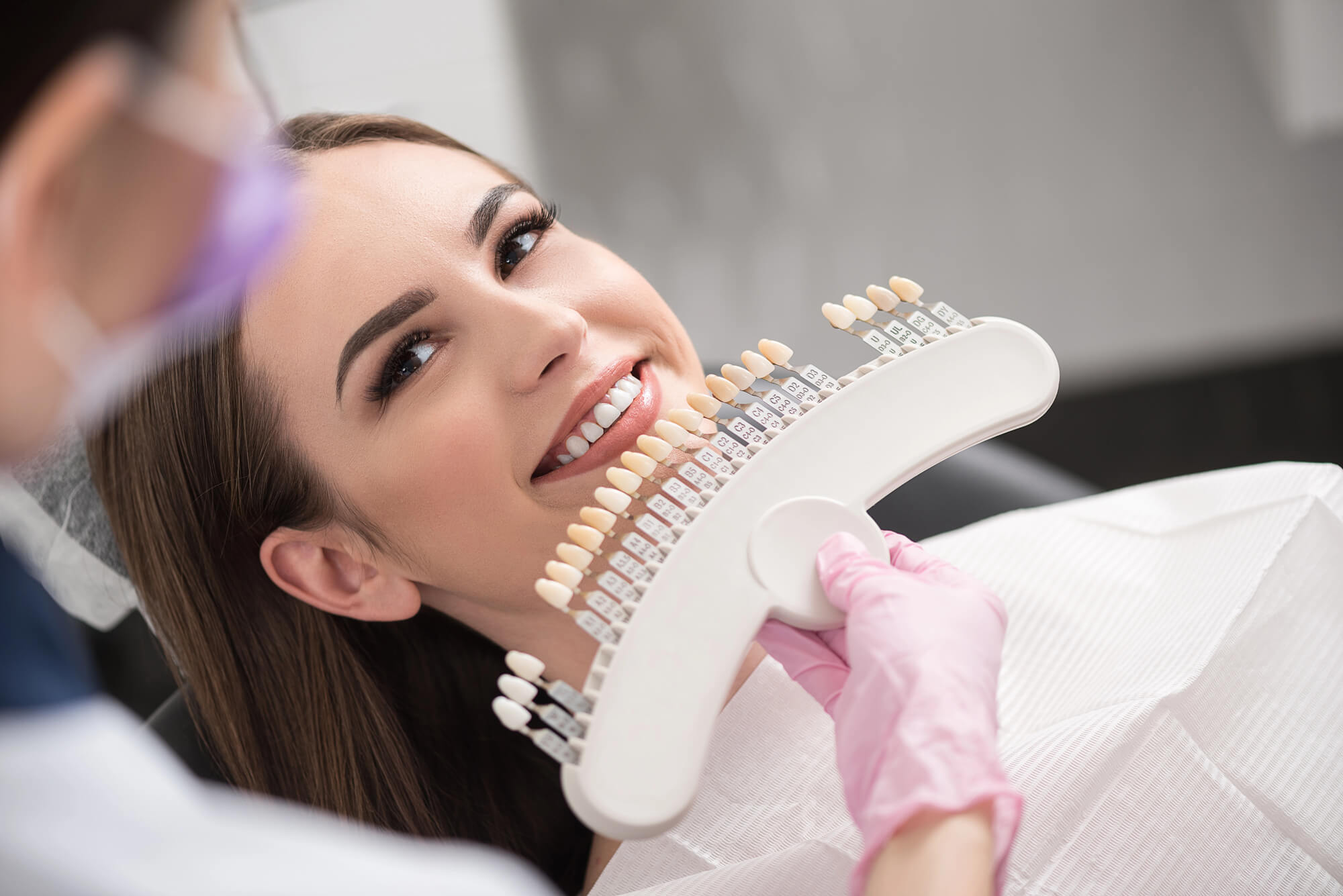
Regardless of the loading method used, most dental implant treatments involve a temporary or provisional phase before the final restoration is placed. This phase plays an important role in healing, comfort, and long-term success.
Temporary Crowns and Provisional Restorations Explained
- Traditional implants: Patients may wear a removable denture or temporary solution while the implant heals beneath the gums during the osseointegration phase.
- Immediate load dental implants: A fixed, immediate implant-supported provisional restoration is attached shortly after implant placement, often the same day.
At 4M, both 4M Smile in 24 and 4M ForeverSmile provide teeth in one day using a temporary bridge, followed by a permanent prosthetic after full healing.
Why Provisional Restorations Matter
Temporary restorations serve several important purposes:
- Protect the implant site during healing
- Support gums and soft tissue contours
- Allow patients to maintain daily function and confidence
- Help control chewing forces during early osseointegration
- Serve as a blueprint for the final prosthetic design
During this phase, patients are given detailed post-operative care instructions, including dietary guidance, oral hygiene routines, and follow-up schedules to reduce the risk of infection or peri-implantitis.
Transitioning to the Final Prosthetic
Once osseointegration is complete and implant stability is confirmed:
- Final impressions are taken
- The permanent restoration is fabricated using precise digital workflows
- The final crown or bridge is attached and adjusted for bite and comfort
This transition ensures that the final prosthetic is both functional and durable, supporting long-term oral health and predictable clinical outcomes.
Is One Option Better Than the Other?
Patients often ask whether traditional implants or immediate load implants are “better.” The most accurate answer is that neither option is universally better, as each is designed for different clinical situations.
Traditional implants and immediate load implants both rely on the same biological foundation: successful osseointegration between the titanium implant and the jawbone. The difference lies in when the implant is placed into function and how much stress is applied during the early healing phase.
- Conventional loading implants prioritize a longer healing period before loading, which can be beneficial for patients with lower bone density, complex jawbone structure, or a history of infection.
- Immediate load implants prioritize faster restoration when strong primary stability and healthy bone tissue are present.
When properly planned and executed, both approaches demonstrate strong success rates and favorable clinical outcomes. The key is not speed, but matching the right loading protocol to the patient’s biology and risk profile.
How Immediate Load Implants Work at 4M Dental Implant Center
Immediate load implants require precision, experience, and strict clinical criteria. At 4M, the process is carefully planned to strike a balance between speed and long-term implant stability and clinical outcomes.
The 4M Smile in 24 and 4M ForeverSmile Workflow
Both 4M Smile in 24 and 4M ForeverSmile follow the same immediate loading foundation:
- Dental implants are placed into the jawbone using guided techniques
- Primary stability is verified at placement
- A fixed bridge is delivered the same day
- The implant fusion process (osseointegration) continues beneath the restoration
- A permanent bridge is placed immediately for the 4M Smile, and after full healing in the case of 4M ForeverSmile.
A key difference between the two options lies in the material of the final prosthetic crowns:
- 4M Smile in 24
- Teeth in one day with a temporary bridge
- Followed by a permanent bridge made from milled PMMA with a titanium bar.
- Designed for strength, precision, and cost benefits
- 4M ForeverSmile
- Teeth in one day with a permanent zirconia bridge
- Designed for maximum durability and long-term wear
Both options rely on digital technologies, in-house design, and coordination with a dental laboratory to ensure accurate fit, bite alignment, and patient comfort.
Why Primary Stability Is Critical for Immediate Loading
Early loading implants depend heavily on achieving strong primary stability at the time of surgery.
If stability cannot be achieved safely, immediate loading is not recommended, even if the patient desires faster results. In such cases, traditional implants may provide better long-term success rates.
At 4M, patient interaction, education, and post-operative care are emphasized to ensure patients understand chewing restrictions, oral hygiene expectations, and healing requirements during the early phase.