• Skip to main content
  • Skip to footer

4M Dental

America's Premier Dental Implants | 4M Dental Implant Center

  • Home
  • Dental Implants
  • Cosmetic Dentistry
  • General Dentistry
  • Locations
    • Las Vegas, NV
    • Long Beach, CA
    • Newport Beach, CA
    • Anaheim Hills, CA
    • Murrieta, CA
    • Palm Desert, CA
    • Riverside, CA
    • Valencia, CA
    • San Diego, CA
    • Glendale, CA
  • Cost & Financing
  • Gallery
  • Destination
  • About
855-999-6088
Free Consultation

Archives for December 15, 2025

Dental Implants in Treating Tooth Loss from Oral Cancer

December 15, 2025 by 4M Dental Implants

Tooth loss is a life-altering experience for anyone. But for cancer survivors, especially those treated for oral cancer, it often marks just one more obstacle in a long and difficult journey. The effects of radiation, chemotherapy, and ablative surgery can leave patients without the ability to chew, speak, or smile with confidence. Fortunately, advancements in implant dentistry and restorative dentistry now offer permanent, functional, and aesthetic solutions in the form of dental implants.

Whether you’ve experienced bone loss, loss of the mandible, or tissue damage following oral cancer reconstruction, today’s custom-made implants and full-arch dental implant systems provide life-changing results. At 4M Dental Implant Center, our team of implant dentists and surgeons can collaborate with medical professionals to create a personalized care and treatment plan designed to restore function and aesthetics, even after complex cancer treatment.

Let’s explore how dental implants can help oral cancer patients restore their smile, regain full oral function, and take back their quality of life through safe, modern implant surgery backed by advanced technology like CBCT scans, 3D CBCT imaging, and state-of-the-art dental materials.

How Oral Cancer and Its Treatment Cause Tooth Loss

Cancer affects every aspect of a person’s life, including their oral health. For those with head and neck cancer or oral cancer, tooth loss is a common consequence of both the disease and its treatments.

The Impact of Radiation and Chemotherapy

Radiation therapy, while crucial in treating neck and head cancers, often damages healthy tissues in the process.

When the jawbone and surrounding oral structures are exposed to radiation, patients may develop osteoradionecrosis, which is a condition where bone tissue dies due to a lack of blood supply. This severely compromises the structural foundation needed for teeth replacement and complicates denture fitting processes or implant surgery.

Similarly, chemotherapy (or chemo therapy as sometimes noted) can weaken the immune system and disrupt the mouth’s natural healing process. The result? A blow to dental health and increased risk of implant failure, infections, gum disease, and accelerated tooth decay, often culminating in total tooth loss.

Surgical Tooth Loss After Cancer Diagnosis

In some cases, patients may undergo ablative surgery to remove cancerous portions of the mandible or maxilla, leading to immediate loss of multiple teeth. These invasive surgical procedures are vital for stopping the cancer’s spread but leave behind a complex need for oral cancer reconstruction, not just for function, but for facial structure and identity.

Emotional and Functional Toll of Tooth Loss

The loss of teeth post-cancer diagnosis is more than cosmetic. It impairs chewing, speech, and erodes self-esteem. Patients often find themselves unable to eat nutritious foods, participate in social activities, or feel confident in their smile. This emotional impact can delay recovery, increase anxiety, and prolong the return to normal life, even after reaching remission.

The Role of Dental Implants in Restoring Health and Confidence

Losing teeth due to cancer can be devastating, but restoring your smile doesn’t have to be. Thanks to advancements in dental technology, dental implants have become a cornerstone of oral cancer reconstruction, offering both aesthetic and functional recovery for cancer survivors.

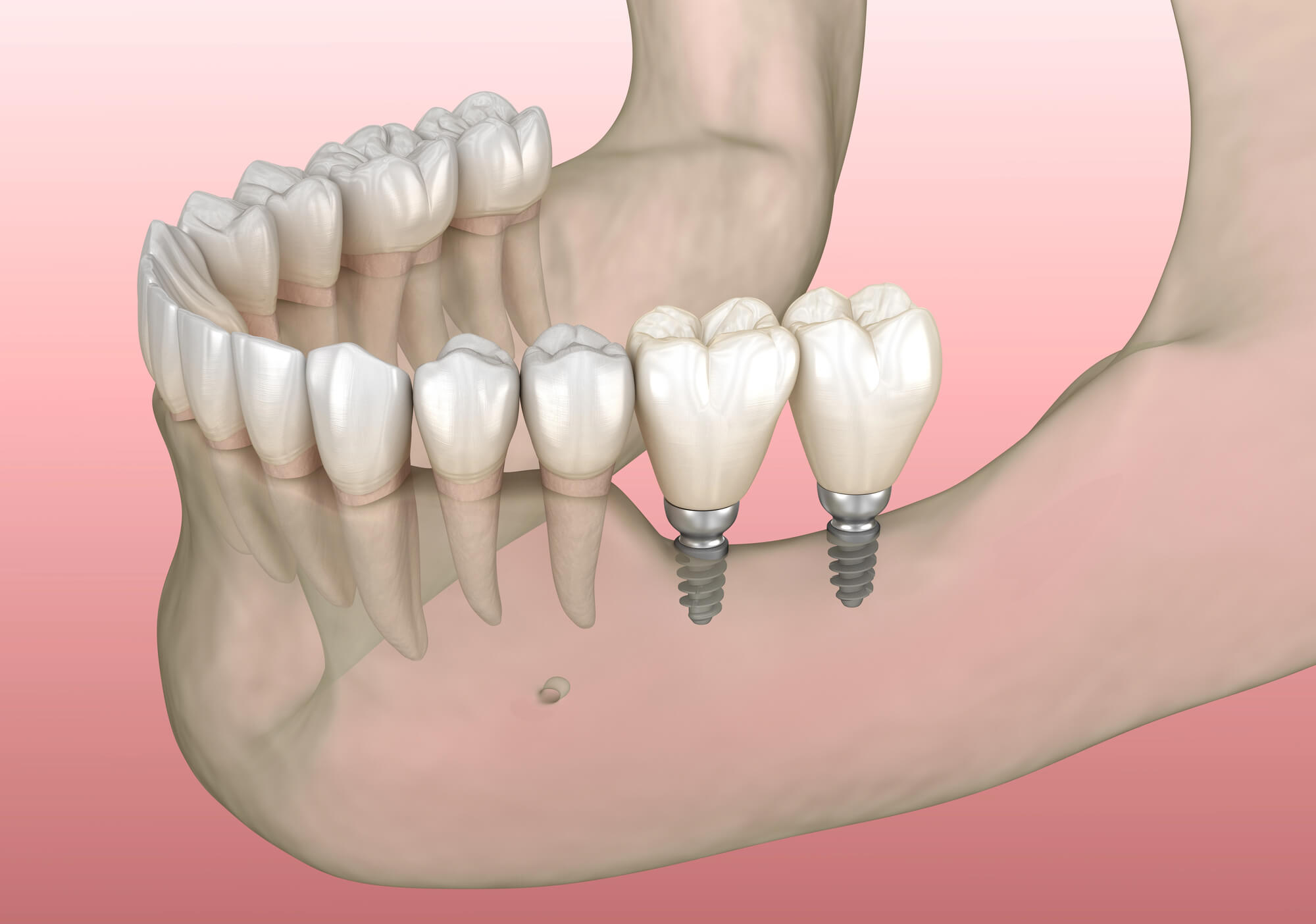
For example, 4M dental implants are not simply cosmetic: they are custom-designed, medically engineered dental prosthetics anchored directly into the jawbone.

They serve as artificial tooth roots, allowing for the placement of dental crowns, bridges, or implant dentures that look and function just like natural teeth.

Dental Implants vs. Dentures: A Transformational Upgrade

Traditional dentures often fall short in restoring bite power, stability, or confidence. They can slip, require adhesives, and do little to preserve the jawbone. Implant-supported solutions—like full-arch dental implants—eliminate these issues by fusing with the jawbone, preventing bone loss and offering superior comfort.

Cancer survivors often benefit from:

  • Improved function for chewing and speaking
  • Restored facial aesthetics and confidence
  • Reduced bone resorption after ablative surgery or radiation
  • Custom prosthetics tailored for fit and performance
  • Permanent solutions with proper care and maintenance

At 4M Dental Implant Center, we use custom-made implants and high-grade dental materials to match each patient’s anatomy, goals, and medical history.

Cosmetic and Psychological Benefits

Tooth loss following cancer treatment often causes patients to feel like they’ve lost part of themselves. Dental implants can help restore not just a smile, but self-image, dignity, and the ability to connect socially. For many patients, regaining the ability to laugh without hesitation or eat without discomfort marks a powerful return to normalcy after cancer.

A Restorative Option for All Stages of Recovery

Whether you are newly in remission, midway through radiation treatment, or post-surgical procedures, dental implants offer staged options based on where you are in your recovery. Our implant dentists and prosthodontics team at 4M work closely with your oncologists and healthcare team to develop a safe, evidence-based dental implant treatment plan aligned with your medical and dental timelines.
Dental Implants in Treating Tooth Loss from Oral Cancer

Are You a Candidate for Dental Implants After Cancer Treatment?

Determining your eligibility for implant surgery after a cancer diagnosis is complex, but far from impossible. While cancer treatments can complicate healing, advances in technology, surgical planning, and coordination between dental and medical providers make implants more accessible than ever, even for high-risk cases.

Key Factors That Affect Eligibility

Before starting any surgical process, your implant dentist will conduct a thorough medical history review, including:

  • Type and location of cancer
  • Whether radiation targeted the mandible or jawbone
  • Presence of osteoradionecrosis
  • Current health status and immune function
  • Ongoing medications, such as bisphosphonates or immunosuppressants

A physical exam, intraoral inspection, and high-resolution 3D CBCT imaging are used to assess bone grafting needs, implant positioning, and the viability of your jaw structure.

Radiation Therapy and Jawbone Health

One of the biggest concerns for oral cancer patients is the impact of radiation on the jawbone. Radiation reduces blood flow, which can affect healing and the body’s ability to support implants. However, with proper planning, even patients with prior radiation treatment may qualify using:

  • Advanced bone grafting techniques
  • Staged surgical protocols
  • Hyperbaric oxygen therapy (in select cases)

At 4M, we specialize in identifying safe paths forward for patients, including those who’ve undergone head and neck cancer therapies.

Customized Treatment Planning with a Multidisciplinary Team

Implant dentistry after cancer requires collaboration. That’s why 4M Dental Implant Center can work in tandem with oncologists, radiologists, and primary care providers to ensure every surgical and restorative decision supports your long-term health.

Our protocols integrate:

  • Dental oncology risk assessments
  • Interdisciplinary consults
  • Pre-surgical planning aligned with your recovery window

Whether you need a single implant or a full-arch reconstruction, we customize every element of your treatment plan for safety, success, and full smile restoration.

Alternatives to Dental Implants After Cancer Tooth Loss

While dental implants are often the gold standard for restoring lost teeth, they may not be immediately feasible for all oral cancer survivors, especially those with extensive jawbone damage or delayed healing from radiation treatment or chemotherapy. Fortunately, there are alternatives and adjunctive procedures that may serve as temporary or permanent solutions depending on each patient’s needs.

Implant-Supported Dentures

For patients who have experienced partial bone loss but still have enough remaining jaw structure, implant-supported dentures offer a more stable alternative to traditional dentures. These solutions use two to four dental implants per arch to secure a removable denture, improving:

  • Stability during eating and speaking
  • Comfort compared to adhesive-based dentures
  • Jawbone preservation through minimal stimulation

They’re especially ideal for patients awaiting full-arch dental implants in a staged recovery process.

Traditional Dentures and Bridges

When implant surgery is not recommended due to severe osteoradionecrosis, immune suppression, or ongoing cancer therapy, traditional dentures or dental bridges may serve as an interim solution. While they do not prevent further jawbone deterioration, these dental prosthetics can restore some function and aesthetics, helping patients eat, speak, and smile more comfortably.

  • Bridges may be viable if adjacent teeth are healthy enough to support them
  • Full or partial dentures can be custom-shaped for comfort and appearance

However, because these options lack root stimulation, they don’t support long-term bone health the way implants do.

Bone Grafting and Ridge Augmentation

In many cases, patients once considered “non-candidates” for dental implants become eligible after bone grafting or ridge augmentation. These surgical procedures rebuild jawbone volume lost through ablative surgery, radiation, or long-term denture wear.

At 4M Dental Implant Center, we use cutting-edge techniques such as:

  • Platelet-rich plasma (PRP) and platelet-rich fibrin (PRF) to accelerate healing
  • Ridge preservation following extraction
  • Custom 3D-printed surgical guides for precise grafting

Our advanced planning systems, powered by CBCT imaging, allow us to determine grafting needs with millimeter precision, increasing treatment confidence and reducing risk.

How the 4M Dental Implant Center Approach Supports Cancer Survivors

More than just placing implants, restoring your smile after cancer is about rebuilding your confidence, health, and quality of life with safety, precision, and compassion. At 4M Dental Implant Center, we specialize in treating patients, enabling our team to identify risks early and ensure predictable outcomes.

Advanced Diagnostics and Technology

Before we begin treatment, our process includes a comprehensive medical history review and a diagnostic workup using the latest 3D CBCT imaging, modeling, surgical planning, and even virtual previews of results.

This level of precision enables our team to identify risks early and ensure predictable outcomes, even in medically complex cases.

Collaboration with Oncologists and Specialists

We don’t work in a vacuum. Our dentist and implant surgeons collaborate directly with your oncologists and healthcare providers to ensure all surgical and restorative decisions align with your cancer recovery plan.

Our team tailors every step of the treatment plan to your health, comfort, and future success.

Personalized Care Through Every Stage

At 4M, there is no one-size-fits-all solution. Whether you’re receiving a single dental implant, custom prosthetics, or a full-arch implant system, we deliver:

  • Custom-made implants matched to your anatomy
  • Flexible sedation options for anxiety-free surgery
  • Post-op support kits for a smooth recovery process
  • Access to same-day teeth replacement options when viable

Every element, from the denture fitting process to final dental crown placement, is centered on restoring your smile with maximum safety, comfort, and long-term function.
Dental Implants in Treating Tooth Loss from Oral Cancer

Healing, Recovery, and Implant Longevity After Cancer

The recovery process following implant surgery is critical to long-term success, especially for a cancer patient whose oral health, jaw, or inner cheek tissues may have been compromised by radiation therapy, chemotherapy, squamous cell cancer, neck cancer surgery, oral surgery, or ablative surgery that resulted in missing teeth or required tooth extraction. At 4M Dental Implant Center, our oral surgeon team creates healing protocols designed specifically for patients emerging from these complex medical and surgical journeys, including those transitioning from a denture to a more stable tooth replacement solution.

What to Expect During the Healing Phase

After your custom-made implant is placed during surgery, the surrounding jawbone begins a biological process called osseointegration, where bone fuses to the titanium post, creating a stable anchor for your dental prosthetic and long-term tooth replacement.

For patients without complicating factors, this process typically takes about 3–6 months. However, for individuals with a history of oral cancer, radiation therapy, or neck cancer surgery, healing timelines may be extended to protect oral health, preserve jaw integrity, and allow for careful monitoring following oral surgery or prior tooth extraction procedures.

You may receive:

  • Antibiotic support to prevent infection following surgery

  • PRF or PRP regenerative therapies to enhance healing of the jaw and inner cheek tissues

  • Nutritional and hygiene guidelines tailored to oral health recovery and denture-to-implant transitions

Our team closely monitors your dental implant sites with digital imaging and routine check-ins to ensure osseointegration progresses properly and that healing remains stable for each cancer patient.

Factors That Influence Recovery

Some patients require lifestyle adjustments or pre-implant interventions to optimize healing and implant longevity, particularly those who have:

  • Used tobacco or alcohol, which can impair blood flow to the jaw

  • Experienced osteoradionecrosis after radiation therapy

  • Taken medications such as bisphosphonates or corticosteroids following cancer treatment

Additionally, patients must maintain excellent home care throughout recovery, including gentle brushing, antimicrobial rinses, and avoiding pressure on the surgical site after oral surgery or tooth extraction. Proper care supports long-term oral health and improves outcomes for those replacing missing teeth after cancer treatment.

Our dental office provides continuous education, monitoring, and personalized support throughout the healing process to help every patient achieve a successful, durable outcome following surgery and implant placement.

Longevity of Dental Implants After Cancer

With proper care and placement by experienced implant dentists, dental implants have a success rate exceeding 95%, even for patients with past cancer treatment. At 4M, our custom protocols and high-precision surgical guides help reduce risks and ensure your teeth replacement lasts for decades.

We support our patients with:

  • Post-op maintenance plans (4M Smile Wellness™)
  • Regular hygiene checkups and implant monitoring
  • Education on preserving gum and bone health long-term

Realistic Expectations: Risks, Success Rates, and Innovations

As with any surgical procedure, it’s essential to understand both the benefits and the potential risks of getting dental implants after oral cancer. At 4M Dental Implant Center, we believe in transparency, education, and evidence-backed decisions so patients feel empowered throughout their care journey.

Understanding Potential Risks

Patients who have undergone radiation treatment, chemotherapy, or ablative surgery may face higher risk factors, such as:

  • Delayed healing or osseointegration issues
  • Increased risk of implant failure due to poor vascularization
  • Complications from previous infections or bone loss

That said, these risks can be mitigated with proper screening, CBCT scans, careful surgical technique, and collaboration with your oncology team.

We also review:

  • Pre-existing conditions (e.g., diabetes, autoimmune disorders)
  • Current medications
  • Any history of failed prosthetic devices

Success Rates Among Cancer Survivors

Thanks to advances in restorative dentistry, most oral cancer survivors can achieve long-lasting results from custom dental implants, with success rates approaching those of patients without prior cancer diagnoses.

Our experience with complex cases enables us to adapt and succeed where more generalized practices may hesitate.

Innovations That Make a Difference

4M Dental Implant Center remains at the forefront of technology. From our denture fitting process to our same-day implant denture systems, we implement cutting-edge tools to maximize comfort, safety, and outcomes.

These tools help us reduce surgery times, eliminate guesswork, and deliver personalized care with exceptional predictability, particularly important for cancer survivors seeking comprehensive oral health restoration.
When to Consider Dental Implants After Cancer Treatment

Knowing the right time to pursue dental implants after cancer treatment is just as important as the dental implant procedure itself. For patients recovering from oral cancer, head and neck cancer, or related malignancies, dental implant treatment must be carefully timed and medically coordinated. Every survivor follows a different healing path, and implant placement should only proceed once oral health, bone density, and soft tissues have stabilized.

Dental implants oral cancer patients receive require a multidisciplinary approach that accounts for surgical treatment history, cancer development risk, and long-term oral rehabilitation goals. Collaboration between your oncology team, oral implantology specialists, and implant dentists ensures a safe, evidence-based decision.

Recommended Timeline After Radiation or Chemotherapy

In most cases, implant treatment is delayed until the body has had adequate time to recover from:

Radiation therapy to the oral cavity, jaw bone, or head and neck region, typically 6–12 months post-treatment, depending on dose and field exposure

Chemotherapy or immunosuppressive therapy, as directed by your oncologist and guided by a detailed risk patient report

Resective surgery or ablative procedures that may have altered alveolar bone, facial structure, or peri implant tissues

Patients treated for oral squamous cell carcinoma, squamous cell carcinoma of the oral mucosa, or invasive carcinoma of the neck region often require extended monitoring due to known risk factors such as chronic inflammation, tobacco smoking, heavy alcohol consumption, viral infections, and genetic predisposition. These factors may increase the risk of peri implant inflammation or peri implant bone loss if implants are placed too early.

Your dental office works closely with your oncology providers to monitor healing, evaluate growth factors and bone regeneration, and determine when dental osseointegrated implants can be placed safely.

Signs You’re Ready for Dental Implants

You may be ready to consider dental implant therapy if:

Your cancer is in remission, with no evidence of developing cancer or malignant lesions on follow-up imaging

Your oral health has stabilized, with no active oral lichen planus, poor oral hygiene, or untreated periodontal disease

A comprehensive review of risk factors, including alcohol consumption, tobacco use, and irritant factors, shows manageable potential risks

You have adequate jaw bone volume, alveolar bone support, and bone density, or you are a candidate for grafting prior to replacing missing teeth

Advanced CBCT imaging, clinical evaluation, and differential diagnosis help confirm that implant placement will not interfere with early detection of squamous cell carcinoma appearing or unusual recurrence patterns. Special attention is given to peri implant tissues, oral mucosa, and soft tissues to avoid masking clinical features of oral carcinoma.

Preparing for Your Consultation

Your first step is a consultation at one of our 4M Dental Implant Center locations, where we will:

Conduct a complete medical and dental history review, including prior cancer treatment, surgical treatment records, and inclusion criteria for implant therapy

Perform digital scans and imaging, including 3D CBCT, to evaluate bone density, alveolar bone, and anatomical structures of the oral cavity and head and neck

Evaluate existing prosthetics or missing teeth, including considerations for edentulous patients and complex reconstructions

Develop a customized treatment plan outlining implant placement options such as osseointegrated dental implants, symphyseal dental implants, or alternative solutions like a mandibular staple implant when indicated

We also assess oral hygiene habits, periodontal ligament health, peri implant mucositis risk, and long-term oral function to ensure the medical procedure is both successful and sustainable.

Empowering Your Smile After Cancer with 4M Dental Implant Center

Your cancer journey reflects resilience. Restoring oral function and confidence through dental implants should reflect that same strength, using solutions grounded in clinical experience and supported by properly cited research from sources such as J Oral Maxillofac Surg and Clin Implant Dent Relat Res, including systematic review findings and open access article distributed data where appropriate.

At 4M Dental Implant Center, we specialize in dental implants for medically complex patients, including those treated for oral carcinoma, squamous carcinoma, breast metastasis to the jaw, or unusual case report scenarios involving rapid evolution or unusual occurrence of exophytic lesion growth.

Our team understands the balance between oral rehabilitation and vigilance. We design implant therapy that supports replacing missing teeth while preserving visibility for early detection, protecting peri implant tissues, and minimizing increased risk related to several risk factors.

With advanced oral implantology techniques, careful management of peri implant inflammation, and long-term follow-up, we help patients regain oral function, stability, and confidence—without compromising safety.

Schedule your consultation today and take the next step toward restoring your smile with osseointegrated implants, precision planning, and hope—guided by expertise, compassion, and evidence-based care.

Filed Under: Uncategorized

Understanding Zygomatic Implants for Severe Bone Loss

December 15, 2025 by 4M Dental Implants

Tooth loss combined with severe jawbone loss presents a major challenge in traditional dental implant treatment. For many patients with maxillary atrophy, the progressive resorption of the upper jawbone makes standard implant placement unfeasible without extensive bone grafting or sinus lift procedures. This can delay results, increase costs, and introduce surgical risks. But there’s a breakthrough solution for patients who’ve been told they aren’t candidates for implants: zygomatic implants.

Zygomatic dental implants are anchored not in the deteriorated upper jaw, but in the dense, structurally stable zygomatic bone, the cheekbone. These longer implants bypass the maxillary sinus entirely and eliminate the need for bone grafts, offering hope for patients with extreme jawbone loss, anodontia, or prior implant failures.

At 4M Dental Implant Center, we specialize in advanced implant restoration and full-mouth reconstruction techniques, utilizing the latest imaging and planning technology, as well as computer-assisted surgery. Whether you’ve been turned away due to severe bone loss, failed sinus lift procedures, or complex maxillary region anatomy, zygomatic implants may be your fastest, most stable route back to a confident, functional smile.

What Are Zygomatic Implants?

Zygomatic implants are a specialized type of dental implant designed for patients with inadequate jawbone in the upper jaw, especially in cases of severe bone loss or maxillary atrophy. Unlike conventional dental implants that require a certain amount of bone in the maxillary region, zygomatic implants bypass these limitations by anchoring directly into the zygomatic bone, or cheekbone.

Key Differences from Traditional Dental Implants

  • Traditional implants require healthy jawbone volume for support and osseointegration.
  • Zygomatic implants are significantly longer and angled to extend from the dental prosthetic zone into the zygomatic bone, providing exceptional stability even in the absence of bone grafts.
  • They often eliminate the need for:
    • Sinus lift procedures
    • Bone grafting or bone grafts
    • Delayed healing timelines that are typical in grafted cases

The Rise of Extra-Maxillary Zygomatic Implants

Recent advances include extra-maxillary zygomatic implants, which follow a lateral trajectory along the sinus cavity, offering a less invasive and more efficient alternative to traditional implant methods involving sinus elevation techniques or sinus slot preparation. These designs provide a stronger biomechanical advantage for patients requiring full arch or All-on-Four style restorations.

The Problem: Severe Bone Loss and Why It Matters

Jawbone loss in the upper jaw (maxilla) is a serious barrier to successful implant restoration. Without adequate bone structure, the implants cannot properly anchor, jeopardizing long-term success and function.

Causes of Severe Bone Loss

  • Tooth loss: Over time, missing teeth lead to jawbone resorption as the bone loses the stimulation it needs to stay dense.
  • Periodontal disease: Chronic infection breaks down the supporting bone tissue.
  • Trauma or surgery: Accidents or tumor removal in the maxillary region can lead to loss of bone volume.
  • Congenital conditions like anodontia: A genetic absence of teeth leads to underdeveloped bone structures.
  • Prolonged denture wear: Wearing dentures long-term without implants can accelerate maxillary atrophy.

Maxillary Sinus Complications

The upper jaw is closely associated with the maxillary sinus, a hollow cavity located above the molars and premolars. In patients with bone loss, the floor of the sinus cavity drops lower, further reducing the available space for implant placement.

This often results in:

  • The need for sinus elevation techniques or sinus lifts
  • Higher complication rates, including maxillary sinusitis
  • Longer recovery times due to graft healing

Why Traditional Implants May Fail

Without adequate bone:

  • The implant can’t achieve primary stability
  • There’s an increased risk of implant failure and migration into the sinus cavity
  • Grafting procedures can extend treatment by 6–12 months or more

That’s why zygomatic implants, which avoid these anatomical limitations, are such a game-changer for patients with maxillary atrophy and severe bone loss.

How Zygomatic Implants Work

Zygomatic implants represent one of the most advanced solutions in implant dentistry.

Implant Placement and the Zygomatic Bone

Unlike traditional implants, which are inserted vertically into the maxilla, zygomatic implants are much longer and follow an angled trajectory that reaches up into the zygomatic bone (cheekbone). This area provides denser, more reliable anchorage, which is ideal for patients with maxillary atrophy or severe jawbone loss.

Placement often requires advanced planning and surgical skill from dental surgeons using surgical guides, 3D cone-beam CT technology scans, and computer-assisted surgery to ensure precision and safety during the procedure.

Avoiding the Sinus Cavity

One of the key advantages of zygomatic implants is that they eliminate the need to work within or around the sinus cavity. In patients with maxillary sinus descent or enlargement, this is critical. Rather than performing sinus lift procedures, which involve lifting the sinus floor and placing bone grafts, zygomatic implants completely bypass the area.

In some cases, we use an extra-maxillary approach, placing the implant outside the sinus entirely through sinus slot preparation, minimizing sinus-related complications such as maxillary sinusitis or membrane perforation.

Multidisciplinary Surgical Approach

Zygomatic implant placement is a complex surgery often performed by a skilled surgeon, with one of our highly trained dentists and a dental laboratory technician involved in the implant restoration process. This team-based approach allows for full arch or full mouth restoration to be completed with seamless collaboration across surgical, restorative, and prosthetic disciplines.

At 4M, our teams work in sync to deliver optimal esthetics, function, and long-term stability using guided imaging studies, digital planning, and precision tools.

Advantages of Zygomatic Dental Implants

Zygomatic dental implants offer a range of benefits that make them the go-to solution for patients with compromised bone structure, previous graft failures, or chronic denture dissatisfaction.

Eliminates the Need for Bone Grafting and Sinus Lifts

One of the most significant advantages of zygomatic implants is that they completely eliminate the need for bone grafting, sinus lifts, or sinus elevation techniques.

Anchoring the implants in the zygomatic bone delivers immediate structural support and reduces treatment time, increasing the cumulative success rate of the procedure.

Faster Treatment with Immediate Loading Options

Because zygomatic implants can achieve high primary stability in dense bone, they often support immediate loading protocols. This means patients may receive temporary teeth or a full arch provisional prosthesis on the same day as surgery, avoiding months of waiting with a denture or no teeth at all.

Ideal for Full Arch and All-on-Four Cases

Zygomatic implants are frequently used in full arch restorations and All-on-Four procedures for patients with upper jaw bone loss. In many cases, two zygomatic implants are used in combination with two or more conventional implants to create a stable, hybrid support system for full arch prosthetics.

High Stability in Severely Atrophied Maxilla

Even in cases of severe maxillary atrophy, trauma, or post-tumor resection, zygomatic implants offer reliable support where no other solution is feasible. The dense nature of the zygomatic bone provides strong anchorage, reducing the risk of implant failure and improving patient outcomes, even in the most compromised anatomical scenarios.

Understanding Zygomatic Implants for Severe Bone Loss

Are You a Candidate for Zygomatic Implants?

Zygomatic implants are specifically designed for patients who have been told they are not candidates for traditional dental implants due to severe bone loss in the upper jaw. At 4M Dental Implant Center, we evaluate candidacy using a combination of clinical diagnostics, advanced imaging, and interdisciplinary consultation.

Indicators You May Be a Candidate

You may be an ideal candidate for zygomatic implants if you have:

  • Severe jawbone loss or advanced maxillary atrophy
  • Previously failed bone grafting or sinus lift procedures
  • A history of trauma, surgery, or tumor resection in the maxillary region
  • Long-term denture wear with significant bone resorption
  • Congenital conditions such as anodontia (missing most teeth)
  • Chronic issues with denture stability or discomfort

Unlike conventional implant-supported tooth replacements, zygomatic implants are designed for cases that fall outside the scope of standard implant placement techniques.

The Consultation Process

At 4M, every zygomatic implant journey begins with a comprehensive consultation. This includes:

  • Full medical and dental history review
  • Detailed oral examination by our skilled dental team
  • In-depth discussion of goals, health conditions, and treatment options

Our patient education-first approach ensures you understand your surgical options, prosthetic outcomes, and long-term oral health implications before moving forward.

The Role of Advanced Imaging and Digital Planning

We use advanced technology to assess bone anatomy and safely plan implant placement:

  • CBCT scans and 3D cone beam CT imaging provide precise visualization of the maxillary sinus, zygomatic bone, and sinus cavity
  • Digital planning tools assist in mapping implant trajectories and avoiding vital structures
  • Computer-assisted surgery and surgical navigation improve placement accuracy and reduce risk

This digital workflow helps us predict outcomes, reduce complications, and build highly personalized treatment plans—especially important for complex maxillofacial cases.

What to Expect from Zygomatic Implant Surgery

While zygomatic implant surgery is more complex than traditional dental implant procedures, patients often find the benefits outweigh the added intricacies. At 4M Dental Implant Center, we guide you through each phase with clear expectations and comprehensive care.

Surgery Overview and Timeline

  • Zygomatic implants are placed using a specialized angled approach that reaches into the zygomatic bone via the upper jaw.
  • Surgery is typically performed under IV sedation or general anesthesia for comfort.
  • If a full arch is being restored, conventional implants may be placed in combination with zygomatic implants.
  • Temporary teeth or a provisional full arch prosthesis are often delivered the same day, depending on bone stability and surgical assessment. 

The total treatment timeline is significantly shorter than that of traditional graft-based approaches, with many patients avoiding the 6–12 month healing delays associated with sinus lifts or grafting.

Our 4M team includes specialists in both surgical and restorative phases, ensuring seamless integration between the surgery and the aesthetics of your new smile.

Recovery, Risks, and Long-Term Outcomes

Most patients experience a similar recovery process to traditional implant surgery, with mild to moderate swelling and discomfort in the first few days. Post-op instructions include:

  • Soft foods and careful oral hygiene
  • Follow-up appointments for surgical monitoring and prosthetic adjustments
  • Continued dental cleanings and check-ups to maintain oral health

While all surgeries carry some risks like infection or implant failure, zygomatic implants have demonstrated a high cumulative success rate over time, especially when placed by experienced maxillofacial teams using guided techniques and advanced imaging.

How Zygomatic Implants Compare to Other Options

When deciding on a solution for severe bone loss, it’s important to understand how zygomatic implants stack up against other treatment paths. While traditional dental implants and dentures may work well for some patients, patients with advanced maxillary atrophy or structural challenges often require more specialized care.

Traditional Implants with Bone Grafting

In standard implant cases, patients with moderate bone loss undergo bone grafting to rebuild jaw volume before implants are placed. This route typically includes:

  • Sinus lift procedures or sinus elevation techniques
  • 6–12 months of healing before implant placement
  • Greater overall treatment time and cost

Compared to this approach, zygomatic implants:

  • Eliminate the need for bone grafts or sinus lifts
  • Offer a shorter treatment timeline
  • Reduce surgical interventions and recovery delays

All-on-Four and Full Arch Restorations

All-on-Four implant systems are effective for many patients, but still require adequate bone in the anterior maxilla. Zygomatic implants solve this because they:

  • Extend into the zygomatic bone for added posterior support
  • Enable full arch implant-supported prosthetics even in extreme cases
  • Provide stronger anchorage when the anterior maxilla has insufficient bone

This makes them ideal for full mouth restoration when other full arch options may fall short due to bone loss.

Dentures and Their Limitations

Removable dentures are a traditional fallback when implants aren’t feasible. However, they come with notable limitations:

  • No prevention of further bone resorption
  • Reduced bite strength and function
  • Challenges with speech and long-term comfort

Zygomatic dental implants provide a fixed, stable alternative to dentures, one that restores chewing ability, improves facial structure, and gives patients the freedom to smile, speak, and eat without worry.

The 4M Approach to Severe Bone Loss Solutions

At 4M Dental Implant Center, we use advanced protocols and technology to deliver successful outcomes for patients with extreme upper jaw bone loss where regular dental implants or conventional implants are no longer viable. Our approach is designed to address both the quality and quantity of available maxillary bone while avoiding extensive grafting whenever possible.

This comprehensive approach is rooted in proven oral maxillofacial surgery principles and supported by deep clinical experience in treating complex implant indications, including severe maxillary atrophy. By combining advanced diagnostics, precise planning, and disciplined case management, our team creates predictable paths to full-arch rehabilitation.

Our approach includes:

An expert team of surgeons, skilled dentists, and dental lab technicians with extensive experience placing zygoma implants and managing advanced implant cases that fall outside the scope of conventional implants

  • CBCT scans and 3D cone beam imaging for precise planning, sinus cavity analysis, and evaluation of remaining maxillary bone structure to determine proper implant indications
  • Digital planning, surgical guides, and computer-assisted navigation that ensure accurate implant placement and optimal implant loading strategies, even in anatomically complex cases
  • Same-day delivery of temporary teeth or a fixed full-arch prosthesis in qualified cases, allowing immediate function through carefully managed loading protocols
  • Long-term success supported by structured follow-up care, dental cleanings, and maintenance protocols designed to protect implant stability and overall rehabilitation outcomes

Take the First Step: Restore Your Smile and Confidence

If you’ve been told you’re not a candidate for dental implants due to severe bone loss, a zygomatic dental implant may be the solution you’ve been waiting for. These advanced options are designed for patients who lack sufficient maxillary bone to support regular dental implants, who may have required bone grafting in the past, or who have experienced previous dental restoration or implant placement failures.

Through a strategic combination of advanced techniques, the use of zygomatic arch anchorage, complementary options such as pterygoid implants when appropriate, global clinical insights—including approaches refined in Sweden—and disciplined treatment planning, our team creates predictable implant placement solutions where others see limitations.. Each rehabilitation plan is tailored to the patient’s anatomy, functional needs, and long-term goals.

Schedule Your Consultation

With zygomatic implants, severe maxillary atrophy is no longer the end of the road. It marks the beginning of a stronger, healthier future supported by proven techniques and expert management.

We invite you to explore this page or schedule a consultation to learn whether you’re a candidate for advanced implant rehabilitation. Trust 4M Dental Implant Center to deliver the experience, technology, and care needed for life-changing results, even in the most challenging cases.

Schedule your consultation today and discover how zygomatic implants can restore not only your smile but also your confidence, function, and freedom.

Filed Under: Uncategorized

Footer

4M Dental Implant Center

Your dream smile is just one step away

Schedule your free consultation

855-999-6088

Don’t wait to reclaim your smile—permanent teeth in just 24 hours are closer than you think.

  • Home
  • Dental Implants
  • Cosmetic Dentistry
  • General Dentistry
  • Cost & Financing
  • Destination
  • Blog
  • Facebook
  • Youtube
  • Instagram
© 2026 4M Dental Implant Center
    • Privacy Policy
    • Terms of use