• Skip to main content
  • Skip to footer

4M Dental

America's Premier Dental Implants | 4M Dental Implant Center

  • Home
  • Dental Implants
  • Cosmetic Dentistry
  • General Dentistry
  • Locations
    • Las Vegas, NV
    • Long Beach, CA
    • Newport Beach, CA
    • Anaheim Hills, CA
    • Murrieta, CA
    • Palm Desert, CA
    • Riverside, CA
    • Valencia, CA
    • San Diego, CA
    • Glendale, CA
  • Cost & Financing
  • Gallery
  • Destination
  • About
855-999-6088
Free Consultation

Archives for March 25, 2025

How to Spot Early Signs of Dental Implant Failure

March 25, 2025 by 4M Dental Implants Leave a Comment

Dental implant failure is rare, especially when you’ve received care from skilled surgeons using advanced technology—like the team at 4M Dental Implant Center.

In fact, dental implants from 4M typically boast a success rate of up to 99% for people with good health and oral hygiene habits, according to studies. However, knowing how to recognize early warning signs can help protect your investment and maintain your oral health for the long term.

In this guide, we’ll explore the most common signs of dental implant failure, what causes it, how to prevent it, and what your options are if you’re not a candidate for implants. Whether you’re in the healing period after surgery or years into your new smile, early awareness is key.

What Are Dental Implant Failures?

Dental implant failure occurs when the implant does not successfully integrate with the jaw bone or becomes compromised over time. Early implant failure can occur within the first few weeks or months after surgery, while late failure may happen years later, often due to previous underlying issues such as gum disease, bone loss, or poor dental hygiene.

Thanks to modern implant procedures, digital diagnostics, and 4M’s expert-level care, the vast majority of patients never encounter complications. Still, it’s important to recognize signs of a failed implant early to ensure timely intervention.

Early Signs of Dental Implant Failure: What to Watch For

Some signs may simply mean your mouth needs extra attention—not that the implant is failing. However, if you experience any of the following, it’s best to contact your dental implant office promptly.

Persistent Pain or Throbbing

While mild discomfort after dental implant placement surgery is expected, intense pain or pain that worsens with time instead of improving may indicate a problem with implant fusing or surrounding tissue affecting blood flow or even indicating nerve damage.

Swelling, Redness, or Inflammation

Some swelling is normal in the healing process, but prolonged or severe gum inflammation, redness, or even some bleeding around the implant post could be signs of infection or a sign of peri-implantitis.

Loose Implant or Wiggling Sensation

A well-placed implant should feel like a natural tooth, especially after the first few weeks after the dental implant procedure. If it feels mobile or loose, it may signal implant overload, implant screw issues, or failure of bone integration.

Gum Recession or Visible Threads of the Implant

If the gum tissue pulls back and you can see metal or threads near the base of your replacement tooth, there could be bone deterioration or gum disease affecting the implant surface.

Difficulty Chewing or Biting Down Normally

Discomfort while eating or biting down could signal a problem with implant alignment or stability. Chewy foods may make the issue more noticeable.

Bad Taste or Odor

A persistent bad taste or foul odor can indicate bacterial infection, poor hygiene, or failure in conservative infection control measures.

Fever or Malaise

In rare cases, a systemic response like fever can occur from an untreated infection, even if there’s no severe pain. This is a sign to seek professional care immediately.

If you notice any of these signs, don’t panic—but don’t wait, either. Early action increases the chances of successful treatment.

What Causes Dental Implant Complications or Failure?

Even with the high implant success rate of this dental procedure, understanding the potential causes of implant failure is key to prevention. Some risk factors are avoidable with proper care, while others depend on overall health or anatomy.

Here are the most common contributors to dental implant complications:

  • Poor Oral Hygiene During Healing: Neglecting proper hygiene during the healing period can lead to bacterial infection, delayed healing, and gum inflammation. Keeping the implant site clean is essential to allow bone integration and prevent issues.
  • Uncontrolled Diabetes or Other Medical Conditions: Autoimmune diseases, ongoing cancer treatment, and conditions like uncontrolled diabetes can reduce the body’s ability to heal and increase the risk of implant failure. Certain medications, like some antidepressants, may also affect bone growth.
  • Smoking or Substance Use: Smoking reduces blood flow and interferes with bone tissue healing. It’s a major risk factor for both early and late implant failure and can impact the long-term success of the implant treatment.
  • Excessive Bite Pressure or Teeth Grinding (Bruxism): Chronic grinding or jaw tension places extra stress on the implant and surrounding bone. Over time, this can cause a loose-feeling implant or even bone loss.
  • Lack of Bone Integration (Failed Osseointegration): When the bone doesn’t fuse with the implant post properly, the implant may become unstable. This biological process is crucial for creating a solid foundation for prosthetic teeth.
  • Improper Placement: Although extremely rare with experienced surgeons, improper placement can affect nearby nerves, sinus cavities, or the integrity of the bone structure.
  • Peri-Implantitis: This is a form of gum disease that affects the soft tissue and bone surrounding the implant. It starts as inflammation but can progress into a dangerous health condition if left untreated.

At 4M, our advanced imaging, precise implant placement surgery, and hygiene protocols reduce these risks.

How to Prevent Dental Implant Failure

Dental implant failure is highly unlikely when you are under the care of an experienced surgeon and knowledgeable dental health team. However, prevention is always better than cure, and there are numerous strategies and habits that can greatly reduce the risk of failure. Here are important tips and protocols you should follow:

Follow Post-Operative Instructions with Precision

Ensuring the success of your healing process begins with strictly adhering to every instruction given to you after your dental implant surgery. These guidelines are pivotal for recovery.

Attend All Scheduled Follow-Up Appointments

Frequent checkups are crucial as they allow your oral healthcare provider to track the healing process of your replacement teeth closely and address any potential problems before they become significant issues that can lead to a failed dental implant.

Follow Recommended Aftercare Protocols

These prescribed treatments, from soft daily brushing after a few days to the prescribed rinses, antibiotics, and medications, are vital in maintaining proper care and significantly lowering the risk of early bacterial infections or gum irritation, ensuring a healthier recovery.

Refrain from Smoking and Alcohol Consumption

Both smoking and alcohol intake can severely impact blood flow and bone health, diminishing the likelihood of your dental implants being successful. Avoid these habits to maintain healthy bone structure around the implants and support long-term stability.

Consume Soft Foods in the Initial Healing Phase

During your recovery period, it is essential to avoid foods that are chewy or hard, as they can apply undue pressure on the implant site, hampering healing and endangering both bone and gum health.

Inform Your Doctor About Any Pre-Existing Medical Conditions

Your medical history could contain key risk factors that are pivotal in planning and customizing your treatment to minimize any potential complications.

At 4M, we also provide a Natural Recovery and Hygiene Kit with a water flosser, natural healing support (or homeopathic healing gel), and instructions to protect your investment from day one.
The Role of Long-Term Dental Implant Maintenance

Even after successfully navigating the first few weeks or months after implant surgery without any major issues or signs of failure, it’s crucial to keep good maintenance as well as best practices and habits in your life, as late failure can occur even after the first year or two of implantation.

Never forget about:

  • Regular Cleanings and Maintenance: Maintaining dental implants requires routine dental visits. Your implant restorations need professional monitoring to remain healthy.
  • Daily Oral Care Routines: Brush and floss daily. Use a water flosser for hard-to-reach areas. Avoid aggressive brushing that could damage gum tissue.
  • Lifetime Care from 4M: We offer lifetime follow-up, hygiene support, and custom treatment plans to keep your smile radiant, along with a confident and unique lifetime warranty.
  • Signs That Might Appear Later: Late failure signs can include gum inflammation, discomfort after oral surgery, or even slow bone loss. Ongoing vigilance keeps your smile safe.

What If I’m Not a Candidate for Implants? Alternatives That Still Restore Your Smile

While dental implants are the preferred solution for tooth replacement, not everyone has sufficient bone density or medical eligibility for implant treatment. Fortunately, there are several alternatives to meet your needs.

  • Dental Bridges are a fixed option that uses adjacent teeth for support. They restore chewing ability and appearance, although they don’t prevent jaw bone loss.
  • Removable Dentures are non-invasive and cost-effective, available in full or partial sets. Today’s materials provide more comfort and a natural look than older generations of denture work.
  • Overdentures (Implant-Supported Dentures) provide enhanced stability by combining some implant support with removable convenience—a popular option for lower jaw implants.
  • Bone Grafts with Future Implants is ideal if you currently lack adequate bone. The method uses additional bone material and grafting procedures to rebuild the structure for future implant success.

At 4M, the vast majority of patients qualify for some form of smile restoration—whether through implants or other transformative solutions.

When to Call Your Implant Dentist

If you notice any of the signs above, don’t wait. Our team is here to evaluate, reassure, and treat you—often before a small issue becomes a real problem.

In many cases, what seems like a problem is completely fixable with timely care.

Why Patients Trust 4M

Our surgeons have decades of combined experience and advanced training and use only state-of-the-art dental implant diagnostics. We perform all implant procedures in-house for convenience and continuity.

With our all-in-one system and commitment to comprehensive care, 4M offers one of the highest success rates in the industry, at 99%. And we’re with you from your first consultation to your final beautiful smile—and beyond.

Stay Empowered and Informed

Dental implant failure is rare, but knowing the key signs and understanding your options can empower you to protect your smile. Trust your instincts, follow proper hygiene, and stay on top of follow-ups.

Noticing something unusual?

Let’s take a look together. Schedule your complimentary implant check-up at your nearest 4M Dental Implant Center today. However, knowing how to recognize early warning signs can help protect your investment and maintain your oral health for the long term.

Our expert team specializes in implant dentistry, offering comprehensive evaluations for those concerned about implant failure, implant removal, or postoperative complications. Whether you’re worried about having a failing dental implant or seeking a new implant, 4M combines elite surgical procedures, advanced knowledge of different implant systems, and exceptional dental care for lasting results and significantly low implant failure rate.


Filed Under: Uncategorized

Dental Implant Materials: Titanium vs Zirconia

March 25, 2025 by 4M Dental Implants Leave a Comment

Dental implants have revolutionized modern dentistry, providing a long-lasting solution for individuals with missing teeth. However, the success of these implants largely depends on the choice of dental implant materials. Selecting the right material can significantly impact the longevity, mechanical properties, biocompatibility, and aesthetic outcome of an implant.

Among the most common types of implant materials, titanium and zirconia are the industry standards. However, titanium has been the material of choice for decades due to its high fracture resistance and superior osseointegration, while zirconia is gaining popularity as an alternative to titanium implants because of some aesthetic preferences.

In this guide, we compare titanium vs. zirconia implants to help you make an informed choice

What Are Dental Implants? A Quick Recap

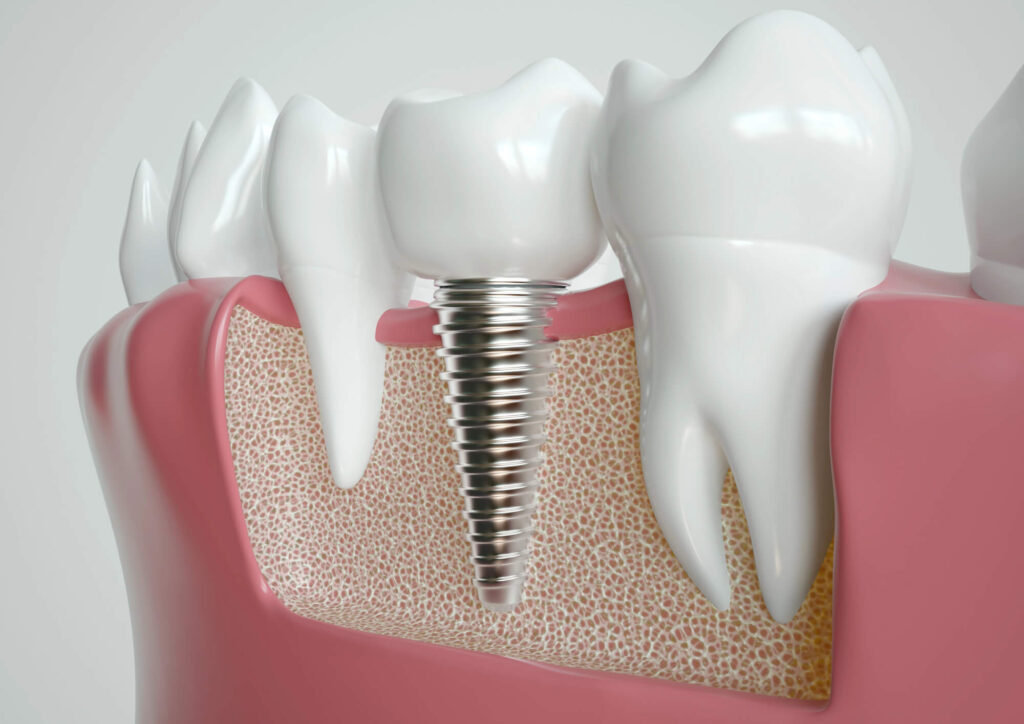
A dental implant is a biocompatible material surgically placed into the oral cavity to replace missing teeth. It consists of three primary components:

  • Implant post: Acts as the replacement root, typically made of titanium alloys or zirconium oxide.
  • Abutment: Connects the implant post to the visible dental crown.
  • Crown: Mimics the natural tooth in aesthetic and functional loading.

Dental implants are considered the most advanced solution for missing teeth due to their ability to integrate with the jawbone and restore function and appearance without affecting adjacent teeth. Unlike removable dentures, implants become a permanent part of the mouth, mimicking the strength and feel of natural teeth.

4M Dental Implant Center’s Approach

At 4M Dental Implant Center, we specialize in full-mouth implant solutions like All-on-4 implants or All-on-X, along with cutting-edge digital workflows and in-house labs to produce precise, long-lasting implants tailored to each patient. We offer:

  • Titanium implants with milled PMMA (polymethyl methacrylate) bars, known for their fatigue strength and excellent stability, are often used in our same-day implant procedures.

Our comprehensive, patient-centered approach ensures each implant plan is tailored to restore both function and confidence.

The Top Dental Implant Materials

Dental implant procedures have evolved at a fast pace in the last few decades, thanks in large part to a combination of new tools and techniques, along with innovative materials that have revolutionized the quality of replacement teeth.

At the very top of these materials, two stand out, with other options available depending on certain cases and unique factors:

Titanium: The Gold Standard

Titanium is the most commonly used material for dental implants, dominating modern implant dentistry due to its proven clinical success and superior biocompatibility.

Titanium dental implants are favored for their high mechanical properties, such as fatigue and tensile strength, and their ability to fuse with bone tissue through osseointegration. This metal has decades of data supporting its long-term durability, excellent aesthetics, and low implant failure rates.

Zirconia

Zirconia implants, on the other hand, are emerging as a ceramic implant option for patients seeking a metal-free solution. Composed of zirconium oxide, it combines biocompatibility with natural-looking aesthetics. It is especially beneficial for those with extremely rare allergic reactions to the metal (less than 1% of the population) or thin gum tissue. They can be an even better material for dental bridges as well, as in the case of 4M.

Porcelain and Other Ceramic Materials

Beyond titanium and zirconia, other dental materials are commonly used in crowns and prosthetic components.

  • Porcelain: Porcelain crowns are often selected for their natural translucency, helping them blend seamlessly with surrounding teeth.
  • All-Ceramic Material: Lithium disilicate, a type of all-ceramic material, is a popular choice for single-tooth replacement due to its aesthetic and strength balance.
  • Alumina: Meanwhile, alumina-based ceramics, though explored in early ceramic implant development, are less common in recent years due to lower flexural strength and increased susceptibility to marginal bone loss.
  • Hybrid: Additionally, hybrid dental implants are gaining interest, integrating titanium cores with external coatings of zirconia to combine the strength of metal with the biocompatibility and beauty of ceramics. These innovative systems continue to push the frontier of implant applications.

Titanium Dental Implants: Overview & Benefits

Titanium is a biomedical-grade metal that comes primarily in Grade 4 (commercially pure) and Grade 5 (Ti-6Al-4V alloy) forms. Known for its tensile strength, fatigue strength, resistance to corrosion, and exceptional biocompatibility, titanium is widely used in medical and dental procedures as well as orthopedic surgeries.

Advantages of Titanium Implants

Titanium has become the standard due to its ability to integrate predictably with bone. Its surface can be modified through treatments like acid-etching, plasma spraying, or sandblasting to increase surface roughness, enhancing cell attachment and bone growth.

Moreover, titanium’s flexural strength allows it to endure high levels of cyclic loading, making it ideal for functional loading zones in the posterior jaw. The material has a high resistance to fractures and high corrosion resistance and is supported by numerous retrospective and experimental studies showcasing exceptional long-term success.

Titanium Applications

Titanium is used in all three core components of the implant system:

  • Implant Posts: These serve as artificial roots and are typically made from titanium due to its implant surface characteristics and proven success in osseointegration.
  • Abutments: These connectors also benefit from titanium’s mechanical stability and resistance to corrosion, providing a reliable interface between the implant and dental crown.
  • Crowns: While rare, titanium crowns may be used in non-visible areas for strength. However, ceramic crowns are more common due to their esthetic properties.

Potential Drawbacks of Titanium

Despite its strengths, titanium does have limitations. A tiny percentage of patients may experience metal sensitivities or allergic reactions. Additionally, the metallic hue can be a concern in cases with thin or receding gum tissue, where the gray color might slightly show through, compromising the esthetic outcome.

Zirconia Dental Implants: Overview

Zirconia, or zirconium dioxide, is a high-performance ceramic material that has been engineered to offer strength and beauty in dental applications. Initially introduced as a restorative material for crowns and bridges, it can also be used now in full implant systems, although with some drawbacks compared to titanium surfaces.

Zirconia offers resistance to corrosion, low electrical conductivity, and minimal bacterial adhesion, which supports soft tissue health and reduces bacterial colonization around the implant.

Advantages of Zirconia Implants

Zirconia’s non-metallic nature provides several distinct benefits. Because it is a bioinert ceramic, zirconia minimizes adverse immune responses. Its naturally white color provides an esthetic match, especially in patients with thin or translucent peri-implant tissues.

Like titanium, zirconia also features smooth surface topographies low plaque accumulation and enhanced periodontal health.

Zirconia Applications

While newer to the market than titanium, zirconia is now available for all components of an implant system:

  • Implant Posts: Typically manufactured as one-piece zirconia implants, they offer full integration but can be more technique-sensitive to place.
  • Abutments: Increasingly used for anterior restorations where excellent aesthetics are critical.
  • Crowns: Zirconia crowns are highly durable and lifelike, often preferred over porcelain due to their combination of strength and translucency.

Potential Challenges with Zirconia

Zirconia is inherently more brittle than titanium. While advances have improved fracture resistance, the material is still susceptible to cracking under functional stress, especially in posterior applications with heavy functional loading. And it cannot be used on the All-on-x procedure either because of these characteristics.

Additionally, most zirconia implants are single-piece systems, which offer fewer options for prosthetic customization and can complicate certain surgical procedures. While emerging data is promising, long-term clinical studies are still limited compared to titanium.

Quick Comparisons of Titanium and Zirconia Implants

Feature Titanium Zirconia
Material Composition Metal Ceramic
Strength & Durability High tensile strength, flexible. Brittle, lower flexural strength
Osseointegration Strong, well-documented Good, but less clinical data
Aesthetic Considerations It may show a gray hue under thin gums White color blends with natural teeth
Allergic Reactions Rare but possible Hypoallergenic
Surface Characteristics Can be both smooth or customizable roughness Smooth, plaque-resistant
Clinical Success Supported by decades of data A growing body of positive studies

Who Should Choose Titanium? Who Should Choose Zirconia?

Choosing between zirconia and titanium implants depends largely on individual patient needs, risk factors, and cosmetic goals.

Titanium is best for:

Titanium is the better choice for most patients requiring long-term durability and customizable implant systems. It’s especially suitable for:

  • Cases requiring angled abutments or full-arch prosthetics.
  • For patients with limited bone density, biomechanical strength is crucial.
  • Those with no known metal sensitivities.

Zirconia is best for:

Zirconia may be an attractive option for patients seeking a metal-free solution or when aesthetics are the top priority:

  • Individuals with extremely rare allergic reactions to metals.
  • Front-tooth or smile-zone restorations where esthetic properties matter most.

Future Trends in Dental Implant Materials

The future of implant dentistry is centered on enhancing patient-specific risk factors, minimizing implant failure, and advancing materials through biotechnology.

  • Titanium-zirconia hybrid systems aim to deliver the best of both worlds: the strength of titanium and the aesthetic advantages of zirconia.
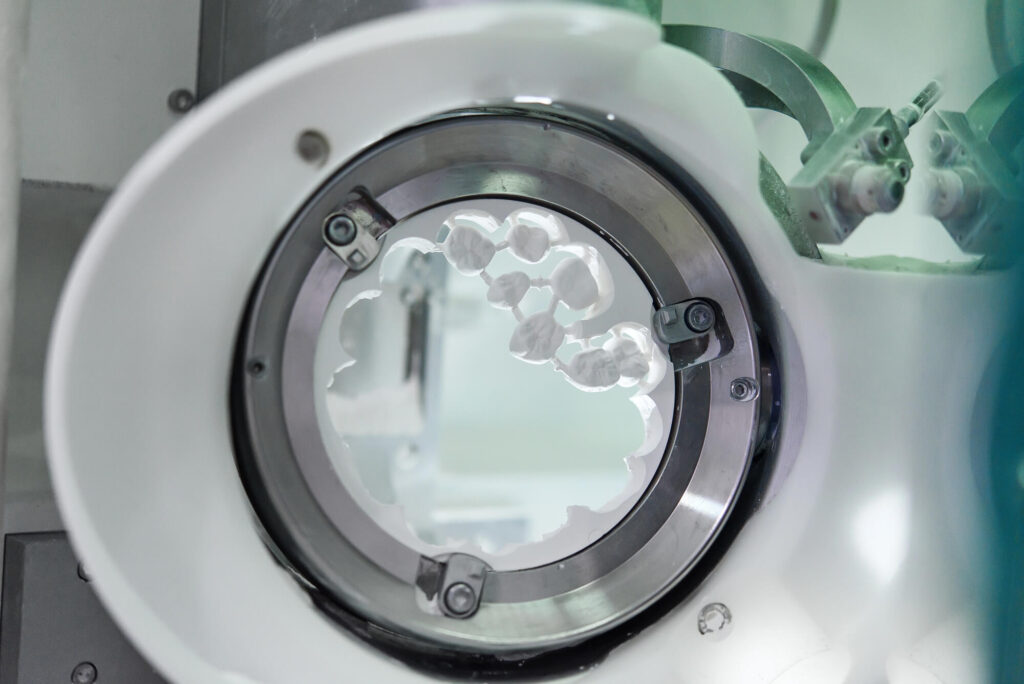
  • 3D printing and CAD/CAM technologies are enabling custom-fit implants tailored to each patient’s bone anatomy and oral health condition.
  • Surface treatments and coatings, such as hydroxyapatite or bioactive glasses, are being explored to promote faster healing and stronger bone-implant contact.

These innovations are expected to raise the bar for clinical outcomes, providing safer, faster, and more predictable implant procedures.

Why Choose Dental Implants Over Traditional Alternatives?

Unlike dentures or bridges, dental implants are designed to function like natural teeth in every way:

  • Restores Bite Force, Chewing, and Speech Ability: They restore chewing function and speech clarity, giving patients the confidence to eat and speak freely.
  • Jawbone Preservation: Implants help preserve jawbone density, preventing facial sagging and bone resorption.
  • Maintains Stability of Neighboring Teeth: They protect adjacent teeth from shifting or overuse, unlike bridges which often rely on neighboring support.
  • Prevents Cavities & Enhances Overall Oral Health: Implants are resistant to cavities and decay, reducing long-term dental risks.
  • Supports Better Nutrition and Overall Health: The ability to chew properly improves digestion and nutrient absorption, which also helps to avoid dietary limitations caused by dentures or missing teeth.
  • Longevity & Cost-Effectiveness: Their durability translates to a cost-effective investment in overall oral health. Compared to dentures (which require replacements), implants are a long-term investment.
  • Enhanced Smile & Natural Look and Feel: They are designed to replicate natural teeth in shape, size, and color. No slipping or discomfort compared to dentures.

With these benefits, it’s no surprise that implants are considered the gold standard in tooth replacement.

Which Dental Implant Material Is Best?

Both titanium and zirconia dental implants offer distinct advantages. However, titanium excels in strength, versatility, and clinical predictability. While zirconia stands out for its aesthetics and metal-free composition, it typically cannot offer the longevity and durability needed for most patients.

The ideal material depends on your oral health, aesthetic preferences, and medical history.

Schedule a Free Consultation at 4M Dental Implant Center to explore your options and design a custom treatment plan for your confident smile.

Filed Under: Uncategorized

Footer

4M Dental Implant Center

Your dream smile is just one step away

Schedule your free consultation

Don’t wait to reclaim your smile—permanent teeth in just 24 hours are closer than you think.

  • Home
  • Dental Implants
  • Cosmetic Dentistry
  • General Dentistry
  • Cost & Financing
  • Destination
  • Blog
  • Facebook
  • Youtube
  • Instagram
© 2025 4M Dental Implant Center
    • Privacy Policy
    • Terms of use