

Subperiosteal implants are a type of dental implant designed for patients with insufficient bone density in the patient’s jaw to support traditional implants. When severe bone loss, periodontal disease, or other oral health concerns make endosteal implants difficult or impossible, subperiosteal dental implants may serve as a suitable option.
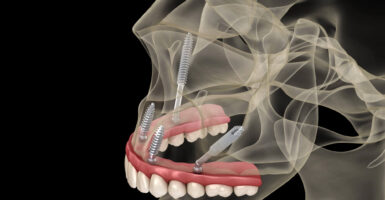
Unlike traditional dental implants that use metal posts inserted directly into the jaw bone, a subperiosteal implant consists of a custom made metal framework that rests on top of the underlying bone but beneath the gum tissue. This metal frame provides a stable foundation for prosthetic teeth or artificial teeth without requiring placement deep into the mandibular bone.
These alternative implant treatments are typically recommended in complex cases where there is not enough healthy bone for traditional implants and where bone grafting required procedures may not be ideal.
How Subperiosteal Dental Implants Work
To understand how dental implants work in this scenario, it’s important to look at the structure. Subperiosteal implants provide support by sitting above the jaw bone but under the gum line. Through advanced dental technology such as digital imaging and surgical guides, an experienced professional carefully plans implant positioning for a precise fit.
Custom fabrication ensures that the metal framework conforms to the contours of the patient’s jaw and underlying bone. Once healed, the implant supports replacement teeth and helps restore function for patients with missing teeth.
Advantages of Subperiosteal Implants
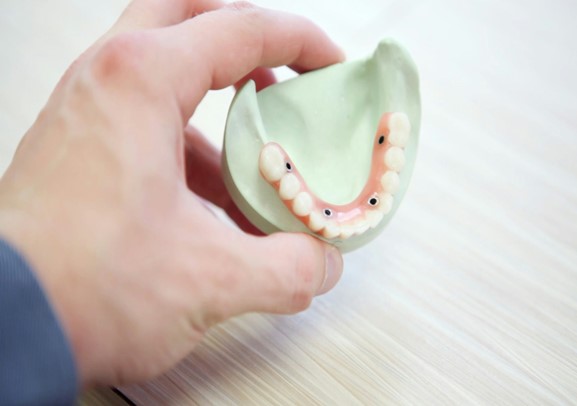
Subperiosteal implants provide a practical and efficient dental solution for individuals seeking natural-looking replacement teeth and restored oral function. In addition to improving appearance, they can support a healthier smile and enhance overall oral health.
Versatile and customizable
These dental implants are custom-designed to fit each patient’s unique oral anatomy. Through custom fabrication and digital imaging, the metal framework is created for a precise and tailored fit. This customized approach can improve comfort and promote long term stability for the implant.
No bone grafting required
One of the primary advantages is that bone grafting procedures are often not necessary. Because the implant sits on top of the jaw bone rather than being embedded within it, patients with severe bone or insufficient bone density may avoid extensive bone grafting required before placement. For individuals who do not have enough bone for endosteal implants, this can be a preferred option.
Stable foundation for teeth
Subperiosteal dental implants create a stable foundation for prosthetic teeth without relying on integration into healthy bone. This makes them beneficial in certain cases where severe bone loss prevents the use of traditional implants.
Easy care and maintenance
Once the healing process is complete, subperiosteal implants function similarly to natural teeth. With good oral hygiene, regular brushing, and proper care, patients can maintain their implant and surrounding gum tissue effectively. Patient compliance and consistent oral hygiene are essential to supporting long term success.
Disadvantages of Subperiosteal Implants
While subperiosteal implants can be a suitable option in certain circumstances, patients should understand the potential drawbacks before committing to this type of dental implant treatment.
Complex surgical procedure
Compared to traditional dental implants or endosteal implants, subperiosteal implants involve a more complex surgical procedure. The custom made metal framework must be carefully positioned between the gum tissue and the underlying bone. This form of oral surgery can be more invasive and may increase healing time. The healing process may take several weeks, and proper healing is critical to reduce complications.
Bone resorption and stability concerns
Because these implants do not integrate directly with the mandibular bone or zygomatic bone, they may not provide the same long term stability as traditional implants or zygomatic implants. In some cases, bone resorption may continue beneath the implant, potentially affecting durability and increasing the risk of implant failure.
Risk of infection
Since subperiosteal dental implants sit beneath the gum line, there is a potential risk of infection if bacteria infiltrate the implant site. The placement of the metal frame under the gum tissue may compromise the natural barrier if proper care is not maintained. This risk of infection is particularly concerning for patients with a history of periodontal disease or poor oral hygiene. Antimicrobial therapy and diligent aftercare can help reduce this risk.
Implant placement limitations
Not all patients are good candidates for subperiosteal implants. These implants are typically reserved for individuals with severe bone loss or insufficient bone density who cannot support traditional implants. A thorough dental implant consultation is necessary to determine if this is the most suitable option.
Limited long-term data
Although subperiosteal implants have been used for years, there is less long-term research compared to traditional dental implants. This makes it more challenging to predict performance over extended periods and evaluate long term success rates.
Cost considerations
The cost of subperiosteal dental implants may be higher than other dental solutions. The need for custom fabrication, detailed implant positioning, and a complex surgical procedure contributes to the investment. However, in cases where bone grafting procedures are extensive, this option may still be a viable alternative.
Modern Alternatives to Subperiosteal Implants
Advancements in dental implantology have introduced additional alternative implant treatments. Today, zygomatic implants and pterygoid implants offer less invasive options for patients with severe bone loss. These implants anchor into stronger areas of bone, sometimes eliminating the need for bone grafting.
In many situations, bone grafting can rebuild enough healthy bone to support traditional implants or enable full arch restoration. With modern dental technology and experienced professional care, even patients with significant bone loss may regain enough bone for a stable and lasting implant.
Choosing the Right Treatment Plan
Every patient’s jaw structure, gum tissue condition, and overall oral health are unique. Determining whether subperiosteal implants are the right dental restoration process requires a comprehensive dental implant consultation.
At 4M Dental Implant Center, we evaluate each patient’s jaw, bone structure, and underlying bone health to create a personalized treatment plan. Whether the best option involves traditional implants, subperiosteal implants, zygomatic implants, pterygoid implants, or arch restoration, our goal is to provide reliable replacement teeth that restore confidence and function.
With the right diagnosis, proper healing support, and commitment to good oral hygiene, patients can achieve a healthier smile and improved quality of life. If you are exploring solutions for missing teeth and want to understand your options, schedule a dental implant consultation with our team to determine the most suitable option for your needs.
At 4M Dental Implant Center, it’s important for us to educate our patients about all of their available options for missing teeth. The subperiosteal implant isn’t as commonly used today, considering advancements in bone grafting, more innovative implant types, and less invasive procedures like zygomatic implants and pterygoid implants, which also have shorter treatment times and healing periods. pterygoid implants, which are less invasive and have shorter treatment times.
Choosing 4M Dental Implant Center for High-Quality Dental Implants

The process of getting dental implants is a significant investment in both time and money, and it’s crucial to ensure you’re entrusting your oral health to a skilled and experienced professional. As a permanent solution to tooth loss, dental implant procedures require precision and attention to detail.
4M Dental Implant Center is led by a team of trustworthy dental professionals. We’re a comprehensive dental practice with decades of combined experience and multiple locations throughout Southern California and Las Vegas. Our full-service offices can do everything from general and sedation dentistry to cosmetic improvements and dental implant treatments. We’ll walk you through the best dental solutions for your oral health and discuss whether you’re a suitable candidate for subperiosteal implants or which other treatment option might be the best choice for you.
Our licensed professionals and implant dentists have seen and worked with many complex cases. With a focus on using the latest dental implant techniques and dental technology, we’re ready to provide you with durable and natural-looking implants that can significantly improve your quality of life. Schedule a dental implant consultation with us today at one of our California locations or our Las Vegas location and restore your confidence with a healthier smile.

Reader Interactions