If you’ve ever researched dental implants, you’ve probably come across a lot of conflicting information. Some of it sounds intimidating. Some of it sounds outdated. And some of it is simply not true.
Most of these misconceptions stem from general myths and fears about dentistry in general, which has advanced tremendously in the last few decades, in both pain-free procedures and success rates.
At 4M Dental Implant Center, implant care is led by experienced implant dentists and surgeons who focus exclusively on advanced dental implant procedures. With a 99.95% dental implant success rate, 4M’s approach reflects how far implant dentistry has evolved when planning, technology, and experience come together.
Having the facts behind common myths can help you make confident decisions about your care, starting with separating fear from reality.
Why Dental Implant Myths Still Exist
These dental implant misconceptions often come from old ideas about dental surgery, confusing comparisons to dentures, or stories passed down from a time before modern dental technology and sedation options existed.
Today’s dental implant process is far more advanced, precise, and patient-focused than many people realize.
At its core, implants are a proven solution for replacing missing teeth, designed to restore function, comfort, and long-term oral health. Modern implantology uses advanced materials, digital planning, and refined surgical techniques to make implant procedures more predictable than ever.
Despite this progress, myths still circulate and can cause unnecessary hesitation for patients considering tooth replacement.
Misconception #1: Dental Implants Are Extremely Painful
The Myth
Dental implant surgery is extremely painful and difficult to recover from.
The Facts
- The dental implant surgical procedure is performed using local anesthesia, and many patients also choose from several sedation options, such as general anesthesia, for added comfort during surgery.
- Most patients report that the implant procedure is far more comfortable than they expected, often comparable to routine dental surgery or tooth extractions.
- Modern implant technology, including 3D imaging, allows implant dentists to plan surgery with exceptional precision, reducing unnecessary trauma to surrounding tissue.
- Titanium implant posts are placed carefully into the jawbone using refined surgical techniques designed to support healing and long-term stability.
- When a bone graft or bone graft procedure is needed, it is planned in advance to strengthen the jawbone, not to make treatment more difficult. In many cases, bone graft surgery is minor and well-tolerated.
- Post-procedure discomfort is typically manageable with standard post-operative care instructions, pain medication, and follow-up dental check-ups.
- Advances in implant materials and surgical planning have significantly improved patient comfort throughout the dental implant process.
Rather than being a painful experience, oral surgery for implants is designed to be controlled, predictable, and focused on patient comfort. At 4M, every dental procedure is planned with care, using advanced imaging, modern materials, local or general anesthesia, and proven techniques to support smooth healing and successful outcomes.
Misconception #2: Dental Implants Are Only for Young or Perfectly Healthy Patients
H3: The Myth
You must be young and in perfect health to qualify for implants.
The Facts
- Dental implants are commonly placed for older adults, including patients who have experienced long-term tooth loss.
- Being a candidate for dental implants depends more on oral health, jawbone condition, and overall stability than on age alone.
- Many patients who previously wore snap-on dentures or dental bridges successfully transition to dental implant procedures later in life.
- Advanced diagnostic tools like 3D imaging allow implant dentists to evaluate bone density, spacing, and anatomy with exceptional accuracy.
- When necessary, bone grafting or a bone graft procedure can be used to rebuild the jawbone and improve candidacy for implants, and is not a barrier to treatment.
- Medical conditions do not automatically disqualify a patient; an individual implant evaluation is done in each case during consultations.
Modern implantology is built around personalization. Dental professionals assess the whole picture—jawbone health, bite alignment, dental history, and long-term goals—before recommending treatment. This is why thorough consultations and regular dental check-ups are so important when considering tooth replacement.
At 4M, advanced planning and experience allow many patients who were once told they were not candidates to explore safe, effective dental implant solutions, often with excellent long-term outcomes.
Misconception #3: Dentures Are Just as Good as Dental Implants
The Myth
Dentures provide the same function, comfort, and long-term benefits as dental implants.
The Facts
- Snap-on dentures rest on the gums, while implants are anchored directly into the jawbone.
- Dentures do not prevent jawbone shrinkage after tooth loss, while implant-supported solutions help reduce bone deterioration by stimulating the jawbone through a natural process called osseointegration, which supports long-term bone health.
- Implant-supported bridges are fixed in place, offering greater stability when eating and speaking.
- Implants function more like a natural tooth root, providing support that traditional dentures cannot replicate.
- Implant materials such as titanium are biocompatible and designed to integrate with bone, creating a stable foundation for a full set of functional teeth.
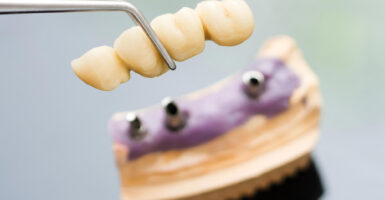
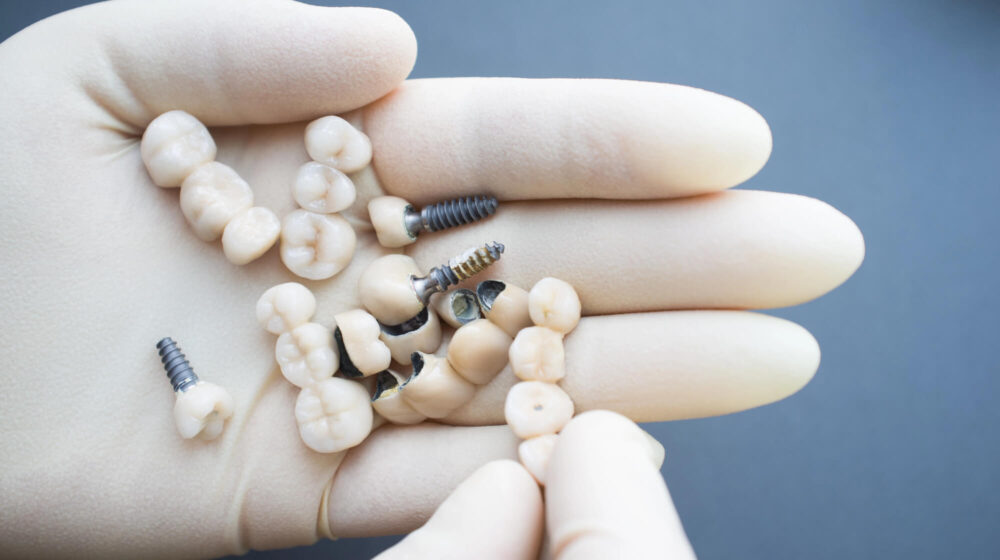
- Restorations placed on implants may include porcelain or ceramic crowns or bridges, designed for strength and natural appearance.
- Many patients find implant-supported tooth replacement more comfortable and secure than removable dentures over time.
While dentures can be helpful for some patients, they do not address the underlying bone loss that occurs after missing teeth. Dental implant procedures focus on long-term oral health by replacing both the tooth and its root, which is a key difference in how these solutions perform over time.
Choosing between dentures and implants is a personal decision, and the right option depends on your goals, anatomy, and dental history. An experienced dental implant dentist can help explain these differences clearly during a consultation, so you can choose the solution that best supports your lifestyle and long-term health.

Misconception #4: Dental Implants Look Fake or Unnatural
The Myth
Dental implants look artificial and don’t resemble natural teeth.
The Facts
- Implants are designed to replace the structure of a natural tooth, starting with a titanium implant that functions like a tooth root.
- The visible portion of the tooth replacement, the implant-supported dental crown, is custom-designed to match the patient’s smile, facial features, and bite by using porcelain or ceramic materials for a natural appearance.
- Porcelain-over-metal crowns, such as those made with titanium and milled PMMA, may be used in certain cases to balance strength and aesthetics.
- Implant-supported bridges are fixed in place, eliminating movement that can make dentures look or feel unnatural.
- Advanced 3D imaging allows implant dentists to plan placement with precision, supporting symmetry and proper alignment.
- Modern implant dentistry focuses on function first, which naturally leads to better aesthetics over time.
While the implant itself is hidden beneath the gumline, the restoration placed on top is crafted to blend seamlessly with surrounding teeth. Implant technology has evolved significantly, allowing implant dentists to create results that feel stable, look natural, and function comfortably during everyday activities like eating and speaking.
At 4M, careful planning, advanced materials, and experience all work together to support natural-looking outcomes that complement each patient’s smile, without drawing attention to the dental work itself.
Schedule Your Free Consultation
Misconception #5: Dental Implants Have a Low Success Rate
The Myth
Implants frequently fail and are unreliable long-term.
The Facts
Nothing can be further from the truth.
- Dental implants are one of the most studied and predictable procedures in modern dentistry.
- Titanium implant materials are biocompatible and designed to integrate with the jawbone through osseointegration.
- When placed properly, an artificial tooth creates a strong, stable foundation for long-term tooth replacement.
- Success depends on planning, surgical techniques, and proper aftercare, not on chance.
- Advanced diagnostics, such as 3D imaging, help surgeons place implants with accuracy and consistency.
- Supporting procedures, such as bone grafting, are used strategically to enhance implant stability when necessary.
- Regular dental check-ups play an important role in maintaining implant health over time.
At 4M Dental Implant Center, dental implant procedures are planned and performed with a focus on consistency and long-term results. Their reported implant success rate of 99.95% across implant patients reflects the importance of experience, modern implant technology, and careful case selection.
While no dental procedure is right for everyone, implant failure is extremely rare, and implant surgery remains one of the most reliable tooth replacement solutions available when performed by experienced implant dentists using proven materials and techniques.
Misconception #6: Dental Implants Are Too Expensive to Be Worth It
The Myth
Dental implants cost too much and are not a practical option for most patients.
The Facts
- Implants are designed as a long-term solution for tooth replacement, not a short-term fix.
- Unlike dentures or traditional bridges, implants are placed into the jawbone and do not rely on neighboring teeth for support.
- Implant-supported solutions offer long-term value and often last significantly longer than other dental procedures when properly cared for.
- Dental implants help preserve jawbone health, which can reduce the need for future bone graft surgery or additional dental treatments.
- The dental implant process may reduce long-term costs by avoiding repeated repairs, relines, or replacements.
- Modern implant technology and materials such as titanium are engineered for durability and long-term stability.
- Many patients actually view implants as a cost-effective investment in oral health, function, and quality of life.
While the upfront cost of implant oral surgery may be higher than some alternatives, implants are built to address the root cause of tooth loss.
An experienced implant dentist can explain how treatment options compare over time during consultations, helping patients understand the full value, not just the initial cost, of implant-based tooth replacement.
Misconception #7: Dental Implants Require Endless, Complicated Procedures
The Myth
The dental implant process takes years and requires too many surgeries and appointments.
The Facts
Absolutely not. Advances in implantology have streamlined most dental implant procedures, and now they typically take only a few months.
- Modern dental surgery planning uses 3D imaging to map implant placement before surgery even begins.
- Many implant procedures are completed in carefully coordinated stages rather than drawn-out, unpredictable steps.
- Implant dentists use refined surgical techniques to minimize treatment time while maintaining accuracy and safety.
- Supporting procedures, such as bone grafting or a bone graft procedure, are planned in advance when needed.
- Procedures like the Smile in 24 hours from 4M allow patients to walk into the dental practice without implants and walk out with a full set of functional artificial teeth on the same day (after initial consultation and imaging).
- Clear communication during consultations helps patients understand their timeline before treatment begins.
Today’s dental implant process is highly organized and guided by digital planning tools. By using advanced imaging and proven surgical techniques, implant dentists can anticipate challenges and plan procedures efficiently, reducing surprises along the way.
At 4M Dental Implant Center, implant procedures are approached with structure and precision, allowing patients to move through treatment with clarity and confidence.
From the initial consultation to follow-up dental check-ups, each step is designed to support predictable outcomes and long-term success.

How the Dental Implant Process Actually Works
Many dental implant misconceptions stem from not understanding how the dental implant process works. While every patient’s treatment plan is unique, the overall steps are straightforward and carefully planned.
Step-by-Step Overview of the Dental Implant Process
- A consultation and dental check-up are performed to review oral health, medical history, and goals.
- Advanced 3D imaging is used to evaluate jawbone structure, spacing, and bone density.
- A dental implant dentist or implant surgeon creates a personalized treatment plan tailored to each patient’s specific needs.
- If needed, a bone graft or bone graft procedure may be performed to strengthen the jawbone.
- Titanium implants are placed into the jawbone using precise surgical techniques.
- Over time, the implant integrates with the bone through a natural process called osseointegration.
- Once healing is complete, a custom crown or implant-supported bridge is attached to restore function and appearance.
Modern implantology relies on advanced implant technology, biocompatible implant materials, and digital planning tools to make each dental procedure as predictable as possible. These innovations allow implant dentists to place implants accurately while protecting surrounding tissue and bone.
Why Accurate Information Matters for Your Oral Health
Believing myths about dental implants can delay treatment and negatively affect long-term oral health. Tooth loss is not just a cosmetic issue, as it can impact how your jawbone functions, how you eat, and how surrounding teeth shift over time.
How Misinformation Can Impact Long-Term Health
- Delaying tooth replacement can lead to jawbone deterioration.
- Bone loss may increase the need for future bone graft surgery.
- Shifting teeth can affect bite alignment and chewing comfort.
- Poor oral health can make future dental procedures more complex.
- Skipping regular dental check-ups may allow small issues to grow larger.
Accurate information helps patients manage their dental anxiety and make decisions that support both immediate comfort and long-term stability. Dental implants are designed to address the root cause of tooth loss, not just the visible gap.
The Importance of a Personalized Implant Consultation
No two smiles are the same, and no two dental implant cases should be treated the same way. That’s why dental implants are never a one-size-fits-all solution for replacing missing teeth. A personalized implant consultation is one of the most important steps in the entire process, because it lays the foundation for safe planning, predictable outcomes, and long-term success in implant dentistry and oral health.
At 4M Dental Implant Center, implant consultations are designed to be thorough, educational, and patient-focused, helping patients make an informed decision about tooth replacement and long-term oral health.
What Happens During a Personalized 4M Implant Consultation
-
A detailed review of dental and medical history to understand tooth loss, missing teeth, gum disease, existing teeth, adjacent teeth, and overall health factors.
-
A one-on-one conversation about goals, expectations, and concerns related to dental implants, dental implant surgery, implant procedure planning, and restorative dentistry.
-
Advanced evaluation using dental technology and 3D imaging to assess jawbone structure, bone density, spacing, facial structure, and anatomy to support artificial tooth roots.
-
Careful assessment of whether necessary preparatory procedures or preparatory procedures such as bone grafting may be beneficial to support titanium posts and long-term implant stability.
-
A clear explanation of the recommended dental implant procedure, how modern dental implants work, and what to expect at each stage of implant surgery, including local anesthesia and recovery expectations.
-
Discussion of implant materials, including titanium implants, artificial teeth, and restorations designed to match natural teeth for a natural appearance.
-
A personalized overview of timelines, treatment phases, insurance coverage, insurance plans, financing options, upfront costs, and next steps without pressure or rushed decisions.
This personalized approach plays a key role in 4M’s reported 99.95% dental implant success rate. These consultations are led by experienced implant dentists who focus specifically on dental implant procedures rather than general cosmetic dentistry or other tooth replacement options like dentures.
The goal is not just to determine candidacy, but to create a treatment plan tailored to the patient’s anatomy, comfort, and long-term investment in improved oral health.
Replacing Fear with Facts About Dental Implants
Ready to Take the Next Step?
If you are considering dental implants as a solution for missing teeth or exploring different tooth replacement options, the best place to start is with a consultation at a trusted dental clinic.
-
Learn whether you’re a candidate for dental implants
-
Get clear answers about dental implant procedures, necessary preparatory procedures, timelines, and proper care for long-term success
-
Explore cost effective solution options, insurance coverage, financing options, and how dental implants support improved oral health
Schedule an appointment with 4M Dental Implant Center to speak with an experienced oral surgeon and dental team. Together, you can take the first step toward restoring comfort, function, and confidence with implants designed to look, feel, and function like a natural tooth while supporting lifelong oral health.
Schedule Your Free Consultation