
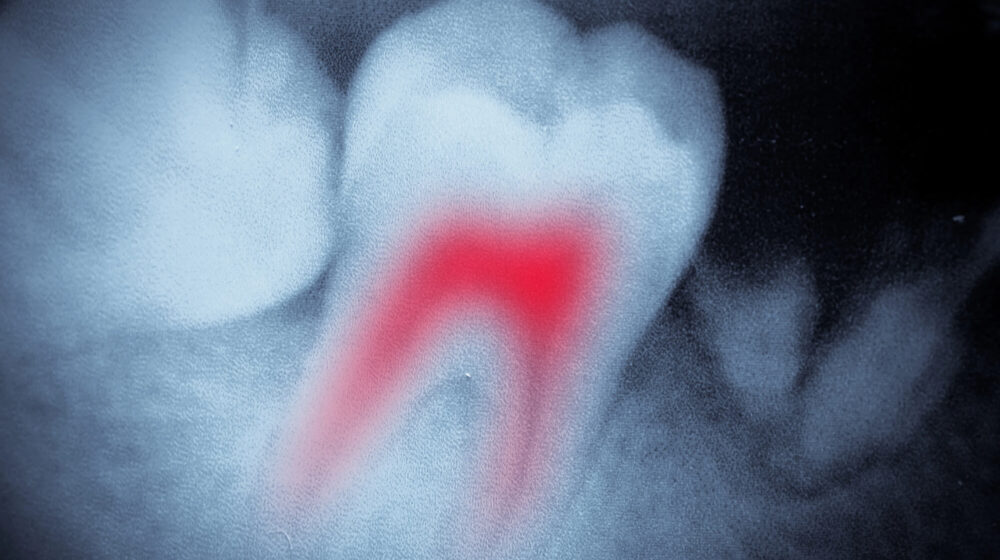
Dental implant surgery is a transformative dental procedure that restores function, aesthetics, and confidence in your smile. However, like any surgical intervention, it comes with a normal occurrence of post-surgery discomfort. While some level of implant pain is expected, proper aftercare and effective pain management strategies can ensure a smooth recovery.
We’ve prepared this quick guide to give you some practical ways to manage post-operative dental implant pain and ensure a smoother recovery following your dental implant procedure at 4M Dental Implant Center.
Full Mouth Dental Implants: What Are They?
At 4M Dental Implant Center, we specialize in Full Mouth or All-on-X dental implants, an advanced tooth implant solution and holistic approach that replaces missing teeth with a long-term solution that mimics natural teeth. This beneficial procedure allows patients to regain full dental function and a healthy smile with minimal recovery time compared to traditional complex procedures.
What to Expect: Post-Surgery Recovery Timeline
After undergoing dental implant oral surgery, it’s essential to understand what to expect during the recovery period. Healing times can vary based on individual circumstances, the complexity of the procedure, and your adherence to aftercare instructions.
Let’s go through the typical post-surgical procedure recovery timeline to help you navigate the process and manage any discomfort effectively.
Immediate Effects (First 24-48 Hours)
- Mild discomfort, swelling, and tenderness are normal occurrences in the first few days after surgery.
- Minor bleeding around the metal healing abutment is common but should gradually subside.
- You may experience jaw stiffness, throbbing pain, and tightness around the surgical site.
- Keep a gauze pad over the bleeding wound to absorb excess blood and eliminate risk of infection.
- Avoid touching, rinsing, and spitting in the first 24 hours.
First Week: Managing Swelling & Discomfort
- Swelling peaks at 48 hours and subsides over the next few days.
- Bruising may appear but will fade over time.
- Stick to a soft food diet, avoiding chewy foods, crunchy foods, and hard foods.
- Use a cold compress for pain relief (apply for 15-20 minutes, then rest).
- Avoid physical activities or strenuous activities that put pressure on the jaw.
Beyond the First Week: Adjusting to Healing
- Post-surgical discomfort should significantly decrease.
- Gradual improvement in bite strength and comfort.
- Continue monitoring for persistent pain or signs of implant infections.

Pain Management at Home: Practical Tips
Managing dental implant pain effectively after dental implant surgery is crucial for a smooth recovery. After an implant procedure, most patients experience mild pain, mild tenderness, or temporary pressure sensitivity—especially as the local anesthesia wears off within the first 72 hours. With the right strategies and home remedies, you can alleviate discomfort, support healing, and avoid worrying that something is wrong with your recovery. These techniques help many patients feel pain less intensely and navigate the early healing phase with confidence.
Cold Compress for Swelling Relief
Cold packs applied for 10–15 minutes at a time can significantly reduce swelling and postoperative pain. This helps minimize pain at the implant site, decreases inflammation, and provides relief during peak soreness after implant placement.
This simple step also helps control discomfort after a sinus lift, tooth extraction, or bone grafts involved in your implant surgery.
Rest and Elevation
Keeping your head elevated with pillows helps reduce swelling and pressure sensitivity as your body heals.
Avoid bending over, heavy lifting, or strenuous activities that could trigger worsening pain, slight bleeding, or discomfort near neighboring teeth and nearby teeth. Rest allows the titanium post and surrounding bone to begin the process called osseointegration, which is key for long term success.
Oral Hygiene Without Irritation
Proper oral hygiene is essential—even while avoiding irritation of the implant site:
-
Rinse gently with warm salt water (a teaspoon of salt in plenty of water).
-
Avoid direct brushing or normal brushing directly on the surgical area during the first few days.
-
Use an antiseptic mouthwash if recommended to help reduce bacteria and protect gum health.
Maintaining cleanliness reduces the risk of peri implant disease, infection, or bad taste caused by trapped debris or poor oral hygiene.
Soft Food Diet Recommendations
In the early postoperative pain stage, stick to soft foods:
-
Mashed potatoes, yogurt, oatmeal, smoothies
-
Avoid hard foods, spicy foods, and crunchy foods that could irritate the implant site
Soft foods protect the area, reduce the chance of implant movement, and prevent sharp pain or inflammation. Hydration is also important for supporting healing after surgery and minimizing discomfort.
Medications & Remedies for Dental Implant Pain
Over-the-Counter Pain Relievers
OTC pain medications like ibuprofen or acetaminophen can help minimize pain and relieve temporary discomfort after dental implants. These medications help manage postoperative pain as anesthesia wears off. Always follow dosage instructions and avoid exceeding recommended limits.
Prescription Medications
Some patients experience pain that requires stronger prescribed painkillers. If your dentist prescribes pain medications for more severe pain, take them exactly as directed to ensure proper care and avoid complications.
Natural & Home Remedies
Saltwater rinses can soothe the implant site and reduce inflammation. Chamomile tea compresses are another natural remedy that many patients report helps decrease swelling.
Avoid alcohol-based rinses or clove oil, as these can worsen irritation or delay healing.
Schedule Your Free Consultation
When to Contact Your Dentist: Signs of Potential Complications
Most soreness during the first few days is normal, but certain symptoms may signal complications like implant failure, nerve irritation, peri implant disease, or bone loss.
What’s Normal vs. Not?
Normal signs may include mild pain, mild tenderness, persistent swelling that improves gradually, or slight bleeding when brushing.
However, symptoms such as throbbing sharp pain, foul taste, bad taste, worsening pain, or severe pain unrelieved by medication require prompt evaluation.
Signs That Require a Call to the Dentist
Contact your dentist immediately if you notice:
-
Intense throbbing pain that worsens after the first few days
-
Excessive bleeding that doesn’t stop with pressure
-
Signs of infection: pus, fever, persistent swelling, foul taste
-
Loose implant or implant movement
-
Difficulty biting down or new pressure sensitivity
-
Numbness that doesn’t improve as numbness wears off
-
A sudden change in gum health or inflammation around the titanium post
Ignoring these symptoms may affect nearby teeth, natural teeth, or the underlying bone.
Emergency Steps If Something Feels Wrong
-
Keep the area clean with saltwater rinses and an antiseptic mouthwash
-
Avoid chewing on the implant site
-
If symptoms persist, seek professional attention right away
Early intervention protects the implant, surrounding bone, and the final restoration needed to replace missing teeth.
Conclusion: A Smooth Recovery for a Lasting Smile
Experiencing discomfort after implant surgery is normal, and most patients experience only temporary pain as the body heals. With proper care, rest, and the right pain control routine, you can enjoy a smooth recovery and move toward a confident smile.
If you feel pressure, persistent swelling, or symptoms that concern you—or if you experience pain beyond normal healing—reach out to 4M Dental Implant Center for prompt evaluation. Your dentist will ensure your implant procedure is on track and help guide you toward long-term success.
Contact us today for expert care and personalized recovery support.





Reader Interactions