Tooth loss affects more than just your smile. Missing teeth can impact chewing function, speech, facial structure, and long-term oral health. For many patients, dentures have long been the default solution. While a denture can restore appearance to some degree, it often falls short when it comes to stability, comfort, and preserving the jawbone.
Modern cosmetic dentistry now offers more advanced options for smile restoration, including implant-supported bridges. These solutions combine the strength of dental implants with durable dental materials to create a fixed, secure alternative to traditional dentures and even snap-on denture systems.
Unlike removable dentures, implant bridges are anchored to titanium posts placed in the jawbone. This connection allows the restoration to function more like natural teeth, improving dental function, chewing efficiency, and overall confidence. For patients missing a single tooth or several teeth in a row—but not an entire arch—these implant bridges can be an excellent middle ground between a full denture and individual dental implants.
Read on and learn how these options differ is the first step in choosing a treatment that supports long-term dental health, oral hygiene, and quality of life.
What Are Implant-Supported Bridges?
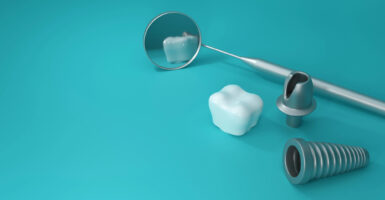
An implant-supported bridge is a type of dental bridge that replaces multiple missing teeth in a row by anchoring artificial teeth to dental implants rather than relying on adjacent natural teeth. Instead of using traditional bridges that depend on dental crowns cemented onto surrounding teeth, implant-supported bridges are secured to implants placed directly into the jawbone.
These implants act as artificial tooth roots. Once placed by an experienced dental surgeon or implant dentist, titanium posts undergo a natural fusion process known as osseointegration. During this process, the titanium surface bonds with the surrounding bone, creating exceptional implant stability.
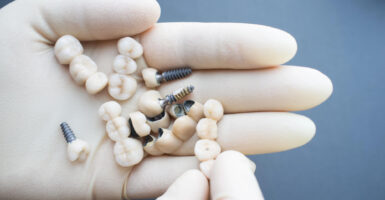
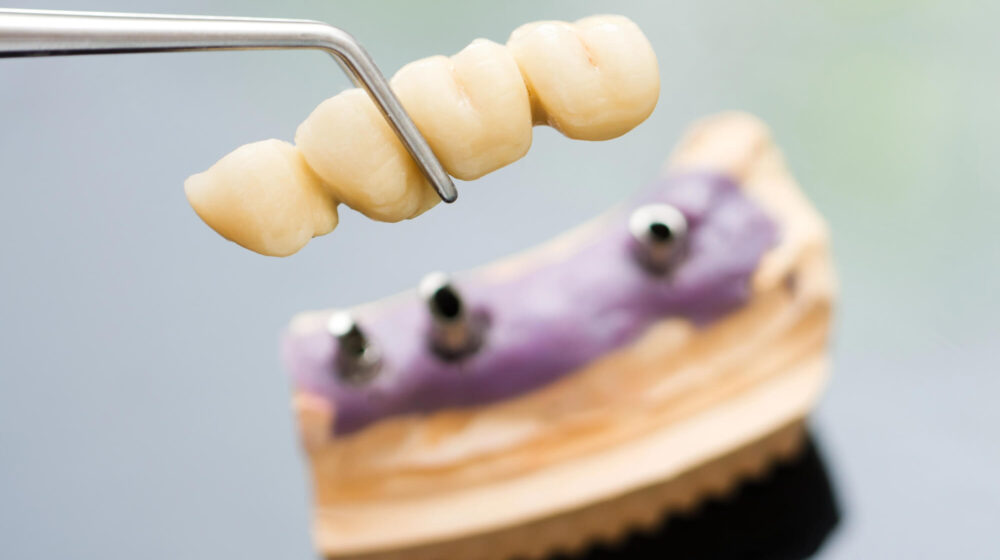
The bridge itself is made from durable materials such as porcelain or ceramic and is custom-crafted in a dental laboratory to match your smile, bite, and facial structure. Dental crowns within the bridge are connected using abutments, which serve as the link between the implants and the restoration. The final result is a fixed implant bridge that looks natural and feels secure.
Implant dental bridges are especially effective when several teeth are missing in a row, and can be a cost-effective solution compared to other solutions.
How the Implant-Supported Bridge Procedure Works
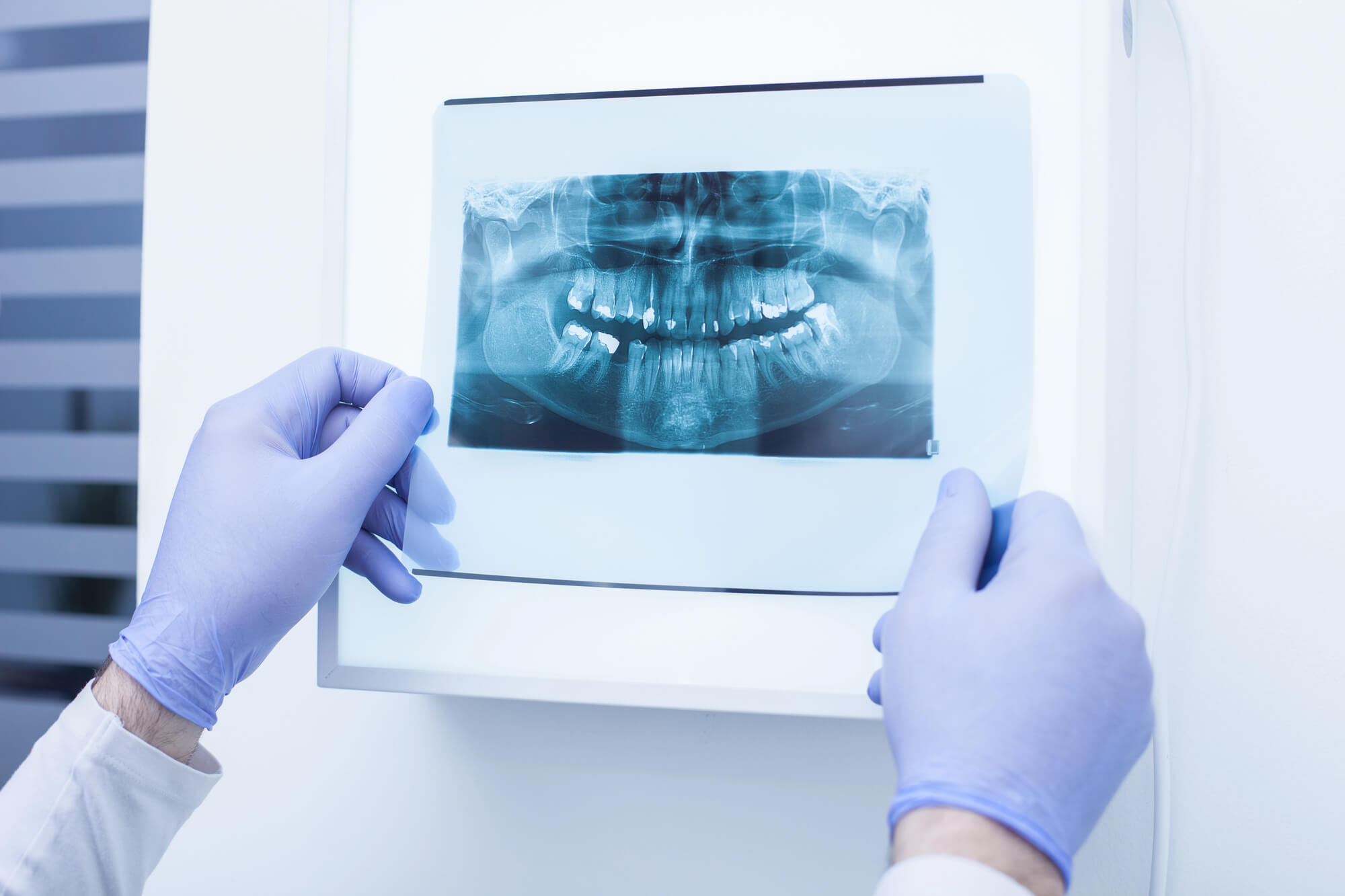
The dental bridge procedure begins with a thorough evaluation and personalized treatment plan. This includes dental scans, x-rays, and sometimes dental impressions or implant impressions to assess bone density, jaw alignment, and overall oral health.
- Titanium posts are placed into the jawbone using local anesthesia for comfort.
- If bone density is insufficient, a graft may be recommended to strengthen the area and support implant stability.
- A healing period follows, allowing the implant fusion process to occur through osseointegration.
- Once healed, abutments are attached to the implants.
- The custom implant-supported bridge is created by a dental lab using precise dental materials.
- The bridge is secured using dental cement or other precision attachment techniques.
Throughout this process, careful planning helps protect surrounding tissues, support oral hygiene, and minimize the risk of complications related to bone loss or periodontal diseases. Because implant-supported bridges do not rely on adjacent teeth, healthy natural teeth remain untouched, unlike traditional bridges.
With proper dental care routines, including brushing, flossing, and tools like a water flosser, implant bridges can provide long-lasting dental function and a confident smile.
Implant-Supported Bridges vs. Dentures
For many patients comparing a denture to an implant-supported bridge, the biggest differences come down to stability, comfort, and long-term oral health. While dentures can restore appearance, they often fall short in function and durability, especially when multiple teeth are missing.
Stability
- Dentures rest on the gums and rely on suction or adhesives, which can lead to movement while eating or speaking.
- Implant-supported bridges are fixed in place, anchored to titanium posts in the jawbone for superior implant stability.
Chewing Function
- A fixed implant bridge restores stronger chewing function, allowing patients to enjoy a wider range of foods.
- Because implant-supported bridges do not shift, they help maintain clearer speech and greater confidence.
Daily Comfort
- Unlike a removable denture, implant-supported bridges feel more like natural teeth and become part of everyday dental function. This level of stability is especially important for patients concerned about slipping dentures or uneven pressure on the gums during daily activities.
Jawbone Health
- Dentures do not stimulate the jaw bone, which can lead to bone loss over time.
- The implant fusion process in implant bridges allows the titanium surface to bond with the jawbone and preserve bone density, supporting long-term oral health.
Facial Structure
- Bone loss from snap-on dentures may affect facial structure, causing a sunken or aged appearance.
- Implant bridges help preserve bone density and also help maintain proper bite alignment and facial support.
Durability
- Fixed implant bridges are made from durable materials such as Zirconia or porcelain, which are designed to handle everyday chewing forces.
- Because the bridge is secured with abutments, it does not shift or loosen during normal dental function.
Implant-Supported Bridges vs. Implant-Supported Dentures: The Key Difference
Although both solutions use dental implants, implant-supported bridges and implant-supported dentures serve different purposes depending on the extent of tooth loss.
What Implant-Supported Bridges Are Designed to Replace
- Implant-supported bridges replace several missing teeth in a row.
- They are fixed restorations and cannot be removed by the patient.
- Bridges are ideal when healthy bone and spacing allow for implant placement to support multiple artificial teeth.
- Adjacent natural teeth remain untouched, unlike traditional bridges that rely on dental crowns placed over neighboring teeth.
This makes implant-supported bridges a strong option for patients seeking a permanent, cost-effective solution without compromising surrounding natural teeth.
What Implant-Supported Dentures Are Designed to Replace
- Implant-supported dentures are used when an entire arch of teeth is missing.
- They typically attach to implants but remain removable for cleaning.
- A denture may be recommended when extensive tooth loss has already occurred.
- Implant-supported dentures improve stability compared to traditional dentures but do not function exactly like fixed teeth.
While both options improve dental health and chewing function, implant-supported bridges are best suited for partial tooth loss, while implant-supported dentures address full-arch restoration needs.
Schedule Your Free Consultation
Oral Health Benefits of Implant-Supported Bridges
Implant-supported bridges do more than restore missing teeth; they actively support long-term oral health by protecting surrounding structures and preserving the jawbone.
Key oral health benefits include:
- Protection of adjacent natural teeth: Traditional bridges rely on adjacent teeth for support, which requires reshaping healthy teeth to place dental crowns. Implant-supported bridges do not depend on surrounding teeth, allowing natural teeth to remain untouched and structurally intact.
- Preservation of natural tooth enamel: By avoiding the need to alter adjacent teeth, implant-supported bridges help preserve enamel and reduce unnecessary wear on otherwise healthy teeth.
- Reduced risk of future dental problems: Eliminating stress on neighboring teeth lowers the likelihood of decay, sensitivity, or structural failure over time.
- Jawbone stimulation through osseointegration: When teeth are lost, the jawbone no longer receives stimulation, which can lead to gradual bone loss. Dental implants stimulate the jawbone through osseointegration, helping maintain bone density.
- Prevention of facial changes: Preserving bone density supports facial contours and helps prevent the sunken appearance often associated with long-term tooth loss.
- Improved bite alignment and oral stability: Strong bone support contributes to proper bite alignment, balanced chewing forces, and overall implant stability.
- Long-term oral health and implant success: Implant bridges address both tooth replacement and bone preservation, resulting in lasting oral health rather than simply covering gaps left by missing teeth.
Cost Considerations and Long-Term Value
When comparing tooth replacement options, cost is often one of the first concerns patients raise. While implant-supported bridges may have a higher upfront investment than a traditional denture or conventional dental bridge, their long-term value is an important part of the conversation.
Upfront Cost vs. Long-Term Cost-Effectiveness
- Implant-supported bridges typically cost more initially due to the placement of dental implants, custom fabrication, and advanced planning and design.
- However, unlike dentures, implant-supported bridges are not expected to be replaced every few years.
- Traditional bridges may need replacement due to wear, decay around crowns, or failure of adjacent teeth.
- Implant-supported bridges often reduce the need for future dental procedures related to bone loss or shifting teeth.
- Many patients view implant-supported bridges as cost-effective solutions when evaluating durability, longevity, and reduced maintenance over time.
Patients often avoid recurring expenses associated with denture relines, adhesives, or frequent replacements when they invest in a stable foundation supported by implants.
Who Is a Good Candidate for an Implant-Supported Bridge?
Implant dental bridges are not a one-size-fits-all solution, but they are an excellent option for many patients with partial tooth loss.
Common Candidacy Factors
- Missing several teeth in a row, but not an entire arch
- Sufficient jawbone structure or the ability to support implants with grafting if needed
- Good overall oral health and commitment to oral hygiene
- Healthy gums and controlled periodontal diseases
- Non-smokers or patients willing to stop smoking during the healing period
- A desire for a fixed, non-removable restoration
Smoking, poor oral hygiene, or untreated gum disease can affect healing and implant stability, which is why candidacy is carefully evaluated during consultations.
Maintenance and Daily Care for Implant-Supported Bridges
Although implant-supported bridges are fixed restorations, they still require consistent dental care routines to maintain oral health and long-term success.
Daily Oral Hygiene Practices
- Brush twice daily using a soft-bristle toothbrush
- Clean around the bridge and abutments thoroughly
- Use a water flosser to help remove debris beneath the bridge
- Maintain regular dental cleanings and checkups
- Follow personalized oral hygiene recommendations from your dental team
Implant-supported bridges cannot develop cavities, but the surrounding gum tissue still requires care to prevent inflammation and infection.
Why Personalized Treatment Planning at 4M Matters
Every implant-supported bridge at 4M Dental Implant Center begins with a personalized treatment plan designed around the patient’s anatomy, goals, and long-term dental health.
What Makes 4M’s Approach Different
- Advanced dental scans and X-rays for precise planning
- Detailed evaluation of bone density, bite alignment, and spacing
- Collaboration between implant dentists and the dental laboratory
- Custom restorations crafted in a dedicated dental lab for accuracy and quality
- Focus on implant stability, durability, and long-term outcomes
The process allows 4M to create implant-supported bridges that are designed to function comfortably and predictably for years to come.
Implant-Supported Bridges as a Confident Step Forward
Ready to Explore Your Options?
The best way to determine whether an implant-supported bridge is right for you is through a personalized consultation.
At 4M Dental Implant Center, experienced implant dentists evaluate your oral health, review imaging, and create a treatment plan tailored to your needs.
Schedule your consultation today and take the next step toward a stronger, more confident smile that is built to last.