Many people around the world believe a beautiful smile is only about vanity and not health or function, which is why a “cosmetic” dentist will not be their first thought when looking for dental health solutions.
However, despite the term, a cosmetic dentist can indeed be your go-to professional for transforming not just your smile but your entire outlook on life by addressing dental issues that affect your confidence, comfort, and oral health.
Offering an impressive array of treatments, from dazzling teeth whitening and stunning veneers to precise gum reshaping and robust dental implants, cosmetic dentistry is all about enhancing the appearance and functionality of your teeth. You don’t have to settle for just one or the other.
Given that the range of services can differ between dental practices, it’s crucial to know exactly what a cosmetic dentist can do for you, how these procedures work, and the life-changing results you can look forward to.
In this guide, we’ll delve into the role of a cosmetic dentist, explore common procedures, discuss costs, and illustrate how cosmetic dentistry has the power to transform your smile and boost your self-esteem.
What Is a Cosmetic Dentist?
A cosmetic dentist is a licensed dental professional who focuses on improving a patient’s teeth, gums, and smile while protecting long-term oral health. Just like a general dentist, a cosmetic dentist completes dental school and receives comprehensive training in diagnosing and treating dental issues. The difference lies in advanced training, experience, and emphasis on aesthetic outcomes.
Cosmetic dentistry is designed to address a wide range of concerns that affect how a smile looks and how a patient feels about it, including:
- Discolored or stained teeth
- Chipped, cracked, or worn enamel
- Gaps or unevenly shaped teeth
- Misshapen teeth or visible old fillings
- Uneven or excessive gum tissue
- Gum recession or irregular gum lines
- Missing teeth affecting the smile balance
While these concerns might appear cosmetic in nature at first, they often have a deeper impact, such as:
- Reduced self-confidence
- Lower self-esteem
- Hesitant to smile, speak, or even socialize.
Unlike routine dental care that focuses primarily on preventing cavities, gum disease, and pain, cosmetic dentistry strives to blend aesthetics with function.
A cosmetic dentist evaluates factors such as:
- Tooth proportion
- Symmetry
- Gum contours
- Jaw structure
And others to create natural-looking, balanced results that complement facial features.
Modern cosmetic dentistry also relies on advanced planning tools to improve accuracy and predictability, including:
- Digital imaging to evaluate teeth, gums, and bite
- Digital smile design software to preview potential results
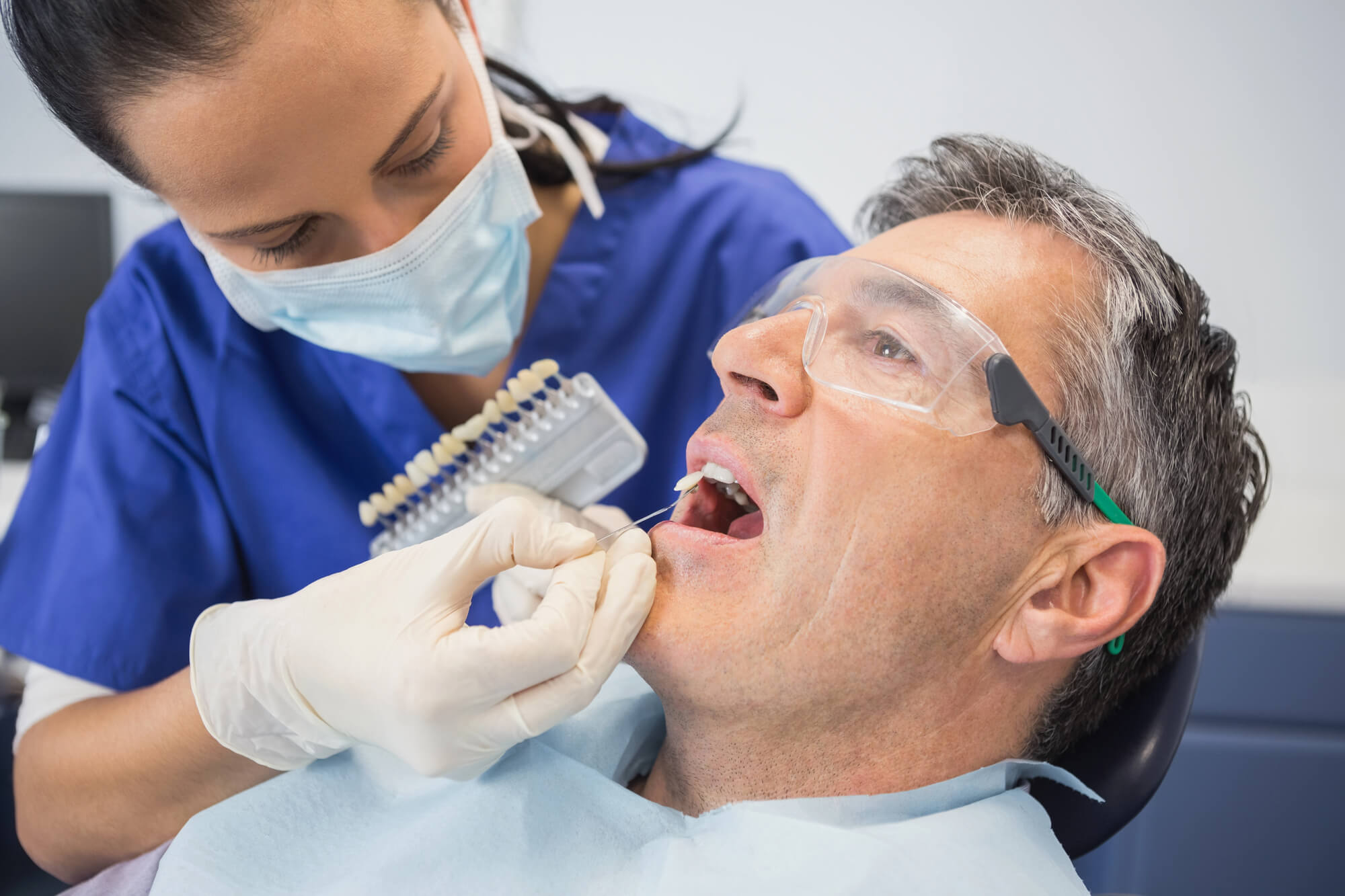
- Professional shade guides to ensure natural color matching
Cosmetic dentistry builds on general dentistry rather than replacing it.
Before cosmetic treatments begin, cosmetic dentists often address underlying dental issues such as cavities, gum disease, dentin hypersensitivity, or structural damage.
The ultimate goal is not just a better-looking smile, but one that functions properly, feels comfortable, and supports long-term oral health.
Schedule Your Free Consultation
What Does a Cosmetic Dentist Do?
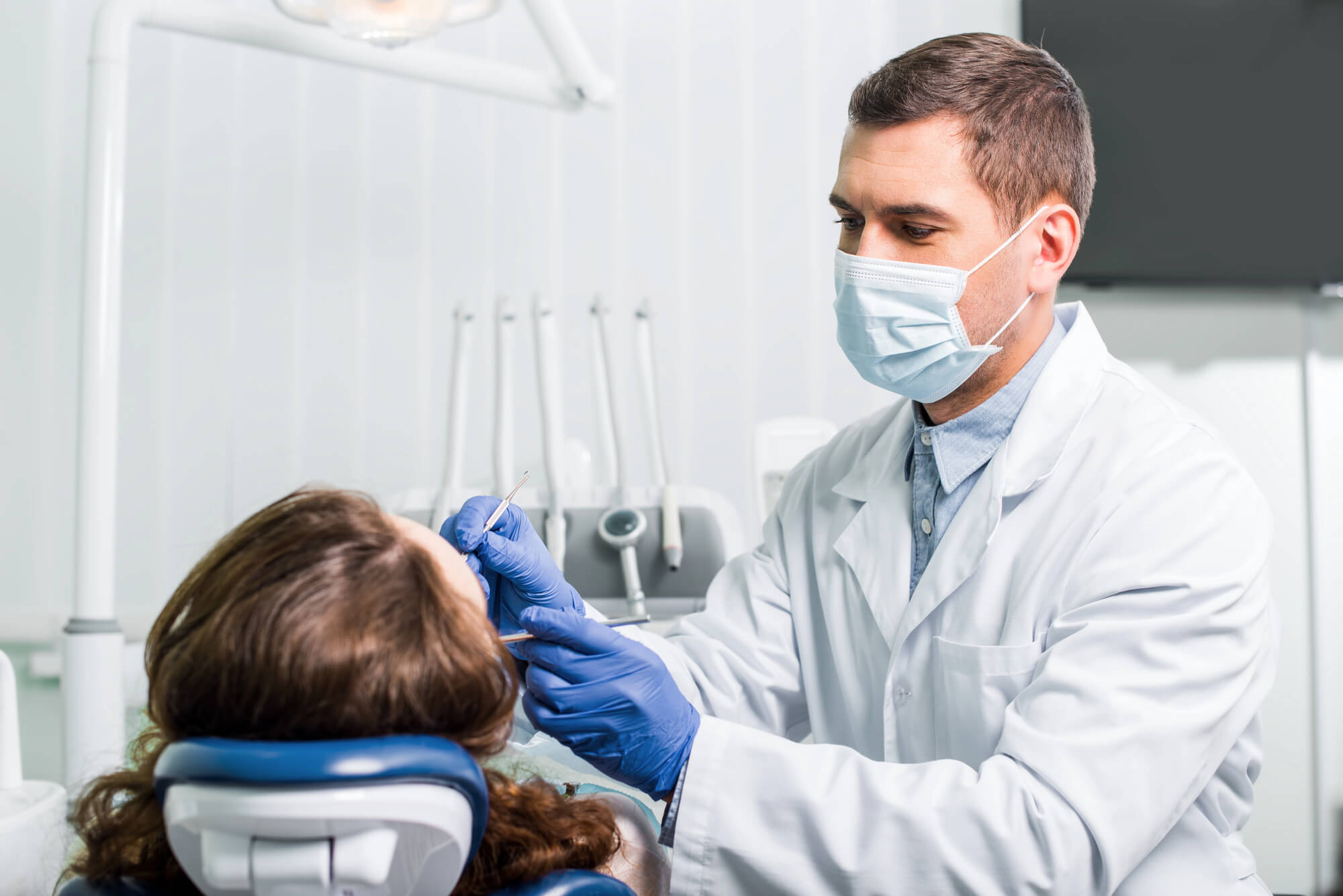
A cosmetic dentist evaluates, plans, and performs treatments designed to improve both the appearance and function of a patient’s smile. Each case begins with a detailed consultation at the dental office, where the dentist reviews dental history, existing dental issues, and the patient’s personal goals for their smile.
Using advanced diagnostic tools, a cosmetic dentist can preview potential results and design a treatment plan tailored to the patient’s facial features, teeth, and gum tissue.
Core Responsibilities of a Cosmetic Dentist
A cosmetic dentist typically focuses on:
- Evaluating teeth, gums, enamel wear, bite alignment, and jaw structure
- Identifying aesthetic concerns such as cracks, chips, uneven teeth, discoloration, or worn enamel
- Assessing gum tissue for recession, inflammation, or uneven contours
- Treating underlying issues like cavities, gum disease, and dentin hypersensitivity before cosmetic work
- Designing personalized smile improvement plans using digital tools and shade guides
Performing Cosmetic Dental Treatments
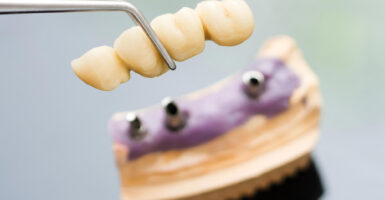
Depending on the patient’s needs, a cosmetic dentist may perform or coordinate treatments such as teeth whitening to remove stains and brighten enamel, porcelain veneers to improve the shape and color of teeth, and even dental implants using titanium posts and zirconia bridges, like those at 4M.
Supporting the Patient Experience
Beyond technical procedures, a cosmetic dentist plays an important role in patient education and emotional well-being.
- They help patients understand their options
- Set realistic expectations based on each case.
- Ensure they feel confident throughout the process.
Successful cosmetic dentistry often leads to strong patient testimonials, as improved smiles frequently bring stress relief, increased confidence, and renewed self-esteem.
Common Cosmetic Dental Procedures
Cosmetic dentistry includes a wide range of treatments designed to improve the appearance, balance, and function of a patient’s smile. A cosmetic dentist selects procedures based on tooth condition, gum tissue health, jaw structure, and the patient’s cosmetic goals.
Many treatments can be combined as part of a smile makeover for more comprehensive results.
Teeth Whitening
Teeth whitening is one of the most common cosmetic dental procedures and is designed to brighten discolored or stained teeth.
- Removes stains caused by coffee, tea, wine, tobacco, and aging
- Targets discoloration in the enamel without damaging tooth structure
- Professional whitening performed by a dentist delivers more consistent results than over-the-counter products
- Shade guides are used to measure and track whitening progress
Professional teeth whitening is often recommended before veneers, crowns, or bonding to ensure consistent color matching across the smile.
Dental Bonding and Teeth Contouring
Dental bonding uses composite resin or bonding resin to repair minor cosmetic flaws and reshape teeth.
- Repairs chips, cracks, and small gaps
- Covers discoloration or uneven edges
- Uses a tooth-colored composite resin sculpted directly onto the tooth
Teeth contouring and enamel shaping may be performed alongside bonding to smooth uneven edges or subtly improve tooth proportions.
Dental Veneers (Porcelain & Bonded Veneers)
Dental veneers are thin shells placed over the front of teeth to improve shape, color, and symmetry.
- Porcelain veneers and bonded veneers are custom-designed for each patient
- Lab-crafted for precise fit, color, and translucency
- Correct issues such as discoloration, cracks, gaps, and uneven teeth
- Bonded securely, sometimes with dental cement for long-term durability
Porcelain veneers are known for their strength, stain resistance, and natural appearance, making them a popular option for smile makeovers.
Crowns and Cosmetic Restorations
Crowns restore damaged or weakened teeth while improving appearance.
- Ceramic crowns provide natural-looking results for visible teeth
- Zirconia crowns may be used in areas requiring additional strength
- Protect teeth affected by cavities, cracks, or old fillings
- Improve bite function and tooth structure
Crowns are often used in combination with veneers, bonding, or dental implants to complete a balanced smile.
Gum Contouring, Gum Reshaping, and Crown Lengthening
Cosmetic dentistry can also focus on the appearance of the gums, not just the teeth.
- Gum contouring surgery and gum reshaping remove excess gum tissue to create a more even gum line.
- Crown lengthening exposes more of the natural tooth for better proportions
- Improves symmetry and smile balance
Healthy gum tissue plays a critical role in both cosmetics and oral health.
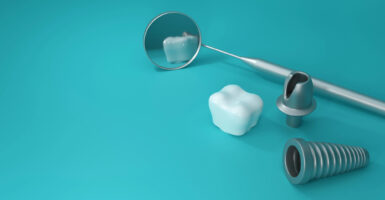
Dental Implants
Dental implants replace missing teeth using a stable, long-lasting foundation.
- Titanium screws are placed into the jawbone to act as artificial tooth roots.
- Implants support crowns, bridges, or full-arch restorations
- Preserve jaw structure and prevent bone loss
- Restore chewing ability and smile appearance
Dental implants, like 4M’s Forever Smile and Smile in 24, are considered both a cosmetic and functional solution, especially for patients missing one or more teeth.
How Cosmetic Dentistry Improves Confidence & Oral Health
Cosmetic dentistry is about more than improving how teeth look, as many cosmetic dental issues are linked to deeper dental problems that affect comfort, health, and quality of life.
Boosting Confidence and Self-Esteem
A healthy, attractive smile can significantly improve emotional well-being.
- Patients often report increased self-confidence and self-esteem
- Smiling feels more natural and comfortable
- Reduced anxiety in social and professional situations
- Positive feedback and patient testimonials reinforce emotional benefits
Cosmetic dentistry can provide stress relief for patients who have spent years hiding their smile or feeling embarrassed by their teeth.
Supporting Long-Term Oral Health
Many cosmetic procedures also address underlying dental issues.
- Repairing cracks and chips helps prevent cavities
- Replacing missing teeth with dental implants supports the jaw structure
- Restoring damaged enamel reduces dentin hypersensitivity
- Treating gum issues lowers the risk of gum disease
Improving Function and Comfort
Cosmetic dental treatments often improve daily function.
- Better bite alignment reduces uneven wear on teeth
- Restored teeth improve chewing and speech
- Proper gum contours make oral hygiene easier
- Balanced restorations reduce strain on the jaw
When teeth, gums, and jaw structure work together properly, patients experience greater comfort and confidence in everyday life.
Cosmetic Dentistry at 4M Dental Implant Center
The foundation of cosmetic dentistry at 4M Dental Implant Center is to create smiles that look natural, function properly, and last. While many dental offices focus on surface-level cosmetic improvements, 4M approaches cosmetic dentistry as a balance between aesthetics, oral health, and long-term durability.
At 4M, cosmetic dentists evaluate more than just teeth.
Each patient’s gum tissue, jaw structure, bite alignment, and facial proportions are carefully assessed to ensure cosmetic treatments enhance both appearance and function.
Advanced tools allow the dental team to plan treatments with precision and preview results before care begins.
What distinguishes cosmetic dental services at 4M includes:
- A comprehensive approach that integrates cosmetic, restorative, and implant dentistry
- Use of lab-crafted restorations for accuracy and longevity
- Advanced materials, such as titanium implant-supported restorations
- High-quality and custom-made porcelain veneers
- A focus on predictable outcomes reinforced by planning technology and experience
Cosmetic treatments at 4M are never one-size-fits-all. Each treatment plan is customized to the patient’s dental health, cosmetic goals, and long-term needs, ensuring results that feel as good as they look.
How Much Does a Cosmetic Dentist Cost?
The cost of cosmetic dentistry varies widely based on the type of treatment, materials used, and the complexity of the case. A cosmetic dentist develops pricing based on the patient’s specific needs rather than a standard, one-size-fits-all fee.
Several factors influence cosmetic dentistry costs, including:
- The type of procedure, such as teeth whitening, veneers, crowns, or dental implants
- The number of teeth being treated
- Materials used, such as composite resin, porcelain veneers, ceramic crowns, or implant components
- Whether treatments are combined as part of a smile makeover
- The level of planning and customization involved
Because cosmetic dentistry is highly individualized, the best way to understand cost is through a consultation.
During this visit, the cosmetic dentist reviews dental health, discusses goals, and outlines treatment options to help patients make informed decisions about their care.
Schedule Your Free Consultation
How to Choose the Right Cosmetic Dentist
Choosing the right cosmetic dentist is one of the most important steps in achieving a successful, long-lasting smile transformation. Because cosmetic dentistry combines health, aesthetics, and precision, experience and approach matter.
When evaluating a cosmetic dentist, consider the following key factors:
Step 1 — Verify Education and Clinical Training
- Completion of an accredited dental school
- Ongoing education in cosmetic and restorative dentistry
- Advanced training beyond general dentistry
A strong educational foundation ensures the dentist can safely address both cosmetic goals and underlying dental issues.
Step 2 — Review Experience With Cosmetic Procedures
- Hands-on experience with veneers, crowns, dental implants, and bonding
- Familiarity with gum contouring, crown lengthening, and smile makeovers
- Ability to treat complex dental issues, not just minor cosmetic concerns
Experience improves predictability, especially when combining multiple procedures.
Step 3 — Evaluate Technology and Planning Tools
- Use of digital imaging and digital smile design software
- Lab-crafted restorations for precision and consistency
Modern technology allows patients to preview results, reducing guesswork.
Step 4 — Assess Treatment Philosophy
- Focus on both aesthetics and oral health
- Willingness to treat cavities, gum disease, or bite issues before cosmetic work
- Emphasis on long-term durability, not short-term fixes
The best cosmetic dentists prioritize function, comfort, and longevity.
Step 5 — Look for Patient Feedback and Testimonials
- Patient testimonials describing real experiences
- Before-and-after results demonstrating consistency
- Evidence of improved confidence and quality of life
Positive feedback often reflects trust, communication, and successful outcomes.
Is a Cosmetic Dentist Right for You?
A cosmetic dentist may be the right choice if you’re unhappy with the appearance of your smile or if dental issues are affecting your confidence, comfort, or daily life. Cosmetic dentistry is suitable for a wide range of patients, from those seeking subtle improvements to those needing full smile rehabilitation.
You may benefit from seeing a cosmetic dentist if you experience:
- Discolored or stained teeth that don’t respond to basic whitening
- Chipped, cracked, or worn teeth
- Gaps or uneven spacing between teeth
- Uneven gum lines or excess gum tissue
- Missing teeth impacting function or appearance
- Reduced self-confidence when smiling or speaking
A consultation allows the cosmetic dentist to evaluate your teeth, gums, and jaw structure, discuss your goals, and recommend options tailored to your needs.
Start Your Smile Transformation with a Cosmetic Dentist from 4M Dental Implant Center
A cosmetic dentist does far more than improve how teeth look. Cosmetic dentistry can be life-changing, especially when treatment is guided by experience, precision, and a patient-first approach.
With advanced training, modern technology, and personalized planning at their disposal, 4M’s cosmetic dentists can deliver results that support both appearance and oral health.
From improving cosmetics to restoring function, the right cosmetic dentist helps patients move forward with confidence and clarity.
Discover the freedom to eat, smile, and live with confidence: start your 4M journey now.