Dental problems don’t simply affect your teeth or function.
If left untreated, they can quietly shape how you feel about yourself, how you interact with others, and how confident you feel in daily life. For many patients, issues like cavities, yellowing teeth, missing teeth, or a chip in teeth go far beyond oral health concerns and begin to take an emotional toll.
Smiling is one of the most natural forms of human connection. When someone feels uncomfortable with their smile, it can influence social interactions, create social barriers, and even lead to social anxiety or reduced social participation. Over time, dental problems and self-esteem often become closely linked, especially when oral health issues affect appearance, speech, or comfort.
Modern dentistry increasingly recognizes that dental health and mental health are connected. Dentists, orthodontists, and other licensed professionals treat patients whose confidence, self-image, and quality of life may be affected by unresolved dental problems.
We hope that, through this guide, many will learn about the important link between oral health and emotional well-being and take their first step toward addressing both.
Why So Many People Wonder If Their Teeth Affect Their Confidence
Many patients sense that their teeth affect how they feel, even if they can’t immediately explain why.
- Because Smiling is Socializing: A smile plays a central role in communication, first impressions, and professional interactions. When dental problems interfere with smiling naturally, people often begin to withdraw from social activities without realizing it.
- Personal Body Image Issues: Dental issues such as overcrowded teeth, self-perceived malocclusion, discoloration, or tooth loss can quietly undermine self-confidence. Even problems that seem minor, like a visible cavity or uneven enamel, may feel amplified to the person experiencing them.
- Childhood Trauma: For some patients, these concerns begin in childhood. Children and teens with noticeable dental issues may experience teasing or embarrassment that carries into adulthood.
- Adulthood Stress and Anxiety: Adults themselves may feel frustration or shame about delayed dental care due to dental insurance limitations, past experiences, or socioeconomic status.
Over time, dental problems and psychological health become intertwined, reinforcing avoidance of dental visits and social situations alike.
The Link Between Oral Health and Mental Health
Research and clinical experience increasingly show that oral health and mental health influence one another.
- Poor Oral Health Takes An Emotional Toll: Living with ongoing dental problems can contribute to emotional distress, lowered self-esteem, and reduced confidence.
- Emotional Toll Worsens Dental Hygiene: At the same time, mental health challenges may make it harder for patients to maintain consistent oral hygiene habits or attend regular dental visits.
Studies examining dental aesthetics and psychosocial outcomes often use self-report scales and psychometric scales to measure confidence and well-being.
Tools such as the Rosenberg Self-Esteem Scale, the Satisfaction with Life Scale, and the Scale of Positive and Negative Experience are commonly referenced in systematic reviews with regard to the psychological impact of dental health.
Instruments like the Psychosocial Impact of Dental Aesthetics Questionnaire (PIDAQ)’s Dental Self-Confidence Scale have helped quantify how dental appearance affects emotional health, social functioning, and self-perception.
And they all confirm that dental health issues such as cavities, tooth loss, self-perceived malocclusion, or visible enamel damage can affect how individuals view themselves, even when physical pain is minimal. This connection highlights why dental care is not purely cosmetic or functional, but also deeply personal and psychological.
Schedule Your Free Consultation
How Dental Problems Can Impact Self-Esteem and Confidence
Over time, dental problems can reshape how patients see themselves, interact with others, and feel in social and professional environments. Even when oral health issues are not painful, their visibility and persistence can influence self-esteem and emotional well-being.
Hiding Your Smile and Avoiding Social Interactions
One of the most common behavioral changes associated with dental problems is avoiding smiling, which leads to:
- Avoiding smiling in photos or video calls
- Limiting public speaking
- Speaking less or covering the mouth while talking
- Declining invitations or opportunities that involve close interaction
What starts as a small adjustment to cover concerns about teeth, such as yellowing teeth, missing teeth, or a chip in teeth, can create social barriers.
People may then withdraw from group settings, hesitate to meet new people, or feel uncomfortable in close conversations. Over time, reduced smiling and social participation can weaken self-confidence and reinforce feelings of isolation.
Feeling Judged or Self-Conscious in Public and Professional Settings
Many patients worry that others are judging them based on their smile. This fear may be rooted in visible dental problems like overcrowded teeth, noticeable cavities, or tooth loss. In professional settings, where confidence and communication matter, dental concerns can feel especially limiting.
Self-perceived malocclusion or aesthetic concerns may lead patients to believe they appear less capable, less polished, or less trustworthy, even when this perception isn’t shared by others. This internalized self-judgment can heighten social anxiety and reduce willingness to speak up, smile, or engage fully at work or in social environments.
The Emotional Toll of Ongoing Dental Concerns
Living with unresolved dental issues can create ongoing emotional strain. Patients may feel frustration, embarrassment, or guilt about delayed dental care, especially if barriers like dental insurance, cost, or past negative experiences played a role.
Over time, this emotional toll can contribute to lowered self-esteem and increased stress. For some individuals, particularly those managing conditions such as ADHD or other dental health disorders that make consistent oral hygiene habits more difficult, the cycle of avoidance and self-criticism can be especially challenging.
Dental Problems Can Even Change Personalities Over Time
As concerns persist, patients may unconsciously adjust how they live, communicate, and participate in the world around them.
Because these changes can reduce social participation and reinforce social anxiety over time, patients may come to see these limitations as part of their identity rather than a response to treatable dental problems.
The good news is that these patterns are not permanent. Addressing dental problems through appropriate dental care, cosmetic dentistry, orthodontic treatment, or restorative solutions can interrupt this cycle and help patients re-engage socially with greater ease and confidence.
Common Dental Problems That Affect Confidence
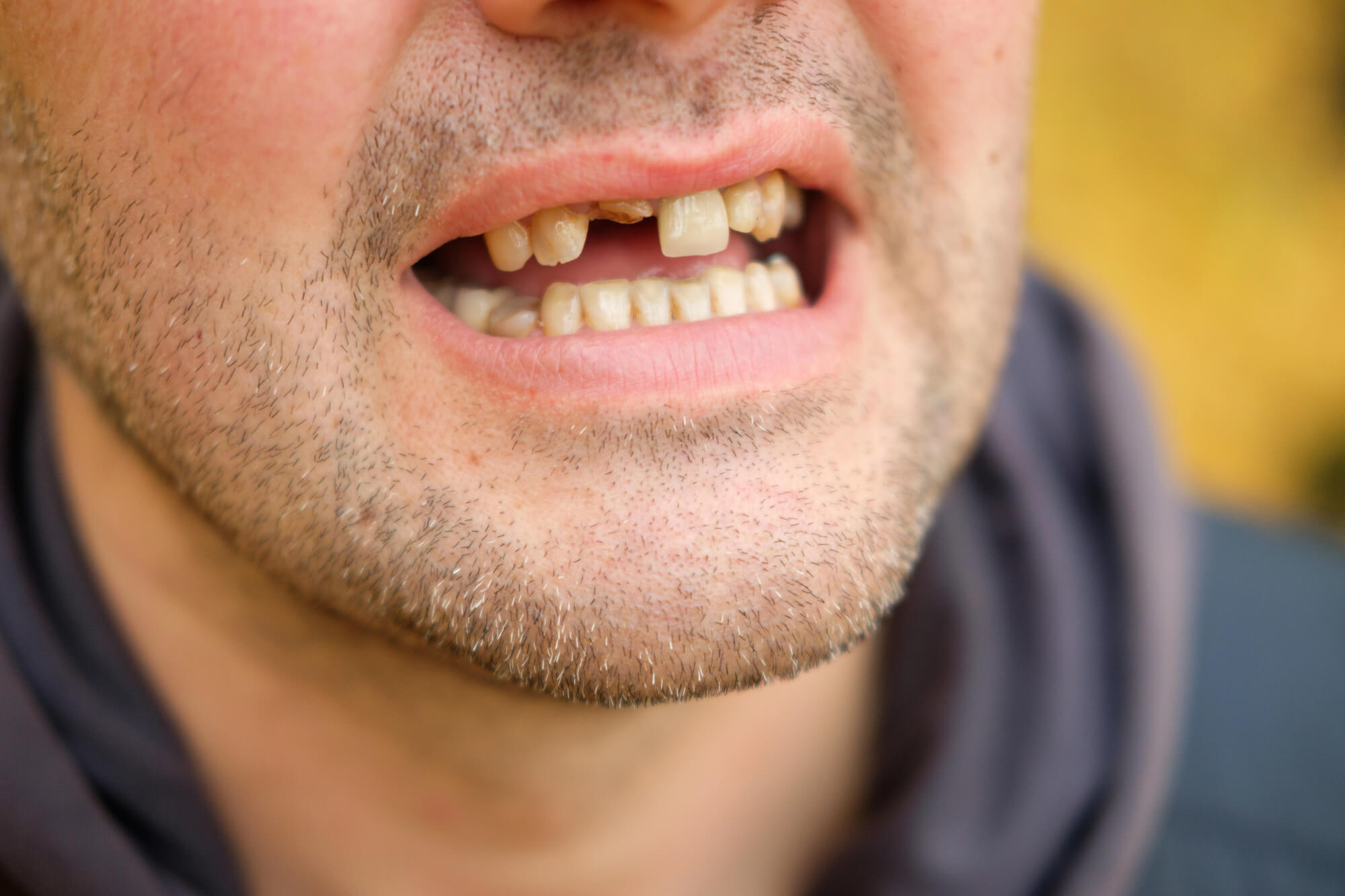
While each patient’s experience is unique, certain dental problems are more likely to affect confidence and self-image. These issues often combine functional concerns with visible changes that influence how patients feel about their smile.
- Visible Cavities: Cavities and untreated decay are common dental health issues that can affect both appearance and comfort. When cavities become visible, patients may feel embarrassed or worry that others will notice. Fear of judgment can lead some people to delay dental visits, allowing problems to worsen.
- Advanced Decay: More serious and visible decay may require dental procedures such as fillings or root canals. While these treatments restore oral health, anxiety around treatment can further impact mental health if care is postponed.
- Tooth Loss: Tooth loss can significantly affect self-confidence. Missing teeth alter smile aesthetics, speech, and chewing, often making patients feel older or less confident than they did before. Even a single missing tooth can disrupt how a person smiles or speaks in social interactions. Solutions such as dental implants, dentures, or implant-supported restorations can help restore both function and appearance. Addressing tooth loss often brings emotional relief alongside physical improvement.
- Overcrowded or Misaligned Teeth: Overcrowded teeth, alignment issues, and even self-perceived malocclusion are frequent sources of self-consciousness. Many adults carry orthodontic concerns from childhood into later life, believing it is “too late” to address them. Orthodontics has evolved significantly, and options like clear aligners make orthodontic treatment more accessible and discreet. Orthodontists and referral offices frequently work with general dentists to improve teeth alignment, bite function, and confidence at any age.
- Discoloration: Yellowing teeth or uneven coloration can affect how comfortable patients feel smiling. Stains may result from enamel wear, diet, oral hygiene habits, or aging. Teeth whitening and cosmetic dentistry treatments can improve aesthetics, but a dental professional should first evaluate enamel health and underlying issues. When discoloration is addressed safely, many patients report increased confidence and comfort in social and professional settings.
Why Many Patients Delay Treatment — Even When Confidence Suffers
Even when dental problems affect self-esteem and mental health, many patients delay treatment for years. This delay is rarely due to a lack of awareness. More often, it comes down to a combination of emotional, financial, and practical barriers that make taking the first step feel overwhelming.
The most common reasons patients postpone dental care include:
- Fear and dental anxiety: Past negative dental visits, fear of dental procedures, or uncertainty about pain and outcomes can make scheduling an appointment feel intimidating. For some patients, anxiety alone is enough to delay care indefinitely.
- Embarrassment or fear of judgment: Many patients worry about being judged by a dentist or dental professionals for the condition of their teeth, oral hygiene habits, or how long they have waited to seek care. This embarrassment can prevent open communication and discourage dental visits.
- Cost and dental insurance concerns: Uncertainty about dental insurance coverage, out-of-pocket costs, or treatment affordability is a major barrier. Even patients who value dental care may delay treatment if financial details feel unclear or stressful.
- Time and access challenges: Busy schedules, difficulty taking time off work, or limited access to a referral office or oral specialists can make routine dental visits harder to prioritize, especially when symptoms are not severe.
- Socioeconomic factors: Socioeconomic status can influence when and how consistently patients receive dental care. Limited access to preventive dentistry often leads to more advanced problems later, which can further increase avoidance.
- Mental health challenges and attention-related conditions: Conditions such as anxiety, depression, or ADHD can make it harder to maintain routine dental visits or follow long-term treatment plans. For some individuals, avoidance becomes a coping mechanism that reduces short-term stress but worsens dental health over time.
When dental care is delayed, both oral health and emotional well-being often decline together. Patients need to know these barriers to recognize that hesitation is common and support-focused care can make a meaningful difference, and not to assign blame.
How Addressing Dental Problems Can Improve Confidence and Well-Being
Taking action to address dental problems often brings relief long before treatment is complete. Simply understanding what is happening and having a clear plan can ease anxiety and restore a sense of control.
When dental care addresses both function and aesthetics, patients frequently report:
- Increased self-confidence
- Greater comfort smiling and speaking
- Reduced social anxiety
- Improved willingness to engage in social interactions
- Eating with more ease and better function
- Removal of long-standing social barriers that quietly limit participation in relationships, work, or community life.
Importantly, addressing dental problems doesn’t mean pursuing perfection. It means restoring a balance between health, appearance, and emotional comfort.
Dental professionals who treat dental health concerns with appropriate dental procedures, cosmetic dentistry, orthodontics, or restorative care help patients improve not only their smiles but also their confidence and mental well-being.
Treatment Options That Can Restore Confidence
Modern dentistry offers a wide range of options to address dental problems that affect self-esteem. Treatment plans are personalized based on oral health, goals, comfort level, and long-term needs.
Preventive and General Dental Care
For many patients, improving confidence begins with basic dental care. Treating cavities, addressing gum health, and reinforcing oral hygiene habits can make a noticeable difference in comfort and appearance.
Regular dental visits, professional cleanings, and guidance on brushing techniques, mouthwashes, and enamel protection help stabilize dental health and prevent future problems. Establishing trust with a dentist or dental care team is often the foundation for long-term confidence.
Orthodontics and Alignment Solutions
Orthodontic treatment plays a key role in both aesthetics and function. Crooked or overcrowded teeth can affect self-esteem, bite comfort, and oral hygiene.
Orthodontists now offer multiple options, including clear aligners, which allow patients to discreetly improve their teeth alignment. Orthodontics can also address bite issues that contribute to uneven enamel wear or jaw discomfort, supporting both dental health and confidence.
Cosmetic Dentistry and Smile Enhancement
Cosmetic dentistry focuses on improving the appearance of teeth while maintaining oral health. Treatments may include teeth whitening, bonding, veneers, or reshaping to address discoloration, chips, or uneven teeth.
When cosmetic procedures are chosen thoughtfully and performed by experienced dental professionals, they can significantly improve how patients feel about their smile without compromising long-term dental health.
Dental Implants and Solutions for Missing Teeth
Tooth loss can have a profound impact on confidence and daily function. Dental implants provide a stable, natural-looking solution that restores both appearance and comfort. Unlike removable options, implants help preserve bone structure and support long-term oral health.
For patients who are not fixed implant candidates, alternatives such as dentures or implant-supported removable restorations may still offer meaningful improvements in confidence and quality of life. Denture specialists and oral specialists often collaborate with general dentists to ensure the best outcome for each patient.
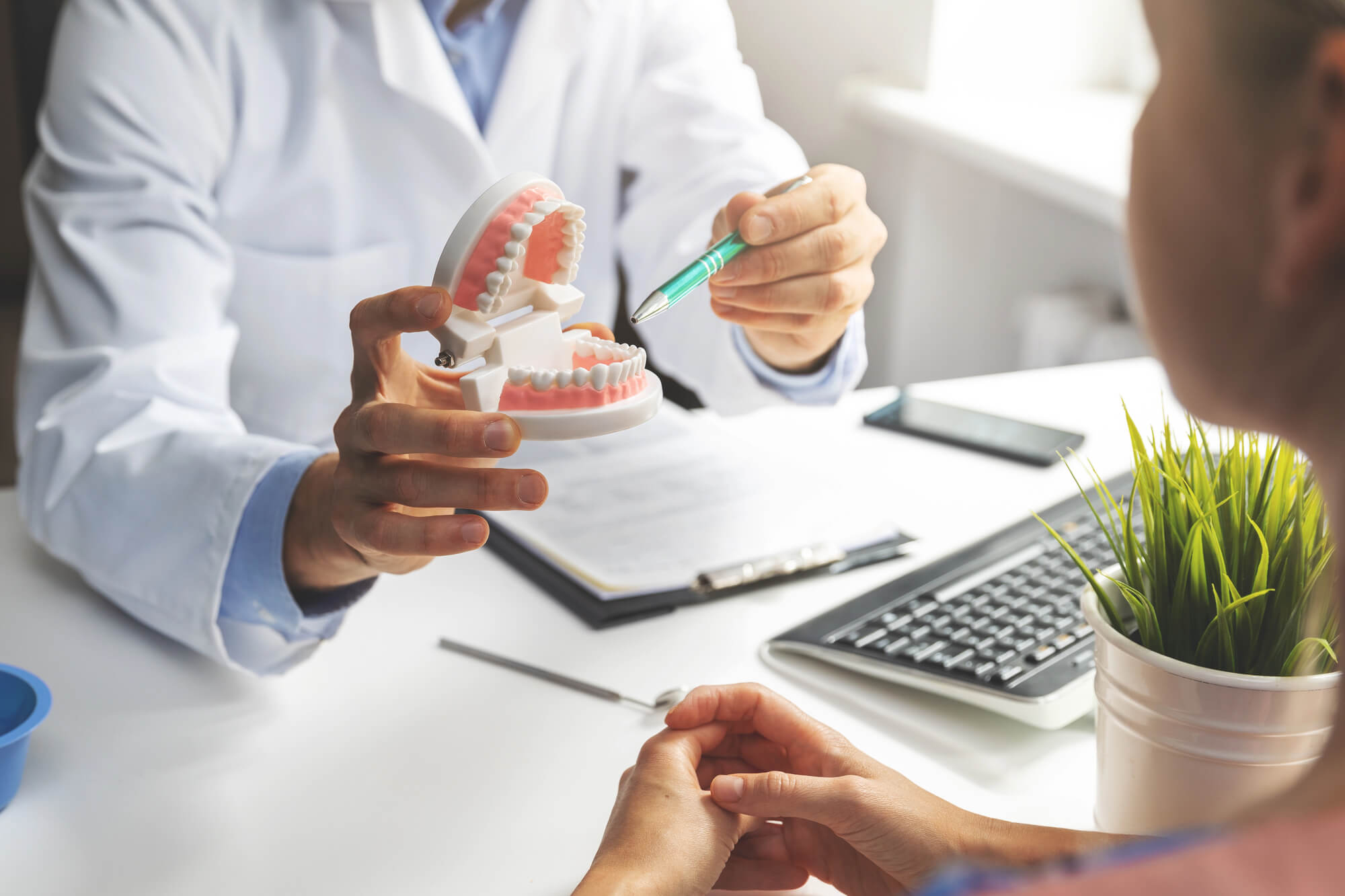
How 4M Dental Implant Center Supports Both Smile and Confidence
At 4M Dental Implant Center, dental care is approached as more than a series of procedures. Every patient is seen as a whole person, someone whose oral health, confidence, and emotional well-being are closely connected.
From the first dental visit, the focus is on understanding how dental problems may be affecting daily life, comfort, and self-confidence. Patients often arrive feeling unsure, embarrassed, or overwhelmed. The role of the dental care team is to create clarity, not pressure, and to provide support at every stage of care.
Comprehensive evaluations at 4M assess:
- Oral health and dental health stability
- Teeth, enamel condition, and gum support
- Bite alignment and functional concerns
- Aesthetic goals and personal comfort
Using modern diagnostic tools and digital technology, dental professionals identify both visible and hidden concerns. When needed, care is coordinated with orthodontists, oral specialists, or denture specialists to ensure each patient receives the most appropriate treatment.
Whether care involves preventive dentistry, orthodontics, cosmetic dentistry, dental implants, or restorative solutions, the goal remains the same: help patients feel comfortable smiling again and confident moving forward.
You’re Not Shallow: Dental Problems and Self-Esteem Are Connected
In conclusion, let’s keep several things clear:
- Worrying about your smile does not make you “vain” or “superficial.”
- Dental problems and self-esteem are deeply connected because a smile plays such an important role in communication, relationships, and how people see themselves.
- Research supported by systematic reviews and self-report scales examining quality of life, mental health, and social participation consistently shows that dental appearance can influence emotional health, confidence, and social behavior.
- Feeling uncomfortable with your teeth can affect how freely you smile, how confidently you speak, and how present you feel in social interactions. Over time, these small changes can shape habits, opportunities, and self-perception.
- Addressing dental problems is a valid and meaningful step toward improving confidence and overall well-being, and it is not about achieving perfection.
Taking the First Step Toward Better Oral Health and Confidence with 4M Dental Implant Center
If dental problems have been affecting your confidence, you don’t have to continue carrying that burden. The first step is simply gaining clarity about your oral health and understanding what options are available.
A professional evaluation allows a dentist and dental care team to explain what is happening, what is normal, and what can be addressed. Even small improvements can make a meaningful difference in how you feel day to day.
Whether concerns involve cavities, alignment issues, missing teeth, discoloration, or long-standing discomfort, there are solutions designed to support both oral health and confidence.
4M Dental Implant Center offers these solutions for more comfort, flexibility, and personalization than ever before.
Schedule a free consultation today with 4M Dental Implant Center and give yourself the opportunity to move forward with confidence, support, and informed dental care.