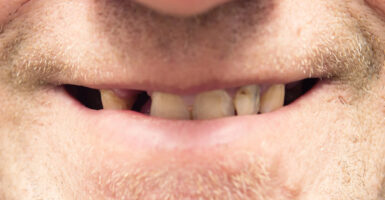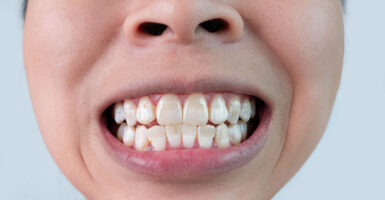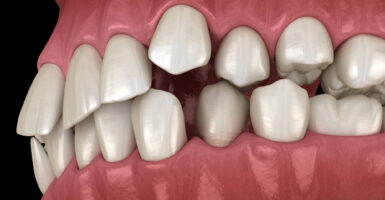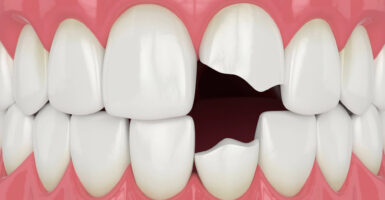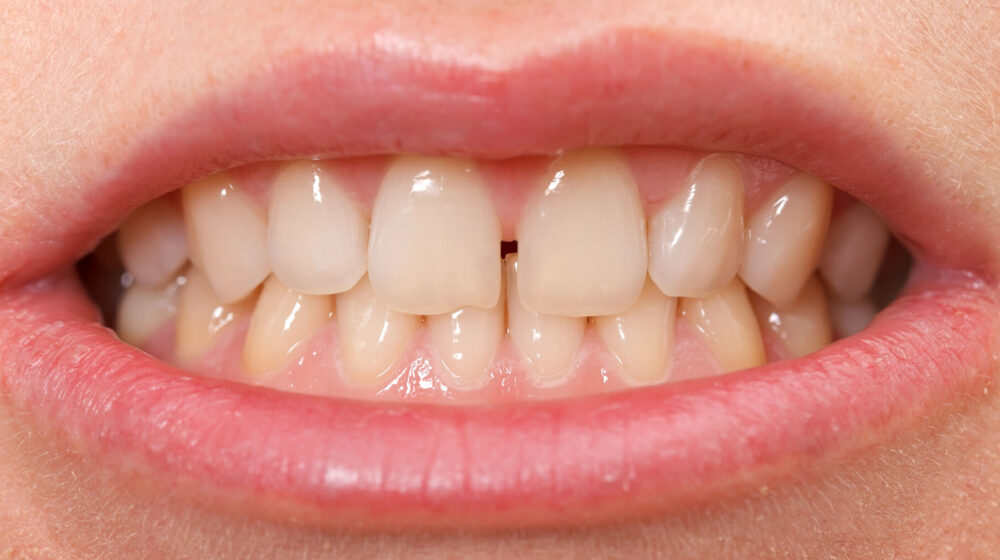
Maybe you have always had a gap between your teeth and considered it part of your story.
But if the space now affects how you feel in photos, how freely you speak, or how confidently you smile, it is natural to wonder what can be done.
Gap teeth (diastema) can be a harmless quirk, a sign of how your jaws and teeth developed, or a clue that something is shifting in your bite or gums. The good news is that there are several safe, dentist-guided ways to close gaps between teeth if you decide you want to.
This guide is for general education, not a diagnosis or treatment plan; only an in-person exam can tell you exactly what is happening in your mouth and what makes sense next for your health, timeline, and budget.
Could Your Tooth Gap Be More Than a Cosmetic Issue?
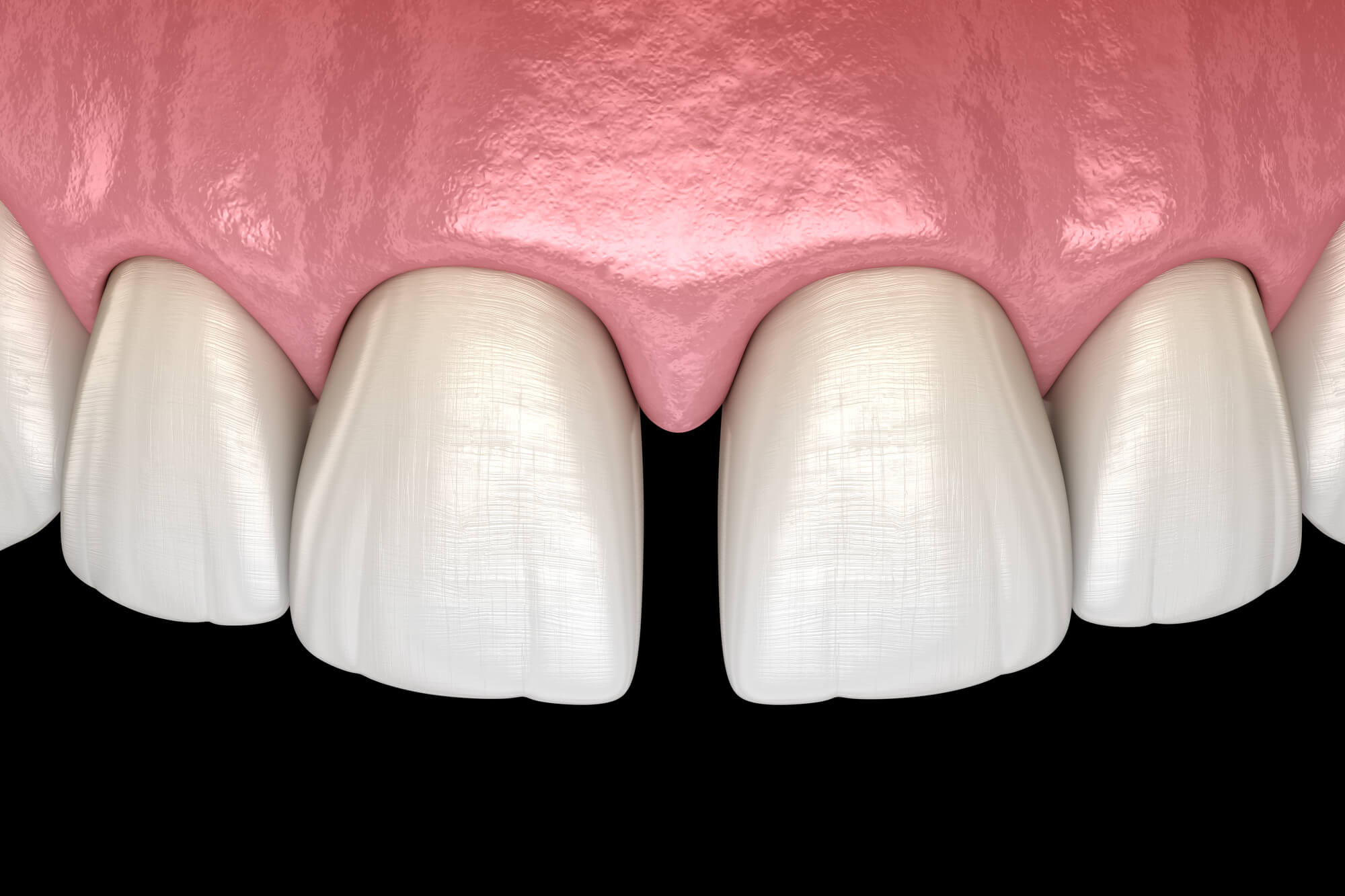
A gap in teeth, also known as diastema, may be completely cosmetic, especially when it has been stable for years, and the surrounding teeth and gums are healthy. However, when a space is new, getting wider, or appearing alongside changes in the gums or bite function, it may signal that something beneath the surface deserves a closer look.
Signs a Tooth Gap May Need Attention
The most important clue is whether the space is stable or starting to change. A small, long-standing gap with healthy gums may not need treatment, but gaps in teeth deserve closer attention when they:
- Are new or getting wider due to tooth migration
- Trap food and lead to plaque deposits
- Affect chewing, speech, or overall bite function
- Sit beside bleeding, swollen, or receding gums, indicating gum disease
- Appear with loose or shifting teeth, suggesting dental problems
- Affect how your upper and lower teeth meet, potentially pointing to malocclusion
A changing gap does not always mean something serious is happening. However, it does mean that identifying the cause early may help protect the surrounding teeth and maintain oral hygiene.
What Your Dentist Will Evaluate
Because similar-looking gaps can have very different causes, your dentist or orthodontist will look beyond the aesthetics of the space.
During an examination, they may check:
- The size and position of the gap teeth
- The health of the gum tissue and enamel
- The amount of supporting bone structure
- The way the teeth meet, using bite analysis
- Whether a tooth is missing, unusually small, or damaged
- Whether the gap is stable or progressing over time
Photographs, digital imaging, X-rays, and digital scans may also be used to assess the space more comprehensively.
Your dentist should also ask how you feel about the gap teeth. Some people like theirs, while others may consider options like orthodontic treatment or veneers through modern dentistry to achieve a smile makeover. Your comfort and goals matter.
An in-person examination is the only reliable way to determine which treatment options, such as traditional braces, clear aligners, porcelain veneers, or tooth bonding, fit your oral health, goals, timeline, and budget, ultimately contributing to a healthier and more confident smile.
Why DIY Gap Bands Are Unsafe
Avoid do-it-yourself gap bands and mail-order devices that are not monitored by a dental professional.
Moving teeth without careful planning may damage the roots, gums, or supporting bone. It may also create bite problems or move only the visible parts of the teeth while leaving the roots in unsafe positions.
The safest way to close a gap is to first understand why it formed and then choose a treatment that protects the entire smile.
Pide cita para una consulta gratuita
Why Gap Teeth Happen in Children and Adults
Gap teeth can be influenced by various factors, including tooth size, tissue placement, genetics, and everyday habits. In adults, a new or widening gap may also be a sign of changes in the gums or bone.
That is why it is important not to ignore a space that looks different from before.
Teeth, Jaws, and Genetics
A common cause of gaps in teeth is a size mismatch. Slightly smaller teeth in a larger jaw can leave extra room, allowing spaces to form even when the mouth is otherwise healthy.
Missing or extra teeth may also change how the surrounding teeth line up. In some cases, a tooth may be unusually small or may never have developed, leaving an open space.
The small band of tissue beneath the upper lip, called the labial frenum, or frenulum, may play a role too. If it attaches low between the front teeth, it can contribute to keeping them apart. In some children, the space becomes smaller naturally as the permanent teeth come in. In other cases, a minor procedure called a frenectomy may become part of orthodontic treatment later.
Family patterns matter as well. If several relatives have a similar gap, small teeth, or missing teeth, genetics may be one of the reasons.
Childhood Habits and Their Impact
Some gaps are influenced by habits that place ongoing pressure on the front teeth.
Algunos ejemplos comunes son:
- Thumb or finger sucking
- Long-term pacifier use
- Tongue thrusting
- Mouth breathing related to ongoing nasal congestion
Some habits fade naturally. Others may need attention from a dentist or orthodontic professional so the teeth and jaws can continue developing in a healthier direction.
Gum and Bone Changes in Adults
In adults, a new or widening gap may be connected to gum disease, inflammation, or loss of supporting bone. As that support weakens, tooth migration may occur, causing teeth to flare outward, rotate, or drift. A space that traps food or sits beside swollen, bleeding, or receding gums deserves a timely examination by a cosmetic dentist.
Treating the gum problem may need to come before cosmetic or orthodontic treatment.
Closing the visible space without stabilizing the foundation with techniques such as dental bonding, porcelain veneers, or restorations could lead to an unstable result. Regular dental checkups and maintaining good oral hygiene are crucial in preventing further complications related to gaps in teeth.
When Should Gap Teeth Be Treated?
Not every gap needs to be fixed. The main question is whether the space is stable and easy to keep clean or whether it is changing and connected to other concerns.
When to Monitor a Gap in Children
A small gap may be part of normal dental development. A child with healthy gums, no strong oral habits, and baby teeth or newly erupted permanent teeth may only need monitoring while the remaining teeth come in. A wider space, a persistent habit, or concerns about jaw growth may call for an evaluation by a dentist or orthodontist.
When Adults Should Have a Gap Checked
In adults, the difference between a stable gap and a changing gap is especially important.
Adults should have their gap teeth examined when they:
- Appear suddenly
- Become wider over time
- Trap food
- Sit beside irritated gums
- Develop after tooth loss
- Affect the bite
- Appear with loose or shifting teeth
If the gap looks different in recent photos, traps food, or sits next to irritated gums, it is time to have it examined. That does not necessarily mean something serious is happening. It simply means that identifying the cause early may make treatment easier and help protect the surrounding teeth.
The Main Treatment Options for Gap Teeth
There is no single best treatment for gap teeth. Treatment generally falls into four categories: moving the teeth, reshaping them, treating the supporting tissues, or replacing a missing tooth.
The right option depends on the cause, size of the space, condition of the bite, and health of the gums and bone.
Braces and Clear Aligners
Braces offer a high level of control, especially when a gap is large, several teeth need to move, or the bite requires more complex correction. They can close the space while also improving alignment and the way the upper and lower teeth meet.
Clear aligners move the teeth gradually with removable trays. They may be suitable for mild to moderate spacing when the teeth and gums are healthy, and the trays are worn as directed.
More involved cases may require attachments, elastics, traditional braces, or a combined approach.
For people hoping to fix gap teeth without metal braces, clear aligners may provide a more discreet option. However, appearance is only one part of the decision. The final result must also be healthy and stable.
Rellenos dentales, carillas y coronas
Reshaping changes the visible size or form of the teeth rather than moving them through the bone.
The three main techniques dentists may use in these cases are:
- Tooth bonding: Whether it is composite bonding or other types, bonding is used to add tooth-colored resin and close a small gap. Bonding can often close a small gap quickly and usually preserves more natural tooth structure than veneers. However, the material may stain, chip, or need repairs over time.
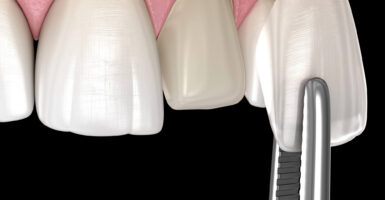
- Porcelain veneers: These veneers are thin porcelain restorations bonded to the front of the teeth and placed to change tooth shape, size, and color. They are generally more stain-resistant than bonding but may require some enamel removal.
- Dental crowns: Used when a tooth already needs full-coverage strength. Crowns are usually reserved for teeth that are cracked, weakened, heavily filled, or already in need of full coverage. Using crowns only to close a gap may remove more healthy tooth structure than necessary.
A careful dentist will also explain that closing a wide gap with bonding or veneers could make the teeth look too broad or harder to clean.
Frenectomy, Gum Treatment, and Supporting Procedures
Some gaps are influenced by the gums, bone, or the tissue between the front teeth. Supporting procedures may include:
- A frenectomy to release a restrictive labial frenum
- Minor gum reshaping to improve symmetry
- Gum treatment when inflammation or periodontal disease is present
- Bone or tissue treatment when the supporting structures need to be stabilized
These procedures usually support orthodontic or restorative treatment rather than serving as stand-alone ways to close a gap.
Dental Implants for Gaps Caused by Missing Teeth
A dental implant does not usually treat a natural gap between two healthy teeth. Braces, clear aligners, bonding, or veneers are more commonly considered for that kind of spacing.
An implant may become part of the conversation when the open space exists because a tooth is missing, badly damaged, or cannot be restored predictably.
A dental implant replaces the missing tooth root and supports a custom replacement tooth. This can help restore both the appearance of the smile and the function of the bite. Before recommending an implant, the dental team must evaluate:
- Whether there is enough room for a properly sized replacement tooth
- The condition of the neighboring teeth
- The health and shape of the gums
- The amount and quality of supporting bone
- How the replacement tooth will meet the opposing teeth
- Whether nearby teeth have tilted or drifted into the space
Sometimes orthodontic treatment is needed before implant placement to create the correct amount of room. In other cases, a dental bridge or another restorative option may be more suitable. The goal is not simply to fill the visible opening, but to restore the space in a way that supports a balanced bite, protects the neighboring teeth, and remains easy to clean.
At 4M Dental Implant Center, implant planning considers the teeth, gums, bone, bite, and overall smile together. The team uses digital diagnostics and personalized treatment planning for cases ranging from a single missing tooth to more extensive dental reconstruction.
When a gap is connected to tooth loss or failing dental work, this whole-smile perspective helps determine whether an implant belongs in the plan or whether another treatment may better protect the healthy teeth.
Pide cita para una consulta gratuita
How Dentists Choose the Right Treatment for Gap Teeth
Two gaps can look almost identical but require very different treatment plans.
The Cause of the Gap
A naturally occurring space may need a different approach than one caused by gum disease, tooth loss, orthodontic relapse, or an oral habit. Treating only the appearance without addressing the cause may increase the risk of the gap returning.
Your Bite, Gums, and Bone
Your dentist will examine how the upper and lower teeth meet and whether closing the space could place too much pressure on certain teeth. The gums and bone must also be healthy enough to support treatment. Gum disease, inflammation, recession, or bone loss may need to be treated first.
Your Goals, Timeline, and Budget
Some people want a small cosmetic improvement. Others want to correct the bite, replace a missing tooth, or complete a broader smile transformation. Different options involve different timelines, costs, and maintenance needs.
Bonding may be completed quickly. Braces and aligners require gradual tooth movement. Veneers, gum treatment, and implants may require several appointments and healing periods. Treatment can also be completed in stages. Health concerns may be addressed first, followed by cosmetic refinements later.
How to Keep Gapped Teeth From Reopening
Closing the space between teeth is only part of the process. Keeping it closed is where retainers, habit changes, and regular dental care quietly do the heavy lifting.
Bite and Supporting Tissues Must Remain Stable
Any dental problems that contributed to the gap should also be addressed. This may include:
- Treating gum disease and plaque deposits
- Improving bite function
- Correcting tongue thrusting
- Managing oral hygiene and habits
- Stabilizing tooth migration and shifting teeth
- Replacing missing teeth
Without this step, the gaps in teeth may reopen, or nearby teeth may continue to move, causing issues with bite function and overall aesthetics.
Protect the Result
If the gap is closed through orthodontic treatment, retainers will usually be needed as part of the long-term strategy to maintain a perfect smile.
A fixed retainer, often recommended by your cosmetic dentist, is a small wire bonded behind the teeth. Alternatively, a removable retainer may resemble clear aligners or a traditional orthodontic appliance.
Regular dental checkups allow the dentist to catch issues such as tooth decay before they impact the recent improvements.
Smoking, uncontrolled diabetes, dry mouth, and untreated gum disease may also affect healing and long-term stability.
Understanding maintenance before treatment helps you choose an option you can care for comfortably over time, ensuring the longevity and beauty of your enhanced smile.
How 4M Looks Beyond the Gap to Treat the Whole Smile
If your tooth gap looks different, feels different, or no longer matches how you want your smile to look, the next step is a thorough, low-pressure examination. The basic diastema definition is a space between two teeth, but the diastema meaning for your smile depends on where the gap is and why it formed. A midline diastema, also called a median diastema, is a gap between the two upper front teeth, which is why a space at the front tooth area is often the first one people notice.
Your dental team can evaluate what is causing the space, check the health of your gums and bite, and determine whether additional imaging, records, or specialist input may be helpful. Diastema causes can range from tooth size and gum tissue to bite changes, so understanding the source matters before choosing between orthodontic treatment, restorative dentistry, or another approach.
At 4M Dental Implant Center, the team looks beyond the visible gap and evaluates how the teeth, gums, bone, and bite work together, including how your midline lines up. If the space is connected to a missing tooth, failing dental work, bone changes, or more complex dental concerns, your doctor can explain whether implant treatment, restorative care, or a coordinated approach may offer the most stable path forward. For gaps that are mainly about tooth position, your doctor may discuss whether orthodontics, such as braces or clear aligners, or cosmetic options like veneers could be worth exploring.
Understanding the cause of the gap gives you more than a cosmetic answer. It gives you a clearer picture of your oral health, your treatment options, the likely treatment cost, and what it may take to create a result that looks natural, feels comfortable, and supports your smile over time.
Schedule a consultation with 4M Dental Implant Center to better understand what may be causing your tooth gap and which treatment options may be appropriate for your smile.