If you’re looking into full-mouth dental implants, one of your first questions is probably simple: How much will this cost, and can I afford it? Finding a straight answer isn’t always easy. One website lists a price that seems surprisingly low, another quotes twice as much, and it’s hard to tell what either number actually includes.
So, how much do full mouth dental implants cost? In the United States, with pre-and post-operative procedures included, $18,000 to $50,000 per arch is a useful starting point for budgeting for many fixed full-mouth restorations. An arch means your upper or lower set of teeth. If you need both replaced, that increases your estimated budget.
These are broad US market estimates, not a national average or 4M Dental Implant Center’s prices. Some treatments cost less, while others cost more. Your actual cost depends on your dental and oral health, the type of replacement teeth you choose, and what’s included in your treatment plan.
The good news is that you don’t have to figure it all out from advertised prices. This guide breaks down what full mouth dental implants may cost, what you’re paying for, why quotes vary, and which financing options may help you plan your next step.
What Are Realistic Per-Arch Cost Ranges for Full-Mouth Dental Implants?
In the United States, published estimates for fixed full-arch dental implant treatment vary widely. For general budgeting, approximately $18,000 – $50,000 per arch can be a helpful reference for many treatment plans. Replacing both arches may place the total around $36,000 – $80,000, although some patients pay less, and a more complex dental implant procedure can cost more.
These are illustrative US market planning estimates, not a measured national average, nor a standard fee schedule, or prices charged by 4M Dental Implant Center.
How Do Different Treatment Options Affect the Price?
A simple way to understand the differences is to compare the materials, planning, and procedures involved.
| Treatment Consideration | Common Features | What May Affect the Cost |
| Acrylic bridge or composite fixed bridge | Replacement teeth made with acrylic or composite materials, sometimes supported by a metal framework | Materials, design, repairs, and included services |
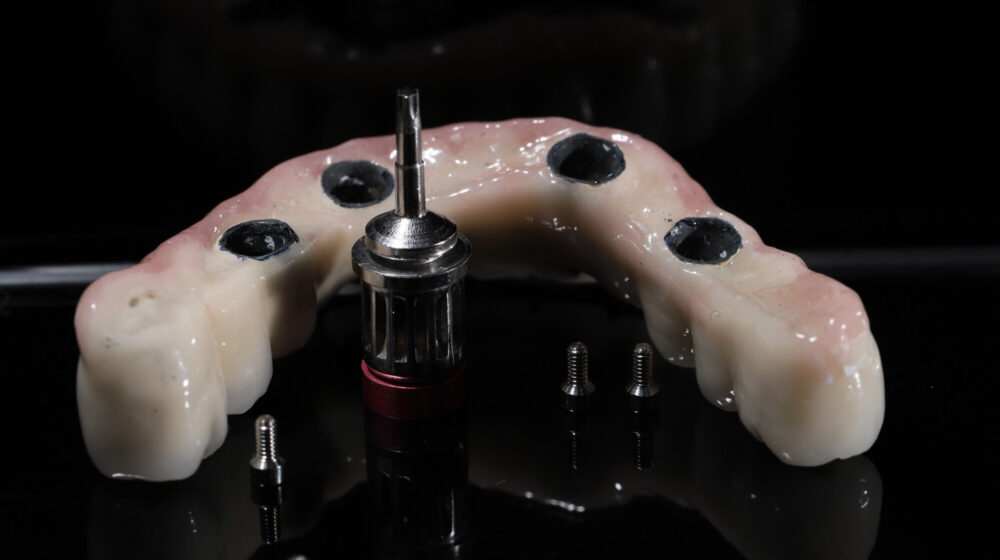
| Zirconia fixed bridge | A custom-designed zirconia restoration with titanium posts | Manufacturing, design, materials, and adjustments |
| More complex surgical treatment | Additional dental procedures are performed when needed to support dental implant placement | Extractions, dental bone grafts, sinus lifts, or other clinical needs |
These are treatment considerations, not standardized pricing tiers or official packages offered by 4M Dental Implant Center. A patient may need a combination of these services, and the best option isn’t always the most expensive one.
Pide cita para una consulta gratuita
Typically, What Is Included in the Cost of Full Mouth Dental Implants?
A full-mouth dental implant quote can encompass several stages of treatment, from your initial evaluation to the final placement of replacement teeth. However, what’s covered in the quoted price can differ between dental offices, and patients should be careful with accepting the lowest price without looking at the fine print of what it actually includes.
Understanding these services helps you compare estimates and recognize expenses that might not be included in the initial fee.
Your Exam, 3D Imaging, and Treatment Plan
Your initial evaluation often includes an oral exam and panoramic X-rays, at a minimum, but quality dental implant providers now use a combination of CBCT scans and 3D X-ray technology to create a more exact and reliable personalized treatment plan. These imaging techniques should provide your dentist with a detailed view of your jawbone, tooth root structures, and surrounding anatomy to aid in planning dental implant surgery. It’s important to ask whether these planning services are included in your estimate or billed separately.
Tooth Extractions and Implant Surgery
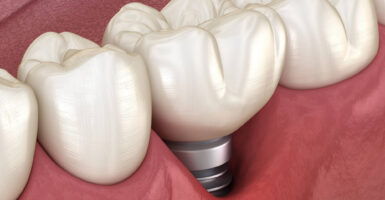
Surgical fees typically cover implant surgery and the components needed to support your replacement teeth, such as the titanium implant body, dental abutment, and dental crown. If you require tooth extractions, dental bone grafts, or other adjunct procedures like sinus lifts, these might either be covered in your treatment estimate or charged separately.
Temporary Teeth and Your Final Bridge
Some patients qualify for fixed temporary teeth shortly after implant surgery, allowing them to replace their missing teeth during the healing process. However, they differ from the final bridge. The final zirconia or ceramic restoration is provided later, once osseointegration has occurred, and your dentist determines it’s clinically suitable. Verify whether your quote includes both the temporary and final artificial teeth, as well as the materials used for each.
Sedation, Follow-Up Visits, and Adjustments
Sedation options, follow-up appointments, and necessary adjustments may form part of your treatment plan, depending on individual needs. Some dental offices include these services in the initial fee, while others charge them separately. Ongoing maintenance and warranty in case of implant failure could also present future costs. Before comparing prices, request a written estimate clearly detailing what’s included, potential extra costs, and what ongoing care you may need to arrange.
Why Do Full-Mouth Dental Implant Costs Vary So Much?
Two patients can need the same type of full-mouth dental implants and still receive very different estimates. Even when their treatment plans sound similar, the work involved and what’s included in the price may not be the same.
The biggest differences usually come down to your clinical needs, the treatment approach, and how each dental office structures its fees.
How Your Dental Health Affects the Cost
Your oral health and jawbone condition help determine how much treatment is needed before and during implant placement.
Factors that may increase your cost include:
- Teeth that need to be removed: Extractions may add procedures to your treatment.
- Bone loss: Some patients need bone grafting or a different surgical approach to support implants.
- Upper-jaw anatomy: The position of your sinuses may affect implant placement and sometimes require additional sinus procedures.
- Medical conditions or medications: Certain chronic illnesses, gum diseases, or other health considerations may require extra evaluation or coordination with your healthcare providers.
- The number of implants needed: Some treatment plans require additional implants or components for appropriate support.
For some patients, an All-on-X approach may reduce the need for certain procedures, while others may need a more involved treatment plan based on their anatomy and overall health.
These differences help explain why one person’s full-arch treatment may cost more than another’s, even when both are replacing the same number of teeth.
Dental Offices Have Different Workflows
Your dental history isn’t the only reason prices vary.
Two offices may recommend similar treatment but use different materials, workflows, or pricing structures. For example:
- One estimate may include sedation, temporary teeth, and follow-up visits, while another charges separately for some of those services.
- Other differences may include the type of final bridge, the number of implants recommended, whether lab work is completed in-house or outsourced, and the support available after surgery.
A lower quote doesn’t automatically mean lower-quality care, and a higher price doesn’t guarantee a better result.
When comparing estimates, look beyond the total. Ask about the recommended treatment, the materials being used, what’s included in the fee, and any services that may cost extra.
The goal is to compare complete treatment plans, not just advertised prices. That gives you a clearer picture of what you’re paying for and which approach best fits your health and budget.
How Do Materials and Lab Choices Change Your Full-Mouth Implant Price?
Once the surgical plan is set, your choice of materials and the lab process can significantly affect your per-arch price. This is where a great deal of hidden variation between similar full-mouth quotes comes from, especially when you compare different types of fixed bridges and dental implant procedures.
At a basic level, you’re choosing between materials and fabrication styles, such as:
- Acrylic or composite bridges over a supporting framework, which may offer a more affordable fixed option. Acrylic or composite restorations can resemble natural teeth and function well, but they may wear or stain over time and sometimes need repairs or replacement.
- Hybrid restorations that combine materials for strength and appearance.
- Monolithic zirconia bridges, made from a strong ceramic material that generally costs more but offers excellent durability and stain resistance. Many patients value those qualities when considering dental crowns for their new teeth.
No restoration is maintenance-free. The best material depends on your bite, dental health, oral hygiene, cleaning habits, and treatment goals. For instance, periodontal disease or smoking can influence material choice and long-term success.
Lab choices matter, too. Dental centers with an in-house digital lab, 3D printing, and computer-guided design and manufacturing invest in technology and skilled staff. These tools can enhance the quality control of dental implant procedures and streamline certain treatment steps.
Offices relying on outside labs may use different workflows, potentially affecting implant placement and the time needed for adjustments or remakes. The choice between titanium alloy and ceramic for the implant body can also impact osseointegration and overall costs.
At 4M Dental Implant Center, in-house lab capabilities are part of the surgical tooth replacement process. During your consultation, the team can explain which materials and restoration options may be appropriate for your smile and jawbone health. Implant surgeons will evaluate your dental history, bone quality, and potential for bone graft procedures when planning for your treatment.
Those differences in setup help explain why two offices can quote very different prices for what sounds like the same case, as dental exams, dental care, and planning are often tailored to your specific anatomy and needs.
Are Teeth in a Day or All-on-X Really Cheaper Than Traditional Implants?
For full-arch cases, many people assume Teeth in a Day is the premium option and traditional implants are the budget choice.
When you compare full-mouth plans, All-on-X may cost less than approaches that use many individual implants and restorations because fewer implants and components may be required.
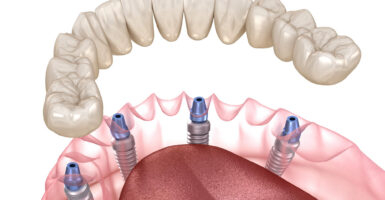
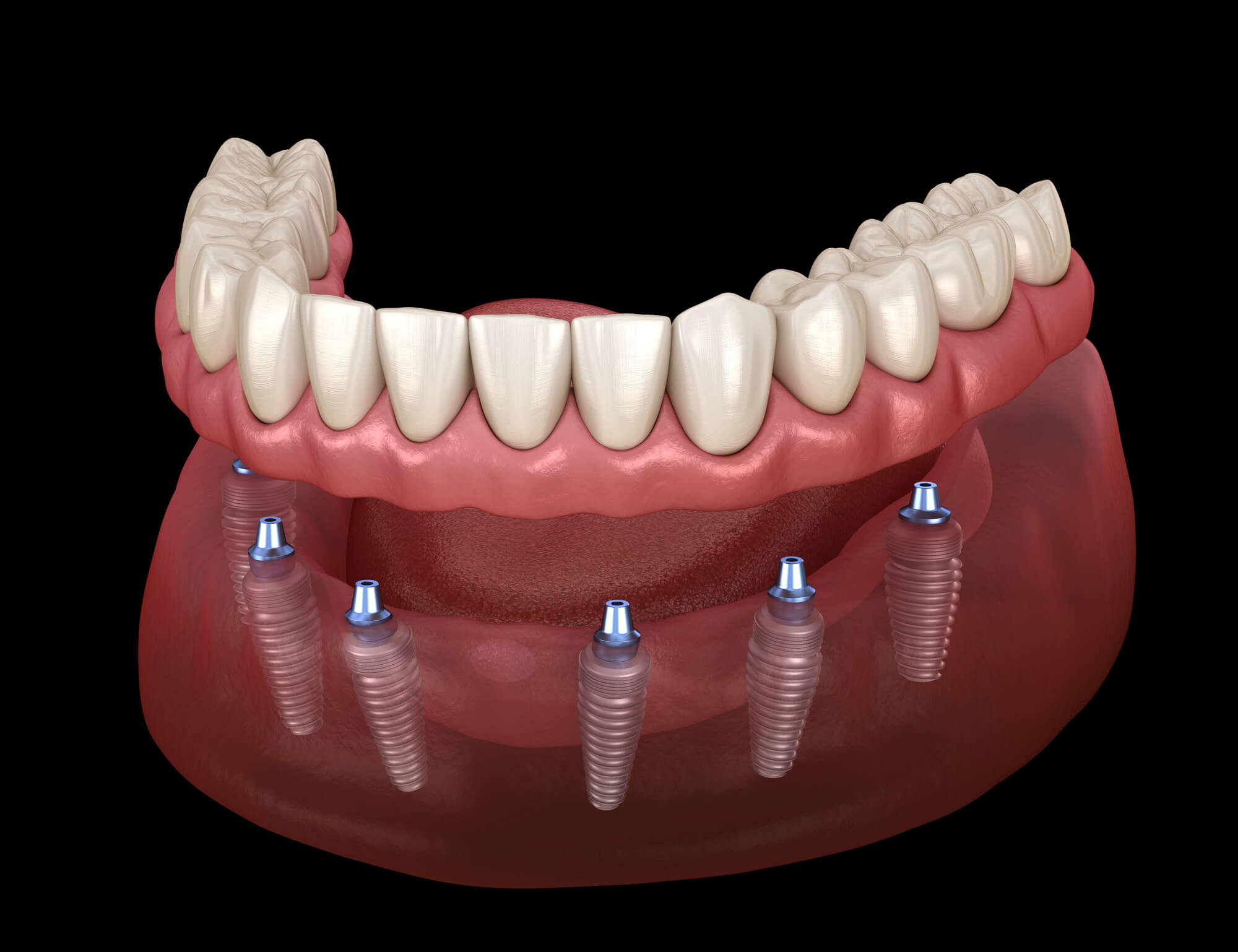
All-on-X treatment uses a planned number of implants to support a full arch of replacement teeth. Depending on the patient’s needs, that may involve four (All-on-4 method), five, six, or another clinically appropriate number of implants.
In eligible cases, patients may receive a fixed temporary bridge shortly after surgery and later receive their final bridge after healing.
Traditional full-mouth reconstructions may involve more implants, several smaller bridges or crowns, and multiple stages of treatment.
That difference can affect cost because traditional reconstructions may involve:
- More implants and components per arch
- More separate procedures and visits over a longer timeline
- More lab work for multiple bridges or crowns
When you add everything together, a well-planned All-on-X case may offer a more streamlined approach. However, there are situations where staged or alternative plans make more sense, especially with certain anatomy, cleaning needs, or medical conditions.
At 4M Dental Implant Center, the 4M Smile in 24 treatment approach is designed to help eligible patients receive fixed temporary teeth within 24 hours of implant placement. These are temporary teeth used during healing, not the final bridge. Your final restoration is provided at a later stage, when clinically appropriate.
Not every patient is a candidate for immediate temporary teeth. Your treatment team will explain whether this approach is suitable for you and what timeline to expect. Your implant dentist should walk you through how each path looks, not just on surgery day but over the years ahead, including maintenance and possible repairs.
Pide cita para una consulta gratuita
Ways Insurance, HSAs, FSAs, and Taxes Can Help With Implant Costs
Insurance and tax-advantaged accounts rarely make full-mouth implants inexpensive, but they may make a large bill more manageable once you understand how each piece fits.
Many dental insurance plans limit implant coverage or exclude certain parts of treatment. Annual maximums and other policy limits may cover only a portion of a full-arch case.
In some situations, specific services may qualify for medical insurance coverage, but that depends on the patient’s circumstances and insurance policy.
Options many patients review include:
- Dental insurance benefits, which may cover eligible diagnostic or treatment services
- Health Savings Accounts (HSAs) for qualifying dental expenses
- Flexible Spending Accounts (FSAs) for eligible expenses under an applicable plan
- Medicare Advantage plan (Part C): For patients with Medicare, this is typically the only option for getting dental implants covered partially or at a lower rate.
At a consultation, your treatment coordinator can help you understand the charges associated with your plan and suggest questions to take back to your insurer, benefits administrator, or tax professional. Confirm coverage and eligibility before relying on any particular benefit.
After you’ve reviewed those options, financing may help bridge the gap between the total treatment cost and the funds you have available.
Financing, Payment Plans, and Realistic Monthly Payments
Understanding what treatment might mean for your monthly budget is just as important as knowing the total cost.
Financing is often where people move from “no way” to a clear yes, no, or “not yet” based on real numbers instead of uncertainty. Some implant centers offer payment schedules, while others work with third-party healthcare lenders.
Third-party lenders may finance eligible treatment costs, with patients making monthly payments under the lender’s agreement.
Your monthly payment is mainly driven by:
- The total amount financed after any down payment or applicable benefits
- The interest rate or annual percentage rate (APR) and any promotional terms
- The length of the repayment period
- Fees, deferred-interest conditions, or prepayment rules in the agreement
A longer repayment period may reduce your monthly payment, but it can also increase the total interest paid. A larger down payment may reduce the amount you need to finance.
Actual approvals, rates, terms, and total costs depend on the lender and your financial circumstances. Ask for all terms in writing so you understand both the monthly payment and the total amount you would repay. The goal isn’t simply to find the lowest monthly payment. It’s to understand the full financial commitment and decide what fits comfortably within your budget.
4M Dental Implant Center offers a variety of flexible payment options and works with trusted financing partners to help make your dream of a beautiful, healthy smile a reality.
Financing options, with specific programs, eligibility requirements, and terms, are explained during the consultation process. The team can help you understand how available financing options relate to your personalized treatment estimate so that you can make a decision with a clearer picture of the total cost.
How Do You Turn Full-Mouth Implant Costs Into a Clear, Confident Plan?
National pricing estimates can give you a starting point, but the next step is understanding what treatment would look like for your own dental health, goals, and budget.
At 4M Dental Implant Center, that conversation brings together your clinical evaluation, personalized treatment planning, and available restoration options. With in-house lab capabilities supporting the treatment process, the team can help you understand how the recommended approach fits your needs, not just what it costs.
You’ll have the opportunity to discuss what’s included in your estimate, the expected treatment timeline, and any additional services or ongoing care to consider. You can also review available financing options and ask questions before deciding how you’d like to move forward.
When you’re ready, schedule a consultation with 4M Dental Implant Center to explore your treatment options and receive a personalized cost estimate. If you’d prefer to explore financing first, you can also apply for financing through the available options.
Pide cita para una consulta gratuita
This article provides general educational information and is not a substitute for personalized dental, medical, financial, or tax advice. Treatment recommendations, costs, eligibility, and financing terms depend on individual circumstances.