Noticing white spots on teeth can stop you in your tracks. You may catch them in a photo, under bright bathroom lights, or when you lean in close to help a child brush their teeth.
Right away, the questions start: is this a stain, early tooth decay, a side effect of braces, or a sign that something went wrong years ago?
At 4M Dental Implant Center, we look at white spots as part of the bigger picture of your smile and oral health. Some are harmless “birthmarks” in the tooth enamel. Others are early warning signs of weakening. Our job is to slow things down, explain what those patterns usually mean, and show you which options protect your enamel instead of rushing to drill or cover it.
This guide is for general education only and does not replace an in-person exam, but by the end, you will have a clearer sense of which spots can wait, which deserve a sooner visit, and which gentle cosmetic options can safely improve how your smile looks.
What Do White Spots on Teeth Mean?
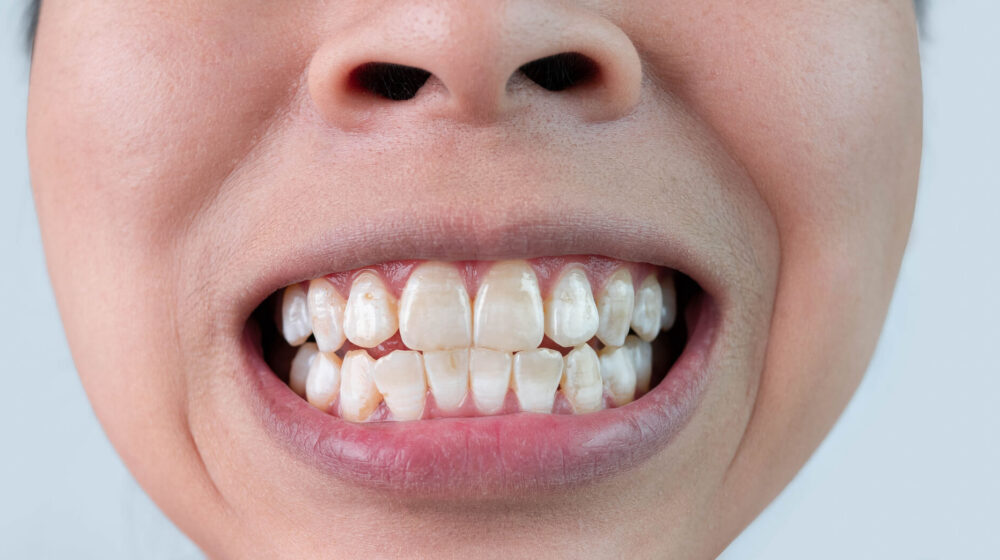
White spots are areas where enamel reflects light differently because its mineral content or structure has changed.
- Some are stable marks that have been there since the tooth came in.
- Others are early signs that acids and plaque have started to pull minerals out of the surface.
The story behind the spot matters more than the color alone.
Dentists may call some of these areas white spot lesions, especially when they are caused by enamel demineralization or enamel hypoplasia. However, those terms do not describe every white mark on a tooth, which is why identifying the cause matters before choosing treatment.
If a spot has looked the same for years, feels smooth, and has never been sensitive, it often behaves more like a cosmetic mark than an active problem.
Chalky, rough, or quickly changing patches are more likely to be early tooth enamel breakdown and deserve a closer look. It is also completely normal to feel bothered by a spot even if your dentist calls it “only cosmetic,” as how you feel when you smile matters, too.
As a rule of thumb, it is smart to book a visit sooner if white spots are:
- New or spreading over weeks or months
- Rough, chalky, or easy to catch with a fingernail
- Sensitive to cold, sweet, or touch, or starting to pick up stains
Those signs do not prove you have a cavity, but they do mean a dentist should take a careful look instead of you just watching and worrying at home.
Pide cita para una consulta gratuita
Common Patterns and Causes of White Spots on Teeth
Different causes of white spots tend to leave different “signatures” on your teeth. Dentists look at which teeth are involved, where the spots sit, how the surface feels, and when the changes first appeared to get a first sense of what may be going on before they confirm it with a full exam.
The biggest distinction is why the enamel looks different. Some white spots develop while a tooth is forming, including changes associated with dental fluorosis or developmental enamel defects. Others appear later due to plaque buildup and acids that cause enamel demineralization, which can occur around braces or in areas that are difficult to clean with brushing and flossing.
Those differences often show up in the way the spots look and how much attention they may need.
| Pattern type | Typical look | What may cause it | Main concern |
| Mild fluorosis | Smooth, streaky, or cloudy white areas, often on several teeth | Excess fluoride exposure while the teeth were developing | Usually cosmetic |
| Early demineralization | Chalky, matte spots near the gums or where plaque tends to collect | Mineral loss from plaque acids, often around braces or areas that are harder to clean | Enamel weakening and possible tooth decay risk if it progresses |
| Developmental enamel defect | Localized white, cream, or yellow-brown patch, sometimes with pits | A disruption in how the enamel formed while the tooth was developing | Appearance, strength, and wear |
Other factors, such as dry mouth, frequent exposure to sugary or acidic foods and drinks, and difficulty keeping certain areas clean, can make enamel demineralization more likely.
Think of this as a simple map, not a self-diagnosis tool. These categories can overlap, and other conditions can mimic them. How “bright” or “dull” a spot looks on the surface does not always match how healthy the tooth enamel is underneath.
That is why, at 4M Dental Implant Center, we look at the pattern, location, and condition of the enamel before recommending what comes next. An in-person exam can help confirm the cause and whether the area simply needs monitoring or would benefit from treatment.
Do White Spots on Teeth Go Away?
Some white spots on teeth can become less noticeable over time, but whether they disappear entirely depends on their cause and the extent of the enamel change.
For instance, early enamel demineralization, often due to plaque deposit acids or poor oral hygiene, may improve as minerals such as calcium and phosphate are restored to the tooth enamel. This is particularly effective when the issue is caught early, and contributing factors like frequent exposure to acidic foods, sodas, chronic acid reflux, or poor dental hygiene habits are addressed. The use of fluoridated toothpaste and regular dental check-ups can aid in this process.
White spots resulting from dental fluorosis or developmental enamel defects, however, typically do not fade simply with improved oral hygiene or remineralizing toothpaste.
These spots, which formed while the dental enamel was developing, might require cosmetic dental treatments like veneers, resin infiltration, or professional teeth whitening treatments to become less noticeable.
It’s crucial to remember that not all white spots are the same. A smooth, stable white spot may behave differently from a newer, rough, chalky area prone to further tooth decay.
Therefore, consulting dental professionals to determine the cause is more effective than attempting to “erase” the spot on your own. Treatments like enamel microabrasion or bleaching formulas could be considered under the guidance of dental professionals.
Do White Spots Mean Something Different in Kids and Adults?
Age and timing provide important clues about white spots on teeth for dental professionals.
In children, new white areas on baby teeth or just-erupted permanent teeth could indicate issues like enamel hypoplasia, dental fluorosis, or early tooth decay. These white spots may be influenced by factors such as fluoride exposure while the dental enamel was forming.
In adults, long-standing spots are more often the result of past events, while brand-new ones raise more concern and could be a sign of demineralization or acidic damage from drinks like sodas and citrus juices.
Considerations by Age:
- In kids: New chalky spots near the gums on the enamel, especially on front teeth, are a reason for prompt dental check-ups. Regular brushing and flossing with a fluoridated toothpaste and avoiding acidic foods and drinks (sodas, citrus fruits, etc.) can help prevent plaque accumulation and further decay.
- In teens after braces: Dull, cloudy patches where brackets were can often signal past demineralization. Ensuring good dental hygiene after braces removal is crucial.
- In adults: Spots that have not changed in years might simply be cosmetic marks. If they’re stable and smooth, they may only need monitoring or gentle cosmetic dental treatments like professional whitening or veneers if the appearance bothers you.
However, new spots appearing over months, especially if they feel rough, catch stain, or react to cold, suggest potential active tooth decay or decalcification. They should be examined sooner by your dentist.
For children, a family dentist or pediatric dentist can evaluate new or changing white spots, discuss factors such as toothbrushing habits, fluoride exposure, and diet, and may recommend dental treatment plans that incorporate options like microabrasion or resin infiltration to address enamel issues.
Understanding the underlying cause of white spots is essential, as conditions like hypocalcification of the enamel could require different management than stable, surface stains.
How Modern Habits and Braces Set Up White Spot Problems
Certain everyday habits can increase the risk of enamel demineralization, especially during orthodontic treatment. Brackets and wires create ledges where food and plaque collect.
When that plaque sits at the gum line or along the edges of brackets, acids start to pull minerals out of the enamel, leaving dull, chalky patches behind.
Some everyday drivers include:
- Braces or clear aligners that are not cleaned carefully around the edges
- Frequent sipping of sodas, energy or sports drinks, or flavored waters throughout the day
- Dry mouth from medications, vaping, mouth breathing, or other causes
- Rushed brushing that misses the same spots over and over
- Wearing aligners while drinking sugary or acidic liquids
Dry mouth makes things worse because saliva normally helps wash away acids and bring minerals back to the tooth surface. Scrubbing hard with gritty pastes to “erase” a spot can thin enamel without fixing the root cause.
Often, the first “treatment” is upgrading daily care so your enamel gets a real chance to recover, and the risk of new spots is reduced.
How Dentists Safely Figure Out What White Spots Mean
At a white-spot visit, a careful dentist does much more than glance and name a condition.
They start by asking:
- When you first noticed the spots
- Whether they have changed
- Your diet
- Brushing routine
- Fluoride exposure
- What your general oral health and orthodontic history look like
That context helps separate long-standing marks from newer, possibly active problems.
Next comes a close look at each tooth:
- Where the spots sit
- Whether they feel smooth or rough
- Look shiny or matte
- If they tend to trap plaque or stain
If a spot’s surface is intact and there are no signs of a cavity underneath, your dentist may suggest monitoring with photos and, when appropriate, supporting the enamel with fluoride or other remineralizing treatments. If there is any doubt about decay, they may recommend X-rays or 3D digital diagnostic tools to check the tooth more closely.
Whenever possible, the goal is to protect healthy enamel and avoid drilling unless it is clearly needed. At 4M Dental Implant Center, that means starting with the most conservative option that makes sense for your teeth and considering how any treatment fits with the health, appearance, and long-term function of your smile.
Pide cita para una consulta gratuita
Gentle Cosmetic Options for Improving White Spots
Once active disease is ruled out or treated, you can look at how the teeth look. The best cosmetic plans respect enamel and start with the least invasive options that are likely to help, especially in younger patients and post-braces cases.
For white spots caused by early demineralization, treatment may include fluoride applications or other remineralizing products when appropriate. Developmental enamel defects and fluorosis may need a different approach.
Common cosmetic options include:
- Remineralizing products: To support weakened enamel in appropriate cases.
- Resin infiltration: This fills porous areas and bends light more like healthy enamel. For some white spots, resin infiltration may be a minimally invasive option because it can help blend porous areas without traditional drilling.
- Microabrasion: A technique meant to gently polish away a very thin outer layer of stained or uneven enamel. This can help when the issue is very superficial.
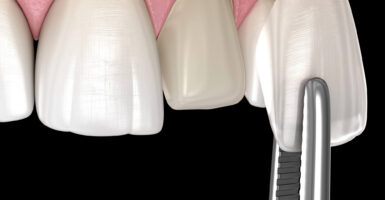
- Dental bonding or porcelain veneers: Solutions for deeper or more widespread defects. Bonding can often improve the appearance of a tooth with little alteration to its natural structure, while veneers may require some enamel preparation.
A thoughtful dentist will walk you through how much tooth structure each option may affect, how long it usually lasts, and what it costs before you decide.
Not every spot disappears completely; often, the realistic goal is “much less noticeable,” and setting that expectation up front protects you from disappointment.
Can Teeth Whitening Help White Spots or Make Them Look Worse?
Whitening and white spots have a delicate relationship. Peroxide-based whitening lightens the whole tooth, but it does not erase the underlying spot.
In the short term, existing white areas can look brighter and more obvious because the surrounding enamel is changing shade. Over time, the contrast may soften, but some spots will still stand out and need their own treatment.
Whitening is usually postponed if you have untreated cavities, large active demineralized areas, or very sensitive teeth. Because whitening is elective, many dentists also recommend waiting until after pregnancy.
When it is appropriate, many dentists suggest whitening first to reach your overall shade, then reassessing which white spots still bother you and planning targeted fixes such as resin infiltration or bonding.
Professional whitening, whether in-office or supervised take-home trays, offers more control over strength, timing, and sensitivity than random over-the-counter kits.
Strong DIY gels or internet “hacks” can irritate your gums or make color problems worse, so a short conversation with a dentist before whitening, especially if you already see white spots, is a smart step.
Simple Daily Steps to Protect Your Enamel From White Spots
Even before you commit to any cosmetic work, small, steady habits can make a real difference. The goal is to give your enamel more protection from acids and more time to regain minerals between exposures.
Helpful daily steps include:
- Brushing twice a day with a soft brush and fluoride toothpaste, paying extra attention to the gumline and around any orthodontic appliances.
- Limiting all-day sipping of sweet or acidic drinks, keeping them with meals instead of as a constant “background”.
- Rinse with plain water after coffee, soda, or juice, especially if you wear aligners.
- Supporting saliva flow by staying hydrated and talking to your dentist if you notice a very dry mouth.
- Using any prescribed pastes or rinses as directed, rather than stopping when the spots look a little better.
These steps will not erase every white spot, and they do not replace a dental exam, but they reduce the chance of new demineralized areas developing and often make existing spots more stable. They also create a much better foundation if you and your dentist decide to move forward with cosmetic treatment later.
Get Clear Answers About White Spots at 4M Dental Implant Center
White spots can have several causes, and the right next step depends on what is happening with the enamel. Some may only need monitoring or better daily care, while others may benefit from treatment to protect the tooth or improve its appearance.
At 4M Dental Implant Center, we look at more than the spot itself. Our team considers the health, appearance, and function of your whole smile, then explains what we see in plain language and helps you understand the most conservative options that make sense for your long-term dental health.
That broader approach also means that if white spots are part of a larger dental concern, we can look at how everything fits together instead of treating one issue in isolation. The goal is to give you a clear plan based on what your smile actually needs, without rushing you into treatment.
If you want a clearer picture of what is causing your white spots and what your options may be, book a consultation with 4M Dental Implant Center.