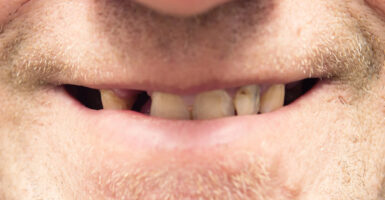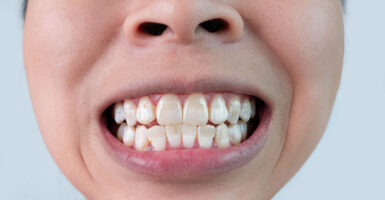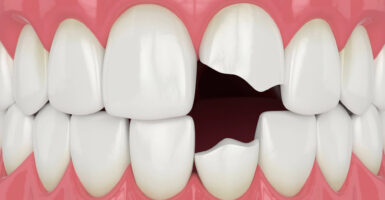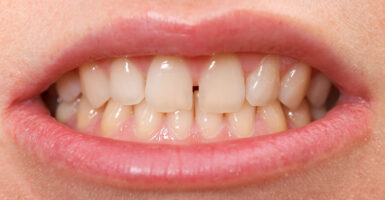
If you want to fix crooked teeth without braces, you may have more options than you think.
Clear aligners can move teeth, while treatments such as bonding, veneers, or gentle contouring may improve the appearance of mild crookedness without moving the roots.
Maybe you smile with your lips closed in photos or feel uncomfortable when someone brings out a camera. You’d like straighter teeth, but the idea of traditional metal braces doesn’t fit your life anymore.
The right choice depends on your bite, gum health, tooth position, and what you want to change. A dental exam can help determine which options may be appropriate for your smile.
This guide explains the main ways adults can improve crooked teeth without traditional braces, what each option can and cannot do, and what to consider before choosing treatment. It is general education, not a diagnosis or treatment plan, so an in-person exam at 4M Dental Implant Center and any needed X-rays are still important before making a decision.
Can You Really Fix Crooked Teeth Without Braces?
For many adults, the answer is yes. Depending on the cause and severity, crooked or misaligned teeth may be straightened with clear aligners or made to look straighter through cosmetic dentistry treatments like bonding, veneers, or gentle contouring.
This is good news for people who want to improve their smile without traditional metal braces.
The important difference is that some teeth straightening treatments move the teeth and their roots, such as Invisalign or other clear aligner systems, while others mainly change how the teeth look.
Cosmetic treatments like dental bonding or porcelain veneers can address aesthetic concerns and even boost self-esteem, without physically moving teeth.
If you haven’t looked at orthodontic treatment since you were a teenager, it’s easy to picture only one thing: shiny metal brackets on every tooth that require fresh rubber bands every day.
Modern dentistry, however, now offers more flexible treatment options for addressing alignment issues and improving oral health.
If your goal is to avoid traditional metal braces altogether, common options may include:
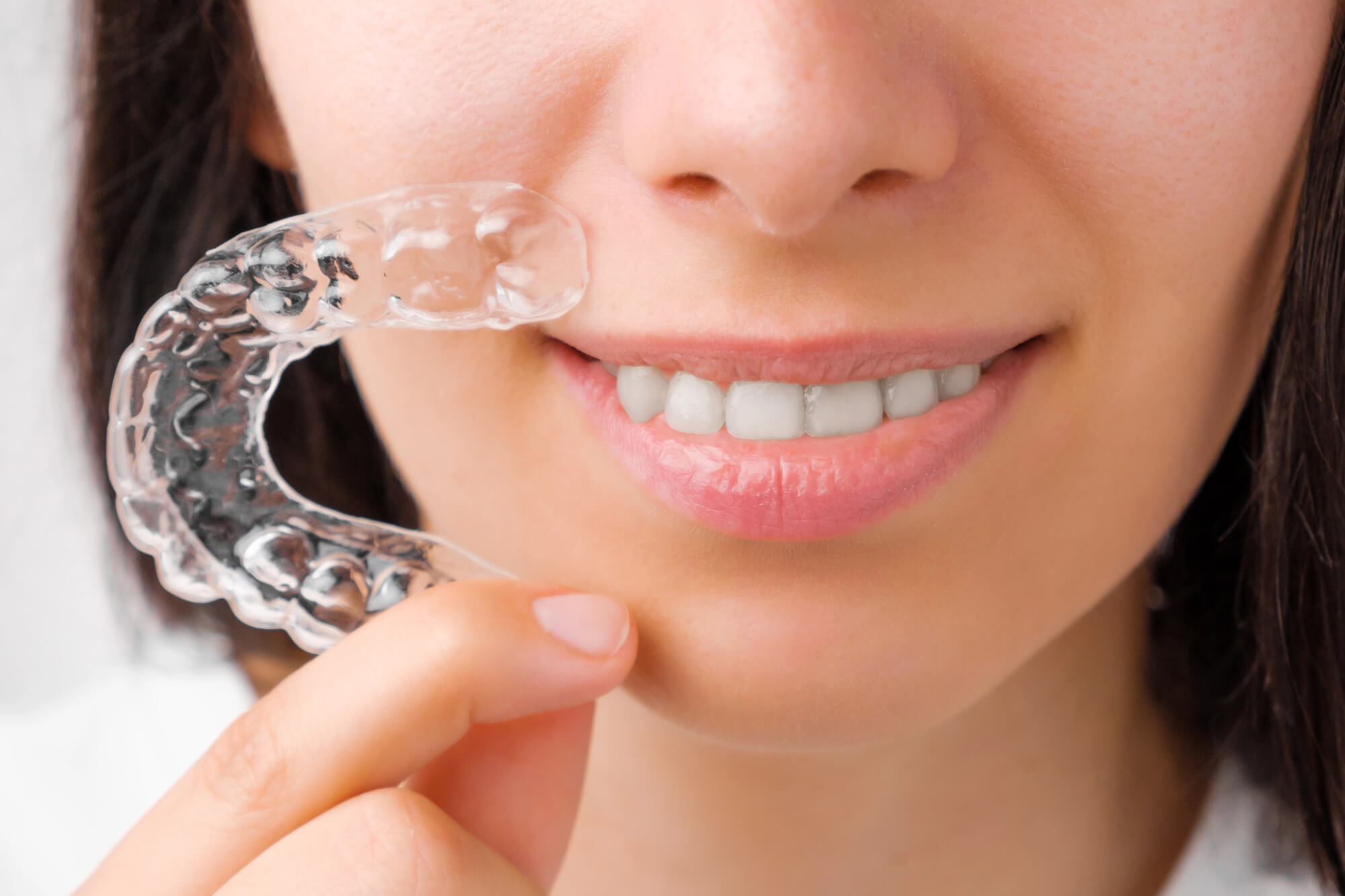
- Clear aligners: custom, nearly invisible trays that apply pressure to gradually move teeth and correct alignment issues.
- Dental bonding: tooth-colored resin used in cosmetic dentistry to reshape teeth or close small gaps.
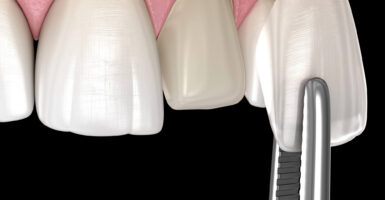
- Dental veneers: thin restorations, like porcelain veneers, that can change the shape, color, and visible alignment of selected teeth.
- Gentle contouring: conservative reshaping that may improve the appearance of very minor unevenness or small alignment issues.
- Limited orthodontic treatment or retainers: appropriate in some cases involving small shifts, correcting bite issues, or relapse after previous treatment.
If what you really want is to avoid visible metal braces, tooth-colored ceramic braces, or lingual braces placed behind the teeth may also be worth discussing with your dentist or orthodontist during a consultation.
The key question isn’t simply “braces or nothing?” It’s “what is the least invasive, medically sound way to improve my teeth alignment and smile while considering the overall cost and process?” With modern 3D scan technology, orthodontists can create 3D images and impressions to plan the perfect smile correction for each individual.
Pide cita para una consulta gratuita
Why Crooked Teeth Are More Than Just a Cosmetic Issue
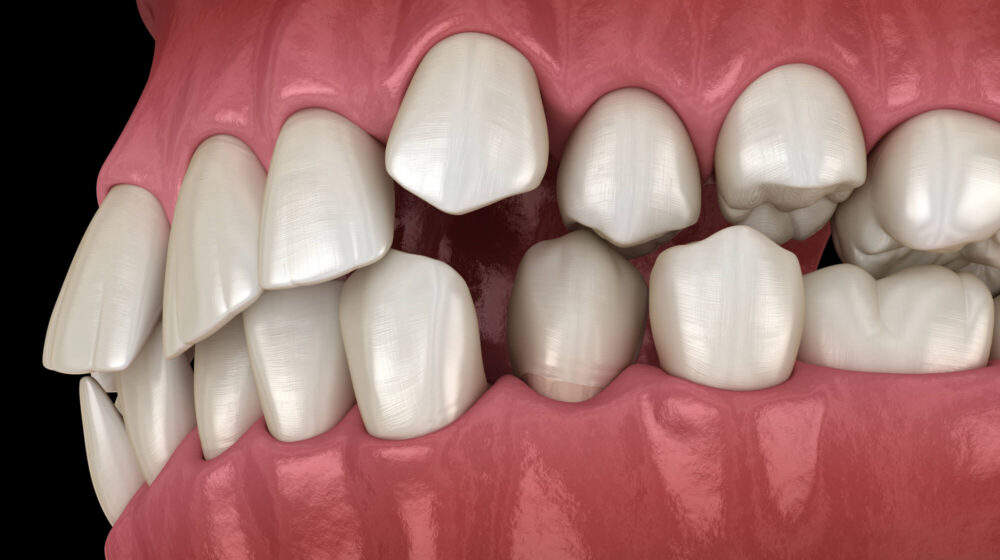
Mildly crooked teeth can sometimes signify more than just an aesthetic concern; they may affect oral health beyond self-esteem and confidence. An exam can help distinguish between teeth that seem slightly uneven and situations where crowding or malocclusion might compromise your long-term oral health.
Makes Some Spots Harder to Brush
Crowded teeth can create tight spots that are harder to brush and floss effectively, leading to plaque buildup, which increases the risk of tooth decay and gum disease. Proper alignment helps maintain healthy teeth and gums over time by reducing these risks.
Uneven Bite Creates Uneven Pressure
Bite alignment is also crucial. Misaligned teeth may result in some teeth bearing more pressure than others during chewing, leading to chips, wear, increased sensitivity, or even TMJ disorders. In some cases, bite problems may contribute to jaw discomfort or fatigue.
It’s important to understand that the goal is not to assume that every crooked tooth necessitates treatment. A dentist or orthodontist who evaluates the comprehensive oral health picture can differentiate between structural issues that require intervention and minor alignment issues that are primarily cosmetic and can be safely monitored.
Your Main Options to Fix Crooked Teeth Without Braces
Most adults who want to fix crooked teeth without braces are considering clear aligners, cosmetic reshaping with dental bonding or veneers, limited orthodontic treatment, or less-visible braces when avoiding metal is the main concern.
The biggest difference is whether the treatment process actually moves your teeth or mainly changes how they look. This comparison can help you see where each option fits:
| Opción | Moves Teeth or Changes Appearance? | Best Use and Caution |
| Clear braces/aligners | Moves teeth | Often used for mild to moderate crowding or spacing; requires consistent daily wear and good oral hygiene. |
| Bonding/veneers / contouring | Changes appearance | It may help very mild crookedness when the bite is healthy; it should be planned carefully to protect enamel and gums. |
| Limited orthodontics/retainers | Small movements | It may help minor shifts or relapse after previous braces or aligner treatment. |
| Ceramic or lingual braces | Moves teeth | It may help more complex cases when the goal is to reduce the appearance of braces rather than avoid them completely. |
With cosmetic options, remember that any treatment involving enamel removal should be considered carefully. Enamel does not grow back, so conservative planning and a clear understanding of long-term maintenance matter.
Clear Aligners: How Clear Aligners Straighten Crooked Teeth Without Braces
Clear aligner therapy can straighten crooked or crowded teeth with a series of snug, custom trays that gradually guide your teeth toward a planned position. Clear braces work best when they are carefully planned by a dental professional and worn consistently.
A typical aligner plan starts with an exam and 3D digital scans or dental impressions of your teeth. Those records help create a 3D treatment plan that maps how each tooth should move in small steps.
From that plan, a series of aligner trays is made, with each tray shaped a little closer to the intended position of your teeth.
How Clear Aligners Move Teeth
When you wear a tray, gentle pressure encourages the bone around the roots to remodel so the tooth can gradually shift. Depending on the treatment plan, you may change trays every one to two weeks.
For more difficult movements, your doctor may place small tooth-colored attachments or use elastics to give the aligners more grip and control.
Who May Be a Good Candidate for Clear Aligners
Aligners may work well if:
- Your crowding or spacing is mild to moderate.
- You’re comfortable wearing the trays for most of the day.
- You’re willing to keep your teeth and aligners clean throughout treatment.
They may not be the best choice if you have severe crowding, significant bite or jaw alignment problems, or know you may struggle to wear them consistently. In those situations, another orthodontic approach may provide more predictable control.
Pide cita para una consulta gratuita
Can Veneers or Bonding Make Crooked Teeth Look Straighter?
Veneers and bonding can sometimes make slightly crooked front teeth look straighter by reshaping or covering the visible surfaces.
They aren’t technically a teeth-straightening treatment, as they don’t move the roots or correct the underlying tooth position, so they are generally most appropriate when the bite is already healthy, and the main concern is appearance.
In selected cases, your dentist might:
- Use veneers to cover slightly rotated, chipped, or uneven front teeth with custom restorations.
- Use bonding to fill small gaps or reshape an edge with tooth-colored resin.
- Use gentle contouring to smooth a sharp corner or make a small overlap less noticeable.
Any time enamel is removed or covered, it’s important to understand that the change is long-term. Restorations can also wear, chip, or require repair or replacement over time.
Choosing Between Cosmetic Treatment and Orthodontics
Cosmetic dental treatment may make sense when:
- The crookedness is very mild and mainly cosmetic.
- Your bite is stable and comfortable.
- Your gums and supporting teeth are healthy.
- You understand any long-term maintenance involved.
Cosmetic treatment may not be the right substitute for orthodontics when teeth are significantly out of position or the bite needs correction.
In those situations, moving the teeth first may create a healthier foundation and may allow your dentist to make more conservative cosmetic changes later.
Sometimes the best plan combines approaches. A short phase of aligner treatment followed by small amounts of bonding or contouring may improve the smile while preserving more natural tooth structure.
Why DIY and Mail-Order Teeth Straightening Can Be Risky
Clear trays can look simple, but safely moving teeth requires more than making them look straighter from the front.
A proper treatment plan considers the roots, bone, gums, bite, and overall health of the mouth.
When treatment begins without a full exam, X-rays, or digital scanning systems, or appropriate follow-up, problems may go unnoticed.
Potential concerns can include:
- Moving teeth into areas where bone support is limited.
- Increasing the risk of gum recession or root exposure in certain situations.
- Creating a bite that feels uncomfortable or unstable.
- Missing gum disease, decay, or other conditions should be addressed first.
Some remote treatment systems include professional review, but the level of examination and ongoing supervision can vary.
If cost is a concern, talk openly with a dental professional about your budget. Ask about clear fees, treatment priorities, financing, or whether care can be completed in stages.
For example, 4M Dental Implant Center offers flexible payment options and works with trusted financing partners to help make your dream of a beautiful, healthy smile a reality.
The goal is to understand what your teeth need before asking them to move.
What Your Dentist Looks for Before Suggesting a No-Braces Plan
Before recommending a way to fix crooked teeth without braces, a careful dentist or orthodontist will look at more than how your front teeth line up in the mirror.
A proper evaluation may include:
- Gum and bone health – checking for gum disease, bone loss, or loose teeth.
- Bite and jaw function – looking at how your teeth meet and how comfortably your jaw functions.
- Tooth structure – checking for large fillings, cracks, worn enamel, or other issues that could affect treatment.
- Tooth position – understanding how much each tooth would need to move or change.
- Your goals – identifying whether you want actual tooth movement, a cosmetic improvement, or both.
X-rays and digital scans may also be needed to understand what is happening above and below the gum line.
If there are signs of gum disease, infection, or significant bite problems, those concerns usually need to be addressed before cosmetic or straightening treatment begins.
At 4M Dental Implant Center, we believe treatment planning should start with the whole smile, not just the one tooth that looks crooked. Understanding the gums, bone, bite, tooth structure, and long-term goals helps create a plan that makes sense today and continues to make sense years from now.
A simple way to prepare is to bring a short list to your visit: what you dislike most about your smile, what you’re hoping to change, what worries you, and how much time and effort you’re willing to invest. That helps your dental team match the plan to your real life, not just your photos.
How to Choose the Right Treatment for Crooked Teeth
You can start narrowing your choices by looking at three things: how crooked your teeth are, how your bite feels and functions, and whether you have any gum or jaw concerns. The choice of teeth straightening method depends on the severity of crookedness, which is why a comprehensive evaluation is essential for building a personalized treatment plan rather than guessing which option fits.
Most adults fall into one of three groups:
- Discreet orthodontics: mild to moderate crowding or spacing where the teeth themselves need to move; clear aligners may be an option, followed by retainers to help maintain teeth position after orthodontic treatment is complete.
- Cosmetic improvement: a healthy bite with one or two slightly crooked or uneven front teeth; bonding, contouring, or veneers may be considered, and cosmetic treatments often provide fast results with little pain.
- More comprehensive orthodontic or dental care: significant crowding, bite problems, gum recession, loose teeth, or other concerns where health and stability need to come first.
If you notice bleeding gums, loose teeth, ongoing jaw discomfort, or other changes in your oral health, it’s worth having those concerns evaluated before beginning cosmetic or teeth straightening treatment.
A healthy foundation gives your dental team more options and helps make treatment more predictable.
Ready to Fix Crooked Teeth Without Braces? Talk With 4M
Reading about your options is a smart first step, but your teeth, gums, bite, medical history, and goals are unique to you. The safest way to fix crooked teeth without braces is with a plan built around your actual mouth, not a one-size-fits-all solution. That’s also why DIY teeth straightening methods can cause permanent damage, and why the American Dental Association opposes DIY orthodontics due to the risks involved.
At 4M Dental Implant Center, your team can examine your teeth and gums, review any needed digital scans and records, and show you where you sit on the spectrum, from small cosmetic changes to clear aligners, low-visibility braces, or situations where other dental care should come first.
You can bring your questions, your budget, and even photos of smiles you like. The goal is to leave with clear options, straightforward guidance, and time to decide without pressure.
Book a free consultation with 4M Dental Implant Center to find out which options may be right for your smile.