Peri-implantitis can feel especially unfair. You invested time, money, and trust in dental implants to restore your smile, only to notice bleeding, swelling, or signs of bone loss around them. Naturally, you’re wondering: Can my implant still be saved, or will it need to be removed?
The reassuring news is that peri-implantitis doesn’t always mean losing your implant.
Treatment depends on how much supporting bone has been lost, whether the dental implant is stable, and how far the inflammation has progressed. Peri-implantitis treatment may involve professional cleaning, surgery to control the gum tissue inflammation, or regenerative procedures to rebuild some of the lost bone in suitable cases. When an implant has lost too much support, removal may be the safer, more predictable option.
Knowing the difference can help you avoid unnecessary surgical treatment while protecting your long-term oral health. This guide walks you through the warning signs, treatment options, including laser-assisted and regenerative approaches, and the factors dentists consider when deciding whether a dental implant can be saved or should be removed.
From Silent Irritation to Implant Loss: What Peri-Implantitis Really Is
Peri-implantitis is a plaque-associated inflammatory condition around a dental implant site where the supporting bone is progressively breaking down. Dental professionals categorize related conditions into three groups: healthy tissue, peri-implant mucositis, and the more severe peri-implantitis, which involves bone loss. Your treatment plan depends on the stage of inflammation, how early it’s caught, and the presence of risk factors like smoking or diabetes.
In simple terms, clinicians discuss:
- Peri-implant health: Healthy gums without bleeding on gentle probing and no progressive bone loss beyond normal changes following implant placement.
- Peri-implant mucositis: Red, swollen gums that bleed when checked but without progressive bone loss; this is akin to gingivitis in natural teeth.
- Peri-implantitis: Gum inflammation plus progressive bone loss around the implant; left untreated, this can eventually lead to implant failure and removal.
Early mucositis around implants is common and usually manageable with prompt intervention and good oral hygiene practices like regular tooth brushing and flossing.
Recognizing bleeding and seeking evaluation signals proactive care, not failure. Bleeding on probing or brushing alone does not necessarily indicate peri-implantitis.
Peri-implantitis is typically multifactorial. Local contributors include plaque, biofilm, cement, or food trapped under a crown, and challenging crown or bridge designs for cleaning.
Systemic factors like smoking, poorly controlled diabetes, past periodontal disease, and irregular professional maintenance visits raise the risk as well. Bone and soft tissue recession can sometimes progress quickly around implants, so a “wait and see” approach can be risky.
Early recognition through periodontal probing, radiographs, or CBCT imaging ensures that more treatment options remain viable, ranging from mechanical debridement to regenerative protocols, and even laser-based therapy.
Pide cita para una consulta gratuita
Stages and Warning Signs: How Serious Is the Infection Around This Implant?
Assessing the condition is crucial to determining whether the situation falls into a “clean it up and watch it” category or requires surgical intervention, such as removal. Key evaluation factors include pocket depths, bleeding on probing, X-rays, changes in bone levels over time, and symptoms you notice at home. Your implant dentist will use this comprehensive picture to map out the best treatment strategy.
Here’s how common findings often align with treatment directions:
| Condition | What Your Dentist Sees | Usual Treatment Direction |
| Mucositis periimplantaria | Red, bleeding gums; no progressive bone loss | Nonsurgical cleaning, oral hygiene improvements, and professional cleaning |
| Early peri-implantitis | Inflammation with limited progressive bone loss | Mechanical debridement, correction of contributing factors like plaque, and reassessment |
| More advanced peri-implantitis | Persistent inflammation, deeper pockets, or more extensive bone loss | Surgical treatment, such as regenerative protocols or resective methods |
| Severely compromised implant | Extensive bone loss, implant mobility, or an unmanageable condition | Consider removal and possibly bone regeneration or reconstructive options |
These descriptions represent general treatment categories and are not a definitive clinical staging system. Peri-implant pocket depths and percentages of bone loss alone do not reliably determine disease severity or the optimal treatment for every dental implant scenario.
Warning Signs of Peri-Implantitis You May Notice at Home
These symptoms should prompt you to schedule an evaluation:
- Bleeding gums, swelling, or soreness when you brush or floss around the implant
- A persistent bad taste, odor, or discharge from the site indicates infection
- The crown feeling “longer,” exposed metal sensations, or discovering a new notch with your tongue
- Any feeling that the implant, bridge, or denture is less stable than before
Your implant dentist examines X-rays to determine whether the bone around the implant remains stable or shows signs of progressive bone loss. Historical X-rays are especially helpful for comparison.
Design factors, such as implant-supported dentures with excess cement or challenging cleanliness around implant-borne restorations, can complicate care. A loose crown or bridge component does not necessarily indicate an unstable implant.
While terms like “mild,” “moderate,” and “severe” can explain the issue’s extent, your dentist must assess each case individually to recommend the best treatment approach.
Nonsurgical Care and Maintenance: What Can Be Reversed Without Surgery?
Peri-implant mucositis can often be reversed without surgical treatment when the area is cleaned thoroughly, and oral hygiene routines are improved. Early stages of peri-implant diseases may also respond to nonsurgical care, such as mechanical debridement, although cleaning alone does not usually regenerate bone that has already been lost.
The goal is to address gum inflammation, prevent further bone loss, and create a maintenance plan tailored to your individual risk factors, including management of systemic diseases like diabetes and avoiding smoking. In these early stages, nonsurgical therapy is typically the first, and sometimes only, step for preventing total implant failure.
What Nonsurgical Treatment Usually Includes
A conservative plan from dental professionals with expertise in implant dentistry often involves:
- Professional cleaning using implant-safe instruments, such as Ultrasonic Scalers, to remove biofilm, bacterial plaque, and deposits from both the crown and the implant surface
- Air polishing to assist in reaching areas that standard tools may not easily access
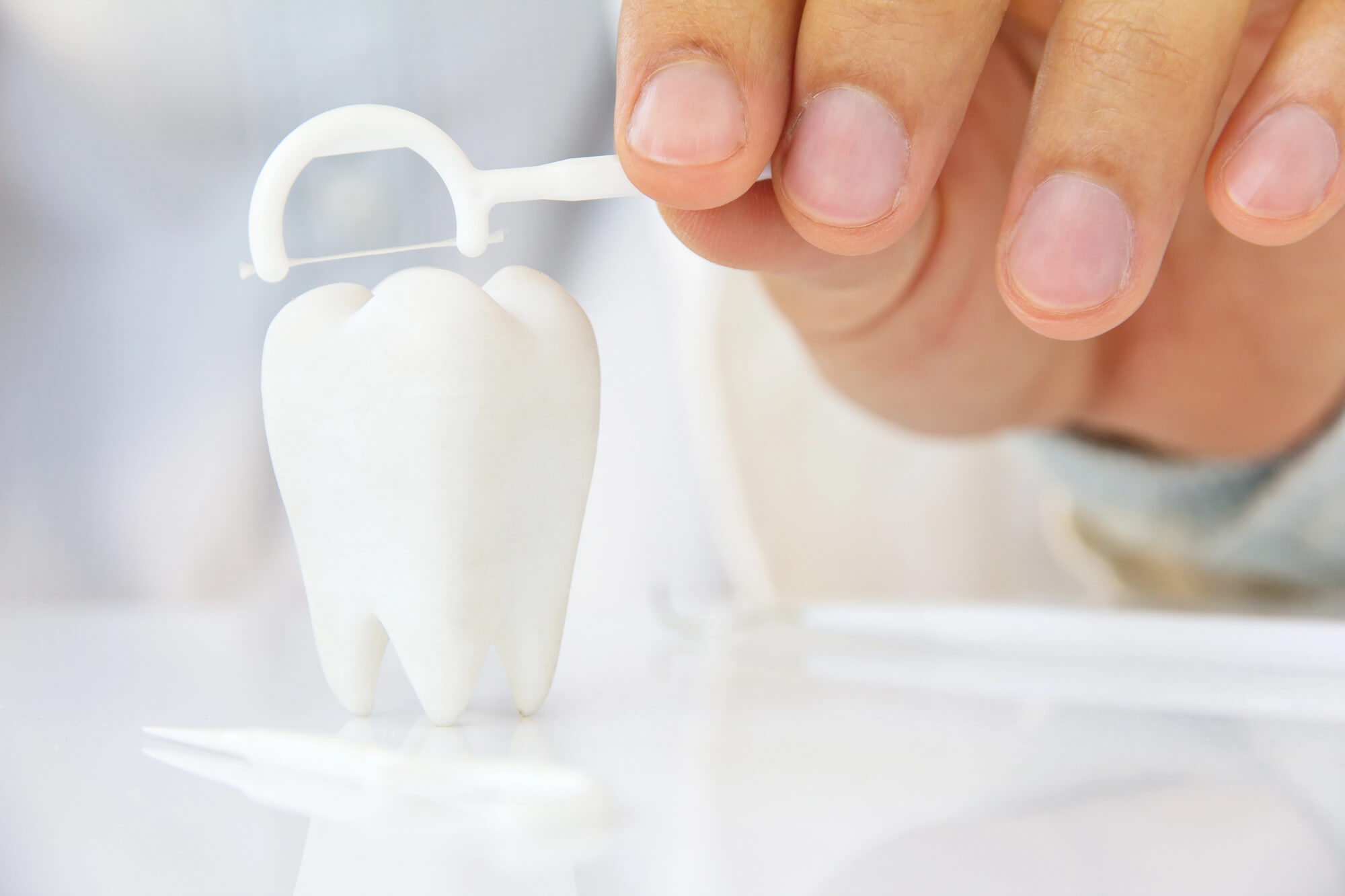
- Home-care coaching, including the use of small brushes, flossing, or floss threaders to clean under bridges and around implant posts
- Support in reducing risk factors, such as quitting smoking and maintaining good blood sugar control, for those with diabetes
- Checking restorations for excess cement or design issues that hinder effective cleaning
Mouth rinses and certain antimicrobial therapies might supplement care in specific situations but cannot substitute for physical cleaning. Repeated courses of systemic antibiotics are generally discouraged without addressing local causes and proper debridement; antibiotics are not routinely necessary for every case of peri-implantitis.
When Conservative Care Is Not Enough
In cases of complex or extensive bone defects, it is challenging to completely decontaminate the implant surface without gum lifting. If there are persistent signs of infection on and around the gum tissue, such as bleeding on probing, discharge, or progressive bone loss despite thorough implant surface decontamination, it may indicate the necessity for surgical treatment or interventions like bone grafting or guided bone regeneration.
In summary, while peri-implant mucositis may be reversible with diligent care, established peri-implantitis often requires more advanced and possibly surgical solutions. Even when inflammation is managed, ongoing maintenance therapy and supportive periodontal treatment remain crucial for long-term implant stability.
Surgical Options for Moderate Peri-Implantitis: Reshaping vs. Rebuilding
Once bone loss and pocket depths reach a point where cleaning becomes difficult, nonsurgical care alone may not be enough to stop the disease from progressing.
At that stage, your surgeon looks at whether it is more realistic to reshape the area so it is easier to clean or to try to rebuild some of the lost bone. Surgery is often considered when deep pockets or signs of inflammation remain despite careful hygiene and nonsurgical treatment.
When Resective Surgery for Peri-Implantitis Makes Sense
Resective (reshaping) surgery generally involves lifting the gum, removing inflamed tissue, cleaning the implant, and reshaping the surrounding tissues to create a shallower, easier-to-clean contour.
In selected cases, the surgeon may also smooth exposed implant threads through a procedure called implantoplasty.
It is often chosen in back-tooth areas where appearance is less critical, and the pattern of bone loss does not lend itself to predictable regeneration. The trade-off is that more of the implant may remain exposed, but long-term cleaning can become simpler.
Implantoplasty is not suitable for every implant, so the surgeon must consider the implant’s design and structural condition before recommending it.
When Regenerative Surgery for Peri-Implantitis Makes Sense
Regenerative (rebuilding) surgery adds bone grafts and sometimes membranes after thorough cleaning, aiming to regain some support around a contained vertical defect, a walled-in, crater-like area of bone loss where surrounding bone may help support the graft.
It is considered when the implant is stable, positioned reasonably, and the final crown can be made easily to clean.
Even then, the goal is usually some bone gain and a more maintainable situation, not a perfect “new” site. Results vary, and bone grafting cannot guarantee that the implant will remain healthy long term.
It is reasonable to ask which path your surgeon recommends and why, what trade-offs to expect in appearance and food trapping, and what would make them change course and advise removal instead of more attempts to save the implant.
Pide cita para una consulta gratuita
Laser Peri-Implantitis Treatment vs. Traditional Surgery: Comfort, Limits, and Evidence
Many people hope that a laser treatment can fix peri-implantitis without surgery involving incisions and stitches. Laster protocols have been studied as part of peri-implantitis treatment, but they are tools and not magic wands.
Current evidence does not show that laser-assisted treatment consistently produces better outcomes than thorough conventional therapy.
The European Federation of Periodontology’s clinical guideline recommends against using ultrasonic laser treatments, or similar, as a replacement for or addition to conventional cleaning beneath the gum line during nonsurgical peri-implantitis treatment.
Some laser applications during surgical treatment are still being studied. Patients should be cautious about claims that a laser can reliably replace conventional treatment or save an implant that would otherwise need removal.
Where Lasers May Help
Different types of lasers, including diode, Nd, and Er systems, have been studied for their potential roles in peri-implantitis treatment.
- Help reduce bacterial contamination on implant surfaces
- Remove or treat inflamed tissue in selected procedures
- Support surface cleaning during certain surgical treatment protocols
However, these potential uses do not mean laser therapy is appropriate for every patient. Its benefits depend on the device, treatment method, and individual case.
Claims about better comfort, faster healing, or improved long-term success should be considered carefully because these advantages have not been consistently established.
Where Lasers Are Limited
Lasers do not fix:
- Advanced defects with major bone loss that may require surgery or removal
- Poor implant position or crown designs that make proper cleaning impossible
- The ongoing need for precise mechanical cleaning and regular maintenance
Used incorrectly, lasers can even overheat or damage surrounding tissues, so training and settings matter.
If you are considering laser therapy, ask how it fits with conventional cleaning or surgery, what evidence supports its use in your case, and what the backup plan is if pockets and bone loss do not stabilize.
Regenerative Options: Bone Grafts, Membranes, Biologics, and Who Really Benefits
Regenerative surgery shifts the goal from simply stopping damage to trying to rebuild some of the lost support around a still-stable implant.
Because it adds cost, surgical time, and stricter aftercare, it is usually reserved for specific situations where it has a realistic chance of helping.
What Regenerative Surgery Involves
A typical regenerative plan may include:
- Surgical access and meticulous cleaning of the implant and defect
- Placement of a bone graft (your own, donor, animal-derived, or synthetic)
- Possible use of a membrane to protect the graft and guide bone growth
- Sometimes biologic agents to support healing, although their additional benefit is not established for every situation
Even in favorable situations, regeneration does not guarantee complete replacement of lost bone or a return to the implant’s original condition.
It is an investment in more support and easier maintenance, not perfection.
Who Really Benefits From Regeneration
Patients who may be better candidates tend to share three features:
- A contained vertical defect where the graft can be held in place
- A stable, nonmobile implant in a sensible position
- A strong commitment to careful home care and regular maintenance visits
The shape of the bone defect, implant surface, surrounding tissues, and other health factors also affect the likely outcome.
This is why a thoughtful surgeon may advise against grafting in some situations, even if you are eager to save an implant. A good consultation will lay out both paths side by side: what realistic treatment to save the implant looks like, and what removal plus staged reconstruction could offer over the next 5–10 years.
At 4M Dental Implant Center, we believe patients deserve to understand their options before committing to another procedure. Whether the next step involves preserving an existing implant or considering a different way to restore your smile, the decision should be guided by your long-term health—not simply by how much treatment is possible.
Advanced Peri-Implantitis: When Is Implant Removal the Safer, More Conservative Choice?
In advanced peri-implantitis, the key question often shifts from “How do we save this implant?” to “Is saving it still in your best interest?”
When an implant is loose, surrounded by extensive bone loss, or badly positioned, repeated attempts to save it can lead to further bone loss, add cost and time, and still leave you with a compromised result.
When Removing an Implant May Be Recommended
Removal may be recommended when:
- The implant itself has become mobile, indicating that it has lost its stable connection to the surrounding bone
- There is extensive bone loss with very little support left
- The implant body is cracked or fractured
- Position or crown design makes any cleanable, functional restoration impossible
- Disease continues to progress despite appropriate treatment, making further attempts to save the implant unlikely to succeed.
In these cases, careful removal followed by an assessment of the remaining bone, possible ridge reconstruction, and either a new implant or a different restoration may offer a more predictable long-term plan.
Removing an implant is not a personal failure. Sometimes, it is simply the healthiest next step toward restoring your smile.
Your Role After Treatment: Keeping Implants Healthy for the Long Term
Whatever treatment you choose, long-term success depends on two things working together: what the dental team does in the chair and what you do every day at home. After peri-implantitis treatment, you will usually need more frequent professional maintenance visits and a focused daily routine around your implants.
These steps help keep the area clean, protect the bone that is left, and catch any new inflammation while it is still easier to treat.
Daily Habits That Make the Biggest Difference
Simple, steady habits go a long way:
- Use a soft toothbrush and low-abrasive toothpaste around your implants twice a day
- Clean under bridges and around posts with special brushes, floss threaders, or a water flosser, following your dental team’s instructions.
- Avoid smoking or vaping, which can interfere with healing and raise the risk of complications.
- Keep medical conditions such as diabetes as controlled as possible
- Call early if you notice new bleeding, swelling, discharge, or looseness around an implant
Your dentist may recommend professional cleanings every three or four months, especially if you have a history of gum disease or other risk factors. At 4M Dental Implant Center, we believe caring for your smile goes beyond the initial treatment. That’s why we emphasize ongoing implant maintenance and personalized guidance to help you protect your oral health and confidence for years to come.
Peri-Implantitis Treatment at 4M Dental Implant Center: Finding the Right Path Forward
When you’re dealing with peri-implantitis, the biggest question is often whether your implant can still be saved or whether removing it is the better choice. The answer starts with understanding how much bone support remains and which treatments offer a realistic path forward.
At 4M Dental Implant Center, we take a personalized approach to implant care, considering your oral health, treatment options, and long-term goals. Whether the next step involves treating an existing implant or exploring a new restorative solution, our focus is on helping you make an informed decision with confidence.
Ready to find out what’s right for your smile? Request a free consultation and take the first step toward a healthier, more confident future.