Muchas personas se enfrentan a esta situación desconcertante: al comparar fotos antiguas con otras más recientes, es posible que notes unas bandas más oscuras cerca de las encías, pequeñas mellas en los bordes o un aspecto más «desgastado» en los dientes frontales, a pesar de que estás haciendo todo lo correcto, como cepillarte los dientes dos veces al día, usar hilo dental, no fumar y no comer nunca demasiados dulces.
Sin embargo, la vida cotidiana envejece tu sonrisa al recubrir los dientes con una película que atrapa las manchas, prolongar la exposición al ácido y resecar la boca, por lo que los pequeños cambios se acumulan poco a poco en lugar de producirse de golpe. Cada día se forma de forma natural una fina capa de proteínas sobre los dientes. Los pigmentos del café, el té, el vino tinto, las salsas y otros alimentos oscuros se adhieren a esta capa y se acumulan, opacando gradualmente el esmalte dental incluso cuando sigues al pie de la letra tu rutina de higiene bucal.
Con el tiempo, esa misma capa superficial puede acumular más manchas en algunos dientes que en otros, lo que hace que tu sonrisa parezca desigual.
Los tentempiés nocturnos, el hecho de beber a sorbos constantemente e incluso respirar por la boca mientras se duerme prolongan el tiempo que los ácidos y los azúcares permanecen en la superficie de los dientes. Esa exposición adicional les da más oportunidades de ablandar el esmalte y penetrar en las pequeñas hendiduras. Los equipos odontológicos suelen observar este patrón mucho antes de que los dientes se rompan.
The key idea: your smile doesn’t suddenly “go bad.” Daily routines or bad habits nudge things in one direction or the other. Small adjustments now, like changing sip habits, keeping your mouth from drying out, and staying regular with professional cleanings, usually matter more than dramatic fixes later.
Los enemigos del color: bebidas, alimentos y hábitos que manchan
Las bebidas y los alimentos oscuros manchan la capa proteica de los dientes, y el hecho de ir bebiendo a sorbos a lo largo del día hace que los pigmentos permanezcan el tiempo suficiente como para que el esmalte parezca más viejo y apagado.
Con el tiempo, ese color se va acumulando en las zonas rugosas, los empastes antiguos y las pequeñas grietas, por lo que algunos dientes o bordes se oscurecen más rápido que otros.
Incluso los dientes sanos pueden parecer más viejos cuando las manchas se acumulan en zonas concretas en lugar de distribuirse de manera uniforme. La erosión del esmalte también puede producirse debido al consumo de alimentos y bebidas ácidas, como los cítricos y los refrescos, lo que puede agravar la aparición de caries.
Entre los agentes que suelen provocar manchas se encuentran:
- Café, té negro, vino tinto y refrescos oscuros
- Salsas de colores intensos, especias y frutos rojos
- Tés helados y bebidas fermentadas «saludables» que siguen conteniendo pigmentos oscuros
A continuación te explicamos cómo algunos hábitos alimenticios cotidianos suelen reflejarse en tu sonrisa, y qué puedes hacer al respecto:
| Hábitos bucales | Un cambio palpable | Ajuste sencillo |
| Tomándome un café toda la mañana | Bandas de color amarillo-marrón cerca de las encías | Toma el café con las comidas y luego enjuágate la boca con agua |
| Varias tazas de té negro a lo largo del día | Amarilleamiento general con hoyos y surcos más oscuros | Toma té solo durante las comidas y luego enjuágate la boca con agua |
| Tomándome un refresco oscuro toda la tarde | Color apagado y desigual en los dientes frontales | Bebe refrescos solo a determinadas horas, utiliza una pajita, evita los refrescos con alto contenido en ácido fosfórico y, después, enjuágate la boca con agua |
| Un poco de vino tinto cada noche | Bordes oscuros y sombras entre los dientes | Tómelo con la comida, evite enjuagarse la boca y, a continuación, enjuáguese con agua |
| Salsas de tomate o de curry | Oscurecimiento general y manchas dispersas | Combínalo con alimentos crujientes y acude regularmente a las limpiezas profesionales con tu dentista |
No tienes por qué renunciar a todas las bebidas oscuras ni a tus platos favoritos que contengan ácido cítrico.
Los pequeños ajustes suelen dar mejores resultados que frotar más o utilizar pastas «blanqueadoras» más agresivas:
- Toma bebidas oscuras con las comidas, en lugar de tomarlas solas
- Evita mantenerlos en la boca o enjuagarte con ellos
- A continuación, toma un sorbo de agua
- Realiza limpiezas periódicas para eliminar las manchas superficiales antes de que se incrusten profundamente.
Regular dental visits play a crucial role in maintaining oral health, preventing gum disease, and removing dental plaque that can lead to bone loss.
Además, es fundamental utilizar el cepillo de dientes adecuado y seguir unos buenos hábitos de cepillado y uso del hilo dental. Asimismo, consulta a tu dentista sobre los protectores bucales si tienes hábitos como rechinar los dientes o apretar la mandíbula, ya que pueden desgastar el esmalte dental.
Pide cita para una consulta gratuita
Erosión y desgaste del esmalte: por qué los dientes se ven amarillos y lisos
No todo el amarilleamiento se debe únicamente a manchas superficiales. A medida que los ácidos y las fuerzas intensas desgastan el esmalte dental, la dentina subyacente, de color naturalmente más amarillento, se vuelve más visible, lo que hace que los dientes parezcan más oscuros y sin brillo, incluso cuando están limpios. Este es uno de los problemas más comunes que observan los equipos odontológicos en personas que consumen refrescos con frecuencia o que rechinan los dientes y aprietan la mandíbula de forma habitual, lo que se conoce como bruxismo.
Hay varias razones por las que se produce la erosión del esmalte, siendo las más comunes:
- Consumo de bebidas ácidas: El consumo frecuente de refrescos, bebidas energéticas, agua con cítricos, zumos y vino aporta ácidos cítricos o tánicos que erosionan el esmalte dental.
- Reflujo ácido y acidez estomacal: El ácido derivado de afecciones como la enfermedad por reflujo gastroesofágico (ERGE) puede afectar a la integridad del esmalte, ya que lo ablanda con el paso del tiempo.
- Masticar y cepillarse los dientes cuando el esmalte está debilitado: una vez que los ácidos han debilitado el esmalte, actividades normales como masticar y cepillarse los dientes pueden acelerar su desgaste.
- Hábitos que ejercen una fuerza excesiva: apretar los dientes, masticar hielo, morder bolígrafos y utilizar los dientes como herramientas pueden ejercer una presión excesiva sobre el esmalte, lo que provoca grietas y astillas.
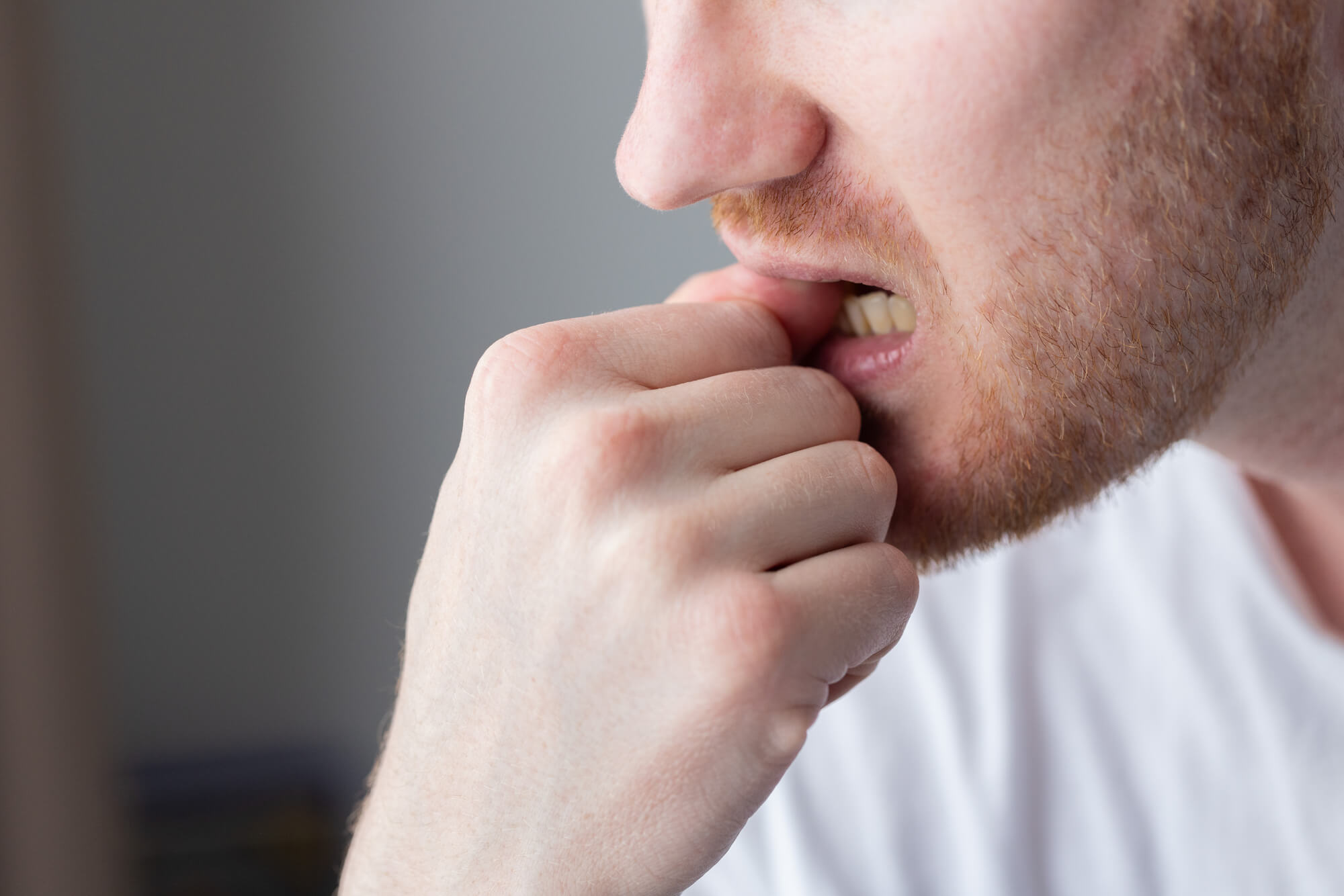
- Morderse las uñas: La onicofagia, o el hábito de morderse las uñas, contribuye al desgaste y al deterioro del esmalte, ya que ejerce una presión adicional sobre los dientes.
Entre los principales indicios de erosión del esmalte y de problemas de salud bucodental que requieren tratamiento y la eliminación de los malos hábitos se encuentran:
- Cambios físicos: La presencia de bordes de mordida más planos, «huecos» poco profundos en las superficies masticatorias o un aspecto translúcido en las puntas de los dientes pueden indicar erosión del esmalte dental.
- Aumento de la sensibilidad dental: El desgaste del esmalte dental suele provocar una mayor sensibilidad a las bebidas frías o a los alimentos dulces.
Cuando empieces a notar una combinación de estos síntomas, no basta con acudir al dentista, pero tampoco con limitarte a disimularlos con productos blanqueadores.
Un dentista puede determinar si lo que ves se debe principalmente a manchas superficiales o a una pérdida real de esmalte, y recomendarte la forma más segura de proteger o restaurar esas zonas.
No hace falta decir que mantener buenos hábitos, como cepillarse los dientes y usar hilo dental correctamente, así como utilizar un cepillo de dientes adecuado, es fundamental para el cuidado del esmalte.
Las encías, el estrés y los «pequeños» hábitos que alteran la forma de los dientes
Your gums do a lot of quiet work in how your smile looks. When they recede, more tooth and sometimes darker root surfaces show, and teeth look longer or uneven. Gum recession is often linked to gum disease, over-brushing, and tobacco products including smoking, vaping, and smokeless tobacco — and smoking or using tobacco products causes significant staining alongside increased gum disease risk that compounds over time into serious damage to both gum tissue and underlying bone. Oral cancer risk is also meaningfully higher among tobacco product users, making quitting one of the most impactful decisions anyone can make to keep their smile healthy and their dental health on the right track long term.
Even if your teeth are structurally sound, receding or inflamed gums can make your smile look older and can impact overall oral health — and everyday habits that seem minor in isolation can accumulate into significant changes in tooth shape, gum position, and the overall appearance of the smile over long periods.
Everyday Habits and Bad Habits That Damage Teeth Appearance and Gum Health
Among the top stress habits or compulsive behaviors and common habits that create both tooth and gum problems and damage teeth in ways that show are:
Grinding Teeth and Jaw Dysfunction — Why a Mouth Guard Matters
- Teeth grinding, or bruxism, and clenching, which flatten biting edges, chip corners, and create tiny notches near the gumline — bruxism can cause jaw pain, headaches, and jaw dysfunction, and grinding teeth often occurs during sleep or stress when people are least aware of the damaging habits they are engaging in. A mouth guard worn during sleep is one of the most effective and immediate solutions for protecting teeth from the cumulative damage that grinding teeth causes over long periods, and many people find that a properly fitted mouth guard reduces jaw pain and headaches alongside the visible dental effects of bruxism
- Nail biting, also known as onychophagia, a nervous habit that chips teeth along the edges that show most in photos and close conversations
- Lip chewing, another nervous habit that places repeated pressure and friction on the front teeth and surrounding gum tissue over long periods
Chewing Ice Cubes and Using Teeth as Tools
- Chewing ice cubes, which combines the mechanical force of chewing hard items with the thermal stress of cold temperature on dental enamel — chewing ice is one of the most common habits that chip teeth and create tiny fractures that worsen over time into serious damage. Ice cubes may seem harmless but the repeated combination of hard pressure and cold temperature makes chewing ice one of the most consistently damaging habits for enamel integrity and long-term tooth structure
- Using your teeth as tools — teeth are not designed for opening packages or bottles, and using them as a bottle opener or to open packages is one of the most direct ways to chip teeth, crack enamel, and create the kind of structural damage that requires dental restorations to repair
- Awake bruxism, or clenching while you concentrate, a damaging habit that many people do not recognize as grinding teeth because it happens during waking hours rather than sleep
The last several habits also tend to leave their mark on the front teeth that show most in photos and conversations — and for people who engage in multiple damaging habits from this list simultaneously, the cumulative damage to teeth appearance, dental health, and gum position can accelerate significantly over long periods.
Entre los cambios que suelen ser motivo de preocupación se incluyen:
- Pequeños espacios triangulares en las encías entre los dientes
- Las encías que en algunos dientes se sitúan más arriba que en otros
- Bordes que ya no encajan como antes
If you spot these signs, it is worth asking a dentist whether gum disease, poor brushing technique, or grinding teeth is driving those changes. Regular dental checkups and professional cleanings help maintain the appearance of teeth and give your dental team the opportunity to identify damaging habits and their effects early — before everyday habits become serious damage that requires more complex treatment.
Often, solutions like a night guard or mouth guard for grinding teeth, a soft bristled toothbrush used with a gentle technique that does not damage teeth through hard brushing, improved flossing around the gums, rinsing with plain water after acidic drinks or meals, or support to quit smoking or vaping and other tobacco products can slow or stop cosmetic changes before they become serious dental issues or structural problems.
Maintaining robust dental health and good preventive care — including seeing your dentist regularly — can help avoid cavities, tooth loss, bone loss, and the need for dental restorations in the future.
Hábitos «saludables» que, sin que te des cuenta, perjudican el aspecto de tus dientes
Some of the very things you do for your dental health can quietly work against your teeth’s appearance if you are not careful. Sugar-free does not always mean gentle — many options are still acidic and hard on tooth enamel, and frequent snacking keeps teeth in a near-constant acidic environment that promotes decay and erodes enamel in ways that sugary foods and sugary treats can accelerate significantly. Constant acid attack from frequent snacking, acidic beverages, and sugary treats is one of the most underappreciated everyday habits that damage teeth appearance over long periods.
Damaging Habits Hidden in Your Daily Routine
Frequent Snacking and Acid Erosion
Frequent snacking is one of the most consistently overlooked damaging habits in daily life — and the reason is straightforward. Every time food or drink touches the teeth, the mouth enters an acid attack phase that lasts approximately 20 to 30 minutes. Frequent snacking throughout the day means the teeth spend the majority of their time under acid attack rather than recovering in the neutral saliva environment that allows enamel to remineralize naturally. Over long periods, this pattern of frequent snacking erodes enamel, promotes gum disease, and creates the staining and structural changes that show in the smile in ways that feel sudden but have been building for years.
Common examples of habits that damage teeth appearance include:
- All-day lemon water, sports drinks, sugar-free sodas, or flavored sparkling water that keep your mouth acidic for hours — frequent consumption of acidic and sugary beverages causes enamel erosion and staining that builds up over long periods, weakening dental enamel and promoting dental plaque buildup that creates a higher risk of cavities and bad breath
- Charcoal powders, straight baking soda, and gritty whitening scrubs that scratch dental enamel and gums, potentially causing tiny tooth fractures — these abrasive options are among the most common damaging habits that people mistake for beneficial oral care
Brushing Too Hard — A Bad Habit That Looks Like Good Hygiene
- Hard-bristled toothbrushes or brushing too hard during brushing that wears away gum tissue and notches the necks of teeth — brushing too hard is one of the most prevalent bad habits in daily oral care, and people brush too hard far more often than they realize. Switching to a toothbrush with soft bristles and brushing at a 45-degree angle with a gentle circular motion rather than scrubbing motions significantly reduces the serious damage that brushing too hard causes to gum tissue and enamel over long periods. Replace your toothbrush every 3 to 4 months for optimal cleaning — a worn toothbrush with soft bristles that have splayed out loses its effectiveness and can contribute to uneven cleaning that promotes gum disease and bad breath
- Constant sugar-free gums, mints, and lozenges can cause trouble if they rely on acids for flavor — using xylitol products instead can help neutralize mouth acids after meals and is one of the best solutions for managing the acid attack that follows frequent snacking and sugary treats throughout the day
Chewing Ice — The Cold Temperature Habit That Cracks Enamel
- Chewing ice cubes is a common nervous habit that combines the mechanical risk of chewing hard items with the thermal stress of cold temperature on enamel — the repeated exposure to cold temperature and hard pressure from ice cubes creates a greater risk of chips and fractures than most people expect from something as seemingly harmless as chewing ice. Over long periods, chewing ice weakens the structural integrity of enamel in ways that make teeth progressively more vulnerable to the kind of cracking and chipping that requires restorative dental treatment to address
- Brushing right after reflux, vomiting, or consuming a very acidic drink like soda adds more serious damage because the dental enamel is already softened and at greater risk of being worn away — rinsing with plain water first and waiting at least 30 minutes before brushing is the best solution for protecting softened enamel after an acid attack
You do not need to give up everything to keep your smile healthy. Often it is enough to limit how often acids touch your teeth, rinse with plain water after meals or acidic drinks to reduce contact time with staining or acidic agents, wait at least 30 minutes before brushing after an acid hit, switch to a soft bristled toothbrush and a gentler technique brushing at a 45-degree angle, replace your toothbrush every 3 to 4 months, and use less abrasive whitening options such as custom trays with gentle gel or professionally supervised strips recommended by your dentist or dental team that understands both health and appearance. It is all about limiting the power and duration of acid erosion and the impact of everyday habits on your mouth.
Cuando los cambios en el estilo de vida no bastan por sí solos
Once teeth or gums have lost structure, lifestyle changes help protect what is left but cannot rebuild what is gone. At that point, home care is still important but it works alongside treatment rather than instead of it — and seeing your dentist regularly becomes even more critical for catching the progression of damage before tooth loss, jaw dysfunction, or the need for major reconstructive treatment becomes unavoidable.
When Bad Habits Have Already Done Their Damage
Entre los signos de alerta que indican que mejorar los hábitos bucales por sí solo podría no ser suficiente se incluyen:
- Teeth that chip or break again and again in the same spots — a pattern that often points to grinding teeth, jaw dysfunction, or a bite problem rather than a single incident of using your teeth as tools or chewing ice cubes
- Coronas u obturaciones que no dejan de fallar
- Teeth that feel loose or have shifted noticeably — a sign that tooth loss risk is increasing and that underlying gum disease or bone loss may be more advanced than surface appearances suggest
- Dolor persistente, hinchazón o sensibilidad profunda
- Persistent bad breath that does not resolve with improved oral hygiene, which can indicate underlying gum disease or other dental health concerns that require professional evaluation
These changes can point to underlying gum disease, jaw dysfunction, or bite problems as much as cosmetic concerns. Here it is important to have a dentist separate surface problems that can be polished or bonded from deeper oral issues that need more complete repair — and to visit your dentist regularly rather than waiting for pain or serious damage to prompt an appointment.
Mouth Guard Solutions for Grinding Teeth and Bite Problems
In some cases, one of the most predictable ways to restore both appearance and function is to plan a series of crowns, veneers, or when teeth are badly damaged or missing, implant-based solutions — often alongside a properly fitted mouth guard for patients whose grinding teeth habit has been a primary driver of the damage. The real choice is often between another short-term patch and a coordinated plan that matches how you actually live. For people with many failing or missing teeth, that coordinated plan may mean looking beyond single-tooth fixes to bigger reconstructive options including full-arch implant approaches — particularly when damaging habits like grinding teeth, long-term tobacco products use, or years of acid attack from frequent snacking and acidic beverages have compromised multiple teeth simultaneously. That is where it helps to think not just about today’s repair but about the long-term smile you want to maintain.
Cómo cuidar tu sonrisa si ya estás pensando en los implantes
How Everyday Habits and Damaging Habits Affect Implant Outcomes
If you are already thinking about dental implants or larger reconstructions, your everyday habits influence how predictable and long-lasting those options will be. Long-term smoking and tobacco products use, heavy acid exposure from acidic foods like citrus fruits and soda and the frequent snacking that creates near-constant acid attack, and years of grinding teeth — also known as bruxism — all play roles in affecting the jawbone and how much bone is available for implants. These factors also impact which implant designs make sense and how long dental restorations are likely to last — and addressing damaging habits before treatment begins is one of the most important steps in protecting a major dental health investment.
Full-arch or multi-implant solutions can reset the visible part of your smile — color, shape, and how gums frame your teeth — in one coordinated plan when natural teeth are too worn or failing. Teams that plan full-arch cases look not just at your scans but also at your bite, jaw muscles, jaw dysfunction history, and everyday habits including grinding teeth, chewing ice, frequent snacking, and tobacco products use. This ensures that new teeth are not placed into the same heavy forces and damaging habits that damaged the old ones.
Quitting smoking and tobacco products, cutting back on all-day acidic drinks and the frequent snacking that drives near-constant acid attack, managing reflux with your medical team, and using a mouth guard if you grind teeth can improve both your candidacy and how long the implant is likely to last. Those changes are often more manageable when you understand how they can protect a major investment in your dental health and confidence.
When you are comparing patching things for a few more years against a more definitive plan, it helps to ask:
- How long each option is expected to last with your real everyday habits — including grinding teeth, tobacco products use, frequent snacking, and chewing ice cubes
- ¿Cuánto tiempo total de tratamiento, recuperación y en la consulta puedes esperar de tu dentista?
- What comfort approaches including sedation are available
- What day-to-day maintenance will look like beyond regular brushing with a soft bristled toothbrush, flossing, and rinsing with plain water after meals
An in-person evaluation is crucial in turning those questions and comparisons into a specific plan that fits your dental health, your habits, and your goals — and that will support the long-term success of your dental restoration efforts.
Cuándo es el momento de consultar a un profesional sobre la salud de tu sonrisa
Breaking Bad Habits and Everyday Habits That Damage Teeth — Starting With a Conversation
You do not need to wait for a broken tooth or severe pain to get a focused opinion on changes in your smile — and seeing your dentist regularly rather than only in response to serious damage is one of the most important everyday habits for keeping your smile healthy and catching the effects of damaging habits before they progress to tooth loss, jaw dysfunction, or oral cancer. If you are noticing more yellowing, flatter edges, new gaps at the gums, bad breath that persists despite good home care, or just feel that your smile no longer matches how you see yourself, a dental exam that looks at color, wear, gum position, and the cumulative effects of everyday habits can be extremely helpful.
A good first visit is less about signing up for treatment and more about getting a clear picture. Bring your real lifestyle to the table — your coffee habits, sugary treats and sugary foods consumption, frequent snacking patterns, work shifts, stress levels, grinding teeth history, tobacco products use, and health history — so your dental team can separate what is realistic to change at home from what truly needs treatment. Ask how long different options are expected to last with your habits, how they will feel day to day, and what kind of home care including the right soft bristled toothbrush, brushing technique at a 45-degree angle, and rinsing with plain water will protect the results.
If you are looking for a group that thinks about both everyday habits and advanced solutions like full-arch implants, 4M Dental Implant Center can be a helpful partner. A free consultation is simply a chance to turn vague worry into clear information and choices — so every change, at home or in the chair, moves you toward a smile you feel comfortable and proud to show for years to come.
Pide cita para una consulta gratuita